



Modern response environments can shift fast. The right fire rescue body armor gives your team protection for high-risk deployments, from warm-zone rescue operations to controlled extractions under law enforcement cover. Designed for rapid donning, mobility, and clear identification, a firefighter ballistic vest program helps teams stay focused on the mission: move in, stabilize, and get people out.






Modern response environments can shift fast. The right fire rescue body armor gives your team protection for high-risk deployments, from warm-zone rescue operations to controlled extractions under law enforcement cover. Designed for rapid donning, mobility, and clear identification, a firefighter ballistic vest program helps teams stay focused on the mission: move in, stabilize, and get people out.
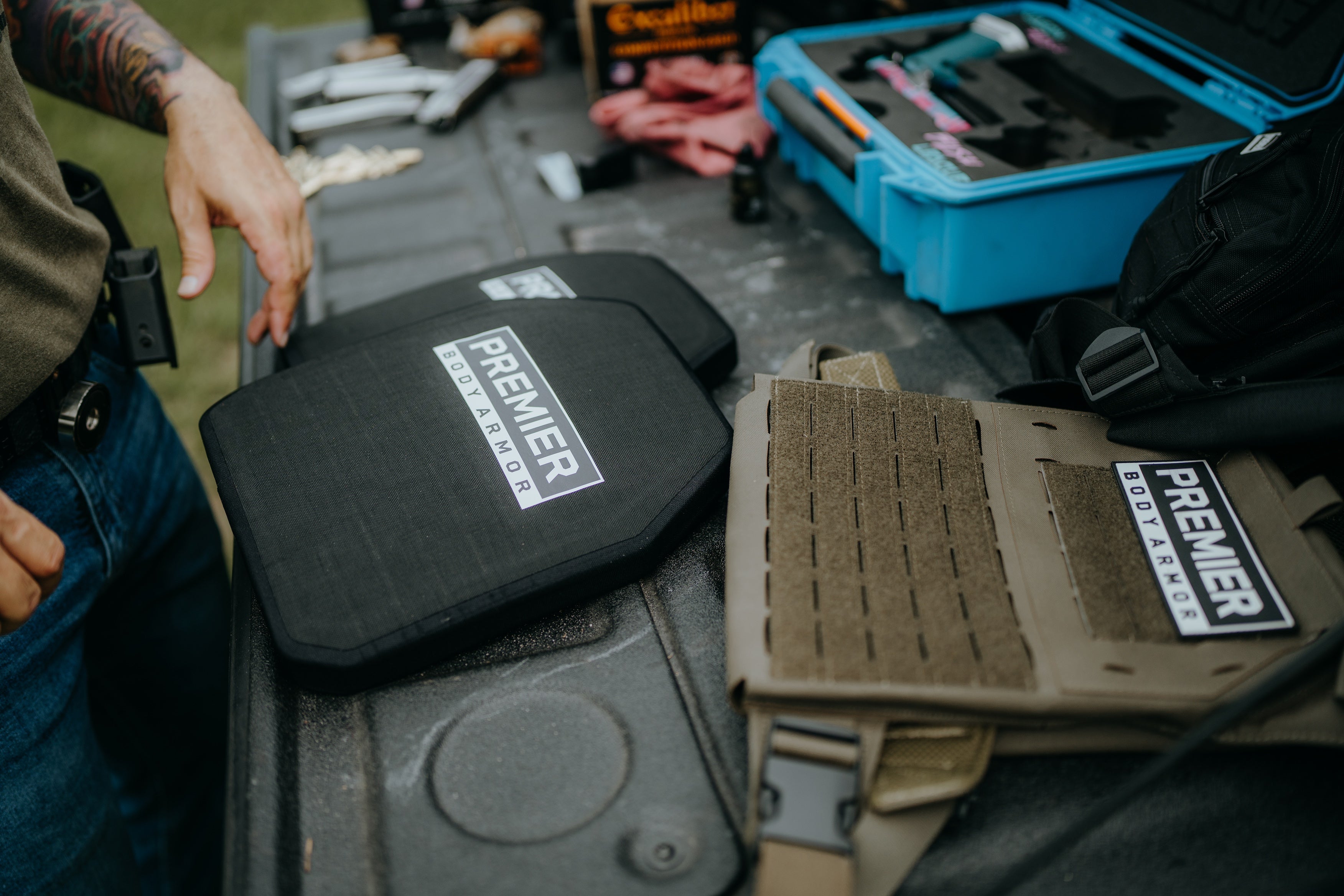
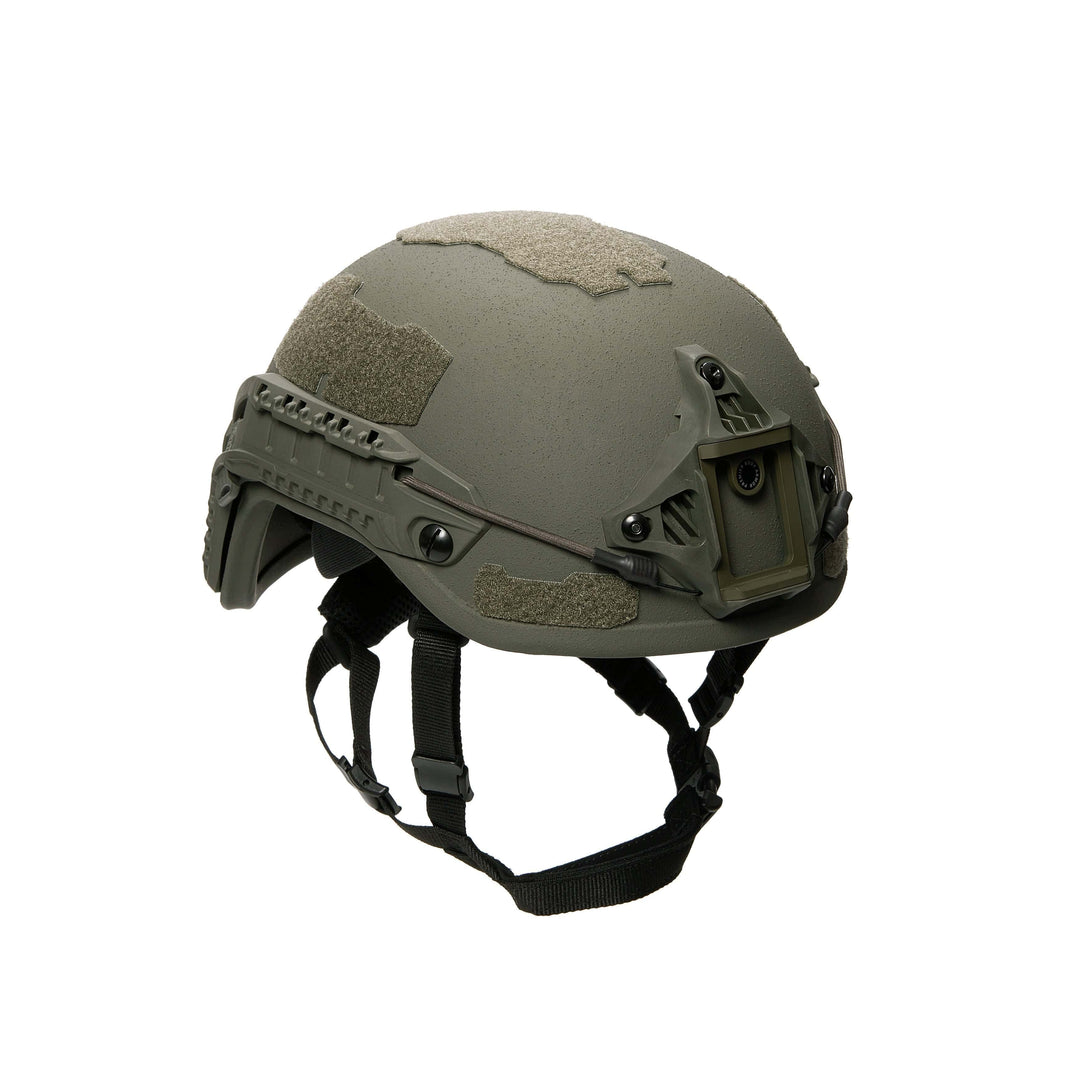
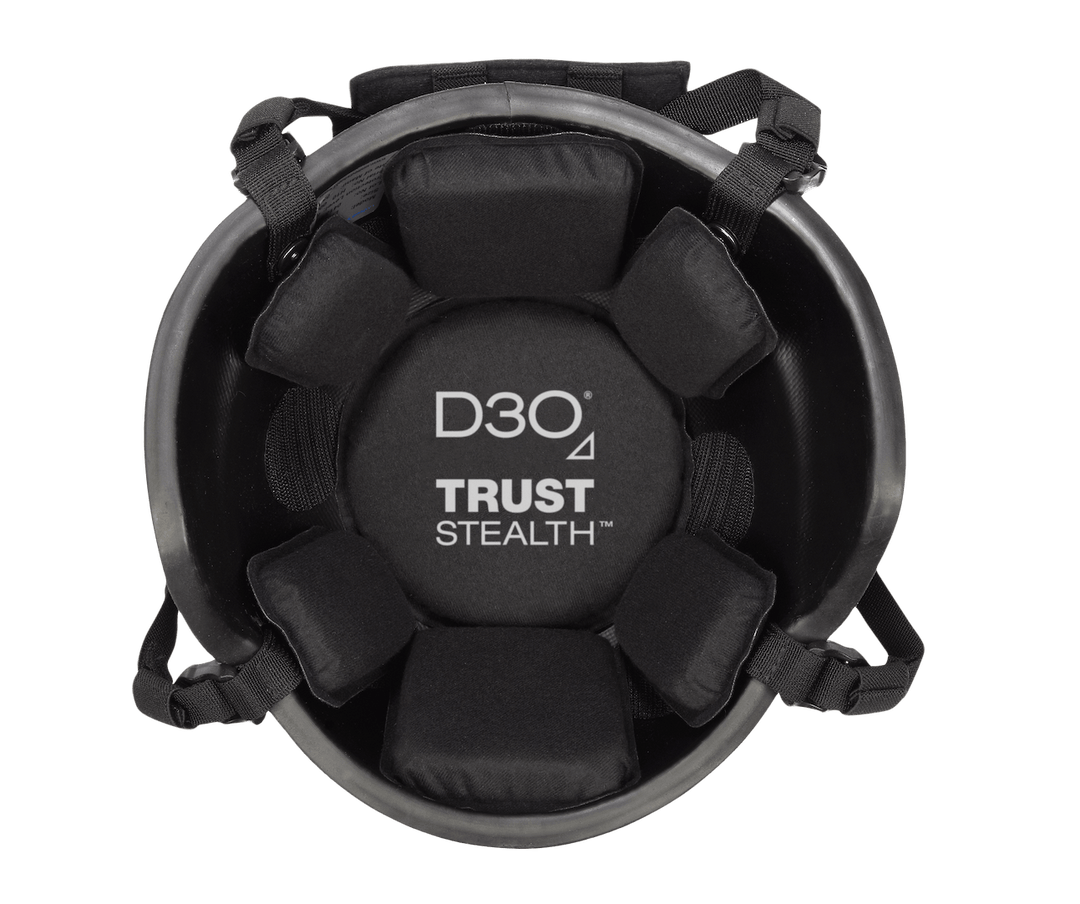
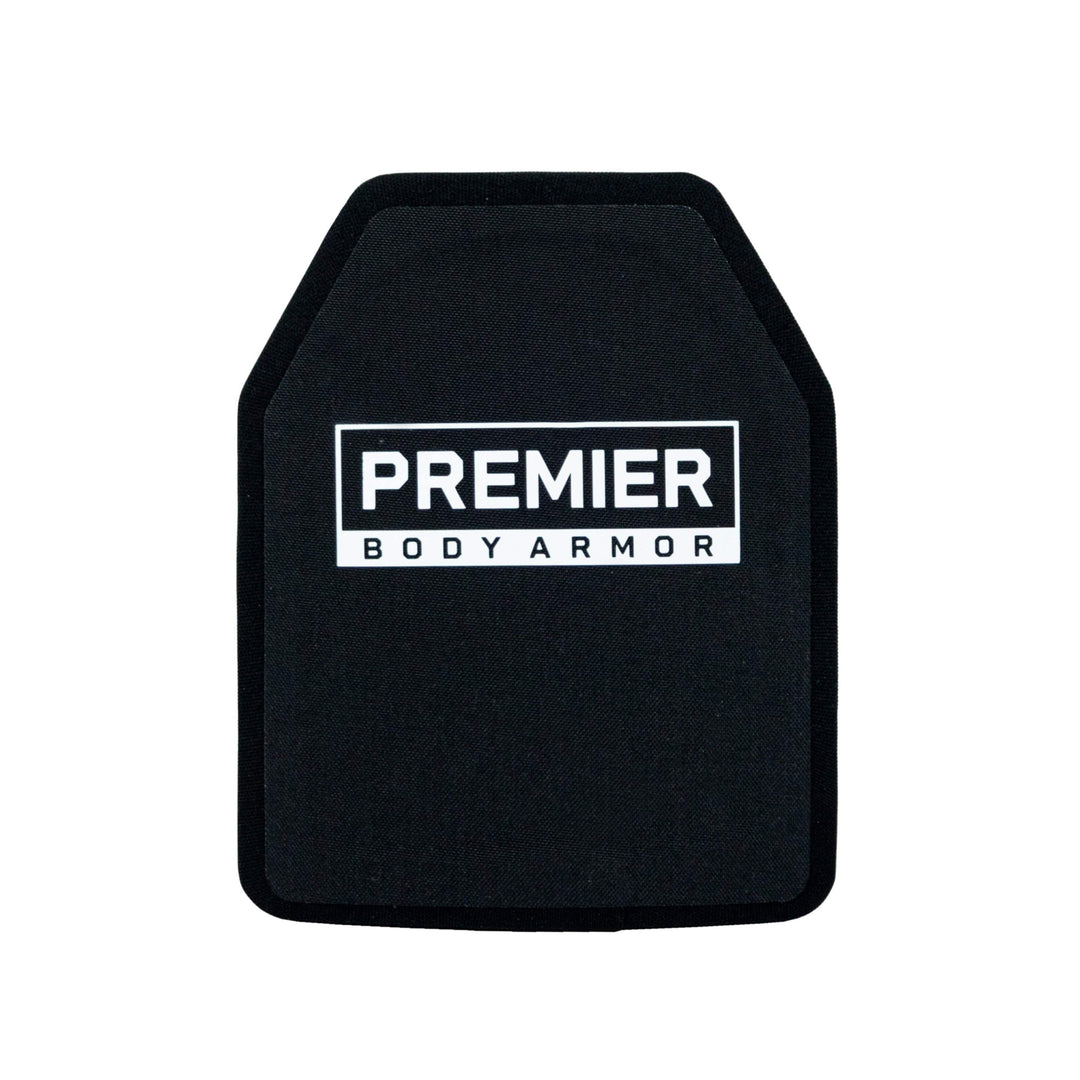
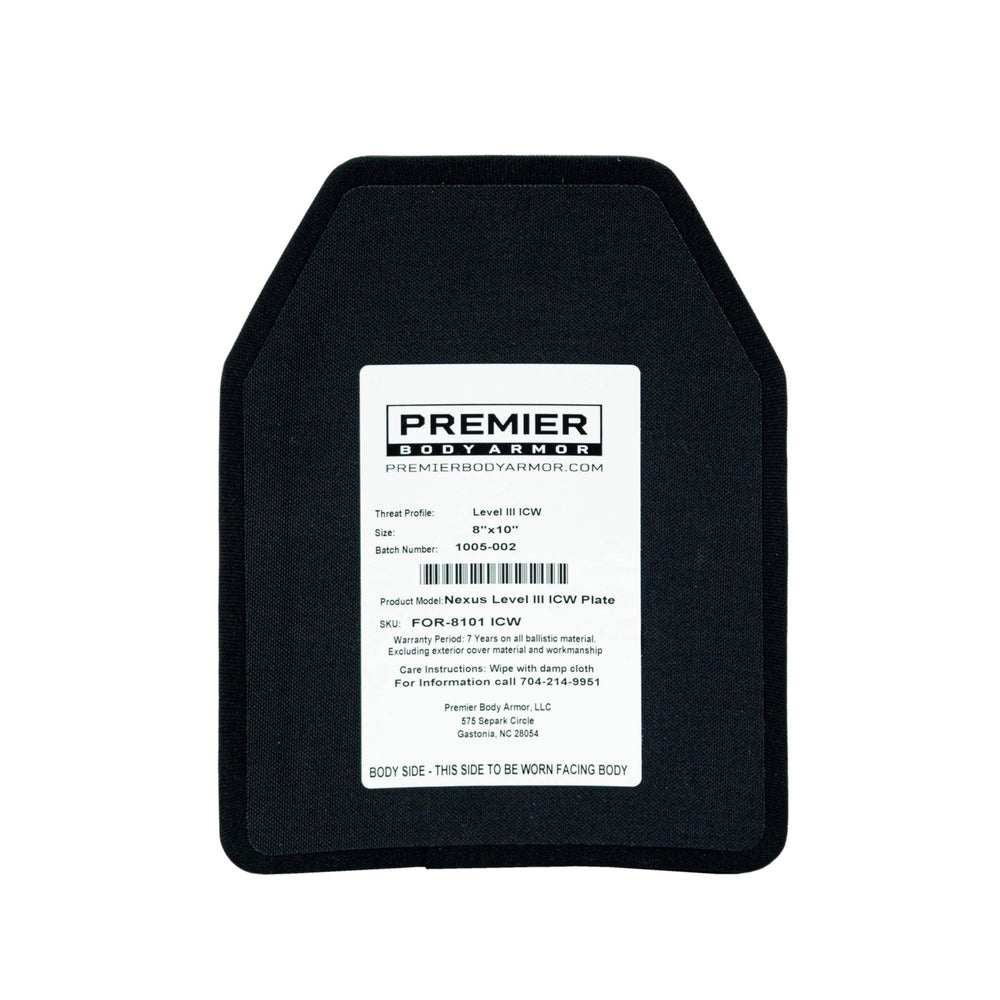
Designed for Fire/Rescue and Rescue Task Force (RTF) deployments, this collection brings together high-visibility vest carriers, scalable armor packages, rifle plates (including Level III ICW solutions that pair with IIIA soft armor), and the Fortis Ballistic Helmet. Every item is selected for rapid on/off, clear identification, and safe operation on dynamic scenes.
What’s included:
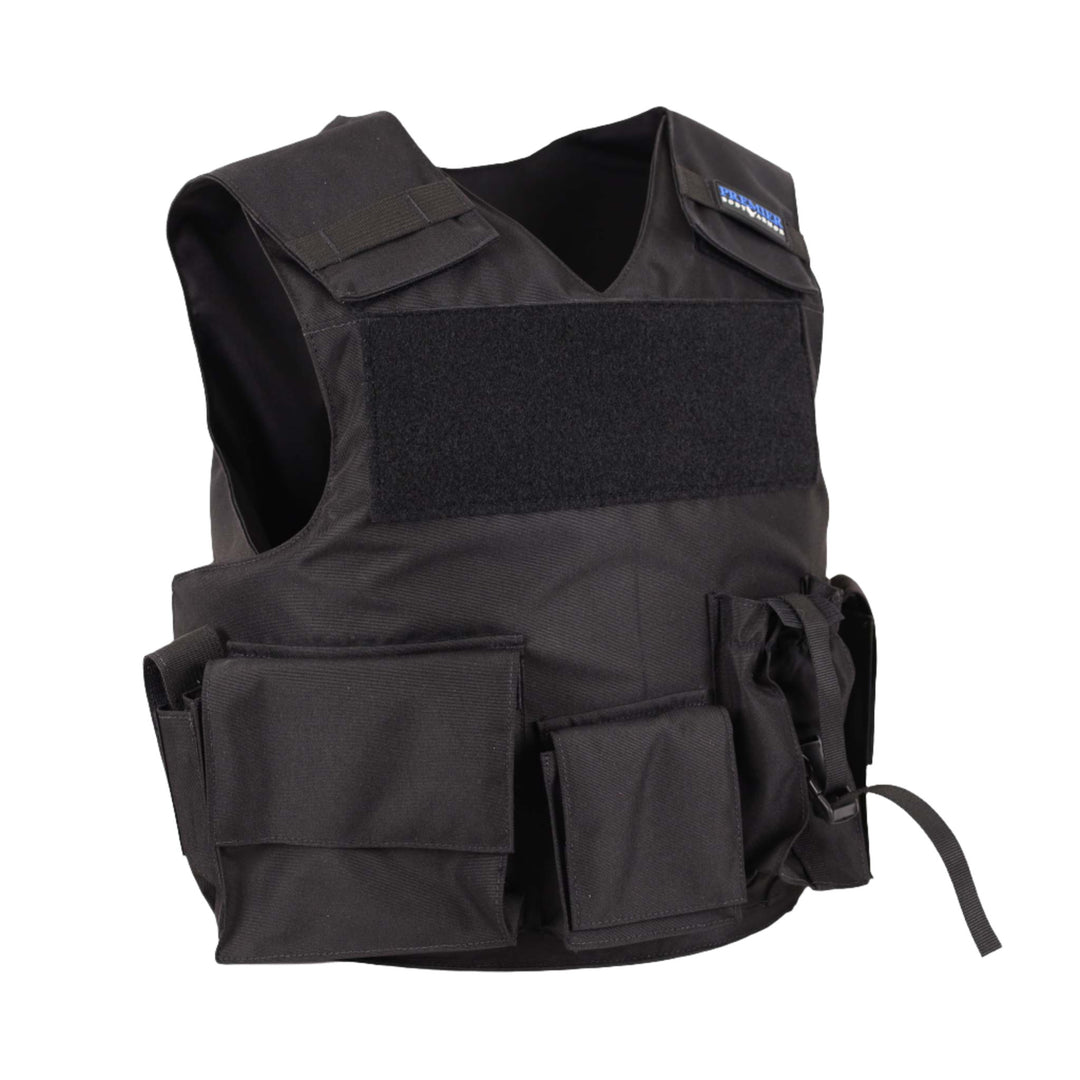
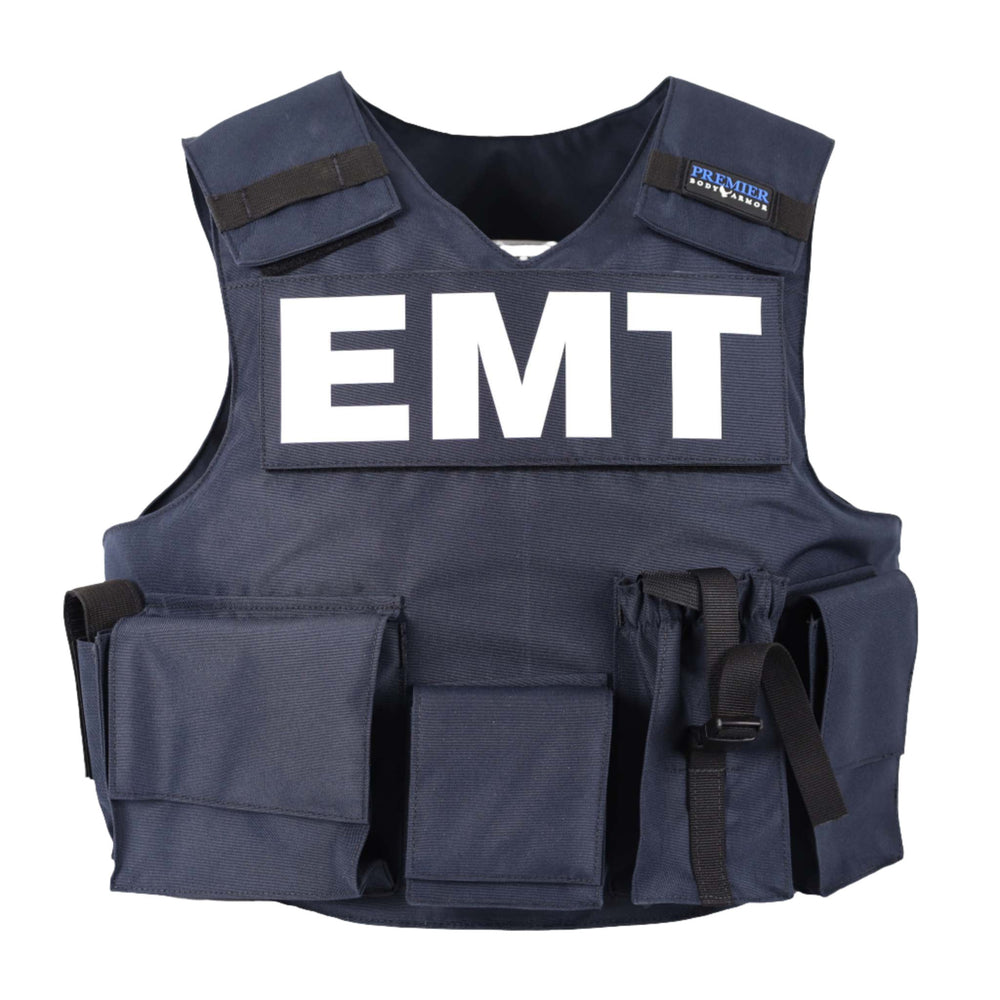
- Firefighter carriers: OSFM or sized outer carriers with 360° reflective tape and large front/rear ID panels; front/back plate pockets for 8×10 or 10×12 plates; soft-armor options where available.
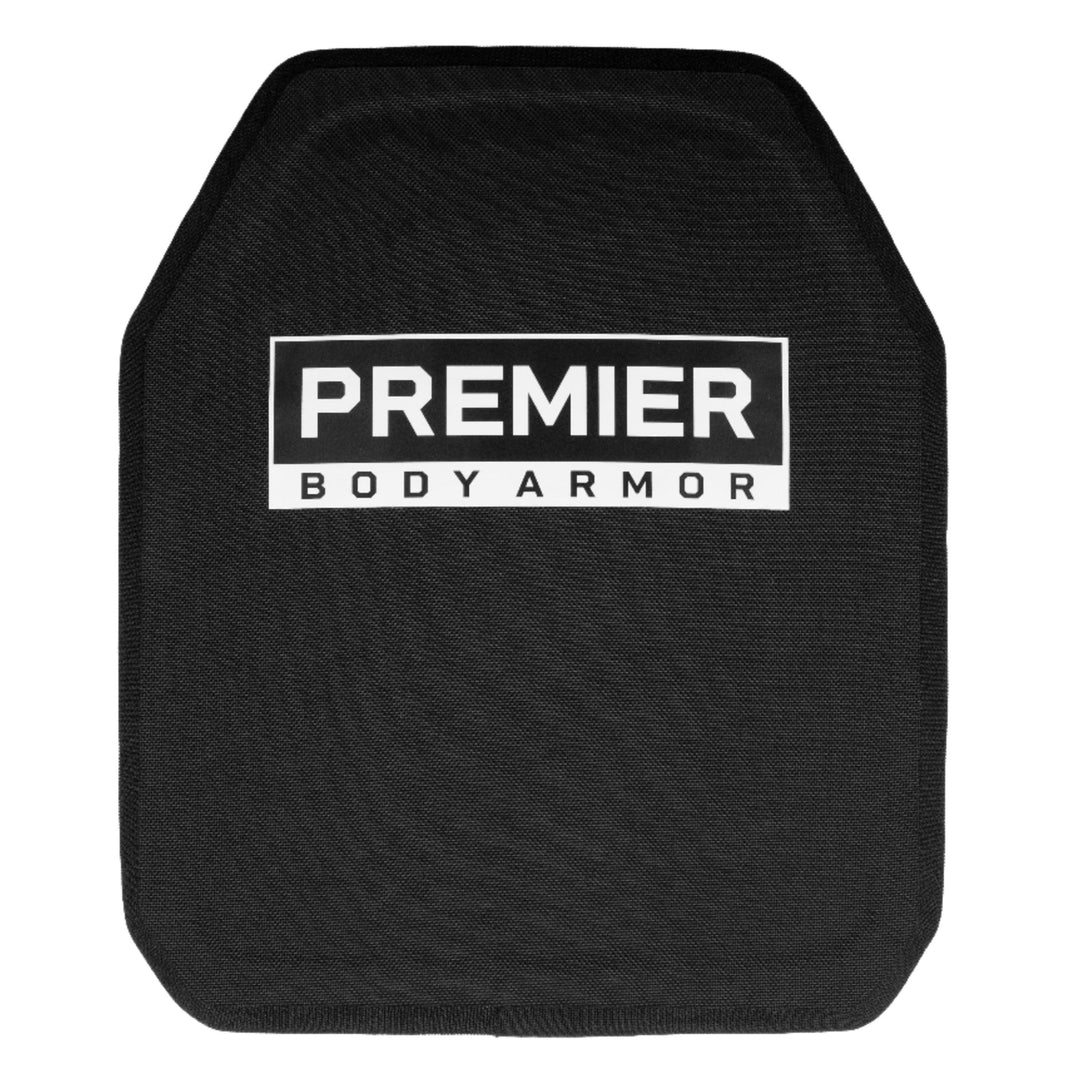
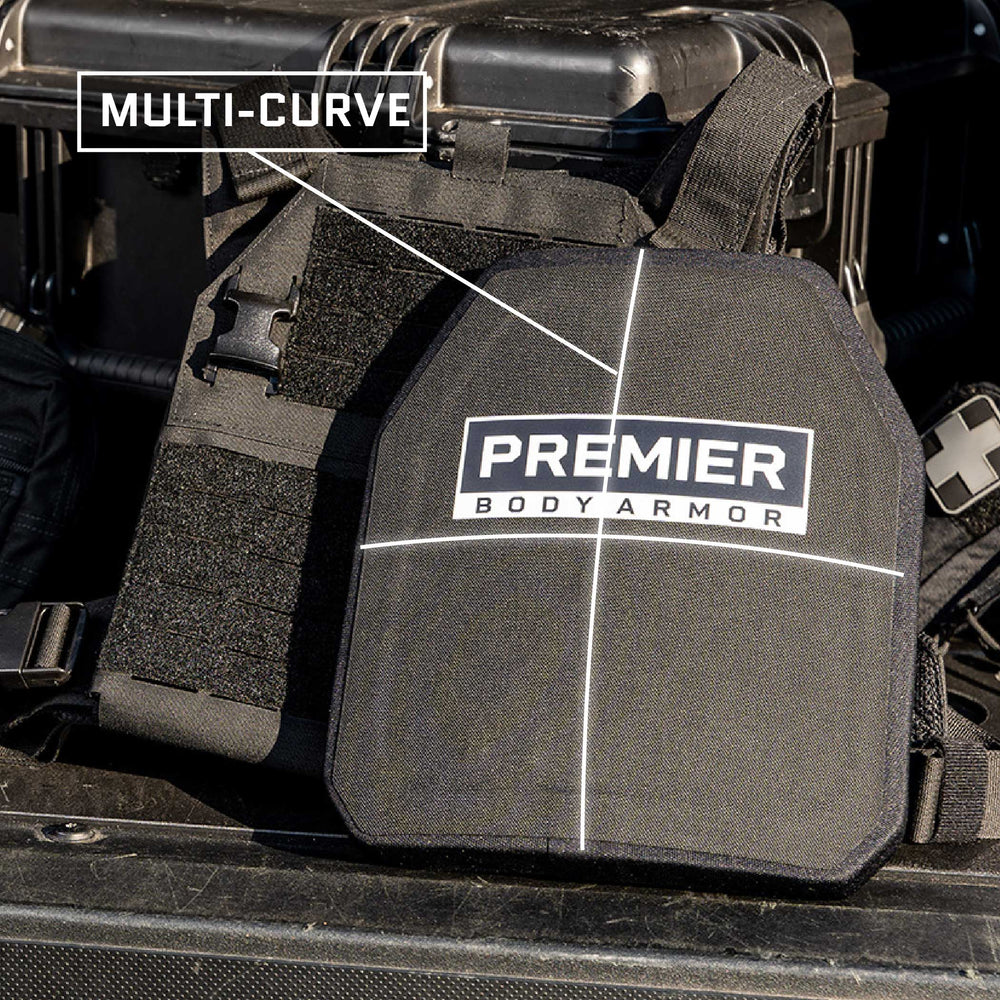
- Rifle plates: patrol and RTF-ready options, including Level III ICW (requires IIIA backer) and other rifle-rated selections in common sizes/cuts.
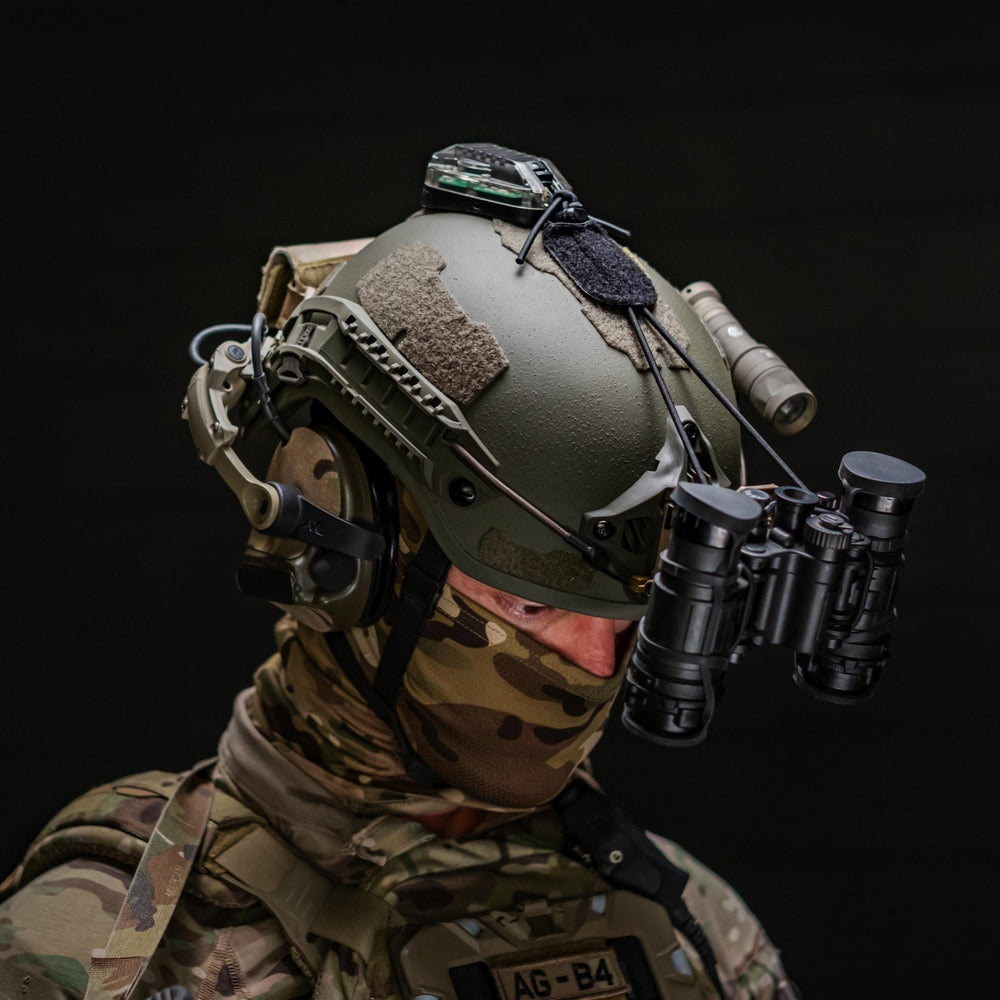
- Fortis Ballistic Helmet: duty-reliable protection with accessory-friendly mounting for lights and comms.
LEOnline™ Procurement Process
- Build your quote - browse products and design the vest you want.
- Instant quote - add items and see your quote as you build it. Submit your quote and verification for bulk discounts
- Efficient sizing - schedule a time that is convenient for your department to size each officer using our state-of-the-art Fit Kit
- 6-week turnaround & fit guarantee - receive your custom vests 6-weeks after you order, all with a fit guarantee.
*Some items are restricted to verified public-safety agencies; USA-made/Berry compliance where noted.
Why Fire & Rescue Teams Use Ballistic Protection
Today’s call volume doesn’t stay neatly inside “fire-only” lanes. When a scene turns volatile, your crew still has multiple jobs to do: assess, stabilize, and move people to safety. A firefighter ballistic vest and other modern fire rescue ballistic gear can help.
Ballistic protection gives your responders another layer of defense when operating in a risk-managed environment, especially when your incident plan includes warm-zone concepts like the Rescue Task Force model, where life-saving care and extraction are performed under law enforcement protection.
Types of Body Armor for Fire & Rescue
Choosing the right fire rescue bulletproof vest setup starts with understanding how your teams operate and what you’re protecting against. Not all fire department body armor is the same. Fire and rescue programs usually focus on handgun threats and fragmentation risk, with mobility, visibility, and rapid donning being three of the most important capabilities.
Most departments lean toward Level IIIA soft armor packages that meet recognized National Institute of Justice (NIJ) ballistic testing standards as a baseline. NIJ certified armor is tested to a standard that sets test methods and minimum performance requirements for each level of protection of body armor.
From there, you can build a program around fire department body armor that fits your operational reality.
Soft Armor for Rapid Response Scenarios
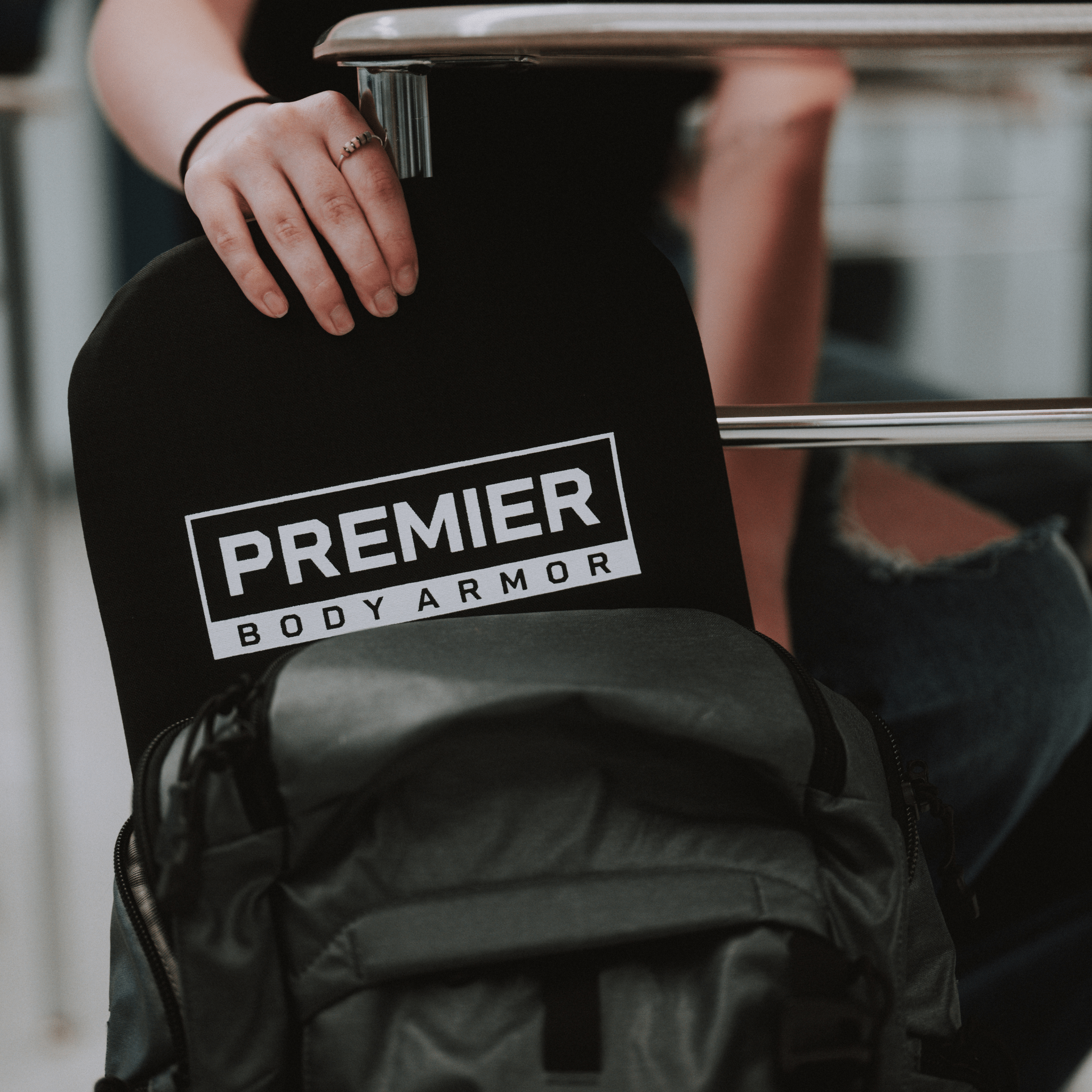
Soft armor is the starting point for most departments because it’s flexible, easier to wear, and faster to don. A level IIIA firefighter vest (commonly called a soft armor vest) is designed for handgun threats and is good when your primary goal is protective coverage without slowing down.
Soft armor works well for rapid response deployments where your crews may need to transition from staging to action fast. A lightweight ballistic vest can be stored with the rest of your high-risk response gear and deployed with clear go/no-go criteria.
When your operational plan includes moving with law enforcement protection in a managed environment, soft armor gives you a “wearable safety margin” without the bulk of full tactical loadouts.
Load-Bearing & External Carriers
Fire and rescue teams don’t need a patrol-style duty vest, but you do need a carrier system that works with your tools, radios, and identification requirements.
An external carrier vest is built for fast on/off, comes with clear markings, and makes gear integration simple. A highly visible carrier with simple adjustment points and enough structure to support essentials (radio, light, small medical kit, identification panels) is a good solution for many departments.
If your department needs a soft armor baseline with the option to add plates for higher threats, an external system can also support that approach, depending on the carrier design and your policy framework. For agencies building an RTF-ready cache, a rescue tactical vest-style carrier helps standardize what personnel wear, where equipment sits, and how quickly the whole team can gear up.
Heat, Mobility & Equipment Integration
Ballistic protection only helps if your people can move, work, and breathe in it. Fire scenes already challenge heat tolerance, range of motion, and endurance, so you need to choose ballistic gear for firefighters with that in mind.
When evaluating fire rescue body armor, consider:
- Mobility: Shoulder design, cut, and torso coverage that won’t fight turnout gear movement patterns.
- Heat management: Breathable carrier materials and realistic wear-times.
- Integration: Space and routing for radios, mics, identification, and basic tools without creating snag hazards.
- Speed: Can your crew get it on easily in a hurry?
Additional Protective Gear for Fire & Rescue Personnel
Body armor is only one piece of the response puzzle. A complete readiness approach means having the right fire rescue gear to support communication, identification, and operational coordination in the face of situations that can evolve very quickly.
If your department works closely with law enforcement on high-risk situations, it’s also worth evaluating LEO/fire rescue equipment categories like helmets, vests, protective accessories, and identification systems, so your responders aren’t improvising under pressure.
Helmets, Gloves & Supplemental PPE
Protective rescue gear choices need to be based on real-world threats. Some departments prioritize ballistic helmets for specific deployments; others focus on carriers, markings, and communications first. Either way, you should define what “minimum deployable PPE” looks like.
Helmets and supplemental PPE protect the head, hands, and critical contact points without limiting awareness or movement. That usually means evaluating weight, sizing adjustability, compatibility with comms, and how quickly teams can get their gear on. If your team is also responsible for correctional facility response or coordinated operations that overlap with detention environments, consider corrections officer gear.
Communication & Identification Equipment
Clear communications and unmistakable identification keep your responders where they’re supposed to be, especially when the scene is evolving quickly. Standardized front/back identifiers reduce cross-agency confusion. Rescue identification gear should include:
- High-visibility identifiers (front/back panels, unit markings, command identifiers)
- Radio carry and mic routing that doesn’t interfere with movement
Procurement Considerations for Fire & Rescue Departments
Ballistic protection programs fail when the procurement process gets bogged down and breaks. Departments get stuck comparing specs that don’t match, chasing paperwork, and trying to size a whole roster with inconsistent results. How do you get around that? A fire department procurement plan should answer:
- What’s your deployment model? Who wears the gear, under what conditions, and for how long?
- Have you standardized the threat level and configuration? Decide what’s issued vs. staged, and what’s optional vs. required.
- Have you built documentation into the process so you can track what was ordered, what was issued, and why it meets your program standard?
If you want to streamline rescue equipment purchasing, especially for multi-unit orders, request a quote today.
Budgeting, Funding & Grants
Budgeting for fire department body armor usually works best when it’s treated like any other lifecycle-based safety equipment purchase: plan issuance, define replacement cycles, and forecast costs across fiscal years.
Some agencies also explore body armor grants for firefighters or regional funding options, especially when ballistic protection is tied to active violence preparedness and multi-agency response planning. As part of your grant application, document your operational justification clearly: what risks you’re addressing, how the program is deployed, and how it supports responder safety.
Documentation, Standards & Compliance
Recordkeeping is a big part of your fire department safety requirements. You’ll need to record what you ordered, how it was issued, and relevant standards related to the gear. If your program ever gets audited internally (or questioned after an incident), your records should show that your ballistic protection program was standardized and professionally managed.
With LEOnline™, we track the order, sizing of each officer, warranty, and replacement dates to streamline this for you.
Why Fire & Rescue Agencies Use LEOnline™
When you’re buying ballistic protection at a departmental scale, the hard part isn’t picking a vest; it’s getting everybody fitted, keeping procurement organized, and then making sure that the final delivery matches what you approved.
That’s why agencies use LEOnline™ as a fire rescue gear procurement advantage. Our platform removes the delays and confusion that slow down department purchasing, complete with instant quotes, hybrid and more efficient sizing, and a fit guarantee, so you can spec what you need and move forward without endless back-and-forth, and all with a 6-week delivery.
Here’s what matters operationally:
- Department-wide sizing that actually works. LEOnline™’s sizing and fitting process is built to reduce the typical “swap-and-chase” problem where gear arrives, and half the team doesn’t fit.
- Faster decision-making. You can build a quote based on standardized configurations and compare options without restarting the process each time.
- Cleaner procurement workflows. A platform approach helps keep approvals, configurations, and quantities organized, especially when you’re purchasing for multiple stations, specialty teams, or regional partners.
The Ballistic Protection Fire and Rescue Teams Need
Ballistic protection for fire and rescue is no longer a niche purchase. When your team has the right fire rescue body armor, the right carrier setup, and a procurement process that doesn’t drag for months, you can provide the responder safety your teams deserve.
Ready to outfit your department with fire rescue ballistic gear and department-ready protective equipment? Request your quote today.