
A plate carrier is a system. The carrier holds your plates in the right place, and the plates provide the protection. This collection gathers plate carriers, armor plates, and a few bundles so you can compare plates and carriers side by side.
Whether you want a plate carrier with plates for a ready-to-go setup or you’re building your plate carrier and plates separately, this collection makes it easy. Open any product to see exact specs and test details, then choose the setup that fits how you train, carry, and live.


31 products


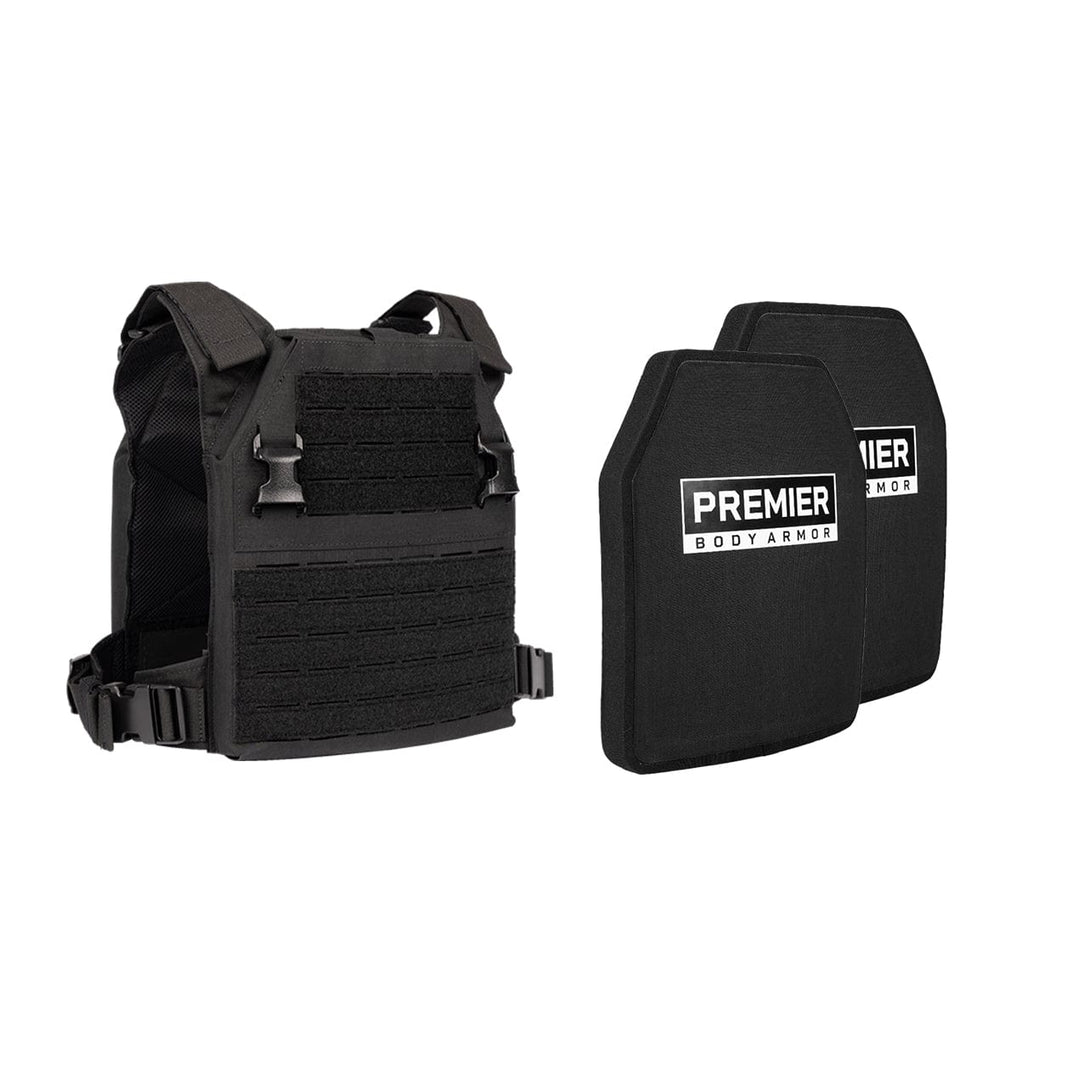
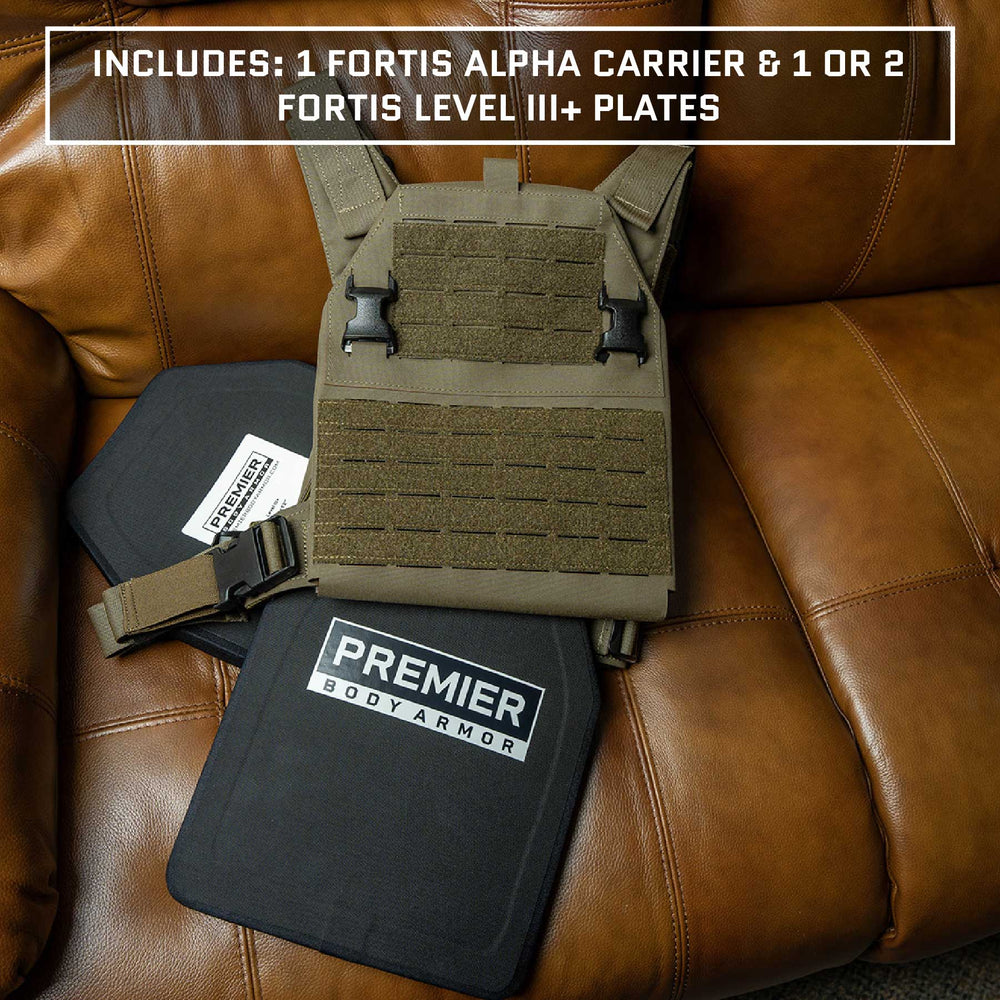
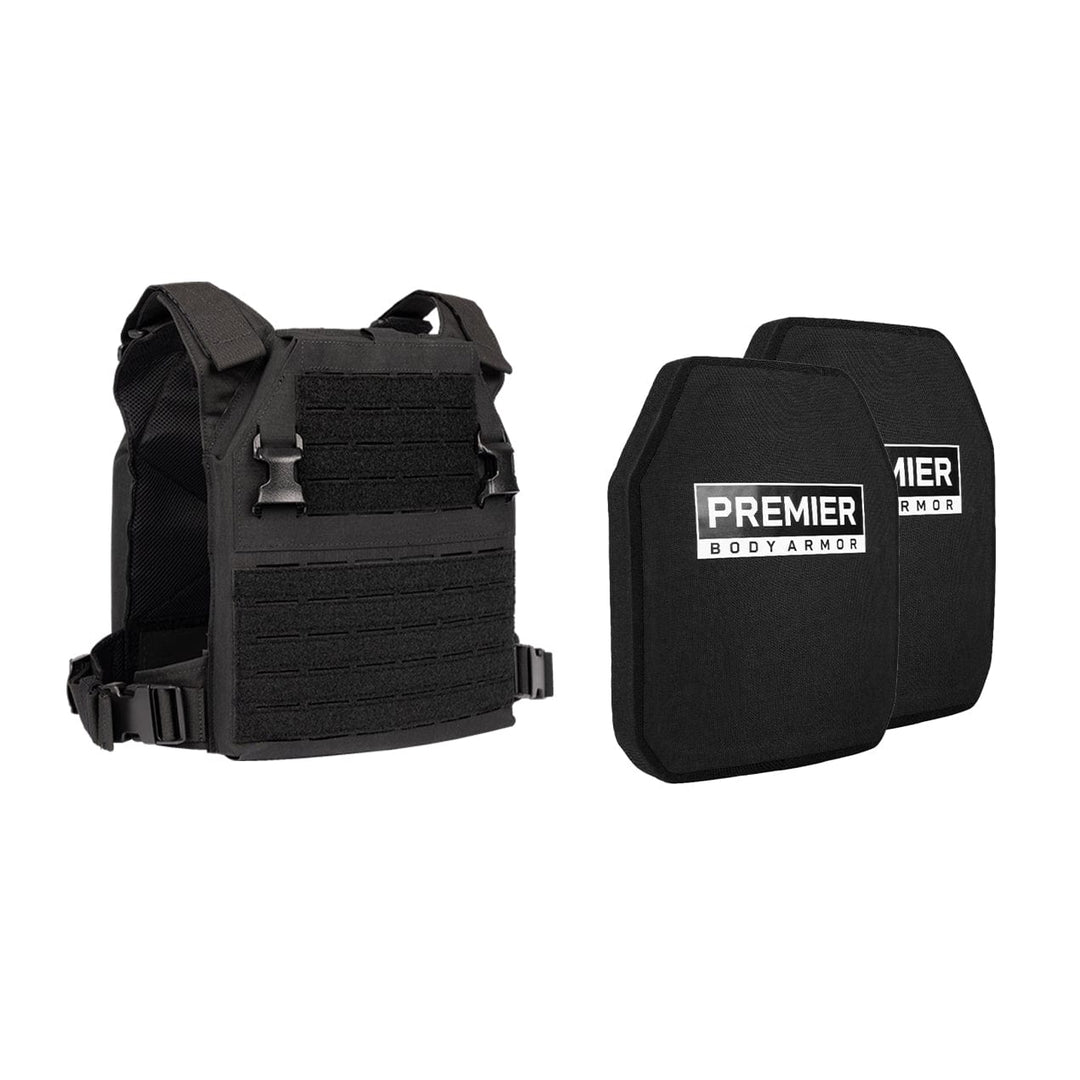
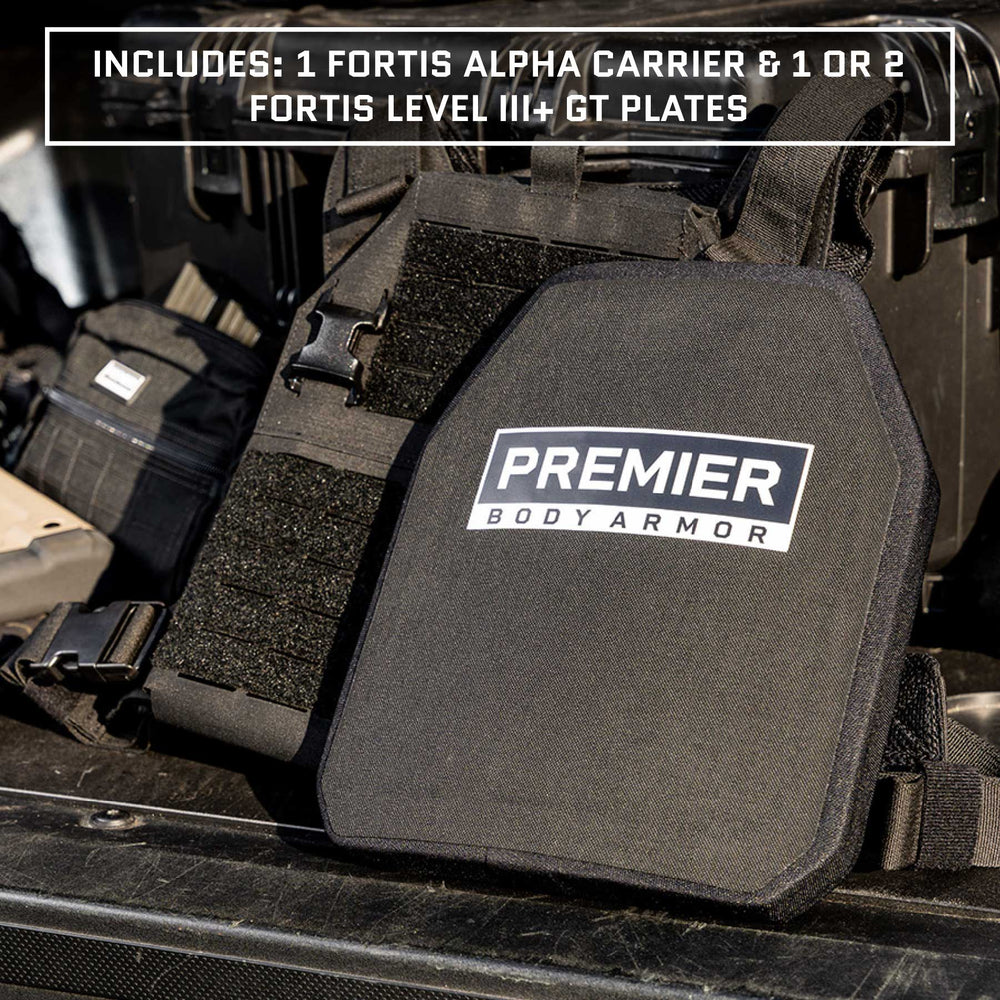
Plate carriers and armor plates: How the system works
It helps to think of a plate carrier as the “holder” and the plates as the “protection.” The carrier’s job is fit, stability, and comfort while you move. The plates are what determine the threat rating, weight, and thickness of the setup. That’s why people researching plate carrier plates often get better results by choosing plates first, then selecting the carrier that fits those plates correctly.
You’ll also see different phrasing used for the same idea, like armor plate carrier, plate carrier and armor, or body armor and plate carrier. In practice, they all point back to the same decision. Choose plates that match your needs, then choose a carrier that fits those plates and your body.
A plate carrier with plates vs buying plates and carriers separately
A plate carrier with plates can be a simple starting point because compatibility is handled for you. It’s also a straightforward way to compare complete setups. Buying plates and carriers separately can make more sense if you’re trying to hit a specific weight, profile, or plate cut.
- Bundles: Useful if you want fewer decisions and a matched setup.
- Mix and match: Useful if you want to choose a specific plate cut, thickness, or level first, then select the carrier around it.
Either path works. The key is confirming plate size, plate cut, and carrier compatibility before you commit.
Fit basics: Plate size, cut, and coverage
Most fit problems come from starting with clothing size instead of plate size. A plate carrier should be sized to the plate, not to your T-shirt. Choose the plate size and cut that provide appropriate coverage, then pick a carrier designed for that plate size and shape. Common cuts like shooter cut and SAPI change shoulder mobility and how the plate sits in the carrier.
If you’re comparing a military plate carrier with plates setup versus a slick plate carrier setup, look at how much adjustment range the carrier offers and how it rides when you bend, reach, and shoulder a rifle. If comfort is a priority, pay attention to plate thickness and overall weight first.
NIJ level quick reference and common test threats
Many shoppers start by asking “what level do I need.” A better question is “what threats is this level tested against.” Below is a simplified reference based on NIJ Standard 0101.07. To learn more about body armor ratings, read our article about the differences between the old 06 standard and the new 07 armor standard.
| NIJ threat level | Common test threats | Quick reference |
|---|---|---|
| HG2 (formerly Level IIIA) |
9mm Luger FMJ RN 124 gr. .44 Mag JHP 240 gr |
Handgun threats. Not rifle rated. |
| RF1 (formerly Level III) |
7.62x51mm M80 Ball 7.62x39mm MSC 5.56mm M193 |
Baseline rifle protection. A common training and general-purpose choice. |
| RF2 (intermediate rifle) | RF1 threats, plus 5.56mm M855 | Added coverage for common 5.56 threats beyond RF1. |
| RF3 (formerly Level IV) | 30.06 M2 AP | Highest rifle threat level. Heavier and thicker in many designs. |
Note: If a plate is ICW (in conjunction with), it will be called out in the product title and should be used with a compatible Level IIIA soft armor vest to meet the threat level standard. Most plates here are stand-alone. Special threat options, like the Hesco L211, are best compared by the specific test rounds listed for that model.
Learn more about the difference between Level III and Level IIIA plates.
How to compare plate carriers without overthinking it
If you’re researching the best plate carriers, focus on what changes real-world wearability. Fit, plate compatibility, and comfort come first. Then look at profile and intended use. A lightweight plate carrier setup usually depends more on the plates you choose than the carrier itself.
You’ll also see style-based searches like multicam plate carrier with plates or a black plate carrier. Color matters, but it’s last on the list. Confirm size, cut, and comfort first, then filter by finish once you’ve narrowed to the setups that actually fit.
Plates and Plate Carrier FAQs
A plate carrier is a carrier designed to hold hard armor plates. The plates provide the ballistic protection. The carrier’s job is to keep the plates positioned correctly and comfortable while you move.
A plate carrier without plates is just a carrier. It does not provide rifle-rated protection on its own. It can still be used to organize gear, but won't offer ballistic protection.
The size of the carrier you need will depend on your body measurements and the size of the armor plates you plan to use. It is important to measure your chest, waist, and hips to ensure you get the right fit. You may also want to try on different models to see which one feels most comfortable for you.
No. Plate size, plate cut, and sometimes thickness matter. Always check the carrier’s plate compatibility and match it to the plate’s size and cut.
Stand-alone plates are intended to meet their rating without a soft armor backer. ICW plates are intended to be used with a backer to perform as intended, usually for backface deformation and trauma mitigation. If a plate is ICW, it should be labeled in the product title or details.
“Special threat” generally means the plate is designed around a specific threat set rather than fitting neatly into a single level label. Compare special threat plates by the exact test rounds listed for that model.
Start with plates. Plate weight and thickness drive comfort as much as the carrier does. Once you choose plates, pick a carrier that fits them correctly and provides enough adjustment for a secure fit.