




Range Bag Essentials: Must-Have Gear for Your Next Range Day
Heading to the range is more than just a fun day out. This is an opportunity to sharpen your skills, test your equipment, and build confidence with your firearm of choice. However, without the right setup, a range day can quickly turn into a frustrating experience.
That’s where having a well-packed range bag comes in. A good range bag helps keep you organized and makes sure that you’ve got everything you need for each trip without bogging you down with too many extras.
Knowing what to bring to the shooting range, how to organize it, and which gear really matters helps you focus on what’s important: training safely and effectively.
In this guide, you’ll learn everything you need to know about gun range bag essentials, from choosing the right bag to packing it like an expert. Whether you’re new to shooting or a seasoned marksman, these tips will help you build a system that keeps your gear organized and ready to hand.
Range Bag Essentials At a Glance
- Eye and ear protection: ANSI Z87.1-rated eye protection plus quality muffs or plugs, with a backup set so you never miss a range session.
- Ammunition and magazines: Enough ammo for your planned drills plus extra, with loaded spare mags stored together for fast reloads and smooth reps.
- Targets and marking supplies: Paper or steel targets as allowed by the range, plus tape or a marker so you can track hits and progress clearly.
- Tools and maintenance kit: Bore snake, lube, multitool, and a small driver set so you can clear fouling, tighten hardware, and keep guns running safely.
- First aid and trauma kit: Bandages, antiseptic, gauze, and vetted trauma items like a tourniquet or pressure dressing, with training on how to use them.
- Comfort and personal items: Water, snacks, gloves, and weather gear such as hat, sunscreen, or bug spray to stay focused and comfortable on long days.
- Optional performance add-ons: Shot timer, chronograph, chamber flags, spare parts, and binoculars to support safer handling and more structured training.
How Do You Choose the Right Range Bag?
Your range day begins with one decision: which range bag is right for you? There’s no one-size-fits-all answer to that question, though.
A good bag does more than just give you storage capabilities. Your decision should hinge on things like function, durability, and organization. The best range bag features combine rugged materials, an intelligent layout, and adaptable compartments that fit your specific gear setup.
In other words, the right range bag should fit your needs but be flexible enough to reconfigure when those needs change.
Look for a bag that can handle weight without losing structure. Reinforced stitching, padded straps, and weather-resistant fabrics are all must-haves in this equation. You’ll also want compartments for your firearms, ammo, ear and eye protection, and smaller accessories like tools, targets, or a cleaning kit.
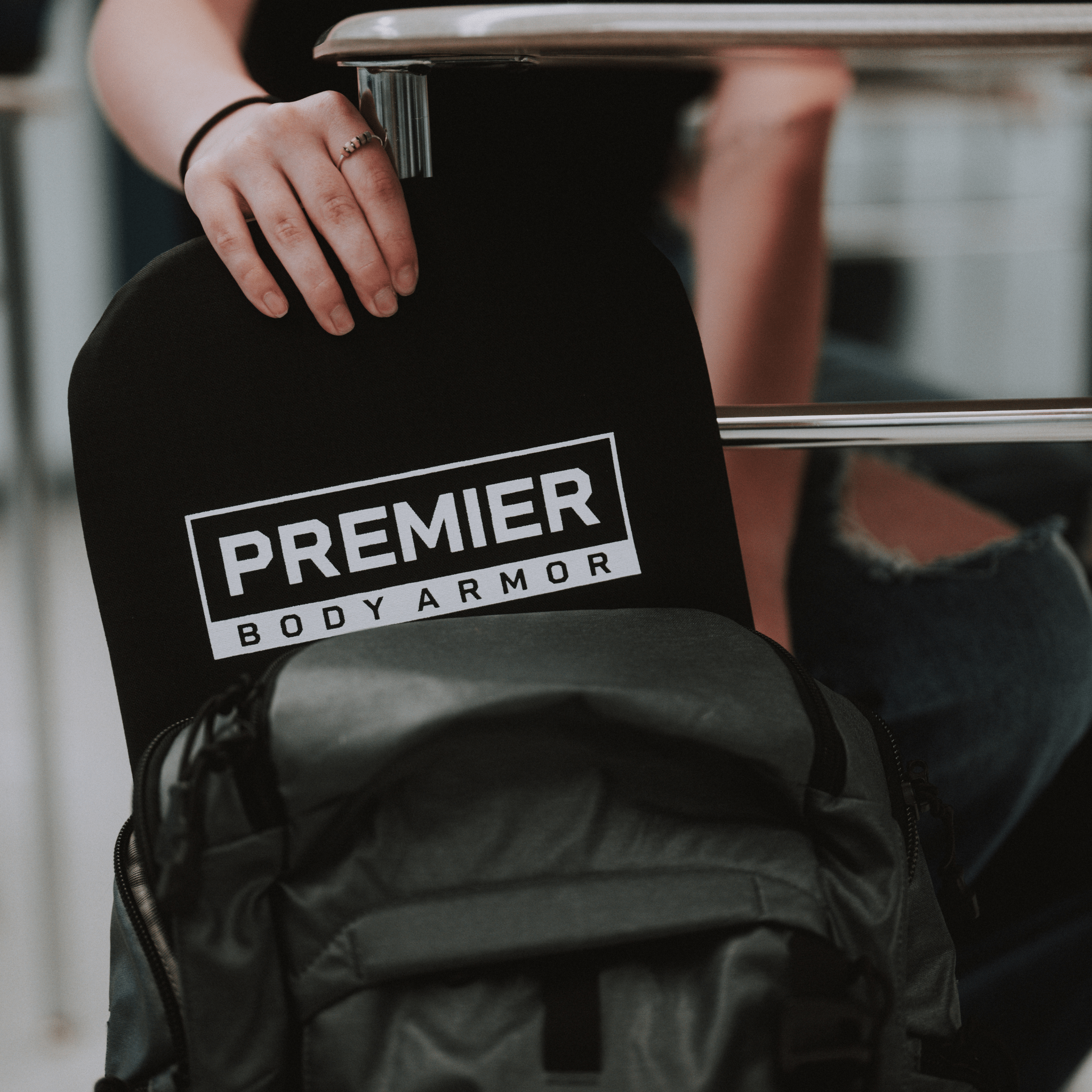
Premier Body Armor offers excellent examples of this type of versatility.
- The Armored Vertx® Gamut Series pairs sleek design with built-in ballistic protection, ideal if you’re carrying firearms or valuable equipment.
- For a smaller, more agile option, the Armored Vertx® Ghost Pack Bundle delivers low-profile protection without sacrificing space.
Not sure which setup fits your shooting style best? Check out our guide on finding the right Vertx bag for you. It’s a great place to compare features and find the right combination of comfort, organization, capability, and safety.
Range Bag Essentials Checklist: Seven Must-Have Items to Pack
Once you’ve got the right bag, it’s time to fill it with the gear you’ll need at the range (and possibly after, depending on your care and cleaning habits). Once again, there’s no single list of items that will always fit everyone’s immediate needs. Your range bag essentials list should be tailored to your firearm type, training goals, and the range’s specific requirements. That said, there are a few universal items that every shooter should carry.
A Quick Note on Safe Handling and Transport
Any time a firearm is going into or coming out of your range bag, treat it as loaded until you personally verify otherwise. Laws on transporting firearms and ammunition vary by state and locality. If you are unsure what is legal in your area, check your state statutes or talk with your range or instructor.
Here’s a complete rundown of what should be in your gun range bag contents, organized for convenience and preparedness. Keep in mind, this list assumes a typical civilian handgun range day. Rifle or outdoor sessions may require a slightly different setup.
1. Safety Gear Is a Gun Range Necessity (Eye & Ear Protection)
Before you load a single magazine, make sure your shooting safety gear is packed and ready. You should always have reliable eye protection (that means impact-rated glasses or goggles that meet ANSI Z87.1 safety standards) and good ear protection, whether you prefer electronic muffs or foam plugs.
Having backups is a good idea, too. It’s easy to forget earplugs or misplace your shooting glasses, and a spare set keeps you covered. Remember, safety gear isn’t optional. This stuff is the base layer for every responsible range visit.
2. Ammunition & Magazines
Next up: ammo. Bring more ammunition than you think you’ll need, especially if you’re training with multiple firearms or calibers. Keep it separated by type and labeled to avoid confusion.
Extra spare magazines save time between drills and help maintain rhythm during your session. Store them in a dedicated pouch or compartment so they’re easy to access and reload efficiently. The right range bag gear setup makes sure that your ammo and mags are secure and within reach.
3. Targets & Marking Supplies Are Key in Your Range Bag
Bringing your own targets gives you control over your training. Pack a mix of paper, steel, or reactive options depending on the range rules and setup. If you’re using paper, consider a portable target stand that’s easy to set up and transport.
Make sure that you include markers, adhesive dots, or tape to cover bullet holes between drills. It’s a simple habit that keeps your targets clean and your performance easy to track (it’s really difficult to tell your accuracy if you don’t). These marking supplies are lightweight but essential, so never head to the range without them.
4. Tools & Maintenance Kit
Your firearms need care, even in the middle of a session. A compact cleaning kit and gun maintenance tools are really important when something doesn’t feel right. Include a bore snake, lubricant, multitool, and small screwdriver set.
Confirm the firearm is unloaded and safe before doing any maintenance, and always follow manufacturer instructions for in-field cleaning or adjustments.
It’s amazing how often a loose sight or minor malfunction can interrupt your day. Having the right tools on hand lets you make quick fixes without leaving the range. That also plays directly into both accuracy and safety on the range.
5. A First Aid Kit Should Be in Every Range Bag
Even the most experienced shooters know that accidents can happen. That’s why a first aid kit or trauma kit is one of the most important additions to any range bag. Pack supplies for minor injuries (think bandages, antiseptic wipes, gauze, etc.), as well as trauma essentials like a tourniquet or pressure dressing. A first aid or trauma kit does not replace medical training or calling EMS, but you should never go without a first aid kit.
If your range lets you, keep a small trauma kit in an easily accessible pocket. You might never need it, but if you do, it can make a world of difference in the case of an accident.
6. Comfort & Personal Items
Shooting sessions can last hours, so don’t overlook comfort. That plays a role in your endurance and shooting accuracy, too, so it’s not just about creature comforts. Pack water to stay hydrated and a few snacks to keep up your energy. Add gloves for comfort and better grip, especially in colder or wetter conditions (if your range is outdoors).
Depending on the weather, sunscreen, bug spray, or a hat might also earn a spot in your bag. Small touches like these make long training days far more enjoyable.
7. Optional Extras (Nice-to-Have Gear)
Once you’ve covered the basics, consider a few extras that can take your range time up a notch. A shot timer helps track draw speed and improve consistency. A chronograph gives you velocity data for precise reloading or performance analysis.
Keep spare parts, binoculars, and chamber flags handy, too. They’re lightweight, easy to store, take up relatively little room in your range bag, and often come in handy. These optional items round out your setup and make you ready for any kind of training day.
Note: some ranges now require chamber flags when firearms are benched or transported. Be sure to check your local range guidelines.
How to Set Up and Organize Your Range Bag in 5 Simple Steps
How to set up a range bag correctly goes beyond what you bring. The big question when it comes to accessibility and usability is how you organize it. A good range bag setup saves time, protects your gear, keeps everything accessible, and helps you focus on the task at hand.
Here’s how to build a system that works for you, using five simple steps that’ll keep your equipment organized and easy to manage.
Step 1: Assess and Prioritize Your Gear
Before you start loading your bag, take a second to think about what you’ll actually need. Prioritize your range bag essentials like firearms, ammo, and protection gear, then move to extras like tools or targets.
Skip any unnecessary items that add bulk or weight. Keeping things minimal helps you move efficiently and reduces the chance of forgetting something important.
Step 2: Categorize by Function
Once you’ve got your gear sorted, group similar items together. Keep gun range bag contents organized by function. Put your ammo in one section, safety gear in another, and keep the tools and cleaning supplies in their own compartment.
This kind of range bag list organization makes it easier to find things quickly and prevents clutter. Many shooters find it helpful to use color-coded pouches or small labeled containers to keep categories clear.
Step 3: Use Compartments and Pouches Wisely
Modern range bags come loaded with pockets, loops, and panels for customization. Take full advantage of them. Using MOLLE (Modular Lightweight Load-carrying Equipment) webbing lets you attach or rearrange gear exactly where you need it. An admin pouch can also offer additional storage and organization.
If you’re new to the system, this guide to MOLLE breaks down how it works and why it’s so effective for tactical organization. You can even expand your storage options with accessories like the MOLLE Adaptor Panel Double, which is good for adding extra pouches or securing tools on the outside of your bag.
Your range bag should feel like a personalized workspace. Everything has its place, and everything is easy to reach.
Step 4: Keep Frequently Used Items Accessible
When you’re in the middle of a drill, you don’t want to dig through your bag for ear protection or magazines. In your range bag set up, keep your most-used gear near the top or in external pockets.
This is especially important for gun range bags that see frequent use. Items like your eye and ear protectors, tools, and extra mags should be quick to grab, saving time during training.
Step 5: Review and Update Regularly
Over time, how you set up a range bag will evolve. It’s natural. Make a habit of checking your gear after each range session. Replace what’s worn out or about to be, restock supplies, and remove anything you didn’t use.
This step makes sure that your bag stays relevant and ready. Whether you’re adjusting for new firearms, switching ammo types, swapping out EDC items, or upgrading shooting range gear, a quick review keeps you efficient and organized for the next outing.
Maintaining Your Range Bag
A well-packed bag won’t stay that way on its own. Regular range bag maintenance keeps your equipment in good shape and prevents unnecessary wear or damage.
- Empty your bag after each range trip to clean out debris and check for moisture, especially if you’ve been outside.
- Wipe down your gear, restock consumables like targets or wipes, and inspect your bag for signs of stress or tearing.
- If you’re using an armored bag like the Vertx bundles, follow the manufacturer’s care instructions for ballistic panels.
A little attention after each session helps make sure that your bag lasts for years and is always ready for the next range day preparation.
Bonus tip: Make your range bag a dedicated range bag. It is a good idea not to travel on a plane with a bag you have used on the range.
TSA sometimes uses a swab test called Explosives Trace Detection (ETD). They will wipe a handle, zipper, shoe, laptop, or the bag itself with a small pad and run it through a machine that checks for trace chemicals associated with explosives. TSA openly lists this as one of the screening tools they use.
A range bag can pick up residue over time, especially after indoor range trips, and that can lead to extra screening if your bag gets swabbed. TSA does not publish stats on how often this happens, but ETD alarms generally mean more screening while they sort it out.
The bigger problem is the simplest one: stray rounds. One loose cartridge hiding in a pocket can turn a normal travel day into a serious hassle (speaking from experience). Keep one bag for the range and one for travel, and before you fly, empty every pocket and unzip every compartment.
Staying Prepared for Every Range Trip
Having the right range bag essentials does help with convenience, but it goes deeper than that. It’s really more related to building confidence. When your gear is organized, you’ve got everything you’ll need, your equipment is easily accessible, and your setup is dialed in, every trip to the range feels smoother and more productive.
Your gun range bag contents represent your readiness as a shooter. Keeping them clean, updated, and accessible makes certain that you’re always prepared to train safely and efficiently.
Get the Most Out of Every Trip to the Range
The range is where skills are built, habits are reinforced, and your confidence grows. With the right shooting range bag essentials on hand (and the right bag to begin with), you’ll spend less time searching for gear and more time improving your performance.
Your range bag holds everything you need to make the most of your time on the line. With the right gear, solid organization, and an eye toward adjusting what you carry based on what you use regularly, you’ll always be ready to perform your best.
Gear up for your next range day with confidence. Explore more body armor guides and products from Premier Body Armor designed to help you stay organized, prepared, and protected. Pack smart, stay safe, and make every range day your best one yet.
Range Bag FAQs
What is a range bag, and why do I need one?
A range bag is a dedicated bag for hauling your firearms, ammo, safety gear, and support equipment to and from the range. Instead of tossing gear into random backpacks or truck seats, a purpose-built range bag keeps everything organized, protected, and easy to grab when you need it. That cuts down on forgotten items, wasted time, and unsafe clutter around the firing line.
What should a beginner pack in a range bag?
If you are new to the range, start with the basics. eye and ear protection, enough ammo for your planned drills, a couple of spare magazines, simple paper targets and tape or pasters, a small tools and cleaning kit, and a first aid or trauma kit. Add water, snacks, and any weather-related items you need for comfort. As you gain experience, you can layer in extras like a shot timer, chronograph, or dedicated organizers and pouches.
Is it okay to leave ammo and loaded magazines in my range bag between trips?
Many shooters leave boxed ammo and loaded magazines stored in or near their range bag, but it is important to follow local laws and safe storage practices in your area. Keep live ammo separate from any firearms that are in long-term storage, and store everything in a cool, dry place away from kids and unauthorized access. When in doubt, follow the manufacturer’s guidance and your range or instructor’s recommendations for long-term ammo and gear storage.


Leave a comment