
Whether you’re outfitting a single unit or standardizing across an entire law enforcement agency, the right police gear is mission-critical. The goal is simple: sourcing reliable law enforcement gear that fits correctly, works when it counts, and meets your police equipment requirements without making the procurement cycle any longer than it has to be. Let's look at what matters most when sourcing law enforcement equipment for real-world duty use.












Key Procurement Criteria for Police & LEO Gear
Police gear procurement starts with:
- What standards do you need to meet?
- What threats are you planning for?
- What will your officers actually wear and use every shift?
Procurement teams usually have a lot of things to balance when ordering gear. That includes considerations like gear durability, order lead times, and suitability of gear across different roles. It also includes vendor accountability, because failures in the field aren’t acceptable.
As you compare police gear requirements, verifiable performance (certifications and documented test standards) needs to be a priority, as does consistent sizing/fit support, and gear that can adapt to different use cases. Your law enforcement gear standards should reflect how the gear is deployed, stored, worn, and maintained on real calls.
Core Categories of Police Equipment
Most agencies can organize police equipment purchases into a few specific categories, which helps standardize your decision-making (and kits). This is the baseline of law enforcement gear planning. After that, layer in specialized items for tactical teams, as well as high-risk warrant service, event security, and multi-agency response.
For procurement, it helps to consider what every patrol officer needs regularly and what gets staged for specific missions. Build your standard issue list first, then work on optional add-ons, like armor plates, by assignment so you can quote, size, and deploy consistently.
At a high level, police officer gear and equipment usually includes:
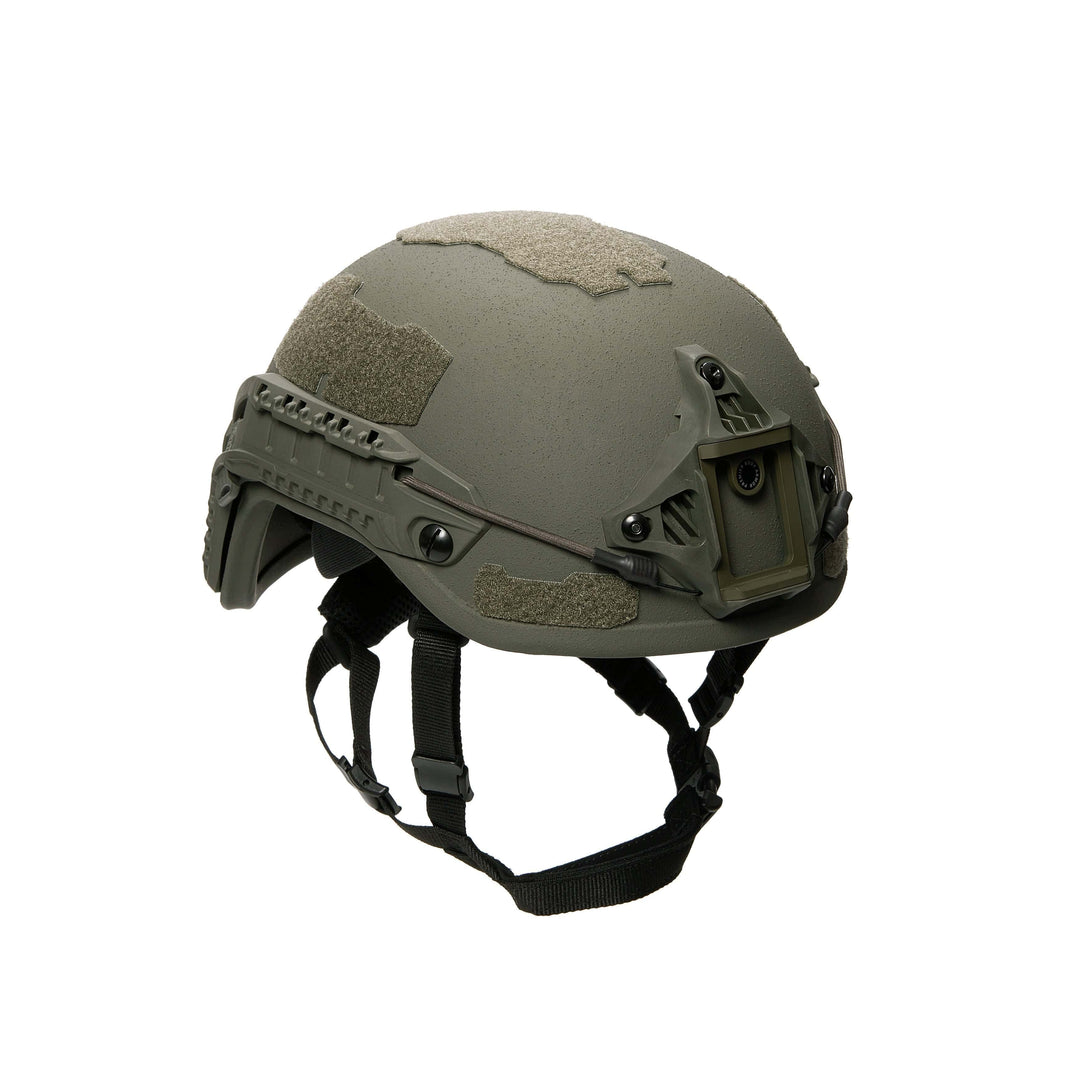
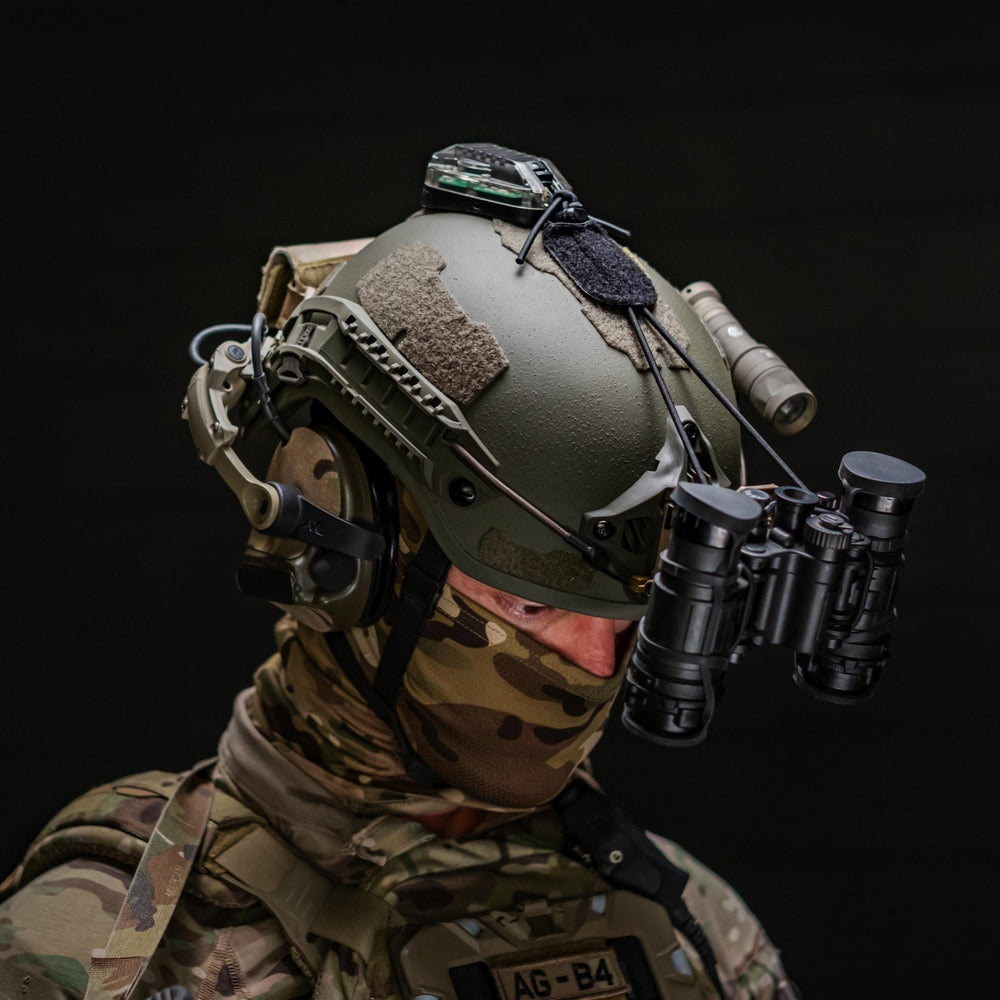
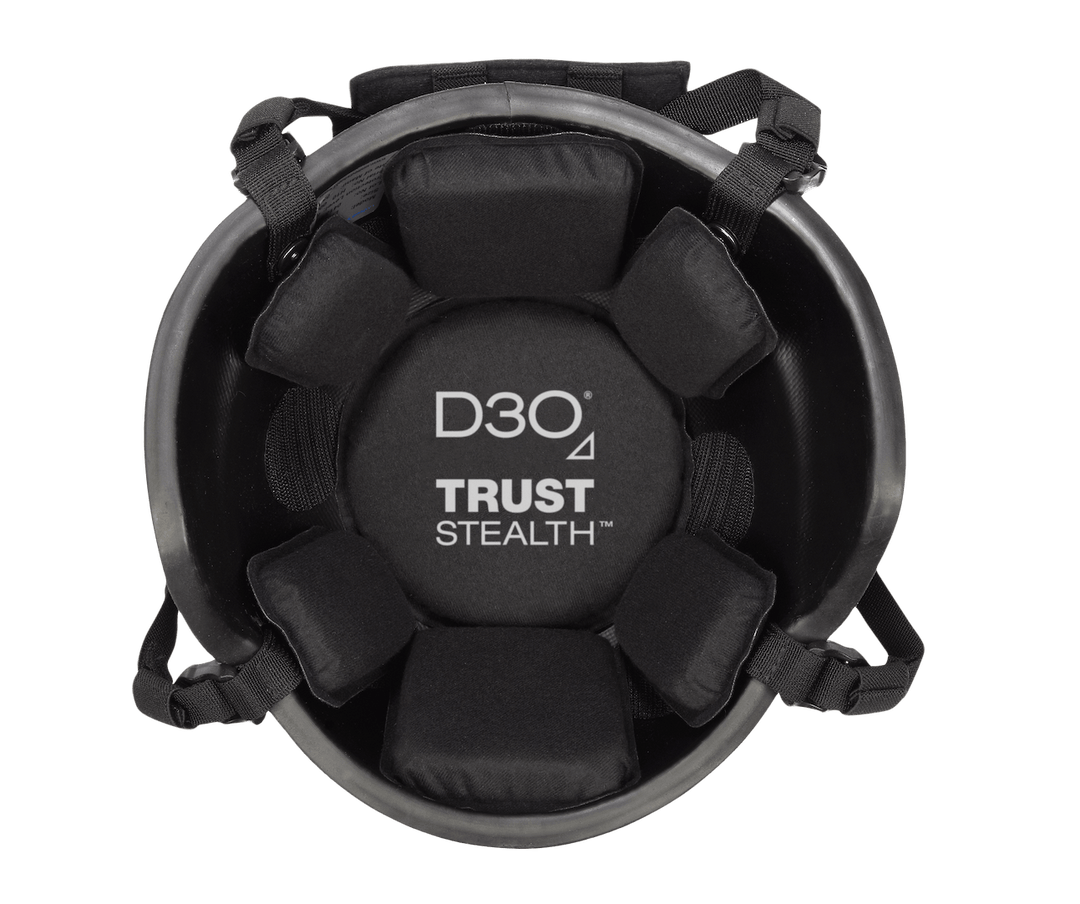
- Protective systems (armor and helmets)
- Duty-support equipment (carriers, pouches, identification, accessories)
- Response tools that can be staged for fast access when the incident escalates
Body Armor & Protective Equipment
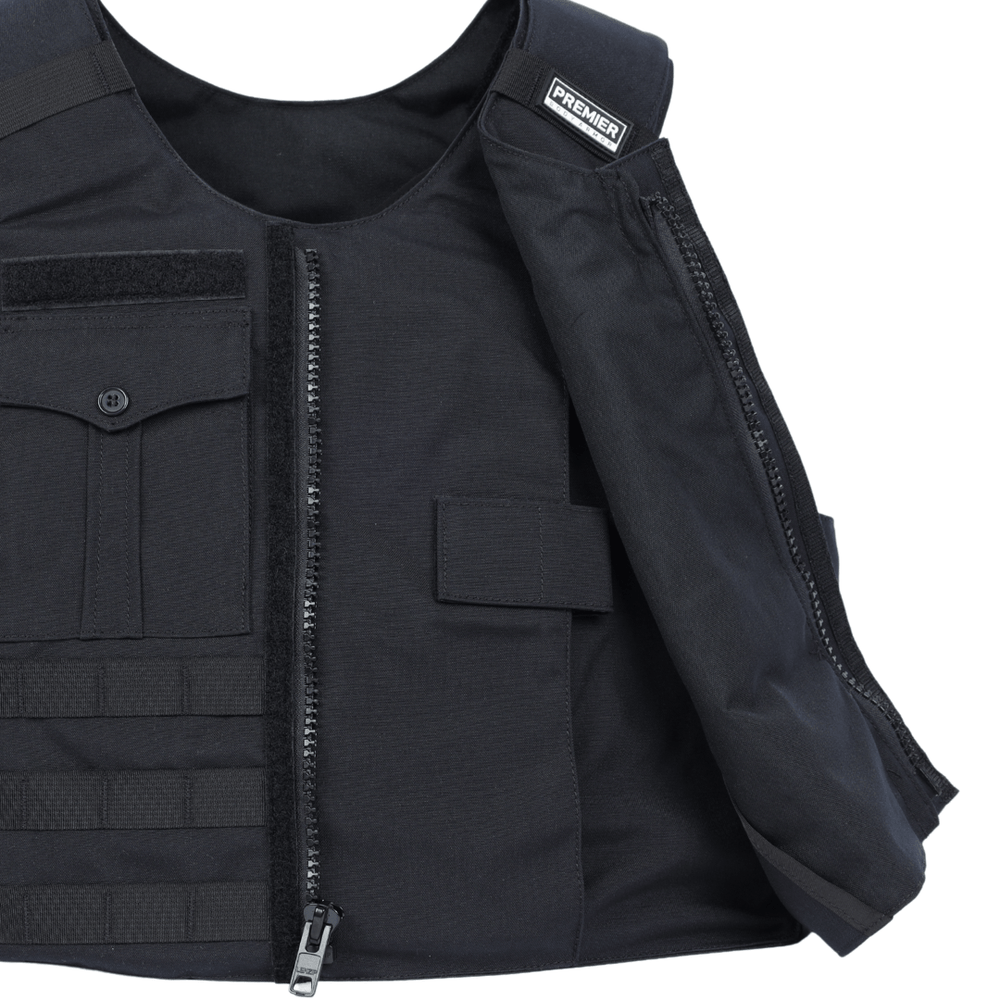
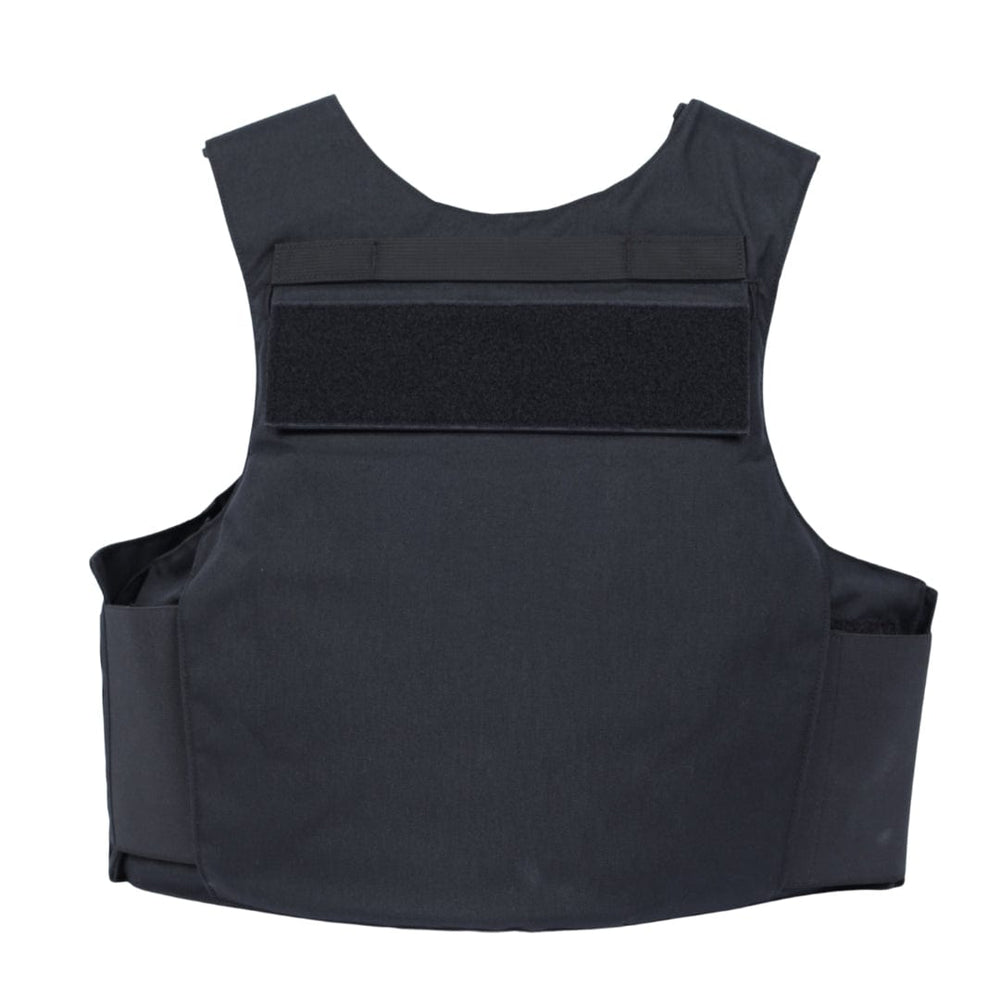
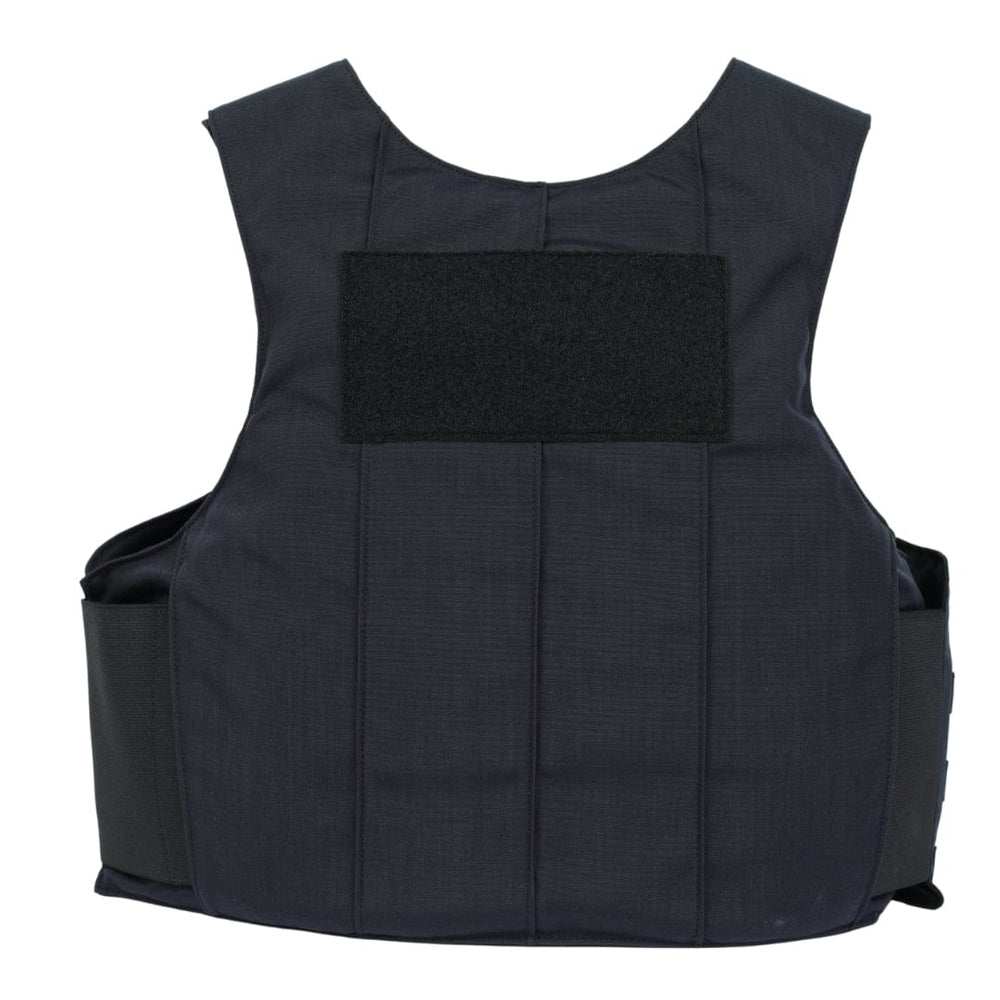
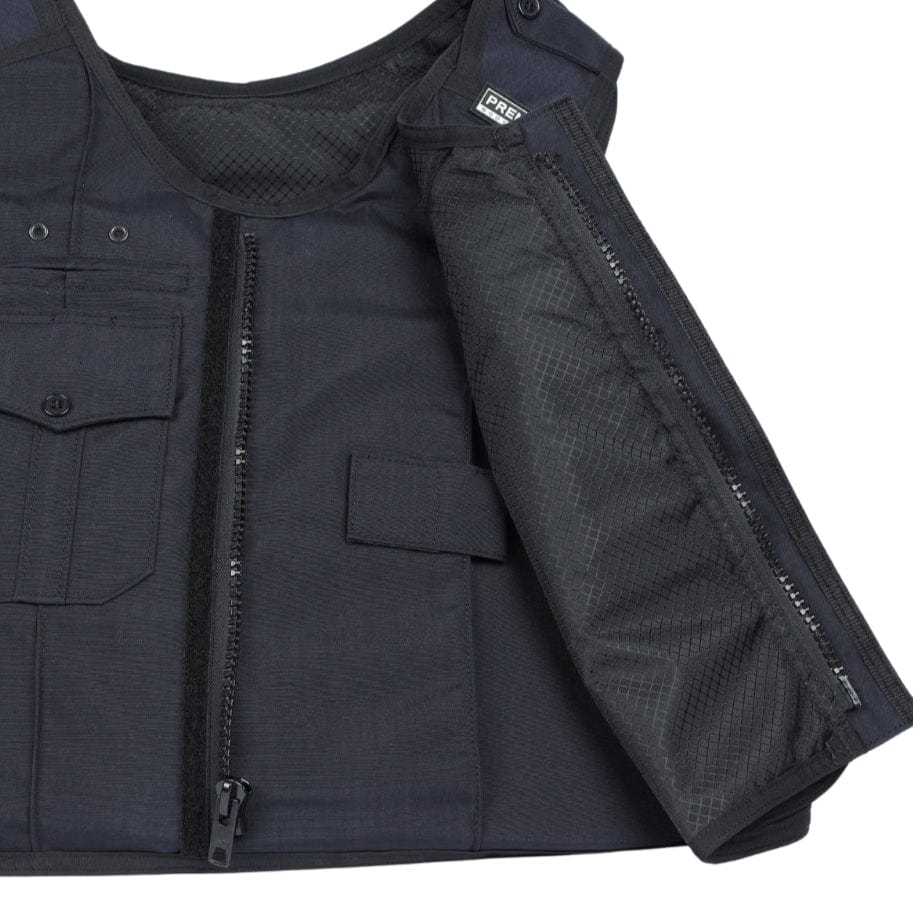
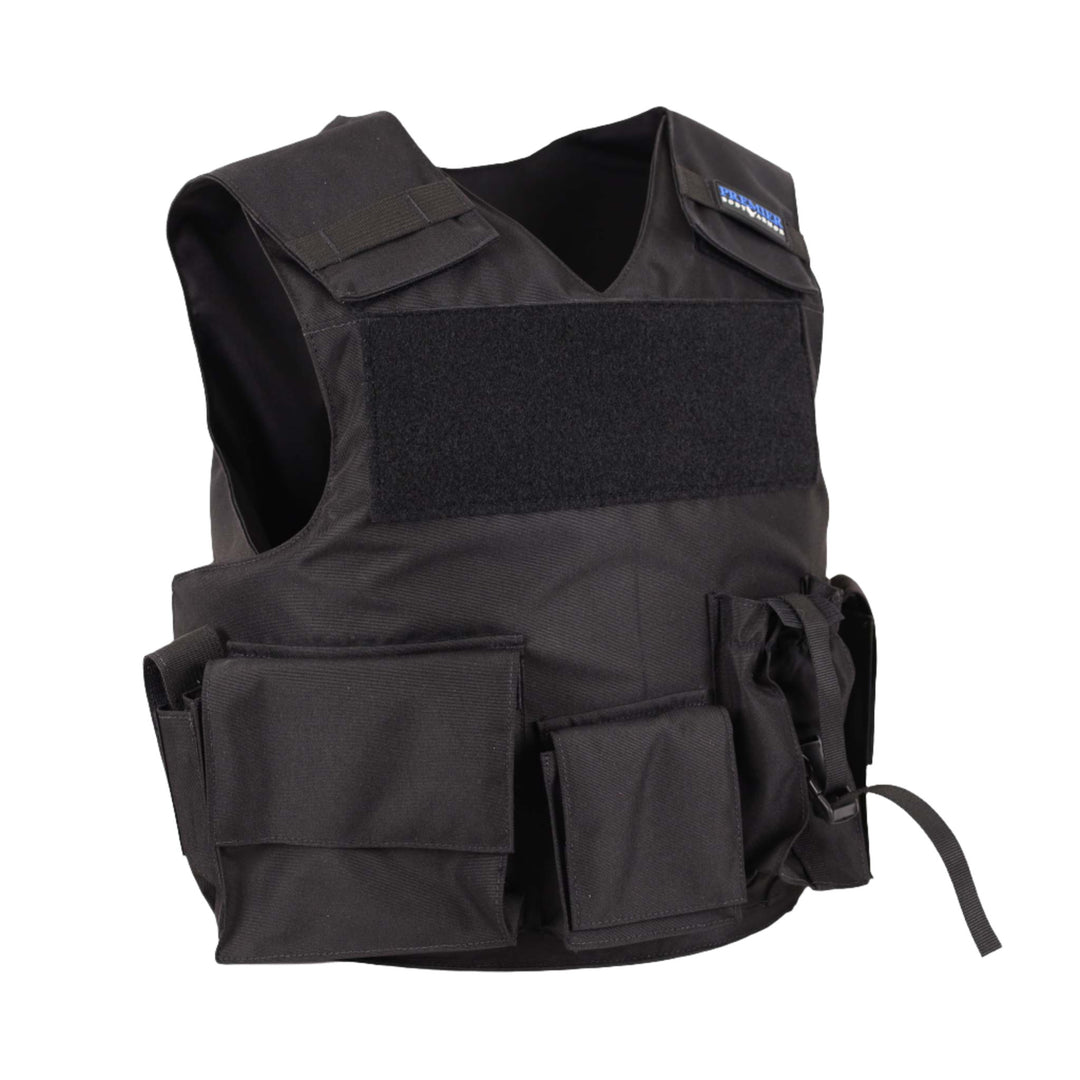
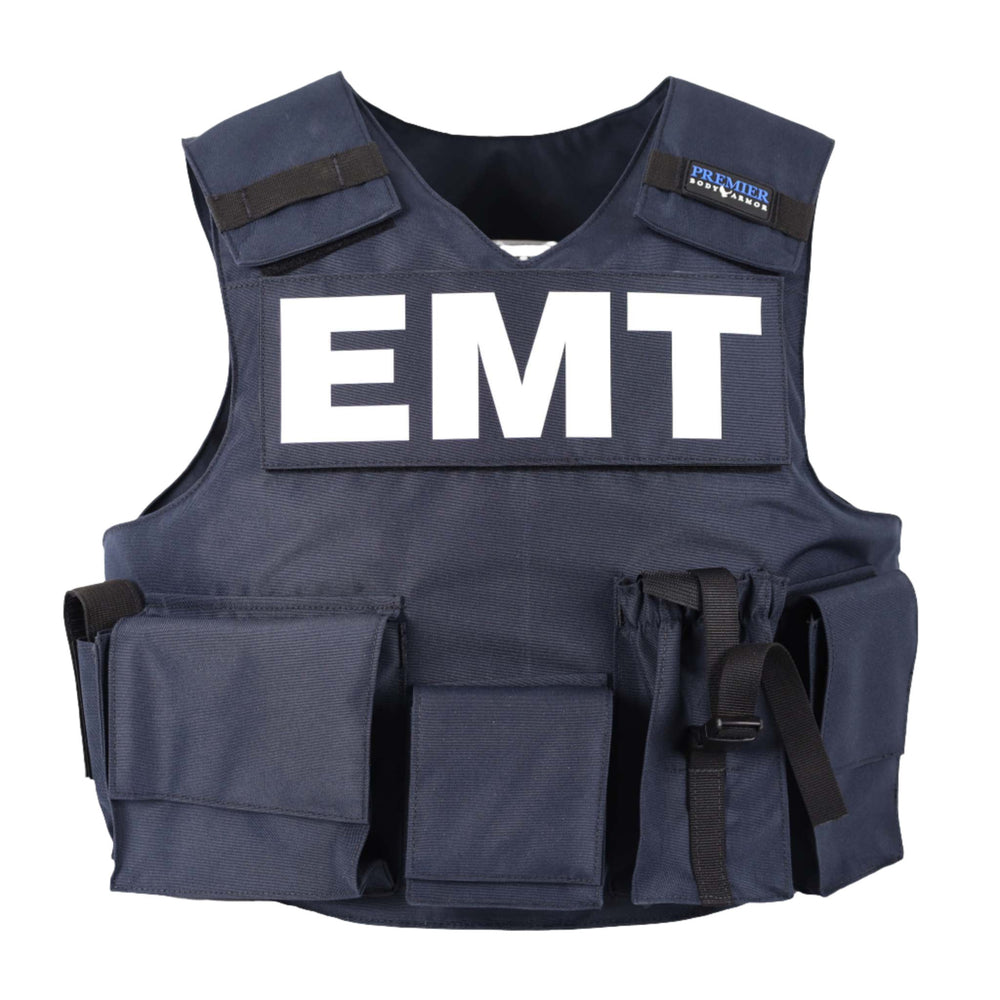
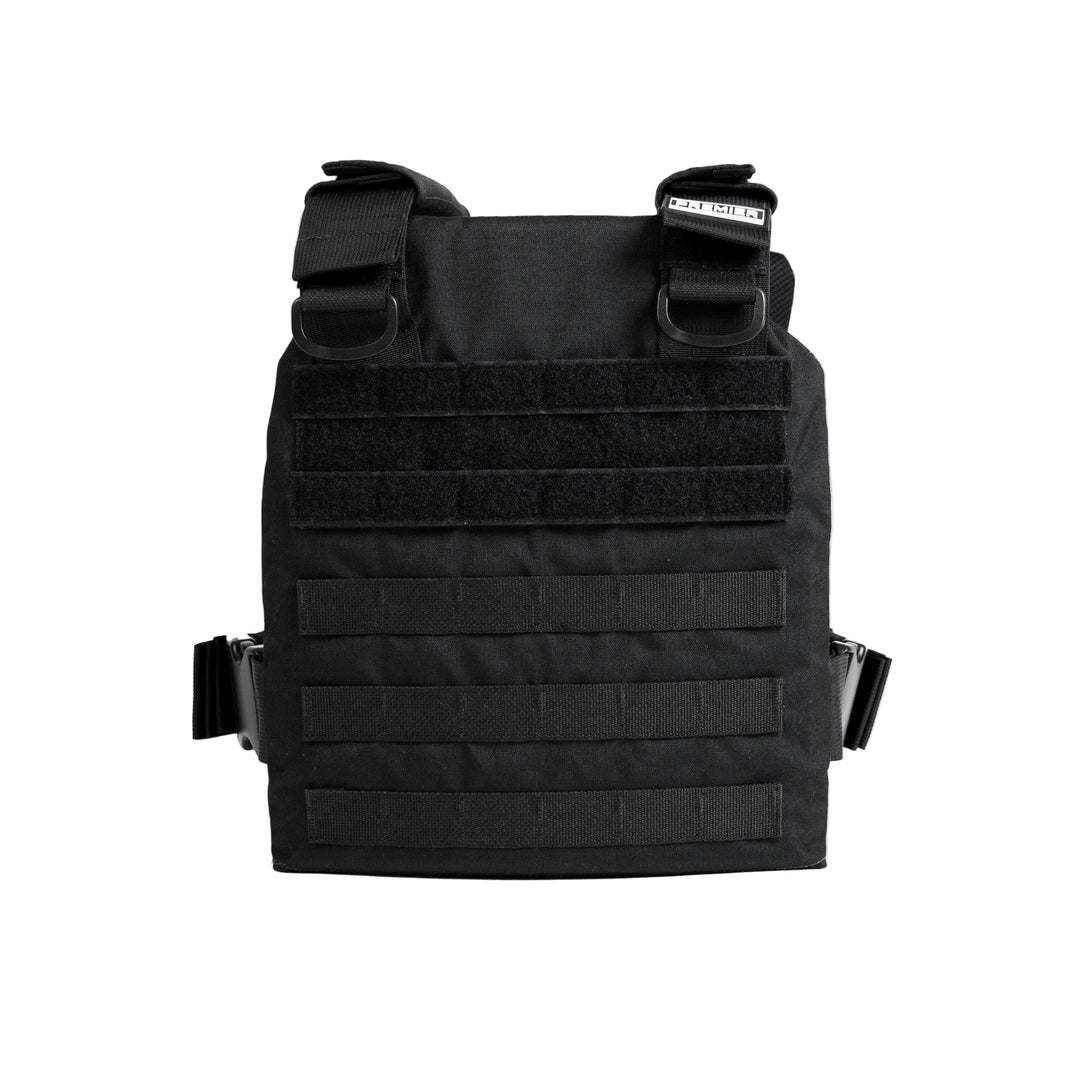
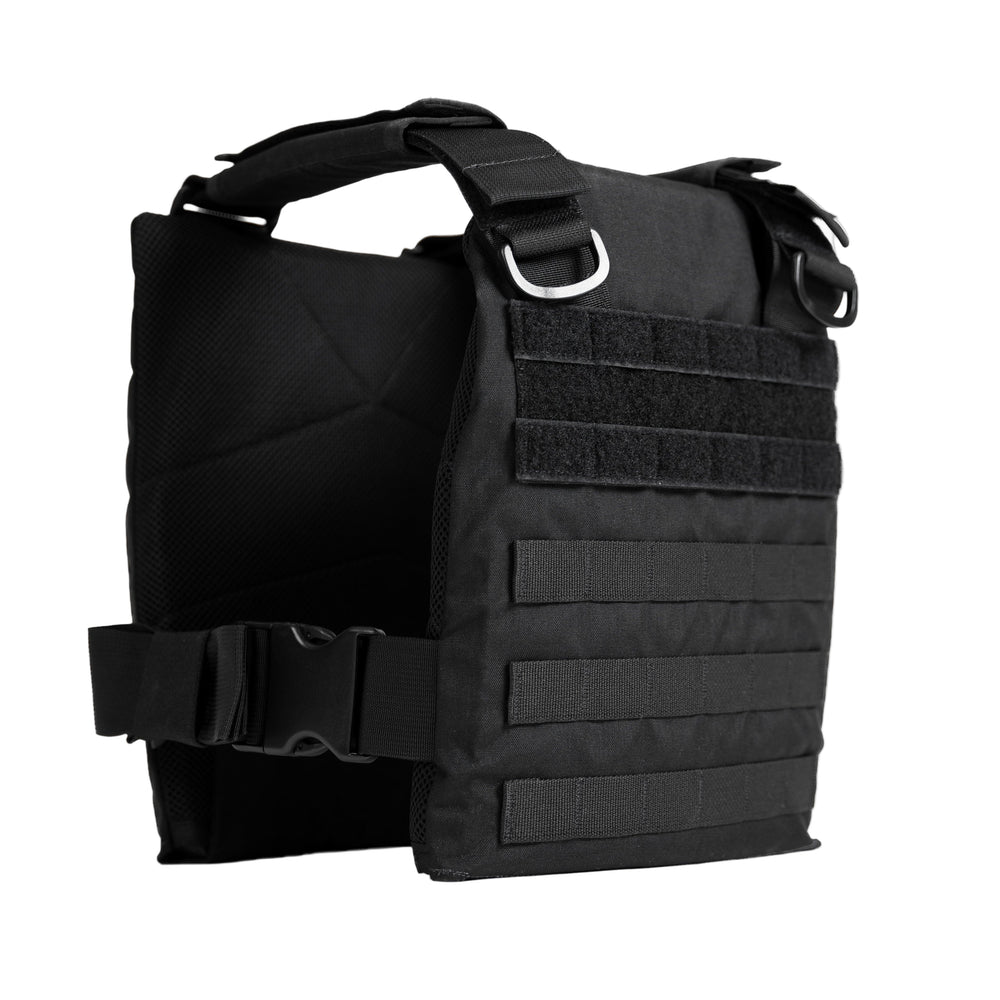
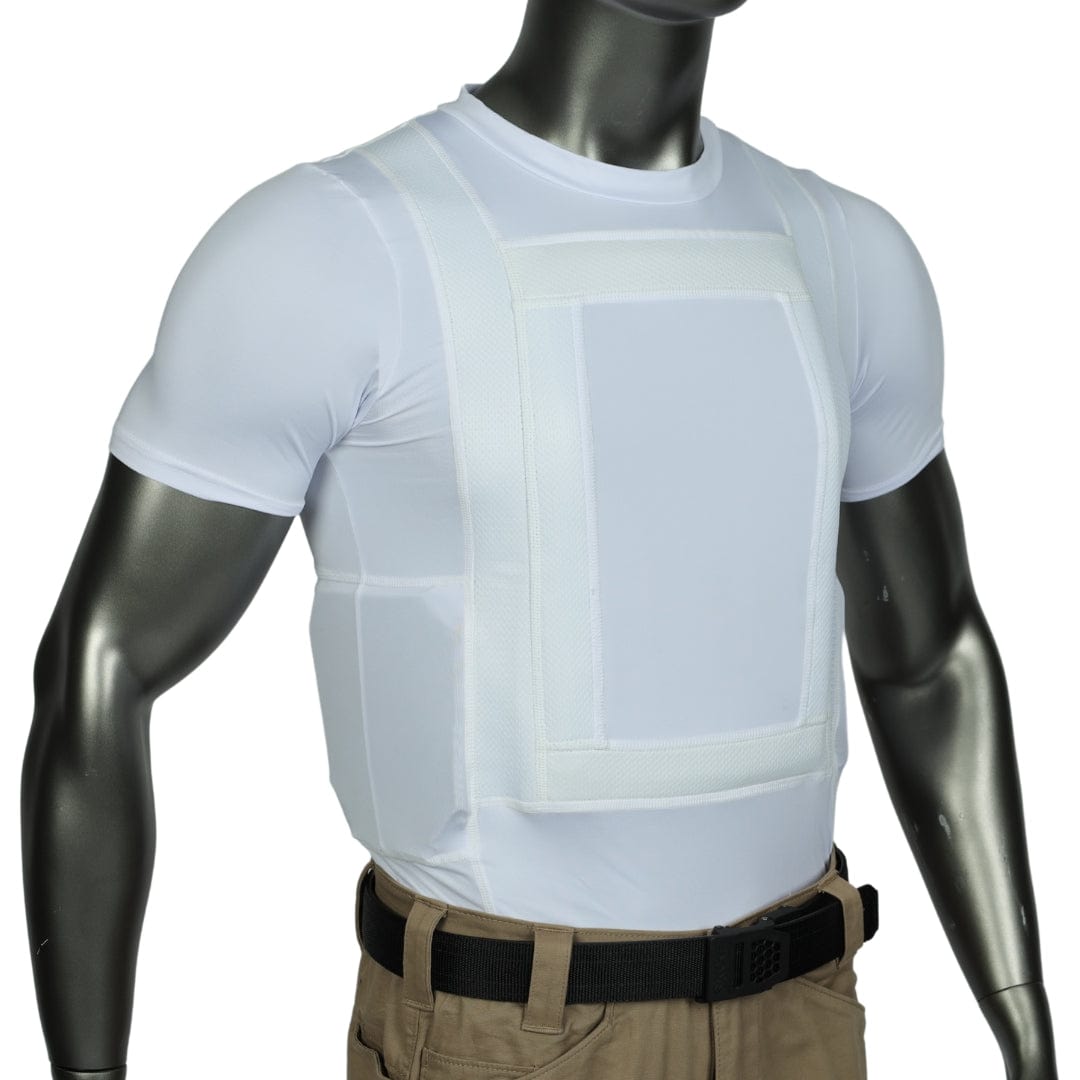
Law enforcement body armor is usually the first line item in any serious procurement plan. For most agencies, police body armor needs to be comfortable enough for long shifts while still meeting threat-level requirements and policy, starting with NIJ certification.
The National Institute of Justice (NIJ) provides a standard for body armor. NIJ certified armor means a ballistic vest package (front and back) has been sent to a 3rd party lab for NIJ testing and compliance. Certification is tied to specific armor models and test criteria. For due diligence, verify the exact model designation on the NIJ Compliant Products List before you finalize a spec or PO.
For many patrol applications, Level II and Level IIIA are most common in police and LEO vests, and are designed for handgun threats. Level II body armor is tested against specific rounds like 9mm FMJ and .357 Magnum, while Level IIIA tests against .357 SIG and .44 Magnum. Neither are intended for rifle protection) For agencies updating policies and specs, NIJ has also continued evolving test standards, including NIJ Standard 0101.07.
*NIJ has stated the 0101.06 Compliant Products List is expected to remain active through at least the end of calendar year 2027
Duty Gear & Accessories
Armor is important, but it’s only part of the equation. Consider the other police officer gear attached to it, including:
- Radios
- Body cameras
- Medical kits
- ID panels
- Admin storage
- Routing for cables and mics
This is another area where police duty gear decisions matter. If an officer can’t access a tourniquet fast, if cables snag, or if a setup causes fatigue, the “minor” accessory decisions become major performance problems.
When you’re building out law enforcement accessories, think in terms of repeatable configurations. That means:
- Standardized placement
- Consistent attachment systems
- Carriers/pouches that support your agency’s SOPs
Tactical & Emergency Response Tools
Agencies that aren’t running full-time SWAT or SRT still need tactical police gear for active threats, barricades, and rescue-task-force type responses. That’s why police tactical equipment should be planned like an escalation layer. It should be compatible with your patrol foundation, but designed for rapid deployment in different situations, including working with other agencies.
If you’re also coordinating with fire/rescue or staging equipment for Rescue Task Force (RTF) operations, you’ll also want to think about fire/rescue-focused gear and carriers.
Procurement Considerations for Departments & Buyers
Procurement is rarely simple. Delays usually come from unclear specs, inconsistent sizing, and quote revisions that create extra back-and-forth.
When comparing police suppliers and law enforcement gear websites, you’re not just choosing products. Evaluate quote accuracy, documentation quality, communication speed, lead-time predictability, and how easy it is to standardize across an agency.
From a practical police procurement standpoint, the strongest vendors are the ones who can support agency documentation (quotes, model verification, spec sheets), provide reliable sizing capabilities, and cut down on back-and-forth.
Ready to price an agency order? Use Premier's Request for Quote form to get a formal quote package with documentation your leadership can review.
Fit, Certification & Officer Safety Requirements
Police armor requirements can vary, but fit is a performance requirement. Poor fit reduces coverage and increases fatigue, which makes your law enforcement officers less likely to wear their armor consistently.
For NIJ certification, verify the exact model designation and protection level, then document that selection in your quote and approval packet. NIJ compliance is model-specific and designed around defined test protocols.
LEOnline™ uses a hybrid sizing process that combines a Fit Kit with a scheduled video call guided by a Fit Specialist. Each officer is walked through front, back, and side coverage to dial in sizing, ensuring it is consistent and repeatable across the agency, even if managing dozens (or hundreds) of different body types and duty needs. If you need to size new hires later, you reuse the Fit Kit and simply schedule another virtual session.
LEOnline™'s standard vest production lead time is six weeks after order details are approved, and includes a Fit Guarantee window for exchanges if something is not right.
Budgeting, Grants & Departmental Purchasing Cycles
Budget cycles are real, and so are the constraints. You’re dealing with fiscal-year deadlines, phased rollouts, replacement schedules, and very specific windows to spend funding. If you’re using police equipment grants or planning around annual refresh cycles, the procurement process needs to support clean documentation and predictable delivery, while avoiding unnecessary surprises.
To do that, build a baseline standard issue package for each officer, then budget optional add-ons for specialized units (traffic, K9, SROs, SRT, etc.). That way, police department procurement remains standardized while still giving leadership the flexibility to scale protection where it’s needed most.
Why Departments Trust LEOnline™’s Streamlined Procurement Approach
Too often, procurement is a bottleneck, unfortunate when officer safety is the end goal of the process. LEOnline™ is a law enforcement procurement platform that lets you easily shop online, build a quote as you go, submit for verification and potential bulk discounts, and move into a structured sizing process.
Here’s the core value of bulk police gear ordering done right:
- Fewer moving parts
- Fewer surprises
- Fewer failure points between “approved” and “in service”
LEOnline™’s process is built around four steps: shop online, get an instant quote, efficient hybrid sizing, and a 6-week delivery with fit guarantee, so agencies can move from spec to field without the usual delays.
If ‘Made in USA’ or domestic sourcing is part of your evaluation, ask vendors for clear country-of-origin documentation for the components that matter to your policy. The Berry Amendment is a Department of Defense purchasing restriction, so it may not apply to all law enforcement buys. It still comes up in conversations about domestic sourcing, so treat it as a documentation check tied to your agency’s requirements
Procurement Made Simple
If you’re responsible for selecting law enforcement equipment, start with body armor and things related to protection, then build standardized duty configurations, and create an escalation layer for tactical and emergency response. Then, lock in a repeatable process: quotes that don’t stall, sizing that doesn’t create reorders, and documentation that holds up when leadership asks, “Why did we choose this model?”
The gear is important, but the procurement process is what determines whether the gear gets to your officers in time, fits correctly, and stays consistent across the department.
Ready to make your next purchase cycle easier? Use LEOnline™ to go from quote to fit to field, with an agency-focused workflow built for modern procurement.