







Why Detectives Need Different Body Armor Than Patrol Officers
Body armor is a big part of the average police officer’s uniform and safety strategy. However, it’s also important for officers who might not be on active patrol. Detectives need similar protection to other officers, but they can’t afford the visibility that goes hand-in-hand with standard body armor. You’re moving through civilian spaces like courtrooms, working with informants, and handling surveillance.
That means the body armor built for patrol isn’t what you need. Bulk, visibility, and restricted movement are acceptable trade-offs in a marked unit and in tactical situations. However, they’re liabilities in plainclothes work.
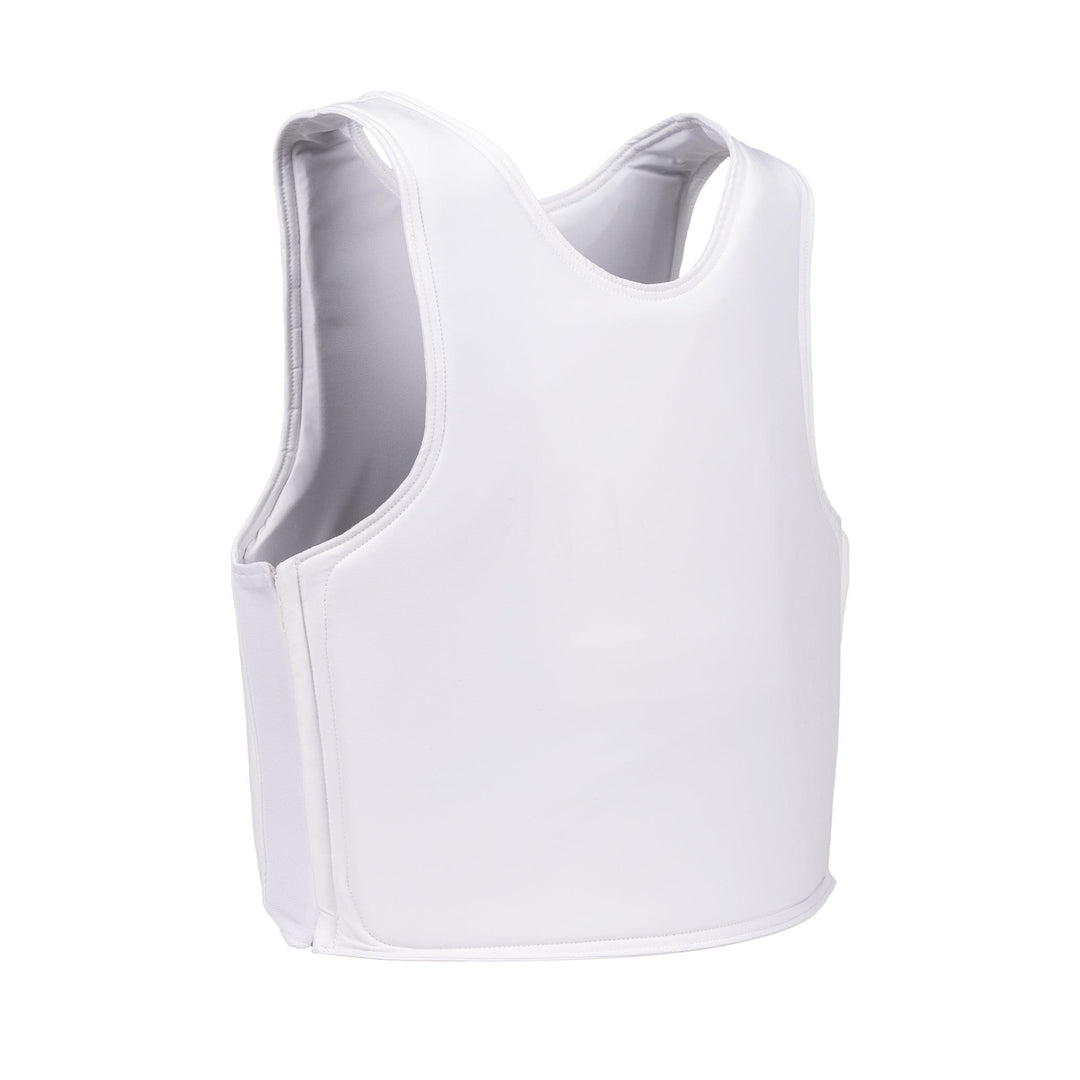
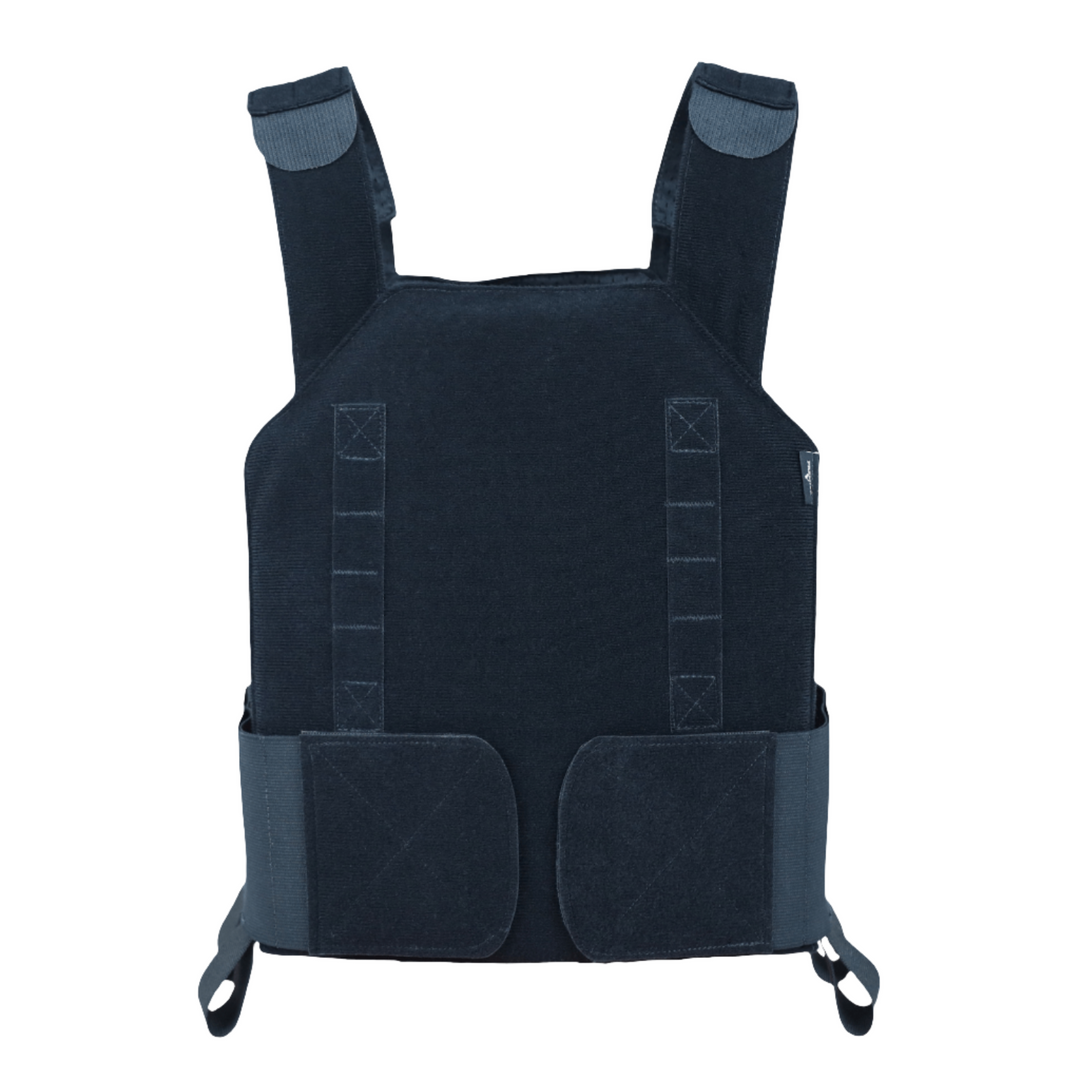
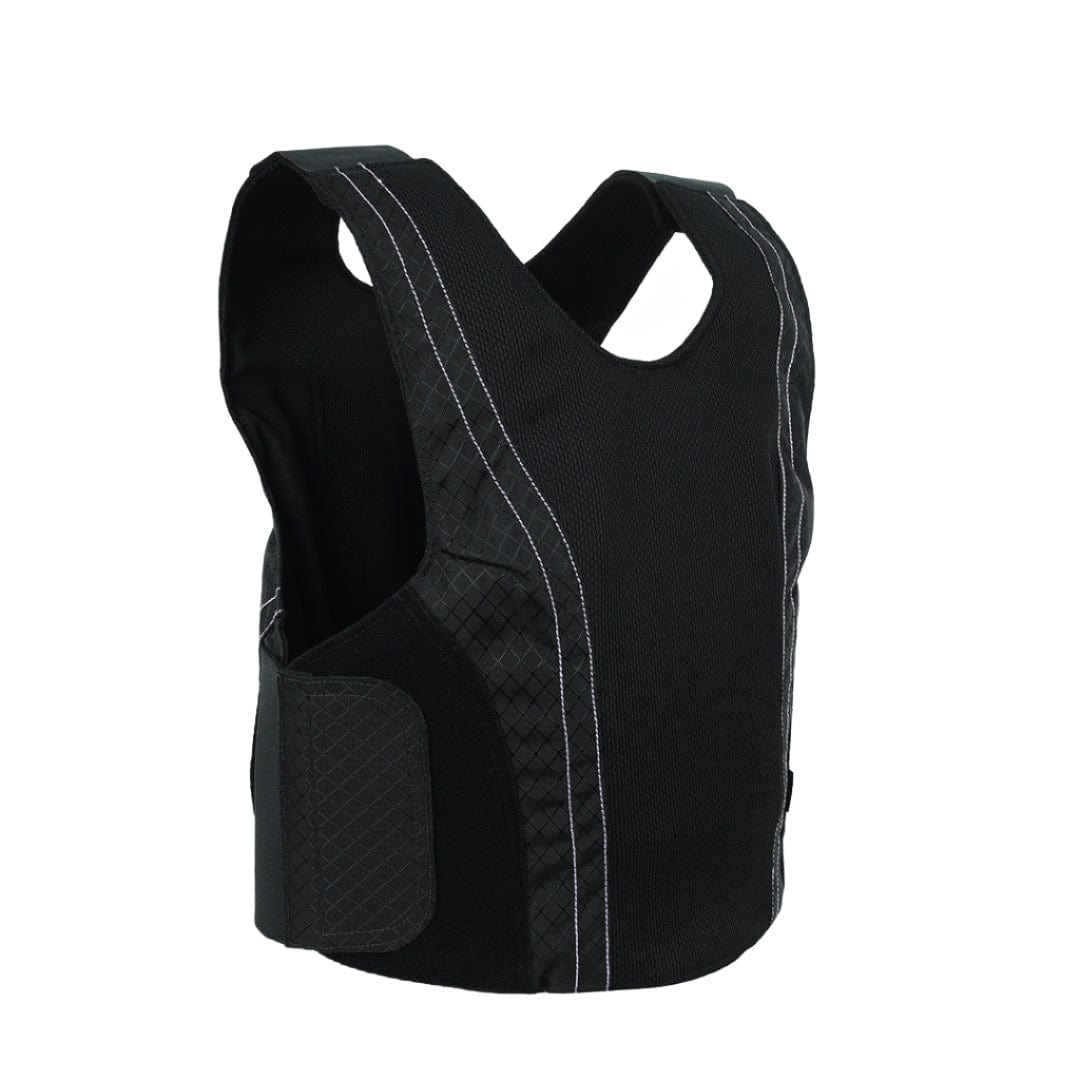
Detective body armor and plainclothes body armor are designed to be concealed without sacrificing protection. The best options meet the NIJ standard (NIJ 0101.06 is still active during the transition to the newer NIJ 0101.07 standards), while still being thin and flexible enough to wear under a sport coat or dress shirt without printing or restricting your draw.
Operational Discretion Requirements
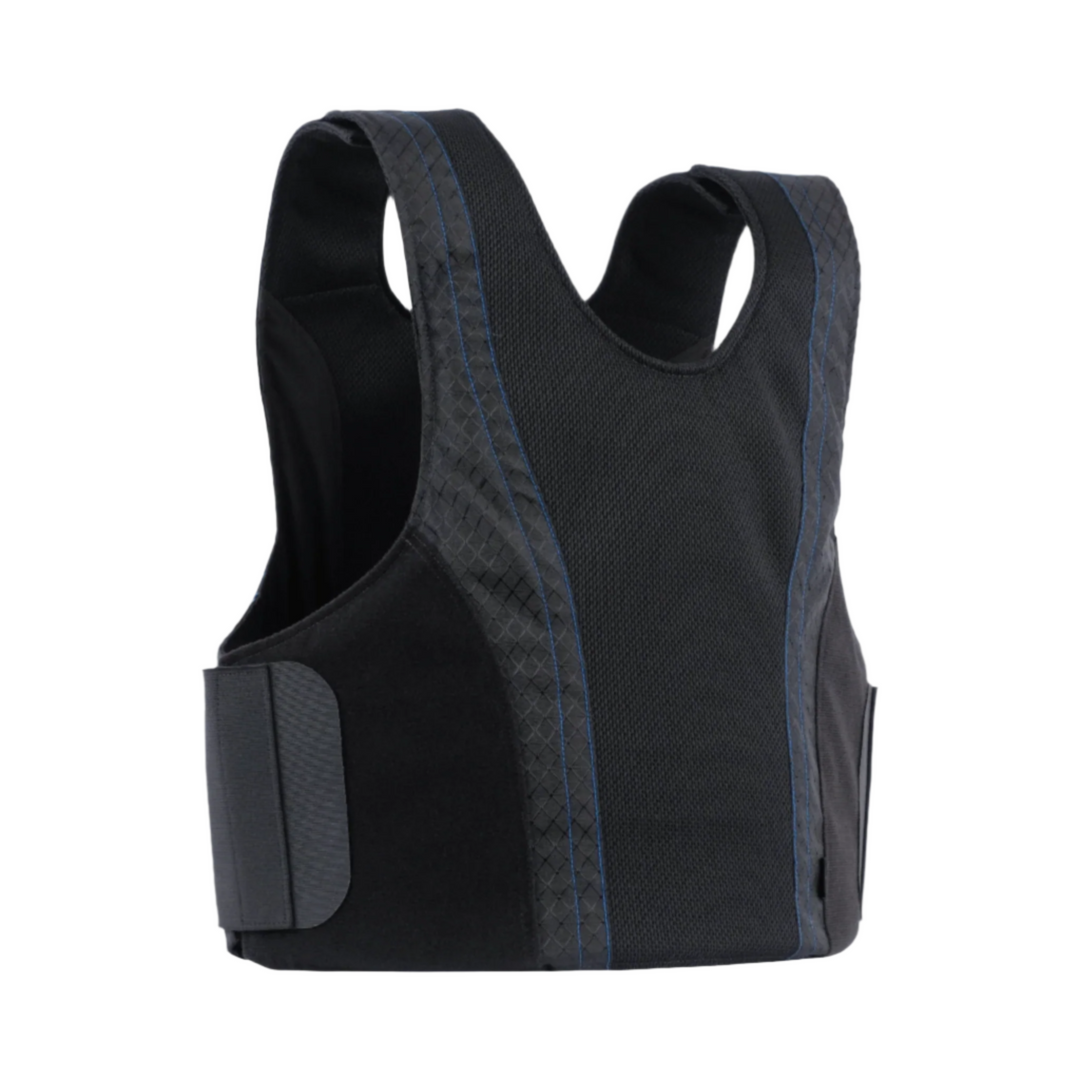
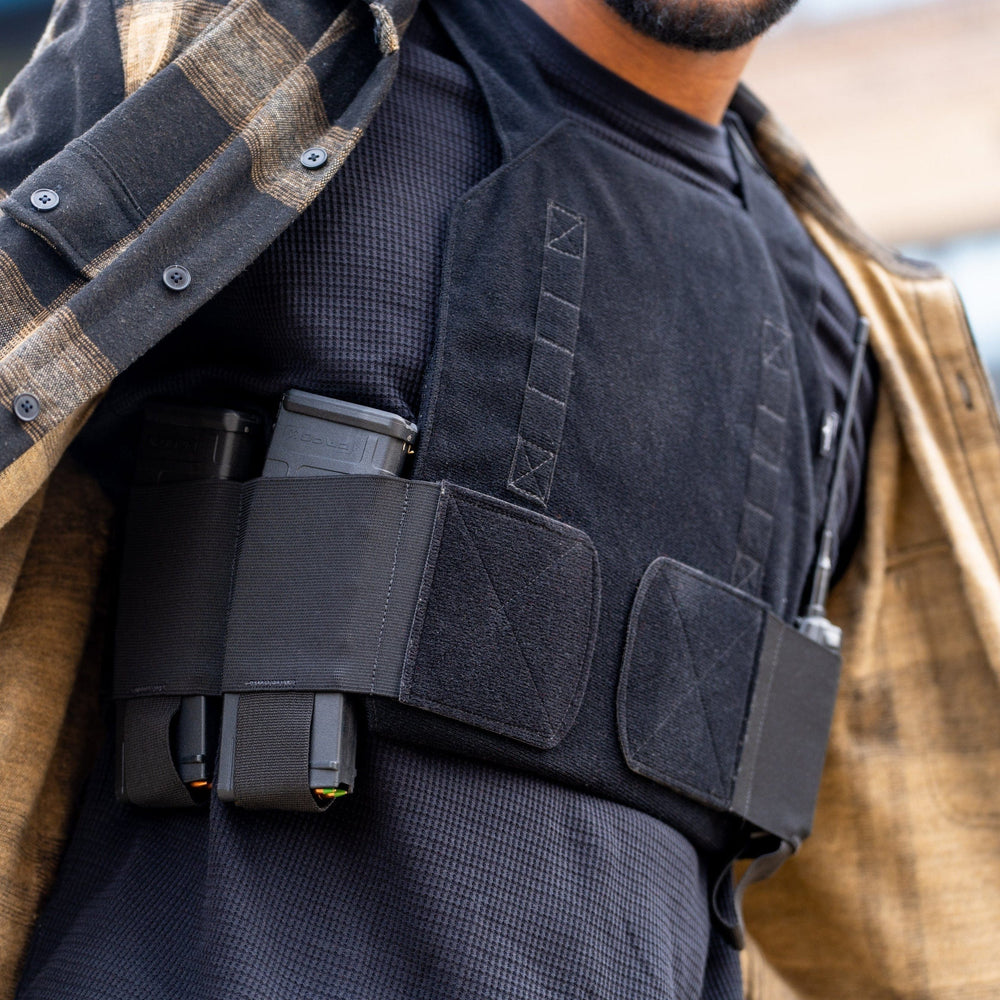
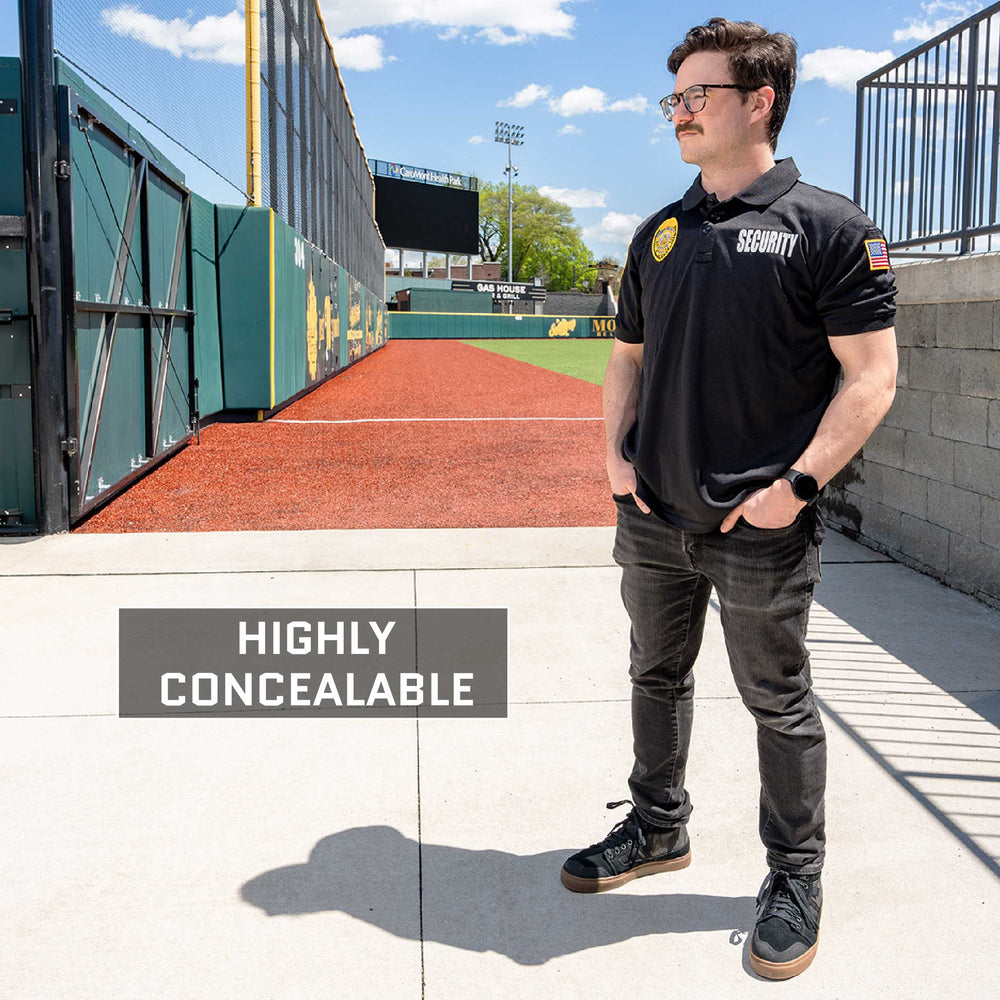
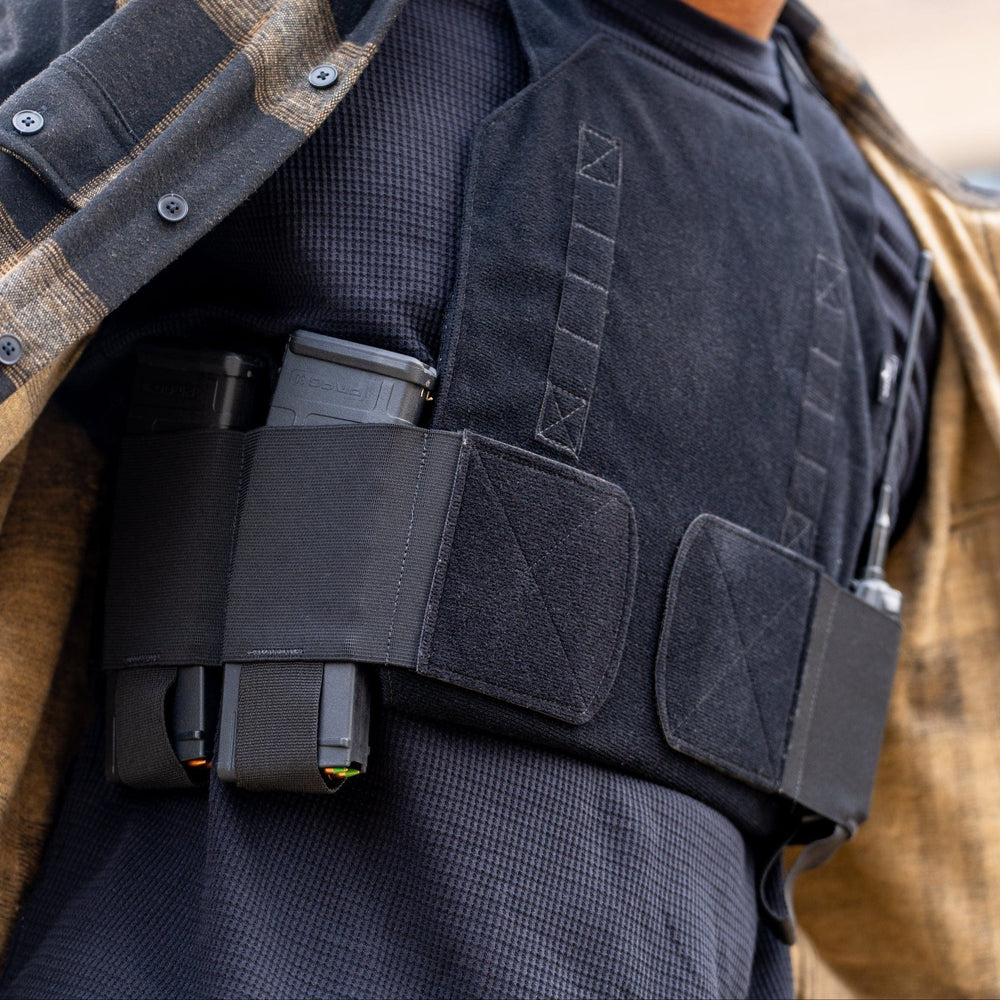
For detectives and undercover officers, exposure can be dangerous. Low-profile body armor is designed around that. A good undercover vest sits close to the body, moves with you naturally, and disappears under a sport coat or an untucked shirt. The right low-profile bulletproof vest provides protection against the threats you’re likely to face in a discreet, and comfortable, setup.
Dress Code and Professional Appearance Standards
Appearance matters for detectives. Think courtrooms, boardrooms, interview settings, and undercover situations where getting the job done hinges on looking the part (and that means no visible tells that you’re wearing armor). Business attire compatible armor has to do more than conceal itself. It has to let you move, sit, and present professionally without bunching, riding up, or creating visible lines under a dress shirt or blazer. An undercover detective vest that works in the field has to work in a suit just as well.
Mobility During Investigations
Detective work can involve a lot, from conducting surveillance to running down leads on foot, and situations where bodily harm is a very real possibility. Rigid, heavy armor that works fine standing post isn’t designed for that kind of sustained, varied movement.
Flexible body armor and lightweight detective vests are designed to move with your body rather than against it. That helps prevent the need to constantly adjust, while not restricting your draw, or wearing you down physically before the day is half over.
Warrant Service and Tactical Operations for Detectives
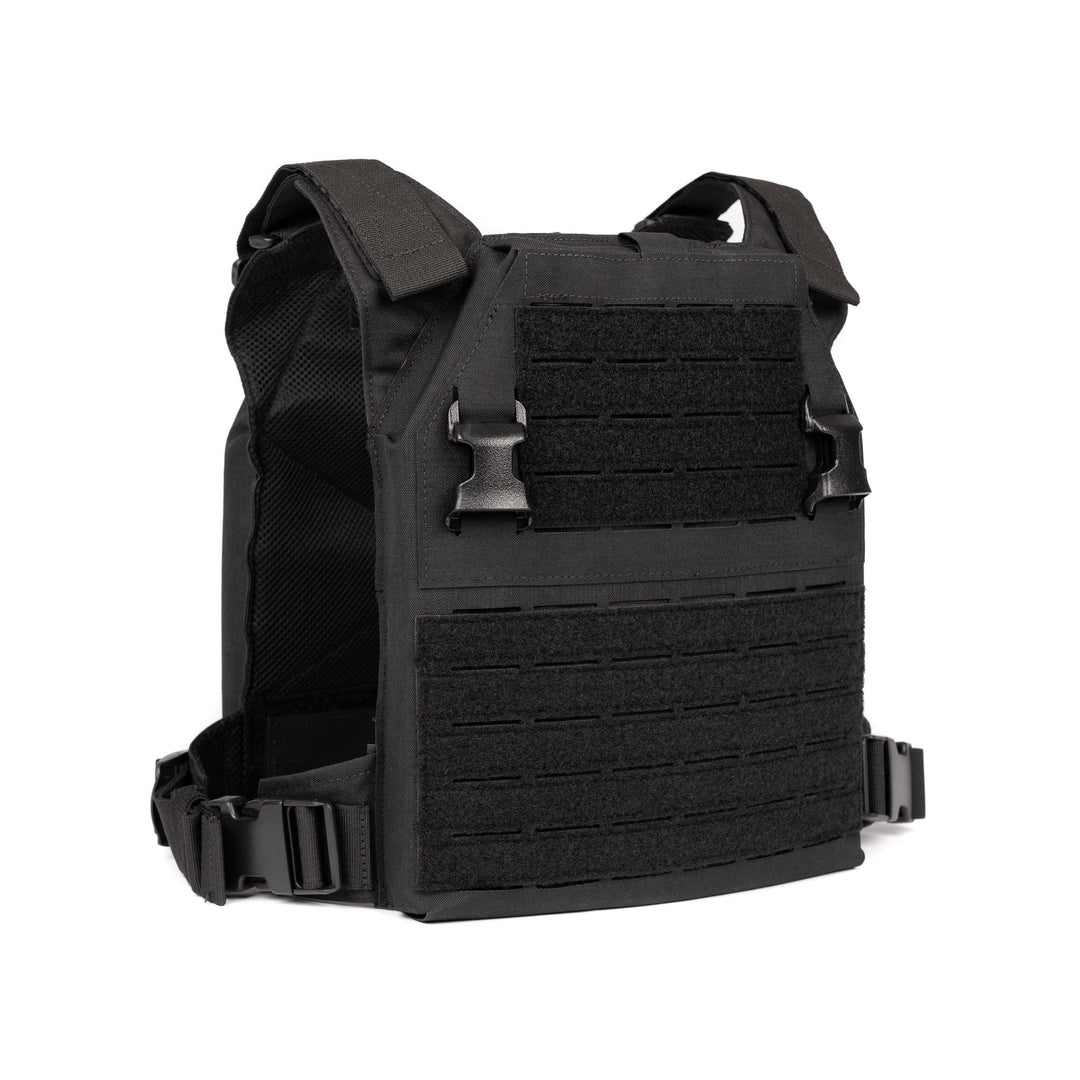
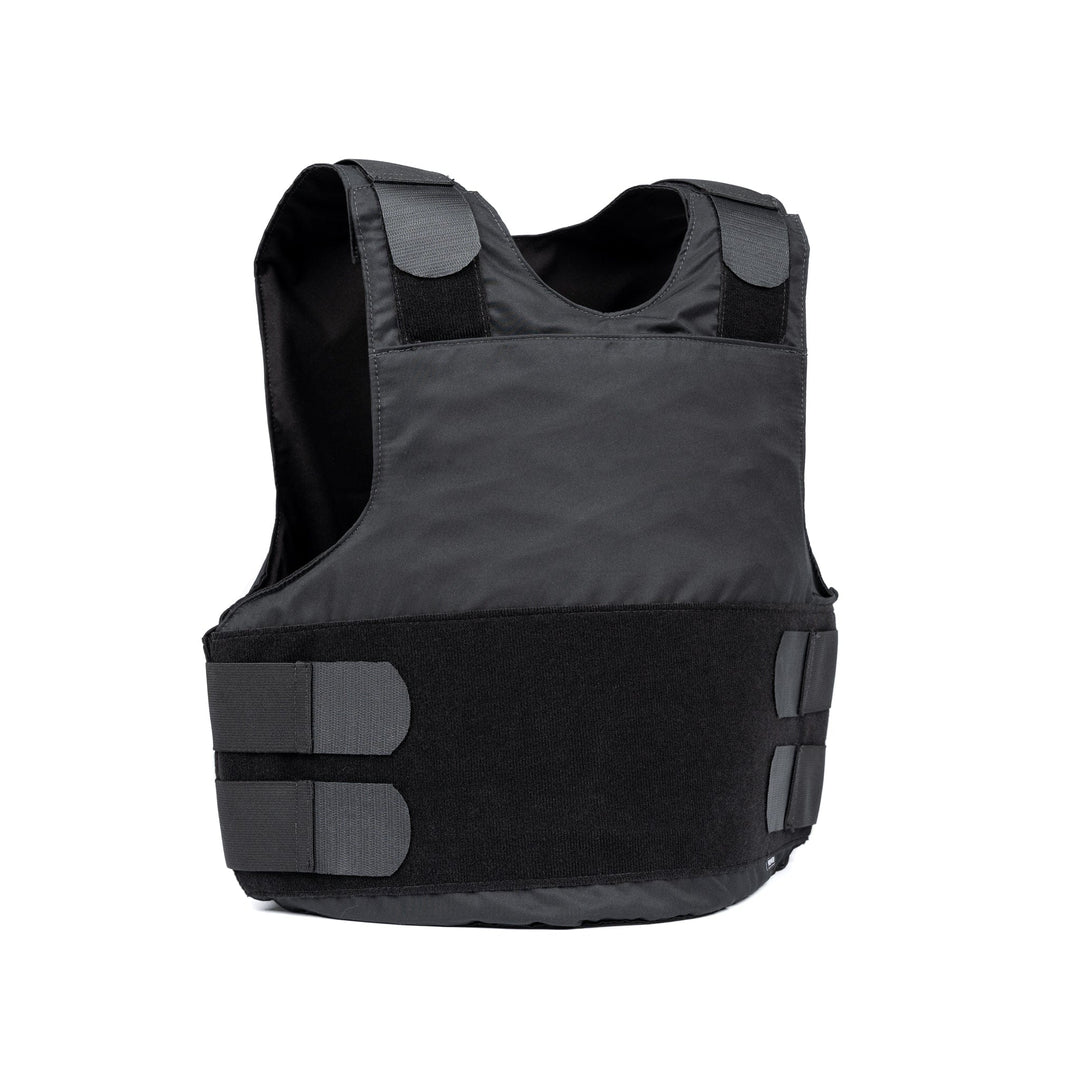
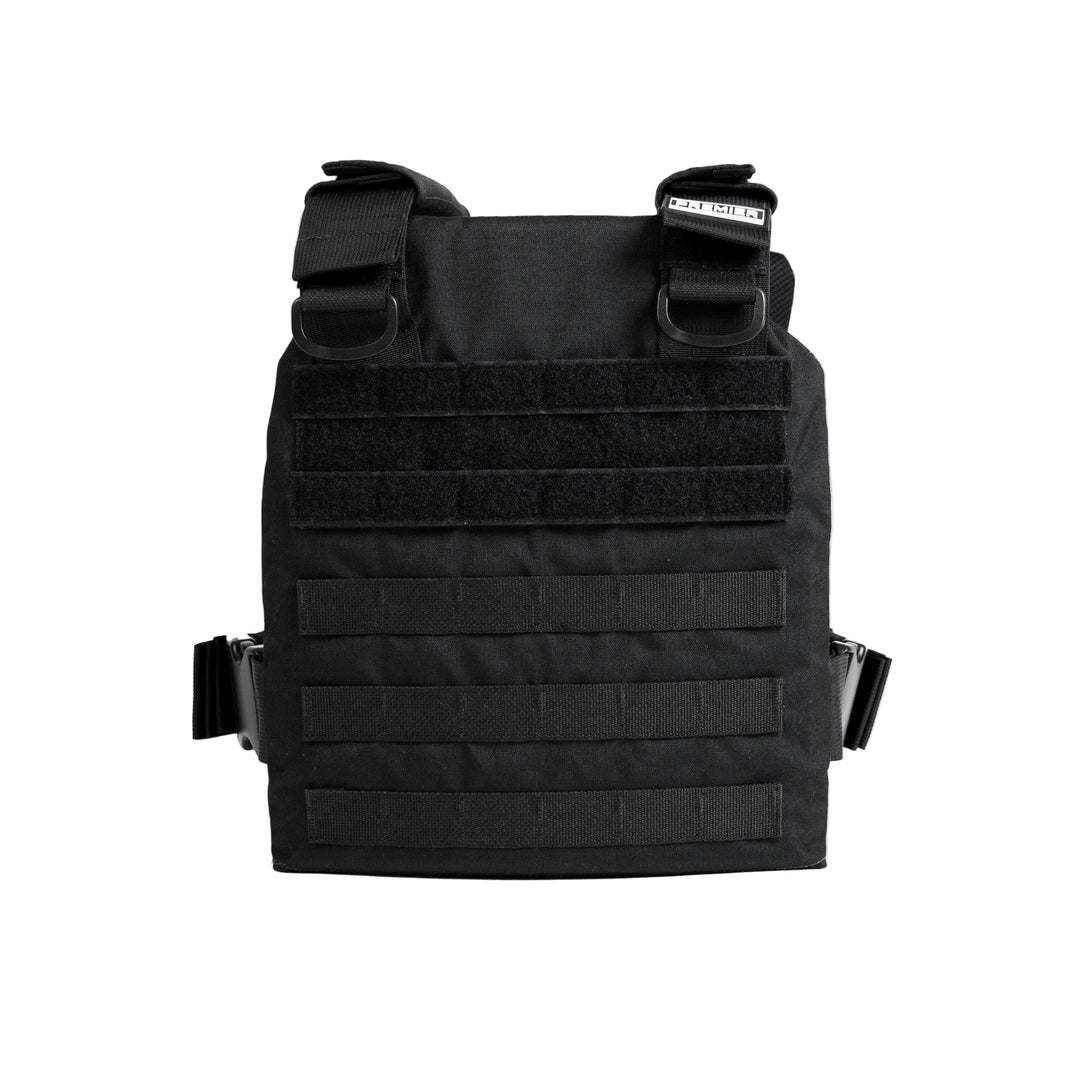
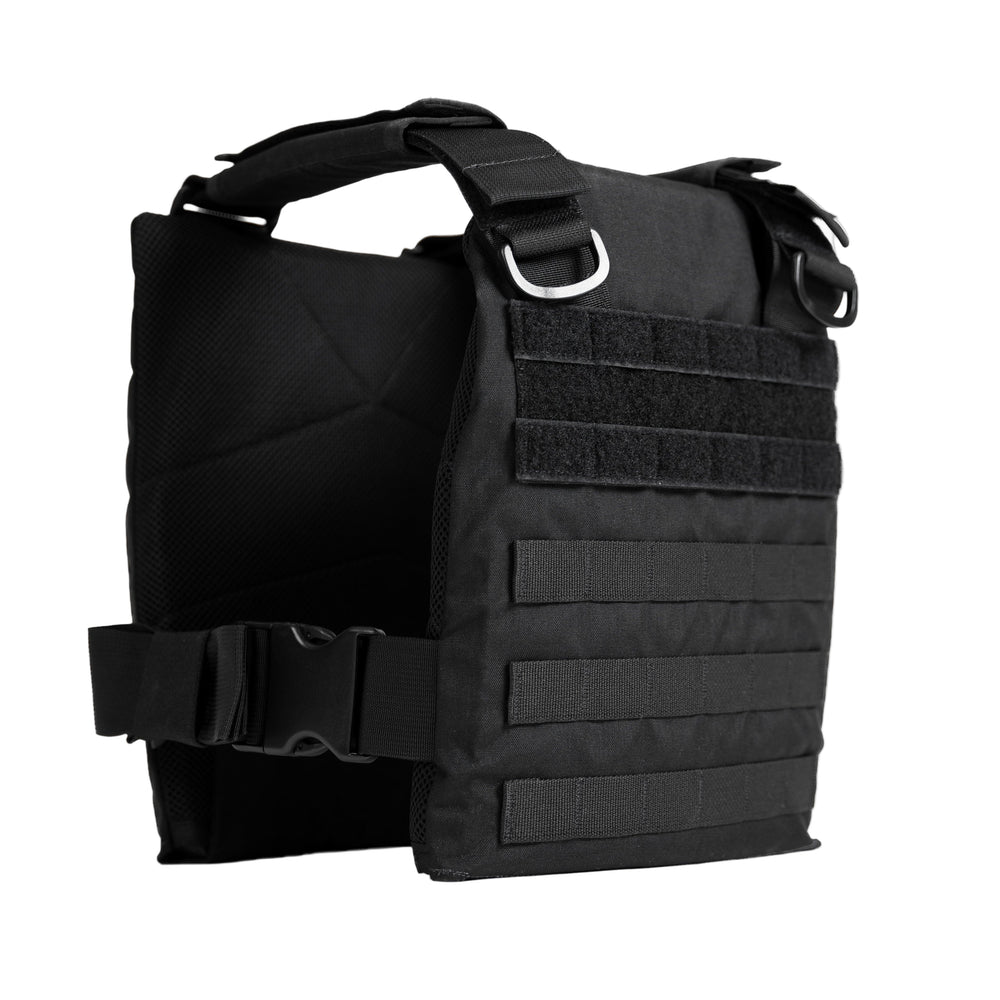
Plainclothes work doesn’t always stay plainclothes. When a case escalates to a warrant service or a joint tactical operation, you need better protection. Detective plate carriers give you that option: a platform that accepts hard armor plates and can be staged in your vehicle or thrown on fast when the situation demands it.
Concealability: The Primary Selection Criterion for Detective Armor
When detectives and plainclothes officers evaluate body armor, concealability is usually the single-most important factor. A vest that gives you good protection but prints visibly under a dress shirt or restricts your movement enough to affect your draw isn’t the best body armor for detectives.
Concealable bulletproof vests designed for plainclothes use are thinner, cut closer to the body, and use softer, more flexible ballistic materials than their overt counterparts. The goal is to create a vest that you can wear for a full shift (seated in a vehicle during surveillance, on your feet at a scene, or sitting across a table in an interview room) without constantly adjusting it or telegraphing that you’re wearing it at all. That is the promise of concealed body armor built for plainclothes work: protection you can live in, not just wear.
That said, concealability has to coexist with certified protection. Thin and flexible only matter if the vest still meets NIJ-rated ballistic standards. The best options for detectives deliver both a low profile that supports your operational cover and the protection level your assignment demands.
Level IIIA: The Detective’s Standard Protection Level
For most detective assignments, NIJ Level IIIA soft armor is enough. It’s the highest protection level available in a concealable soft armor package, rated to stop handgun rounds up to and including .44 Magnum, which covers most of the threats a plainclothes officer is likely to face in the field.
Level IIIA strikes the balance detectives need. It’s thin enough to wear concealed under professional attire, flexible enough to support sustained movement throughout a shift, and protective enough to handle threats that come with investigative work in high-risk environments. For most plainclothes assignments, that makes concealable soft body armor the practical default.
Where Level IIIA isn’t enough is against rifle threats. If your assignment involves warrant service, gang task force operations, or any scenario where rifle exposure is a realistic possibility, soft armor alone isn’t the answer. That’s when a detective plate carrier gives you the option to add hard armor plates, without a full second set of armor, when the threat level justifies the trade-off in profile and mobility.
Plate Pocket Options for Threat Escalation
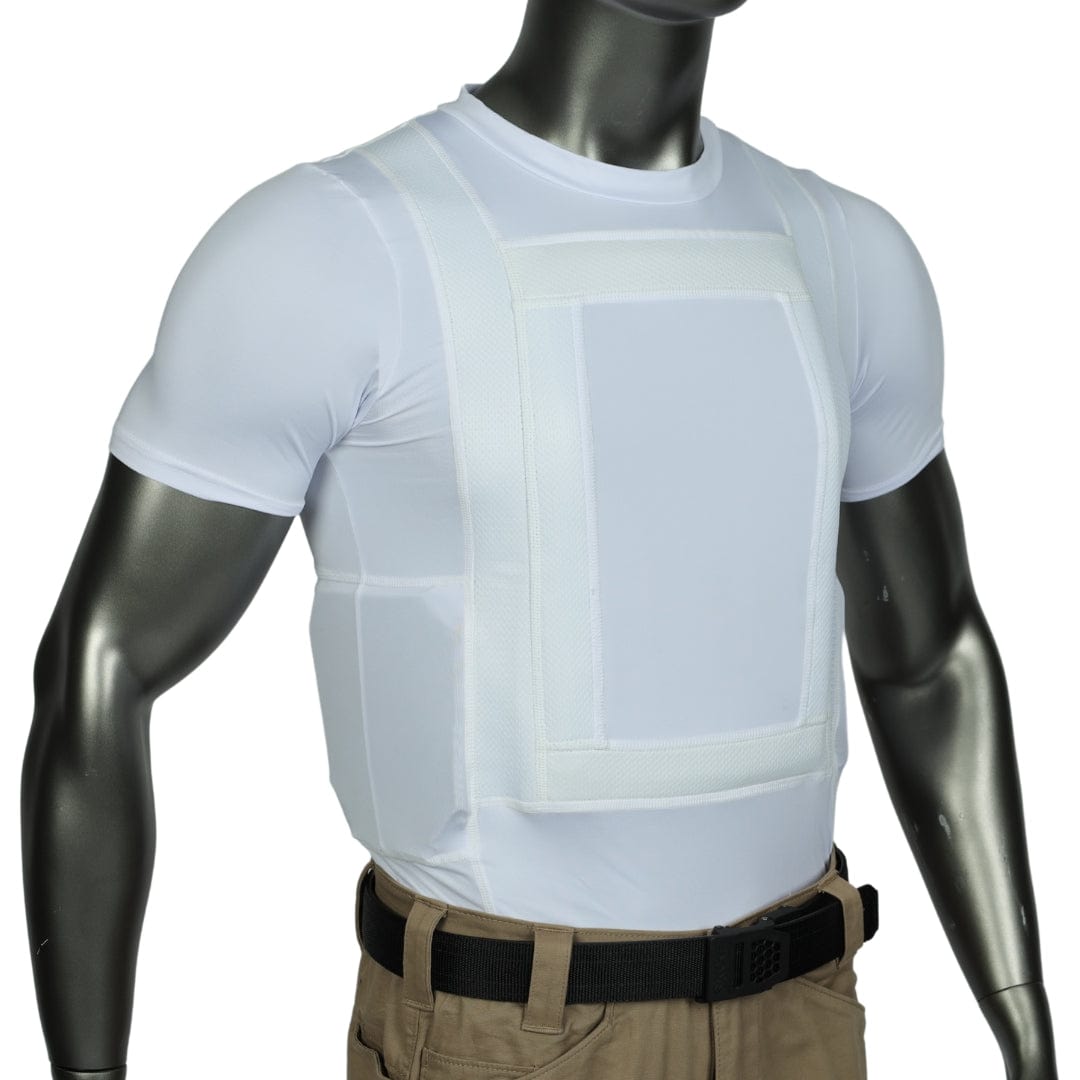
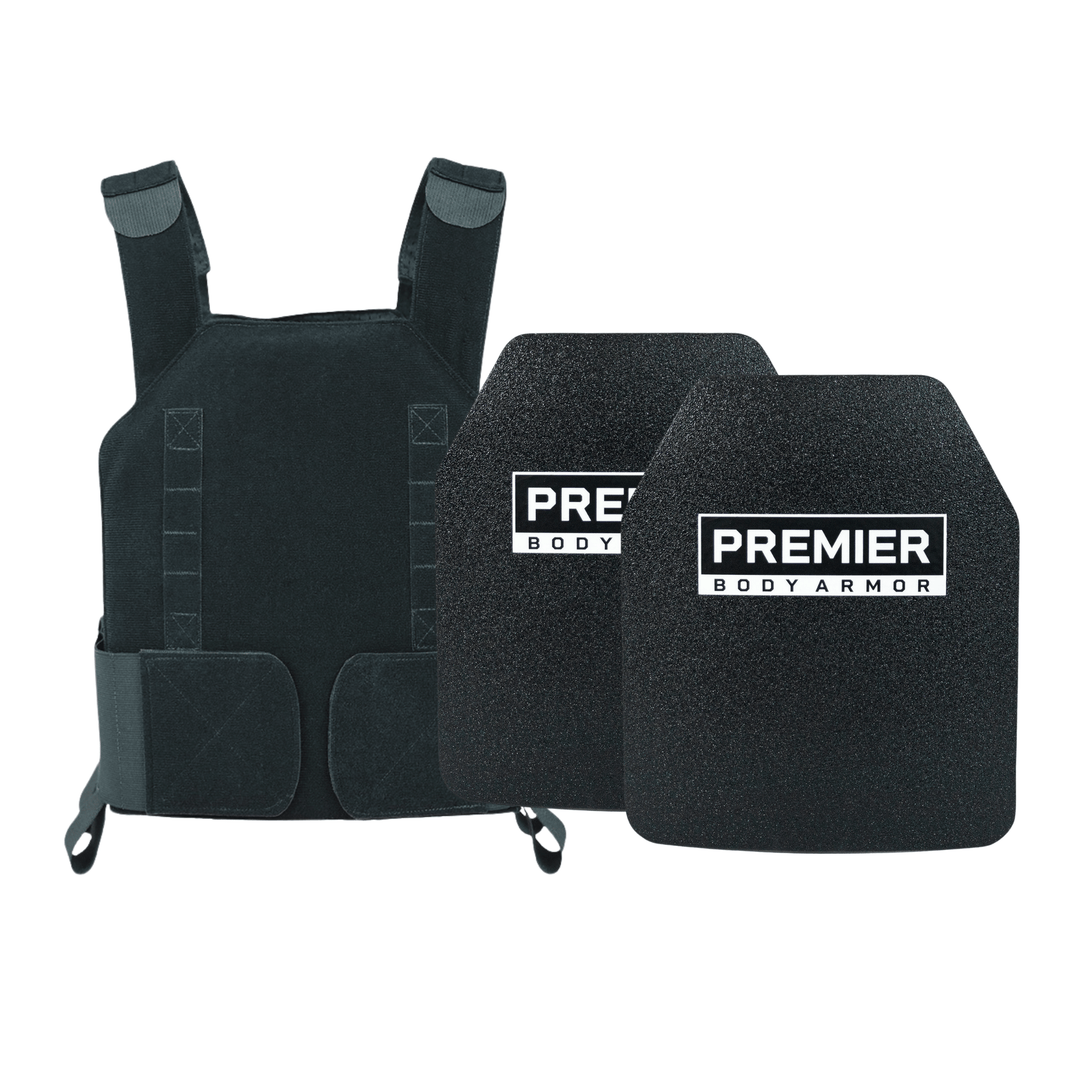
Not every soft armor vest is built the same way or offers rifle plate compatibility. Some concealable carriers include plate pockets (front, rear, or both) that let you insert hard armor plates when the situation calls for it. That modularity matters for detectives who may start the day in an interview room and end it on a warrant service.
ICW plate systems (In Conjunction With) work with soft armor. The soft armor and the hard plate function as a combined system, rated to perform together rather than independently. If you’re using ICW plates, the soft armor underneath isn’t optional. It’s required if you want to get the protection the system offers.
In comparison, standalone hard armor plates perform without a soft armor backing. They offer more flexibility in how you configure your carrier, but they’re usually thicker and heavier, which will affect everything from wearability to the situations where you can use this type of armor.
For detectives moving between plainclothes work and tactical operations, a vest with integrated plate pockets gives you a single platform that you can change to meet different needs, rather than having to take off one set of armor and put on another.
Female Detective-Specific Armor Considerations
Standard body armor is designed around a male body profile, and it shows. For female detectives, a vest cut for the wrong body geometry rides up, gaps at the arms and neck, restricts movement differently, and can leave important areas exposed. A vest that doesn’t fit right doesn’t give you the protection you need, regardless of its NIJ rating.
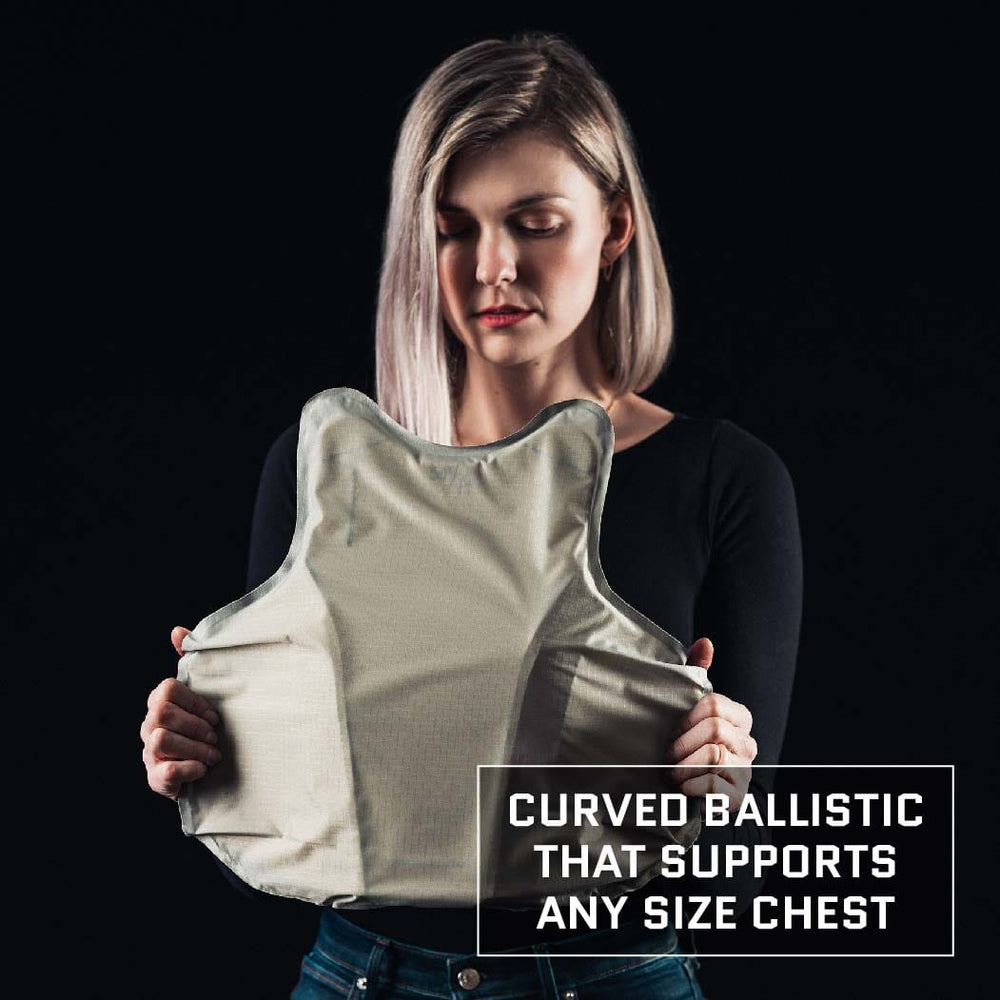
Female detective body armor is purpose-cut to account for differences in torso shape, chest size, and shoulder width. Women’s concealable vests are contoured to sit flush against the body, which means better concealment, better comfort across a full shift, and protection that actually covers what it’s supposed to cover. Female officers should choose armor specifically designed for women’s body profiles rather than unisex cuts that claim to accommodate all body types. The difference in both wearability and ballistic coverage is significant.
Department Procurement for Detective Divisions
Equipping a detective division isn’t the same as outfitting a patrol unit. Different assignments, body types, and operational environments mean a one-size procurement approach will probably put officers in the wrong gear for their actual work.
Detective protective gear requires more individualized evaluation than a standard patrol vest order. There’s also the aging factor to consider. Soft armor lasts for roughly five years, while hard plates can have warranties as high as 10 years. Those timeframes need to be built into your procurement cycle to make sure aging armor is replaced before it fails.
Premier Body Armor works directly with you to account for the specific needs of investigative units. That means helping agencies identify the right protection levels for different assignment types, making sure that female detectives have access to fitted options, and sourcing vests that meet both NIJ certification requirements and the real-world demands of plainclothes work.
LEOnline® procurement simplifies the purchasing process for agencies and individual officers, giving you access to certified armor with the documentation and compliance tracking that department procurement offices require. Whether you’re outfitting a full detective division or sourcing armor for a specialized unit, our process makes sure you’ve got the right gear.
The right detective body armor comes down to matching concealment, certified protection, and proper fit to the assignment in front of you. Connect with Premier Body Armor’s law enforcement specialists or start a department quote today.
frequently asked questions
We will sell body armor to civilians, Law Enforcement Officers, and Military Personnel in the United States who meet the following criteria:
1. Are 18 years of age or older
2. Are not a felon;
3. Are legally allowed to possess and use the item(s) in your state (If you are a New York or Connecticut resident, you must be active Law Enforcement or Military Personnel and provide necessary credentials);
4. Are purchasing this product for only lawful purposes;
5. Are purchasing this product on your own behalf;
6. Comply with all other Terms & Conditions.
Learn more about the legality of body armor in each state.
STRATIS Plates have an 8-year warranty. Fortis plates have a 7-year warranty. Soft body armor panels (for vests and backpacks) have a 5-year warranty, and each carrier has a 2-year warranty.
For warranties on specific products, please see the product page.
All products (excluding clearance items) are eligible for an easy return or exchange if initiated within 30 days of receipt, and the product(s) is in new, unused condition.
There is no re-stocking fee for returns or exchanges. The customer is responsible for any return shipping costs associated with returning the product.
Read more about our returns & exchange information.