
SWAT and SRT teams operate in some of the highest-risk environments around. They serve warrants, deal with barricades, handle active threats, and need gear that supports rapid deployment when the call comes out. There’s no time to wonder if your vest fits right or your gear’s accessible.
Premier Body Armor provides mission-ready SWAT team gear built for duty wear, from low-profile and external carriers to rifle-rated configurations. Whether you’re updating your team’s gear or starting fresh, our SWAT team gear delivers the protection the call demands.
What you’ll find:
- Plate carriers optimized for tactical entries and sustained operations; placard- and MOLLE-ready.
- Rifle plates for carbine threats, including ICW rifle plates (requires an approved soft-armor backer as specified on the plate’s listing) and other rifle-rated options; common sizes include 10×12 and SAPI.
- Fortis Ballistic Helmet with accessory-ready mounting for comms and lights, plus secure retention for hard movement.
- Compatible pouches, placards, and field accessories (as applicable) to round out an SRT kit.
LEOnline™ procurement
Add items to your quote to generate an instant estimate. Submit your quote, and our team verifies credentials, aligns specs (threat level, cut/size, carrier configuration), and provides an official quote with lead times and next steps. Certain items are restricted to verified law-enforcement agencies and officers.
18 products


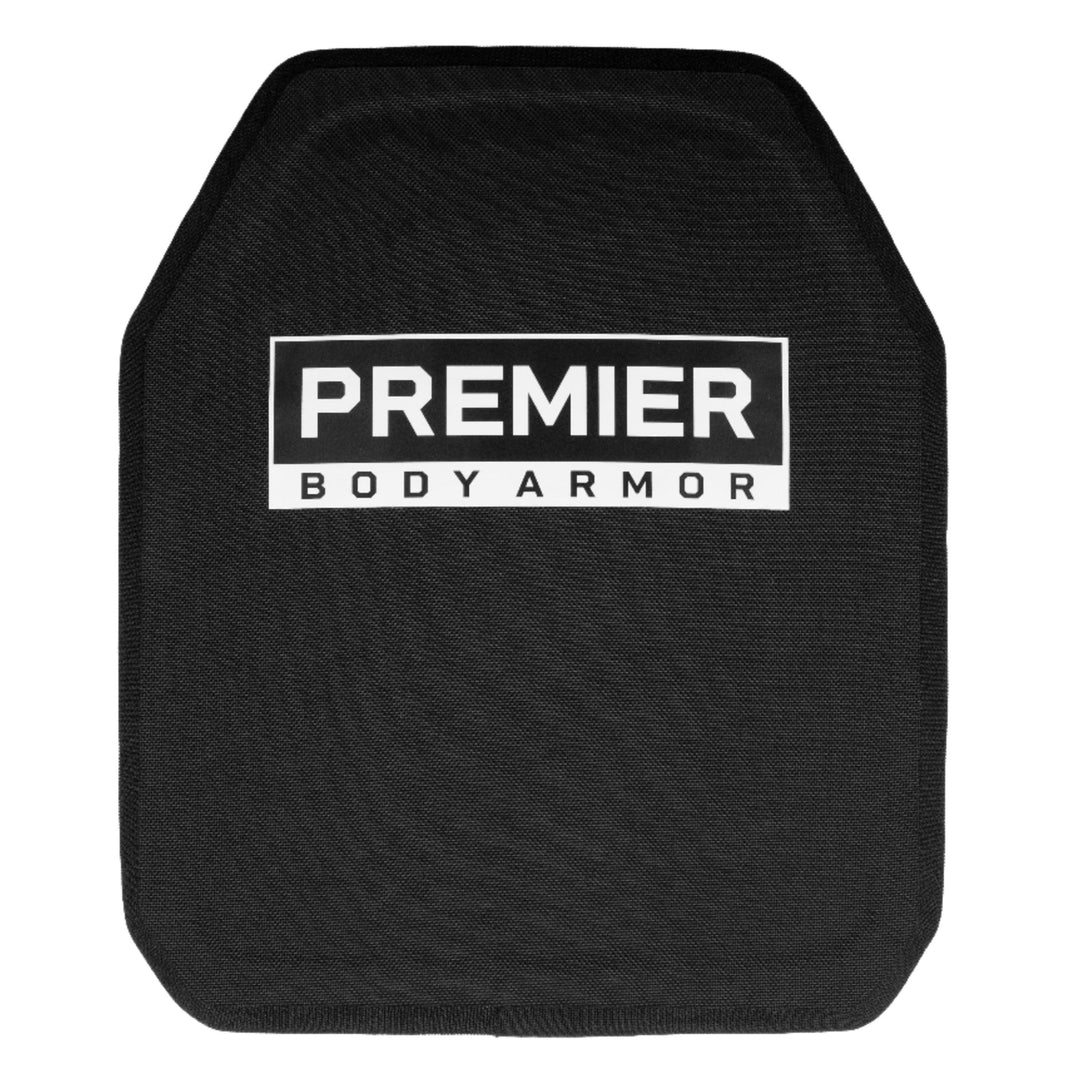
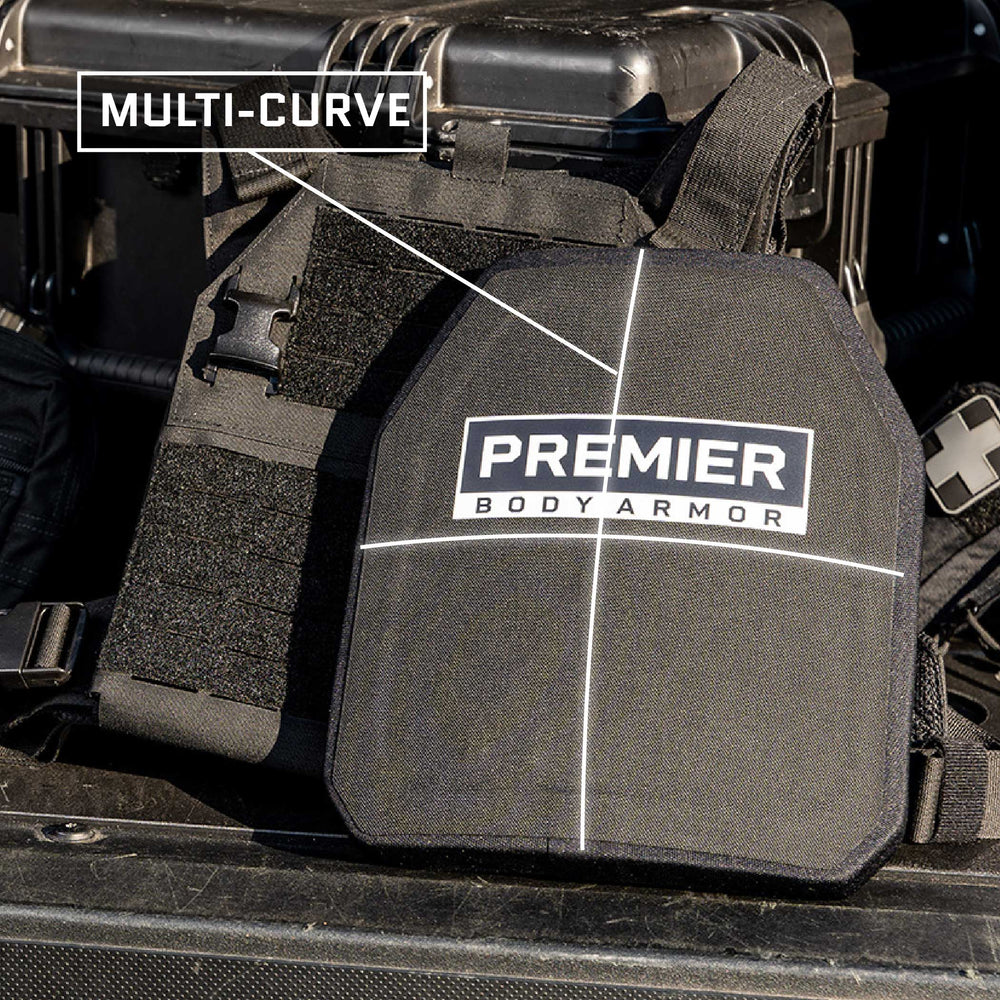

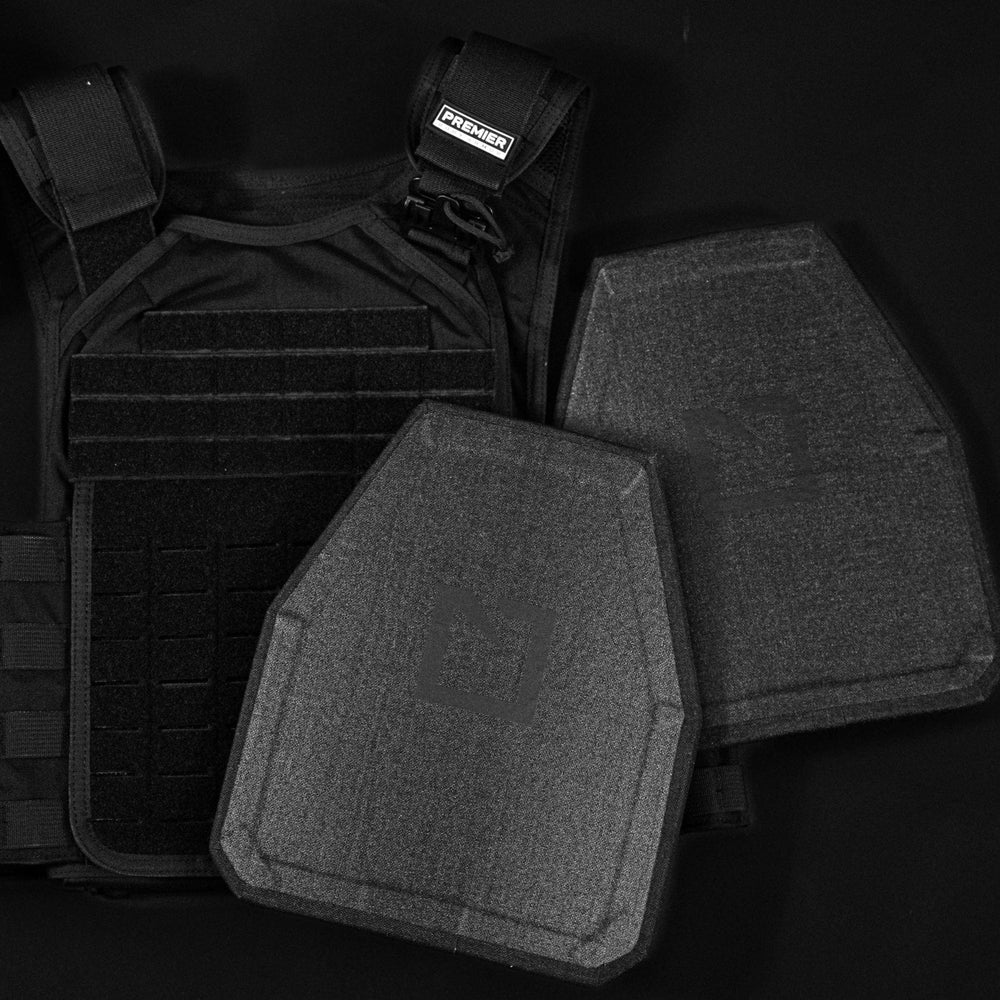
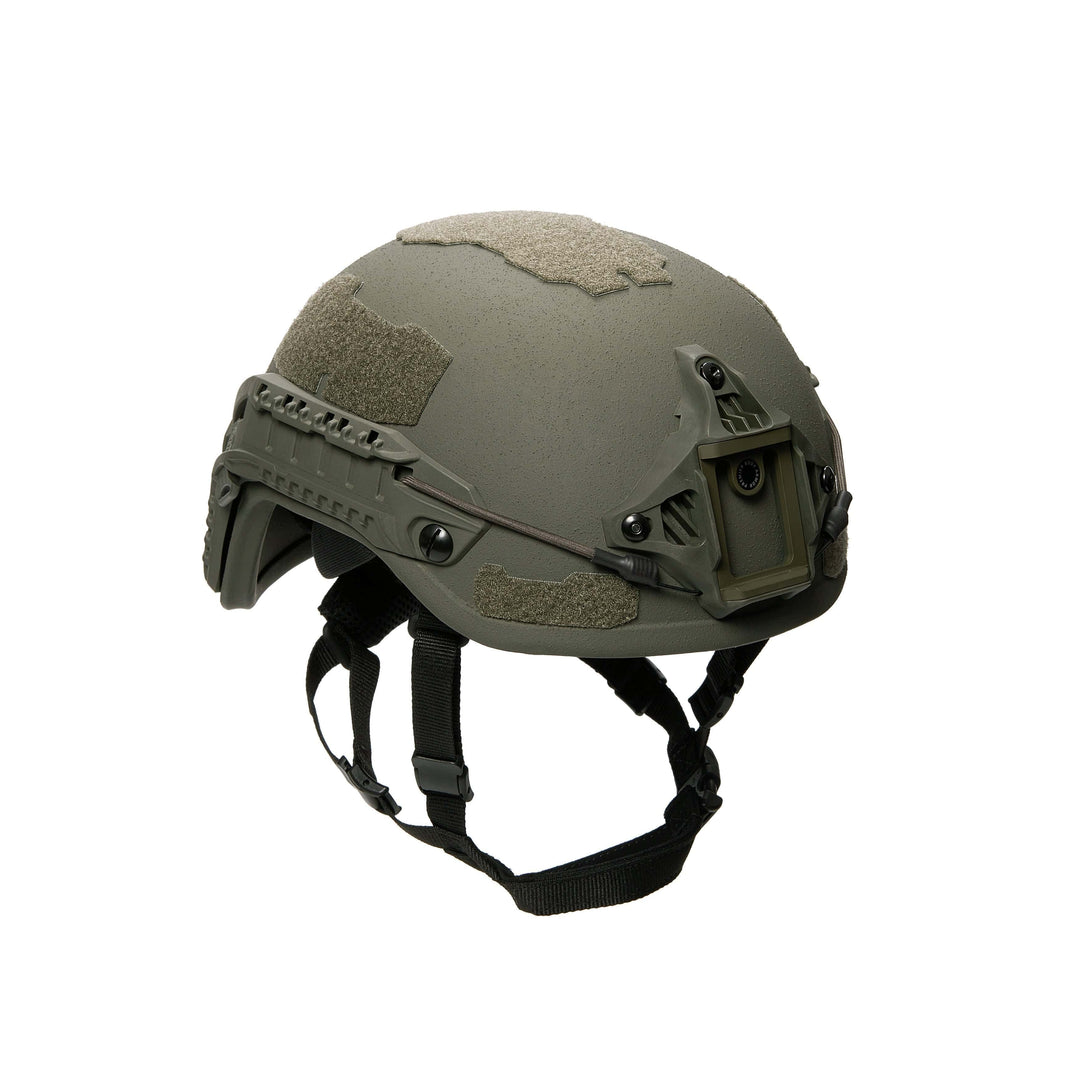
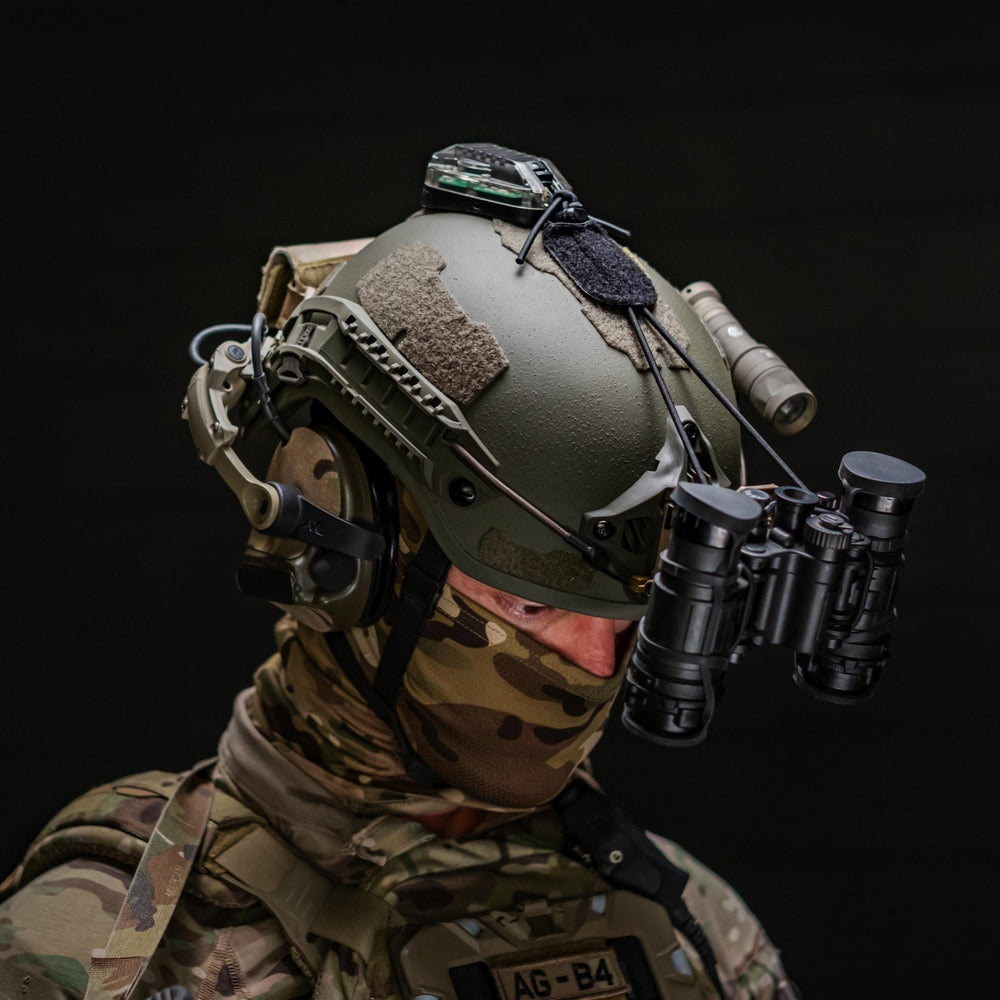
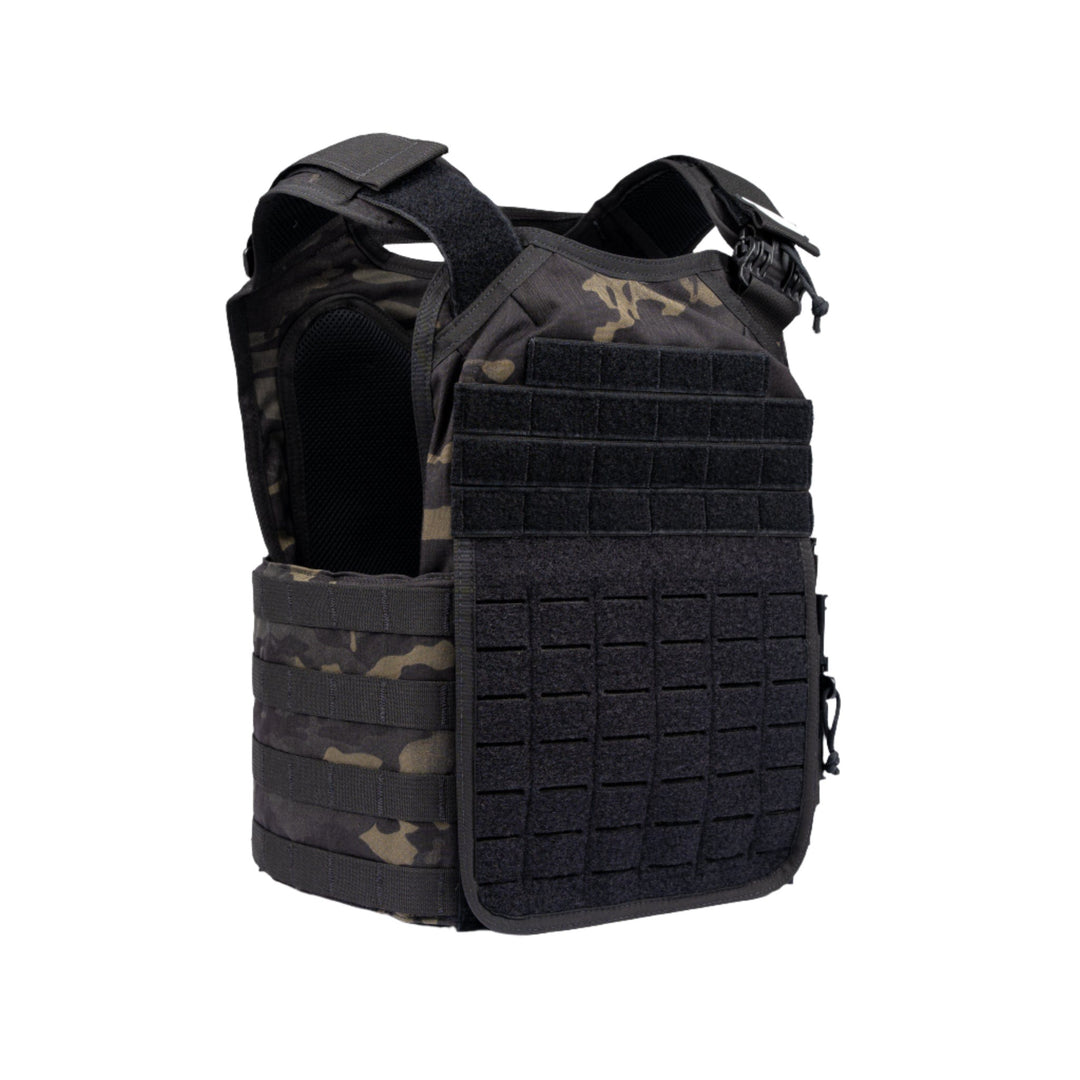
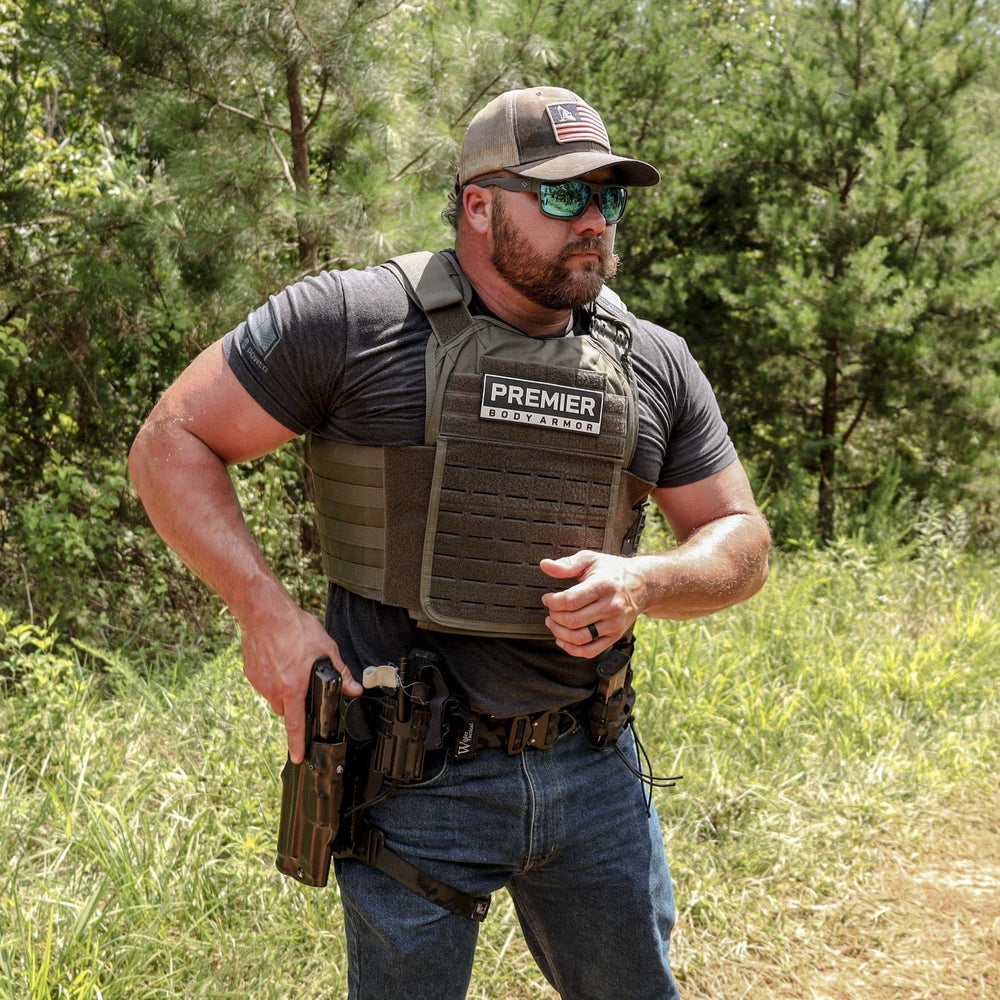
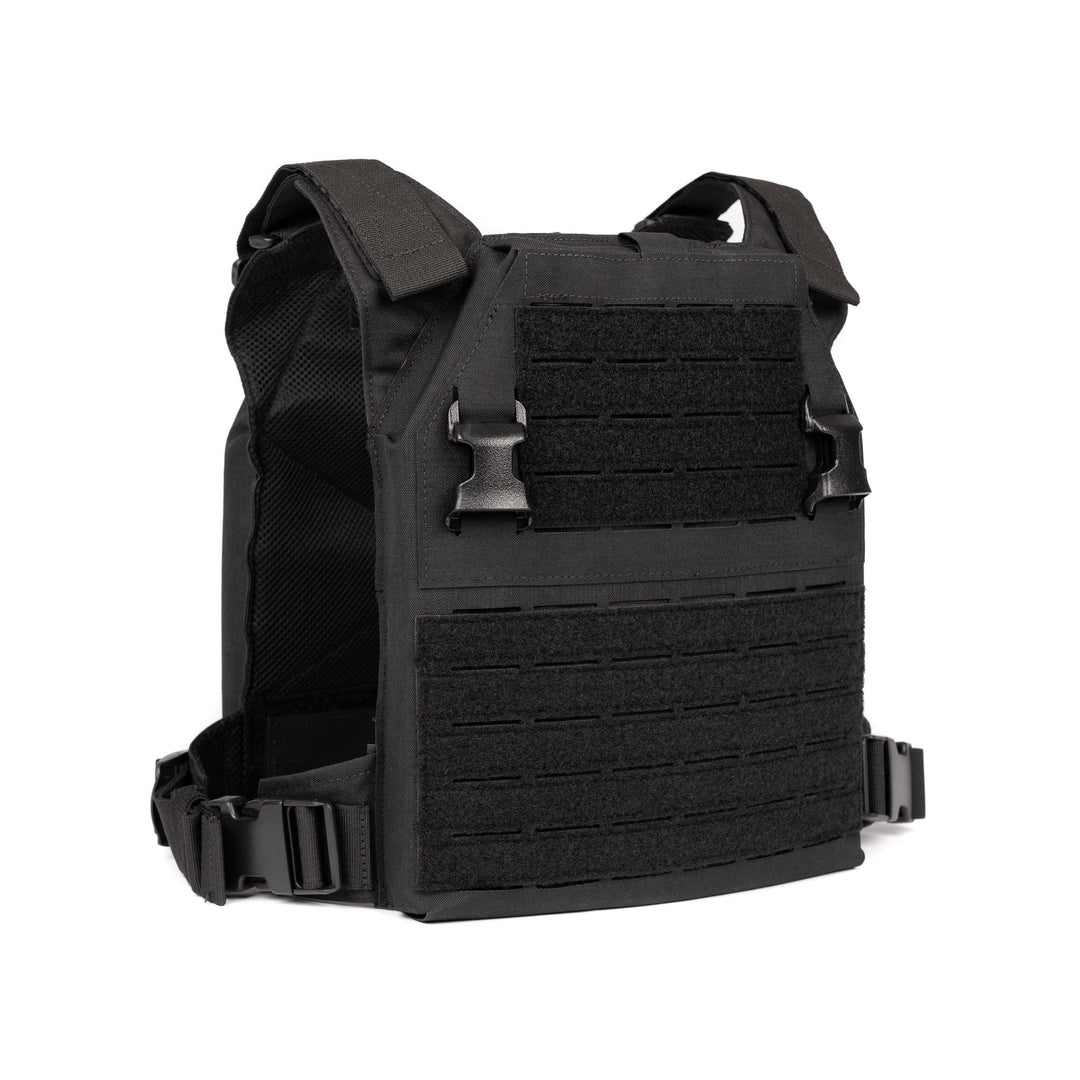

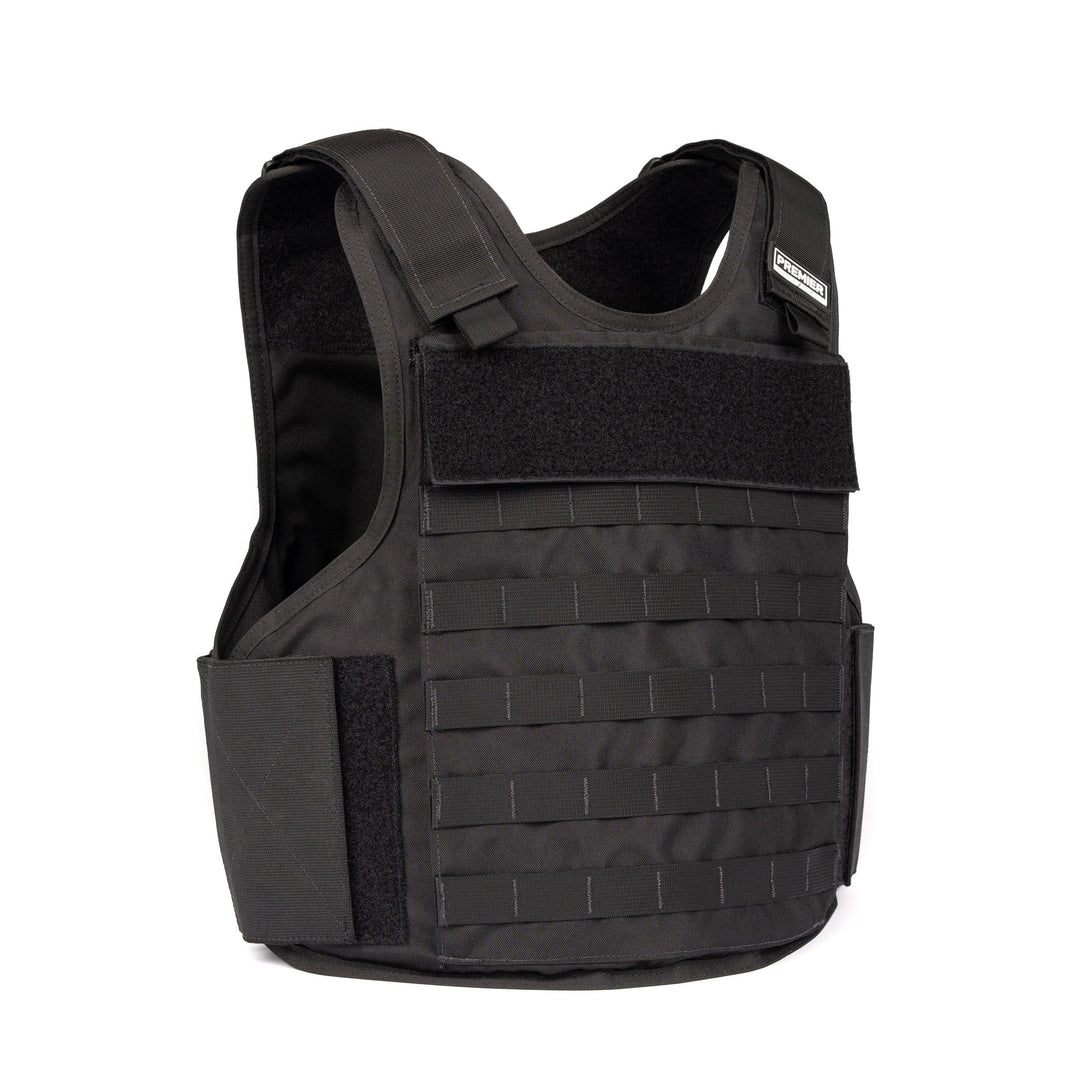
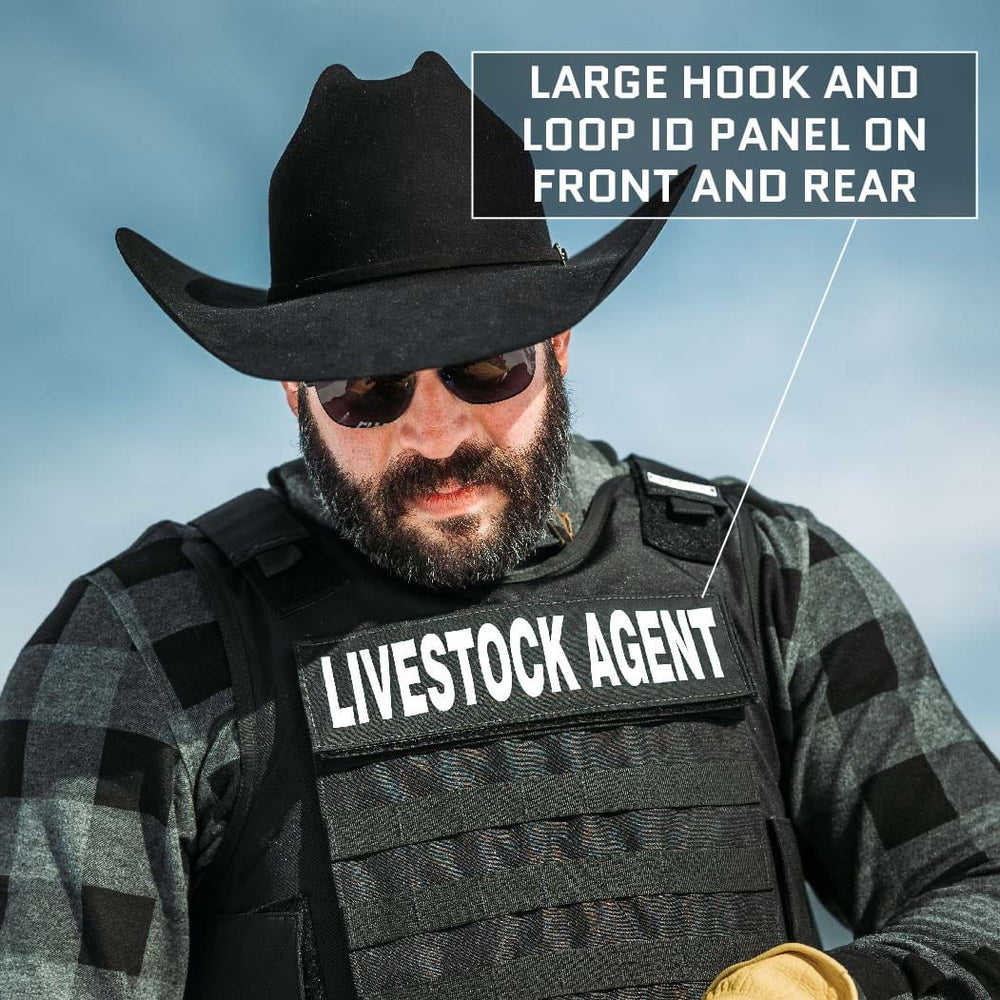
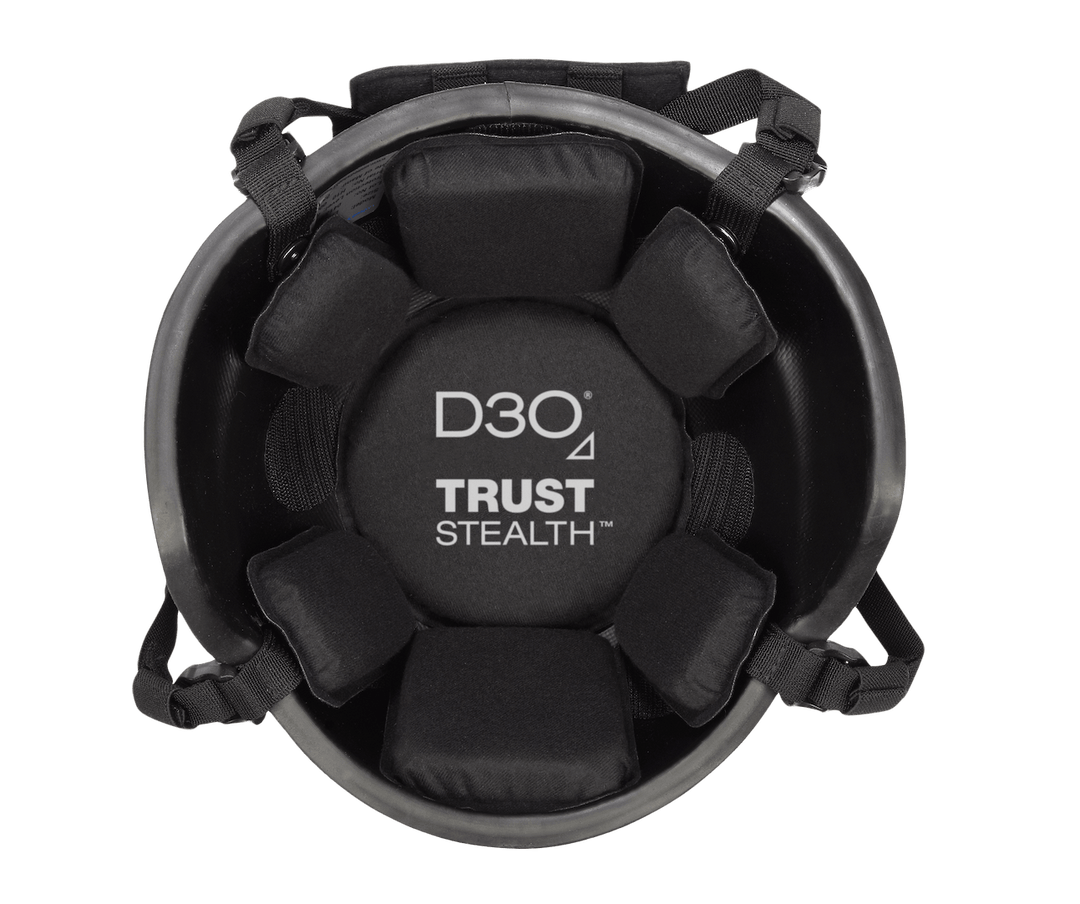

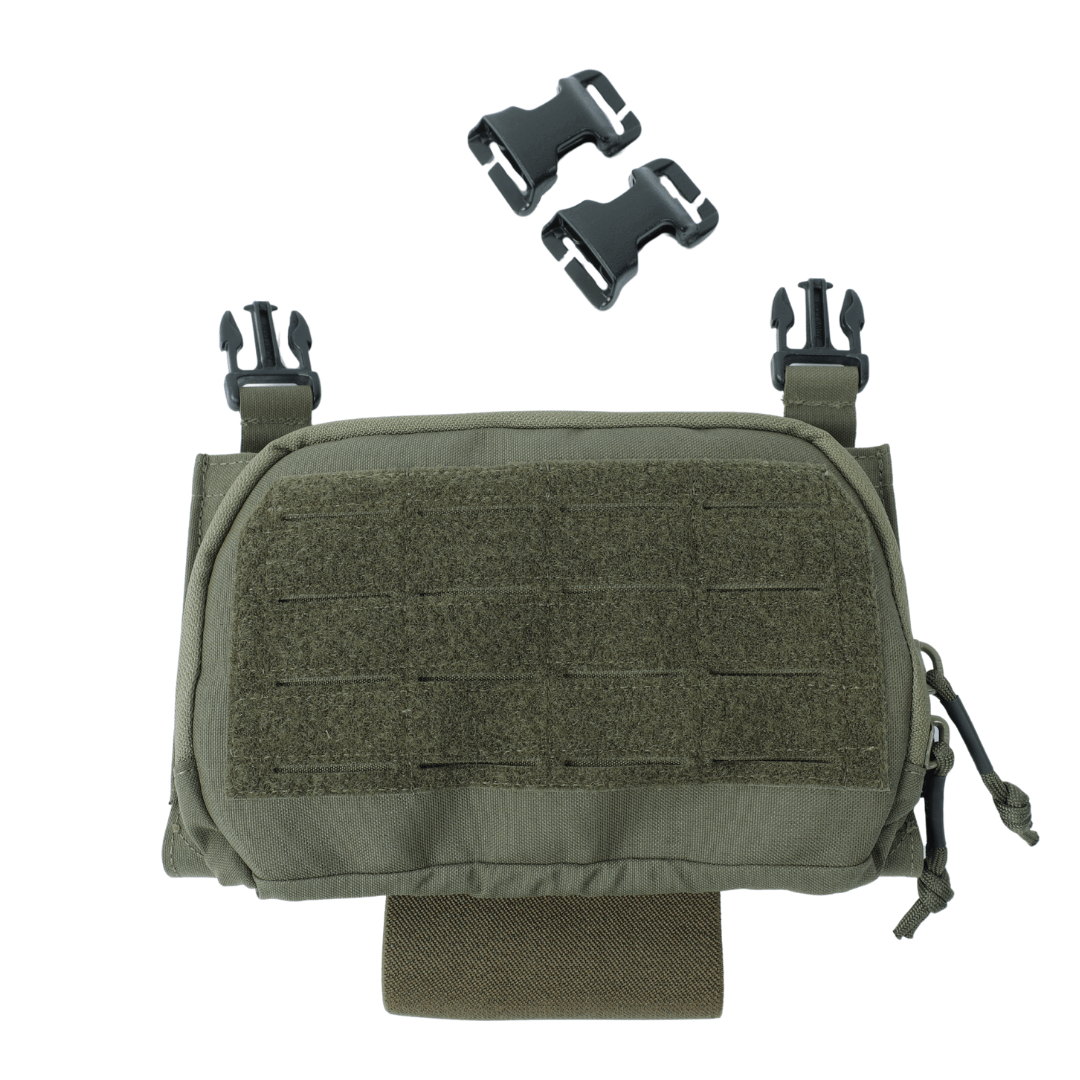
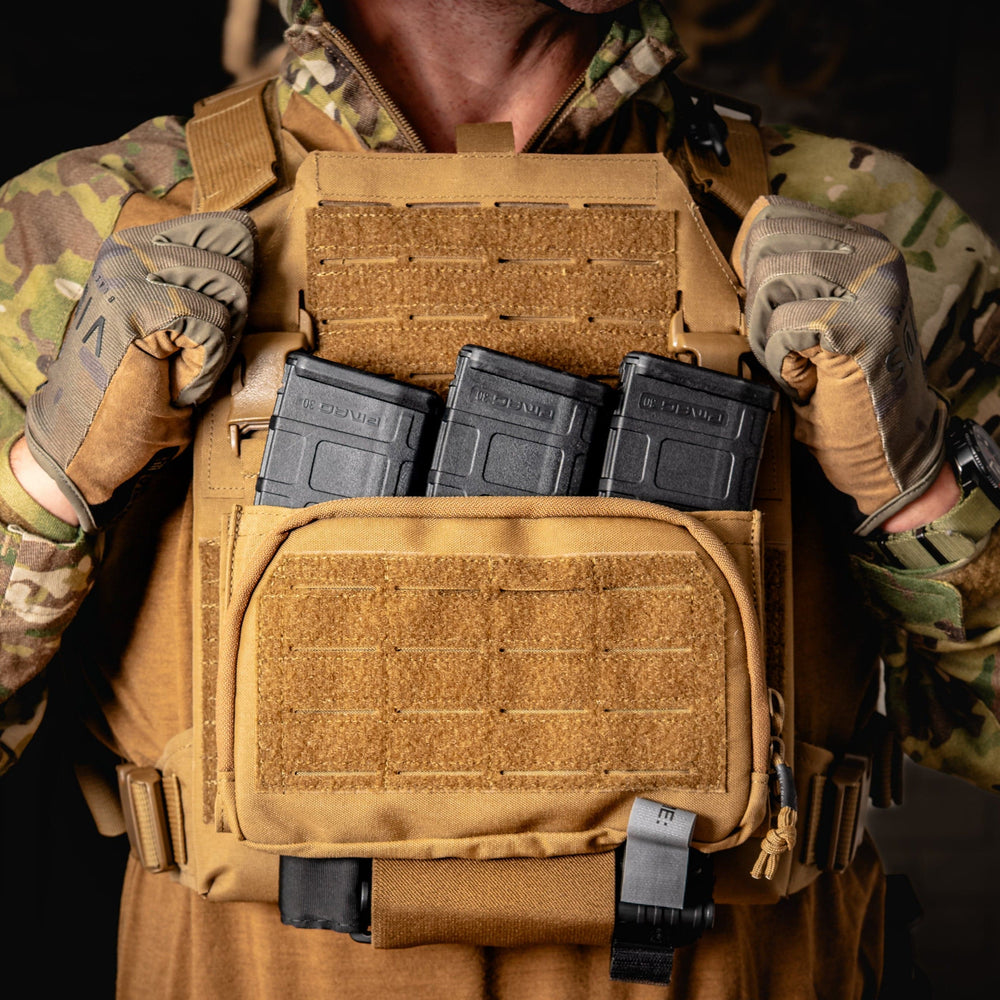


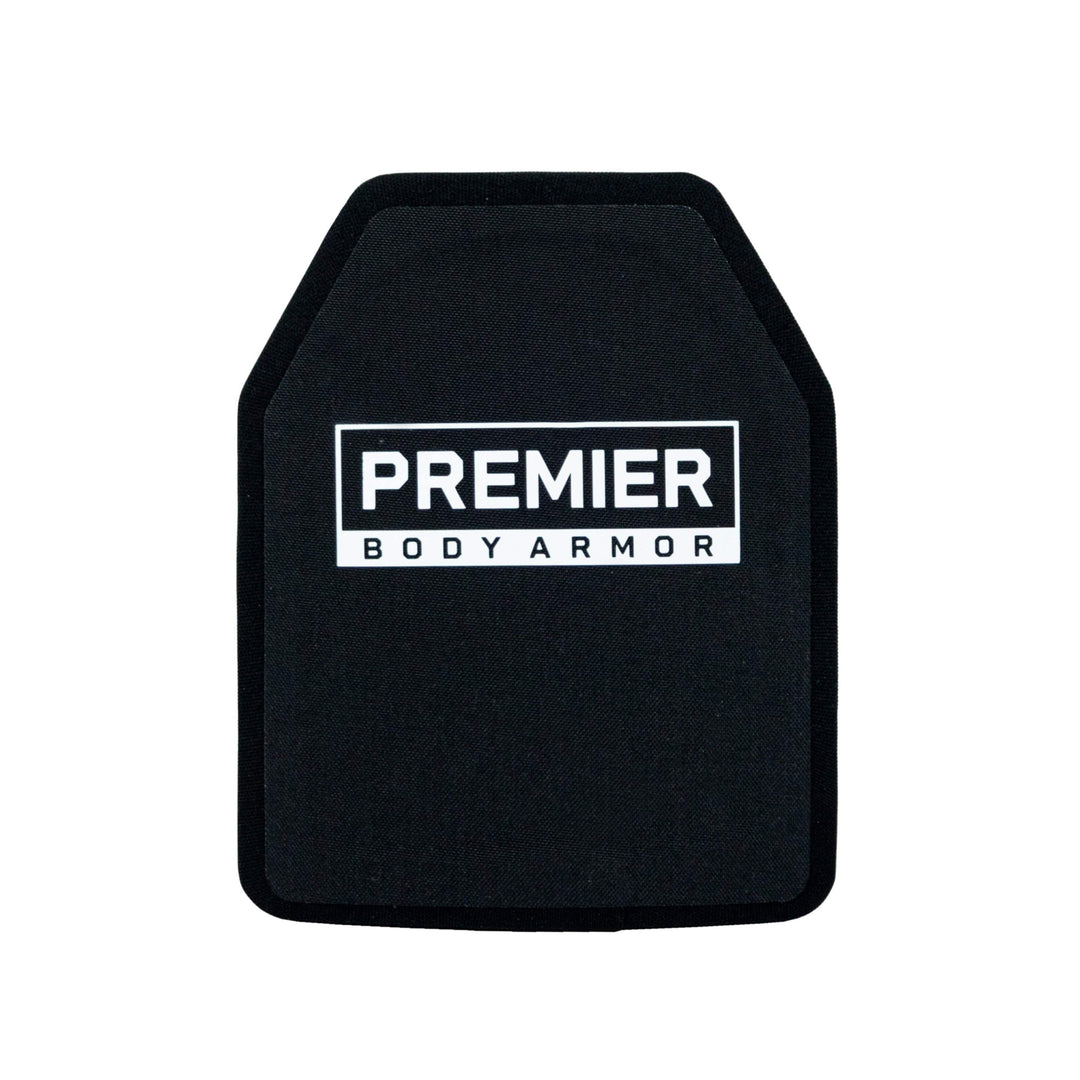
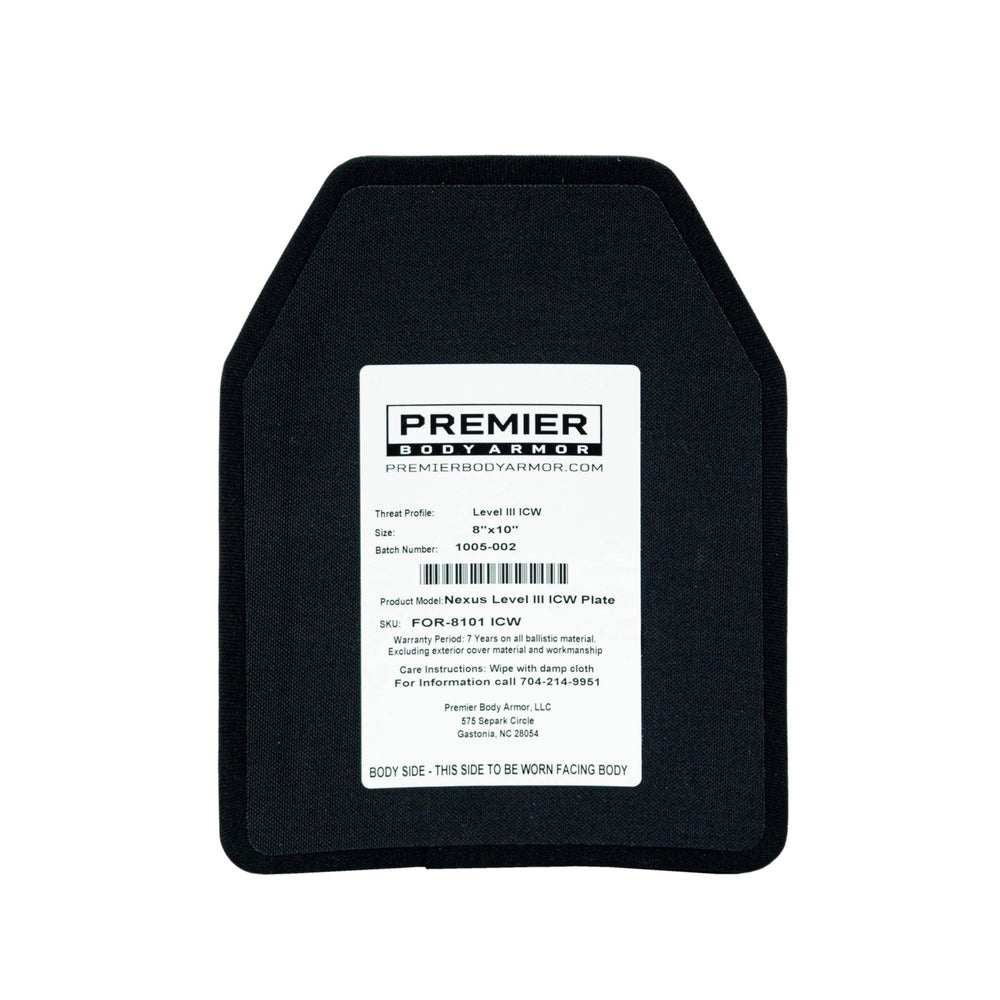


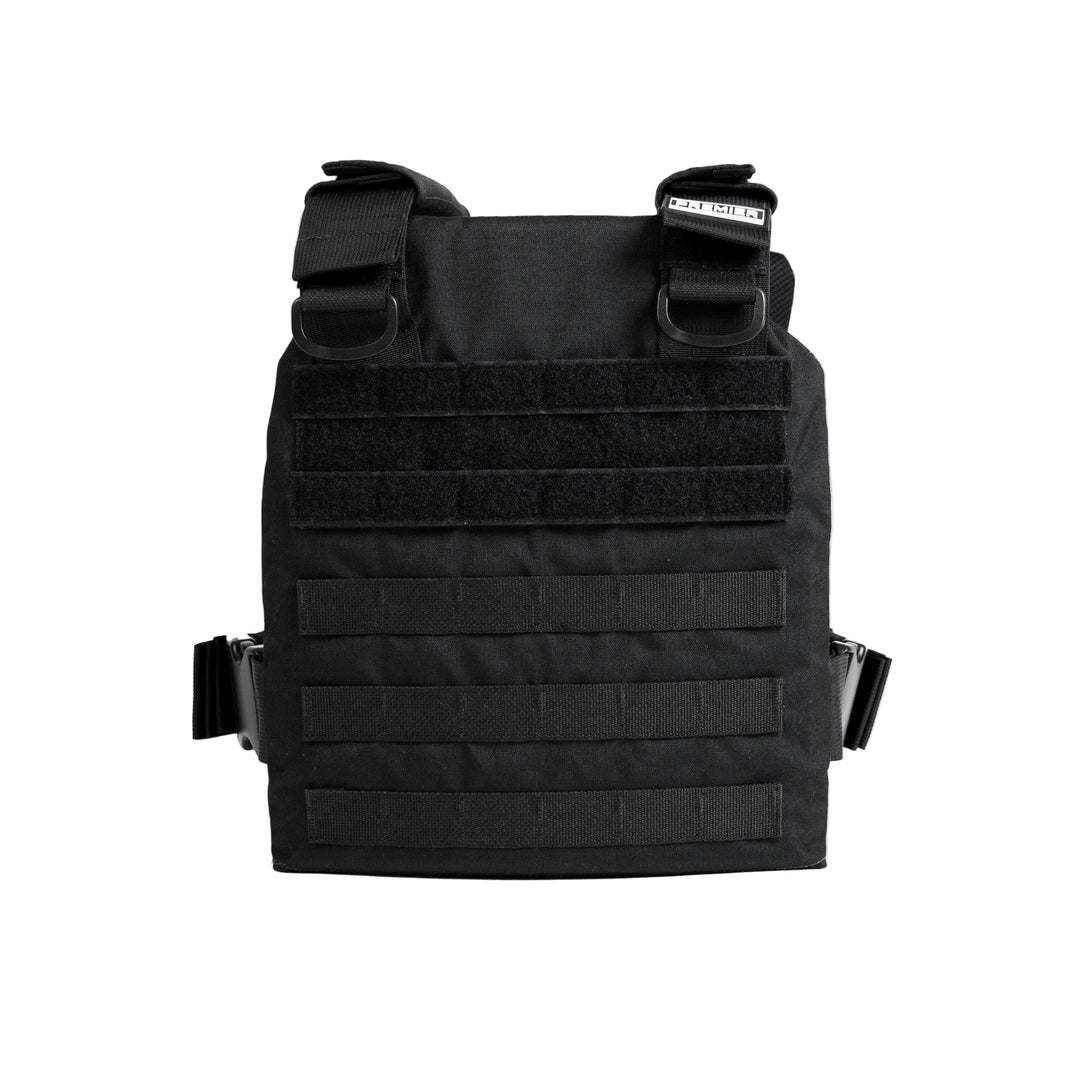
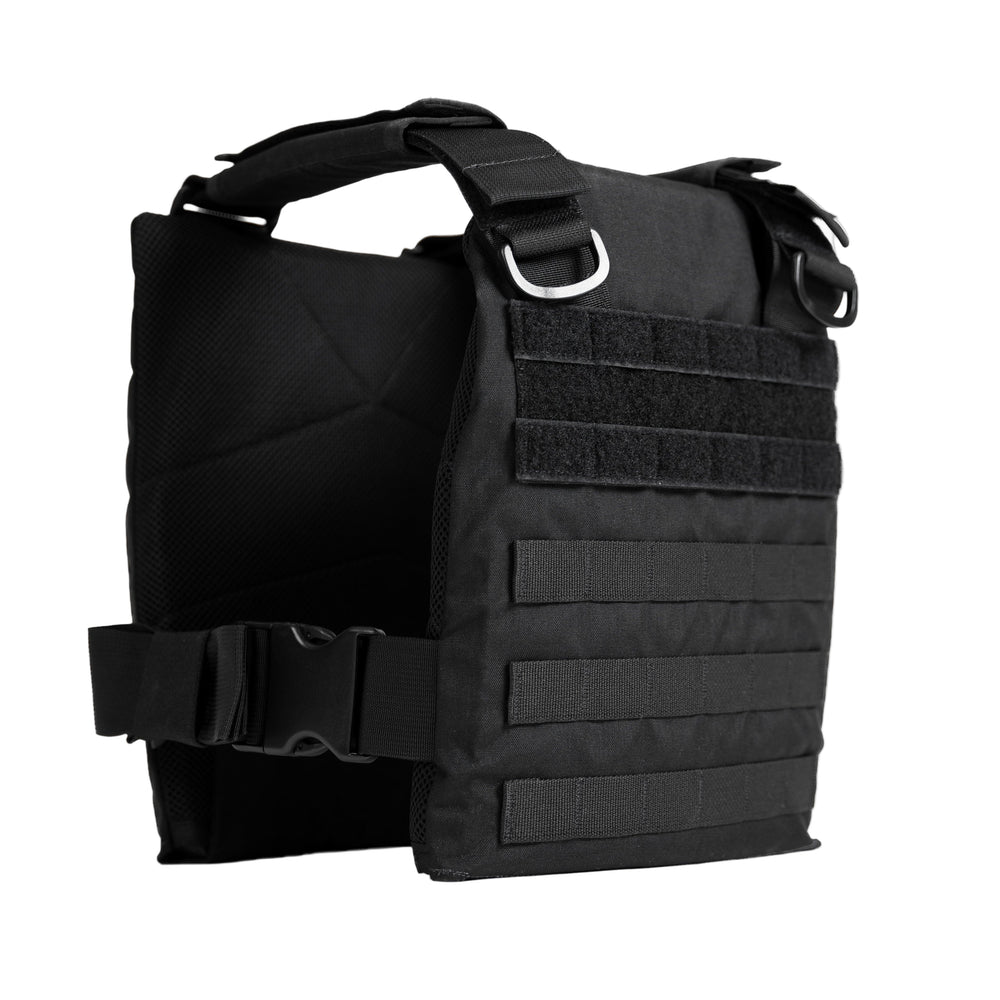


Built for U.S. tactical teams - SWAT, SRT, and specialized units - this collection brings together our mission-ready carriers, rifle plates, including ICW (in-conjunction-with) options designed to be worn with an approved soft-armor backer per the plate’s tested configuration, and the Fortis Ballistic Helmet. Every item is selected for duty reliability, scalable protection, and clean integration with modern loadouts.
Why SWAT & SRT Teams Require Specialized Tactical Gear
SWAT call-outs aren’t like standard police patrols, and your equipment can’t be the same, either. SWAT team tactical gear has to support very specific requirements, including aggressive movement, extended wear, and quick transitions between vehicles, structures, and perimeter positions.
Load carrying matters, too. Officers may need to run a rifle mag setup, comms, medical, breaching tools, and less-lethal options, all without turning the kit into a snag hazard or a heat trap.
That’s why our SRT gear focuses on scalability and fit. Teams often need to up-armor fast (including rifle-rated plates when the mission requires it), adjust for different wearers, and keep a secure, stable fit, even during active movements.
For everyday assignments and standard patrol needs, see our Law Enforcement Patrol Vests.
Operational Threats & Environments That Define SWAT Gear Needs
Choosing the right SWAT team body armor starts with looking at the calls you’re gearing up for. High-risk warrant service, barricaded subjects, and active threat responses can mean dealing with a wide range of risks, including rifle threats, close-quarters contact, and unpredictable angles (often in tight hallways, stairwells, and crowded residential settings).
Add low visibility, hard surfaces, and the need to move quickly with a long gun, and it’s apparent that SWAT gear needs to be dependable and durable, but also exceptionally versatile.
SRT missions also bring challenges that standard duty setups can’t always handle: breaching operations that punish gear with impact and abrasion, extended perimeter holds that require comfort and stability over time, and rapid posture changes (standing, kneeling, prone, and transitioning in and out of vehicles).
The right SWAT gear setup lets you move quickly, keeps critical equipment accessible, and delivers consistent protection without shifting or snagging.
Hostage Rescue, High-Risk Warrants & Urban Entry
Dealing with hostage rescue and dynamic entries means that you need urban tactical armor that fits snugly to the body and clears doorways and narrow corridors without snagging. A well-designed SWAT raid vest supports rapid transitions (standing to kneeling to prone) while keeping the essentials (comms, medical supplies, mags, etc.) secure and in easy reach. The priority here is to have a stable, mission-ready platform that protects during close-quarters movement without trading off either speed or control.
Active Shooter and Counter-Terrorism Response
Where active shooter calls can involve handgun or rifle threats, terrorism-related threats and planned high-risk operations can get even more complex, involving firearms, improvised devices/explosives, multiple engagement distances, or other complications.
Having the ability to scale protection and load carriage quickly during staging or as the situation develops, including adding rifle plates when the mission requires it, can be crucial. The right SWAT body armor helps you move decisively while maintaining consistent coverage and stable equipment placement for effective response.
Riot Control, Crowd Management & Less-Lethal Engagements
In some agencies, SWAT or SRT may augment civil disturbance operations or handle specific high-risk tasks within crowd events. Crowd control operations mean you’re facing very different threats. Those can include blunt impacts, thrown objects, improvised weapons, and physical contact that can damage equipment (and bodies) over hours.
Effective riot armor and tactical protective gear have to stay secure, distribute weight comfortably, and allow a full range of motion for shields, batons, and nonlethal tools. The right setup will prioritize fit/stability, ventilation, and smart load carriage.
Types of SWAT & SRT Body Armor and Gear
Special response team gear cannot be a monolith. Officers simply have too many varied demands on different call-outs. Instead, it should be designed around a layered approach. Your gear needs to match the protection, mobility, and carrying layout to the specific mission profile.
- For surveillance, pre-op staging, and low-visibility movement, low-profile soft armor can give the necessary protection.
- When the call requires higher threat protection, external carriers and tactical vests give you a sturdier platform for tactical SWAT armor, supporting rapid on/off, stable loadout placement, and the ability to scale up with rifle-rated plates.
Beyond armor itself, SWAT/SRT kits usually include mission-support components like plate carrier accessories, pouches, medical organization, and duty-ready attachments designed to keep the most important gear accessible. The goal is getting the configuration right for every call-out.
Heavy-Duty Ballistic Vests & Plate Carriers
A dedicated SWAT plate carrier or external vest gives you a stable foundation for mission load carriage and lets you quickly adjust to meet changing requirements. These platforms are designed to accept rifle-rated armor plates when needed, while keeping the kit secure even when breaching entries, taking stairwells, during prone work, and entering/exiting vehicles. The right carrier balances coverage and mobility, with a fit that stays locked in place so your gear remains exactly where you need it.
Helmet & Head Protection
Head protection is non-negotiable during most SWAT and SRT situations. That’s especially true when entering buildings and during close-quarters work. A properly fitted SWAT helmet protects against blunt force and can also carry important accessories like lighting and eye protection.
Head injuries are a real risk during entries, breaching, and close-quarters movement. A properly fitted ballistic helmet helps reduce injury risk from impact and blunt trauma, while also providing a stable platform for mission accessories.
Tactical Load-Carrying Gear: MOLLE, Magazine Pouches & Utility Packs
Gear organization and layout are just as important to consider as having the right armor for SWAT officers. Depending on the situation, you may need to carry a wide range of SWAT tactical vest gear, like mags, medical, and tools. All of those need to be secure, accessible, and consistent across the team. MOLLE tactical gear lets you create that setup with mission-specific pouches and utility storage while maintaining a low-snag profile for tight entries.
Specialist Gear: Shields, Breaching Tools & Riot Control Equipment
If there’s one thing that’s true across SWAT operations, it’s that they’re incredibly variable. Different missions and special operations require specific tools alongside armor:
- A tactical shield can provide cover during approach and entry, while dedicated breaching gear supports forced entry when speed and access are critical.
- Riot control armor and protective components help reduce injury from impacts and constant contact during crowd control situations.
The key with both ballistic shields and riot control armor is integration: specialist equipment should work with your carrier and loadout, so you can deploy it quickly.
Critical Features for SWAT & SRT Gear Selection
Evaluating tactical gear features? Don’t start with the gear itself. Instead, start with what affects performance in the field (the gear’s fit, stability, and scalability).
- Armor: Armor that rides up or shifts during movement, or that makes it hard to shoulder a rifle, becomes a distraction. Look for carriers and vests that adjust quickly, stay anchored through different stances, and support your team’s standard placement for tactical gear.
- Durability: Evaluate SWAT armor durability; high-risk situations can be hard on equipment. Abrasions from walls and concrete, impacts during breaching, repeated vehicle in/out, and long hours in the heat all take their toll. Reinforced stitching and high-quality materials that hold their shape matter because you can’t afford a failure in the field.
- Adaptability: Finally, choose systems that can adapt to different scenarios and threats. The ability to configure light for speed and then add protection and load carriage for different operations helps make sure you can adapt as things change.
Ballistic Protection Levels & NIJ Standards
Not all ballistic vests are created equal, and it can be hard to choose between them. You want armor you can verify. For many agencies, that means selecting a certified ballistic vest listed under the NIJ Compliance Testing Program and confirming the exact model designation. The National Institute of Justice (NIJ) standards define the test methods and performance requirements, so you can match protection levels to the threats your team is planning for.
NIJ Standard 0101.07 specifies updated testing methods and performance requirements for body armor, designed to better reflect modern duty conditions and ammunition types. If you’re comparing ratings or reviewing what “certified” really means, see our breakdown of the standard.
Mobility, Ergonomics & Mission Readiness
Your kit should move with you. A lightweight tactical carrier that fits correctly helps you shoulder a rifle cleanly, maintain a full range of motion, and shift quickly between standing, kneeling, and prone without the vest riding up or gapping. Ergonomic design matters in the real world because comfort and stability directly affect your endurance and speed, and even your decision-making.
Modularity, Customization & Rapid Deployment Readiness
While it would be nice if every call-out required the same setup, that’s very far from reality. Everything can vary by team and mission, so your loadout should be adaptable without turning into a rebuild every time. Modular tactical gear lets you standardize the things you’ll need every time, while still tailoring the setup for specifics (breaching, less-lethal, or perimeter work, for instance). Modularity and customization directly affect rapid deployment readiness.
Sizing, Fit & Team-wide Gear Procurement for SWAT Units
Getting SWAT vest sizing right isn’t as easy as it sounds. A carrier that’s too loose can shift during movement, interfere with weapon presentation, and slow transitions in tight spaces. Too tight, and it restricts breathing and mobility during climbs, kneeling, and prone work.
The most important thing is making sure that everyone’s gear fits correctly, regardless of their body type. You should also have clear sizing guidance and adjustable closures that keep armor coverage where it’s needed.
For SRT team gear procurement, the goal is standardization while still giving everyone an individual fit. To achieve that, you’ll first need to know your approved configuration (where mags will be placed, how comms will be routed, etc). Next, choose carriers and accessories that help you meet that configuration, while giving you the modularity needed for situation-specific customization. When you achieve that, the entire team will be able to get their gear on faster (and correctly) and with fewer distractions.
Ensuring Proper Fit Under Gear & Load
A good tactical vest fit should stay stable once you add the load (plates, mags, medical, comms, and any role-specific tools). That means confirming coverage and comfort while moving, shouldering a rifle, and transitioning in and out of vehicles, not just standing still.
Dialing in armored vest sizing across the team reduces shifting, hot spots, and setup inconsistencies that can cost time and increase danger on deployment, but it’s not as simple as you might think. Take advantage of our LEOnline™ sizing assistance, whether you’re outfitting multiple officers or standardizing a team kit.
Adjustability, Comfort, and Endurance for Long Missions
Extended operations expose every weak point in a setup. That includes pressure points where armor pinches, shifting straps, heat buildup, and fatigue. An adjustable plate carrier helps solve that by giving you a secure fit that stays locked during movement while distributing weight more evenly every time. That also helps improve endurance in the field.
Why Elite Teams Trust Premier Body Armor for SWAT Armor & SRT Gear
When the mission profile includes rifle threats, forced entry, and high-stakes decision-making, teams need a tactical gear supplier that understands how SWAT armor and SRT gear are actually used in the field, not just product specs.
Premier Body Armor delivers proven protection, scalable configurations, and equipment built to protect officers through movement, vehicle transitions, and close-quarters work. As a SWAT gear provider, we make it easy to choose the right setup, whether you need low-profile coverage for pre-op movement, an external carrier platform for load carriage, or plate-capable systems.
We also understand team procurement realities. From sizing guidance and standardized loadout planning to quote support for unit purchases, we help streamline special response team gear selection so your team can outfit consistently and deploy with confidence.
Get the Right Gear the First Time
Your gear should never be the variable. Build a kit that supports speed, protection, and control, so your focus stays on the mission. Shop SWAT & SRT-ready armor and tactical gear or request a team quote today.