
20 products
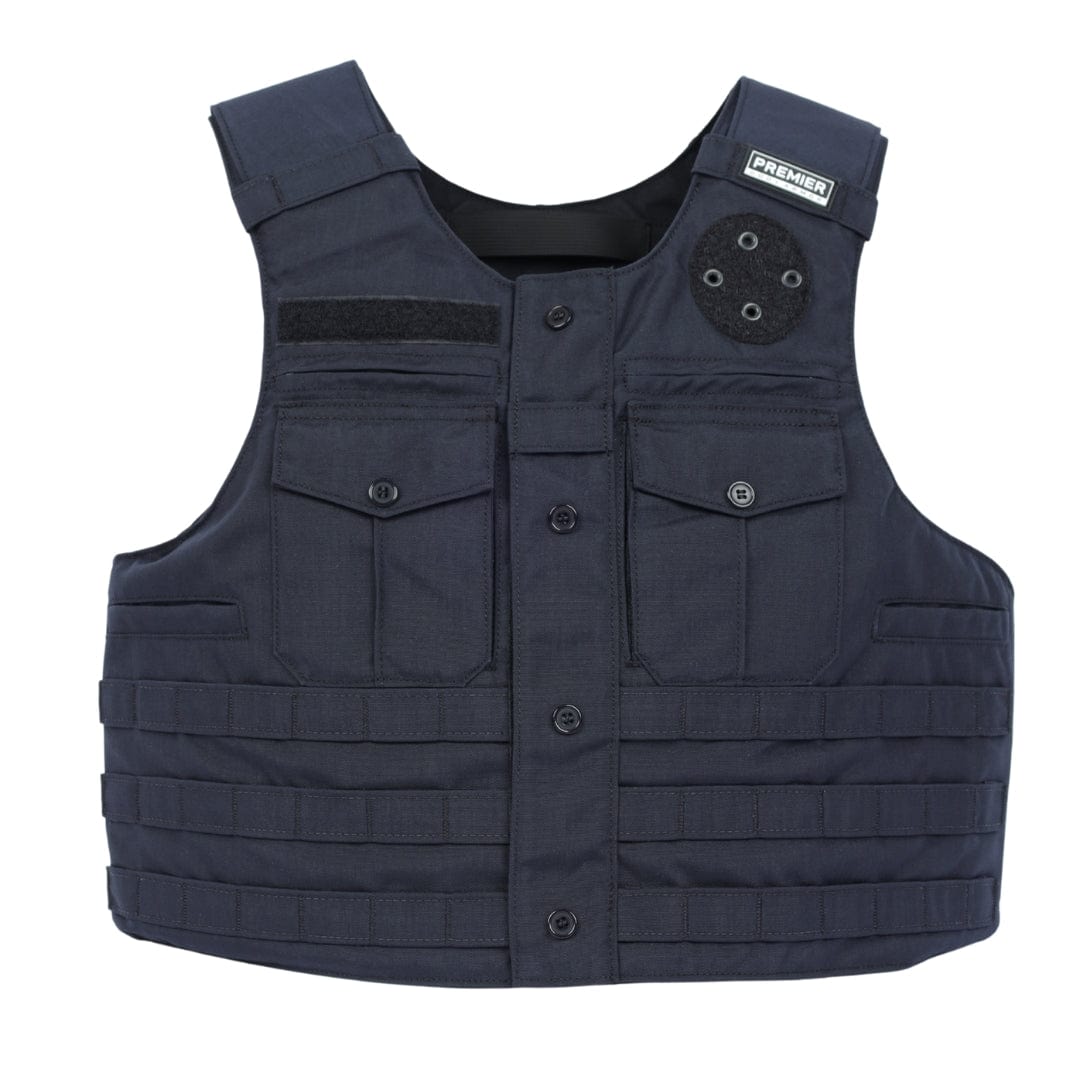
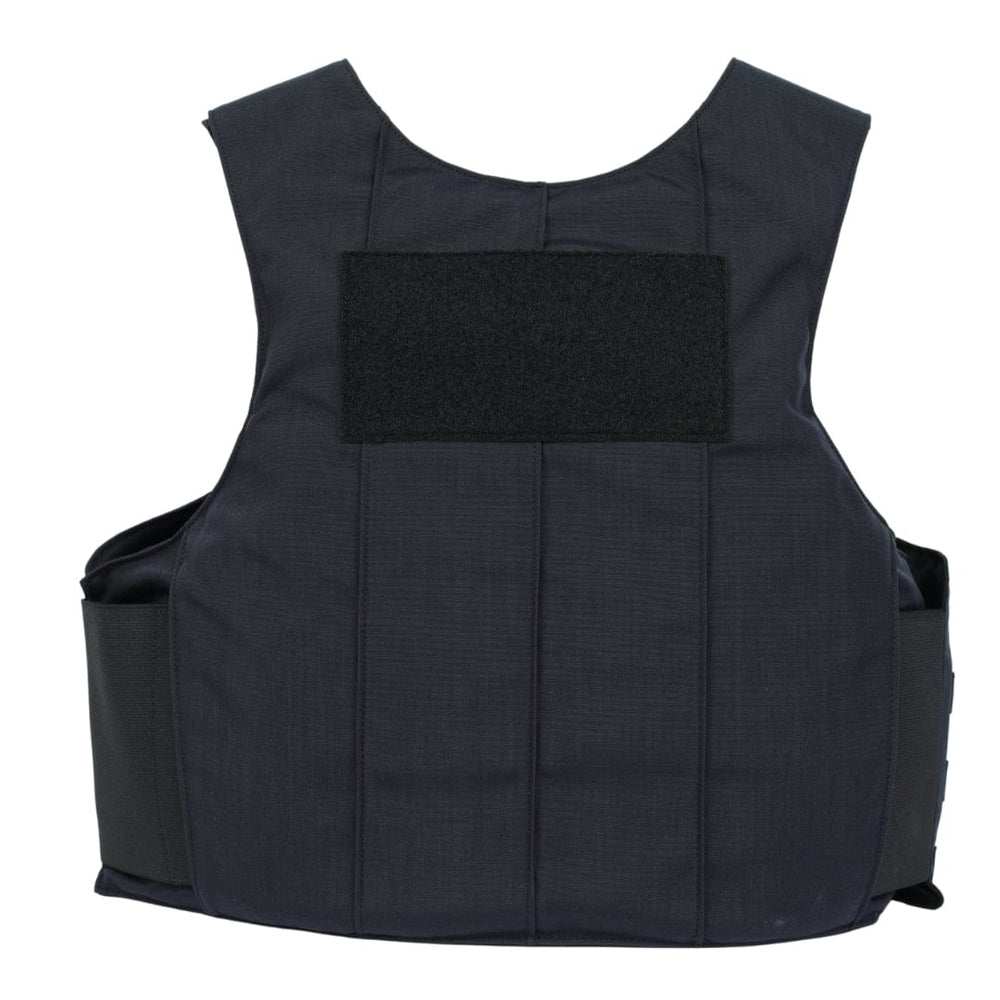
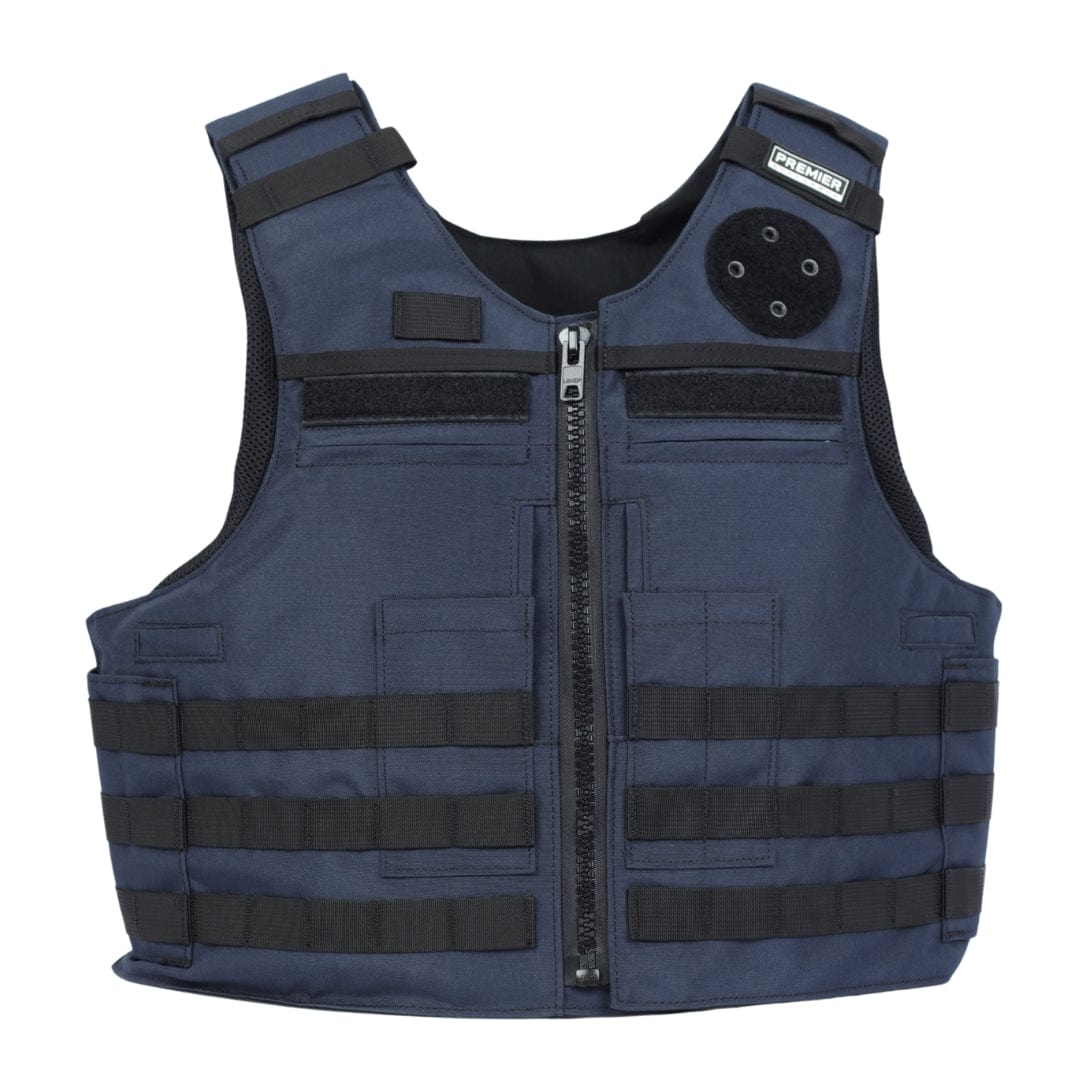
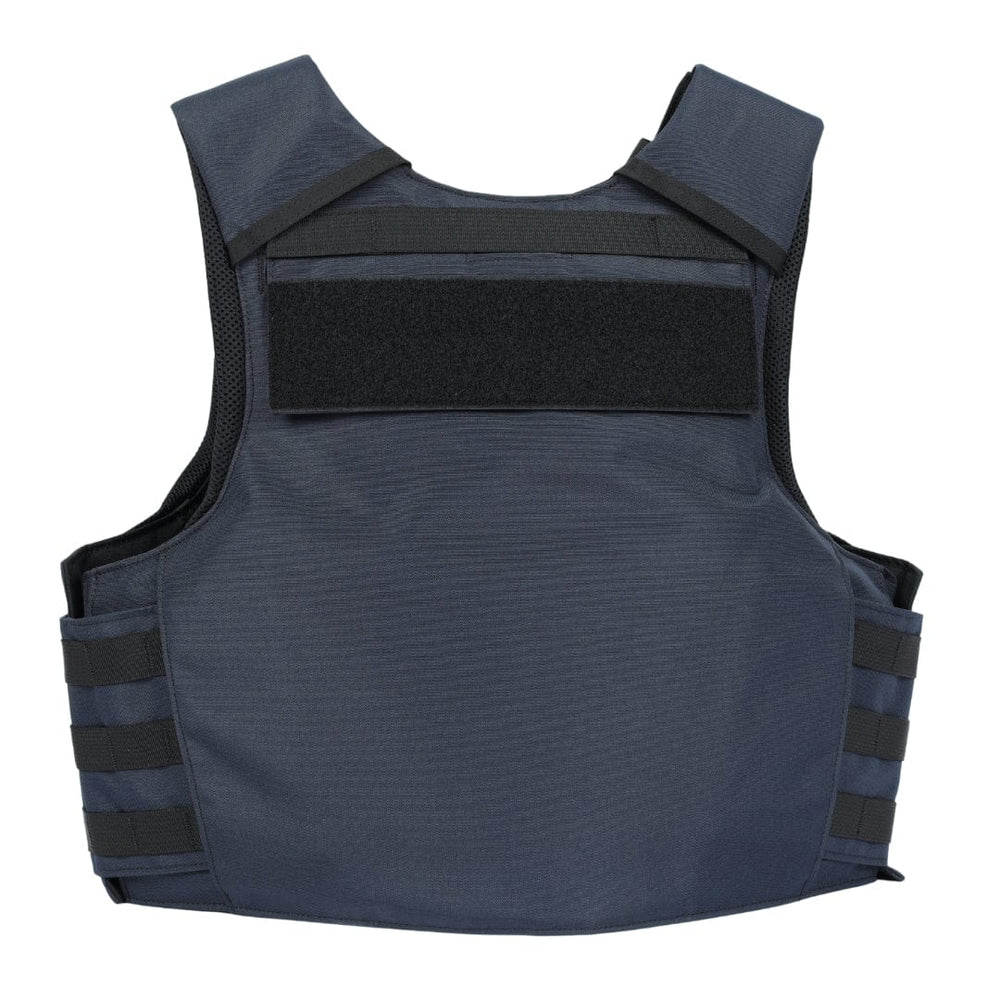






The Critical Need for Rifle-Rated Body Armor in Schools
School resource officers have one of the most complicated jobs in modern law enforcement. They are expected to be trusted by students and parents (and teachers and school admins), act as authority figures, and be first responders when things go wrong on campus. However, with the rise of gun violence in American schools over the past decades, SROs have also become the first line of armed defense in any active shooter scenario before police can arrive.
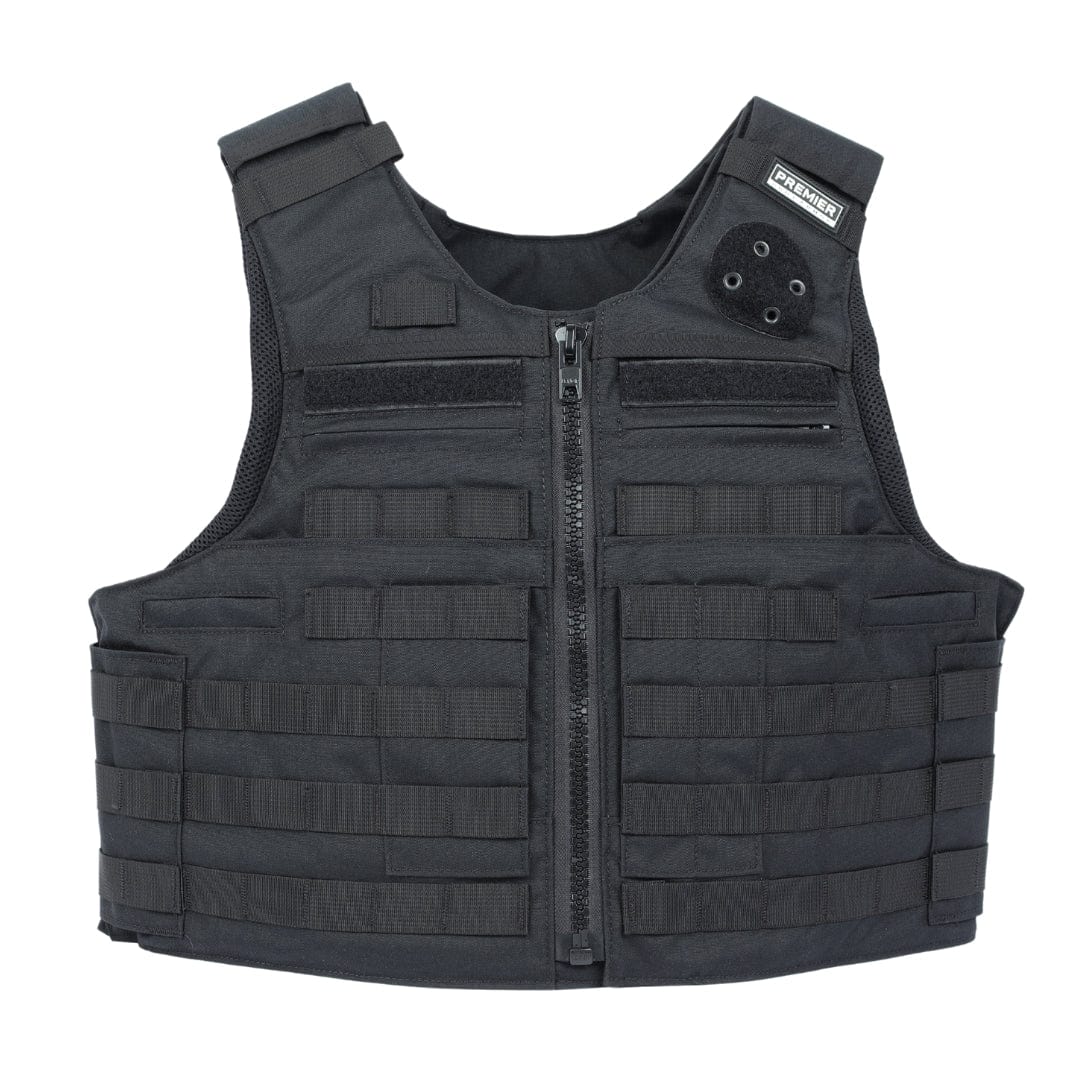
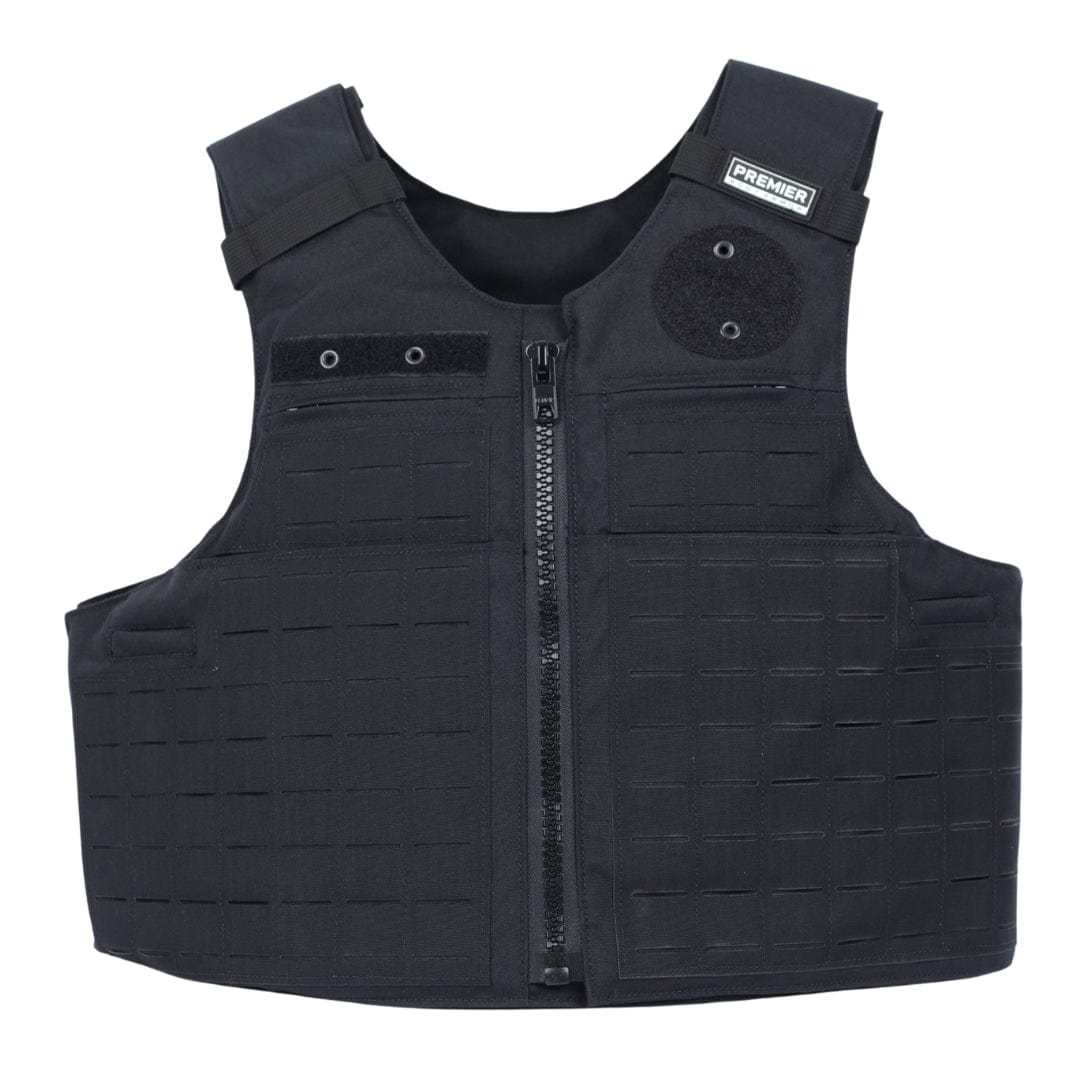
That changes things when it comes to body armor and protection for these officers. A standard soft-armor vest rated for handgun threats that might be more than enough for most community policing roles doesn’t deliver the protection needed when the threat may be a rifle-caliber weapon. A school resource officer bulletproof vest rated for rifle protection might sound optional, but it’s not. Rifle-rated ballistic protection should be the norm today.
Active Shooter Threat Reality and Statistics
School-based active shooter incidents have increased dramatically over the past decade, and high-powered rifles have played central roles in a major share of the most lethal events. SROs are almost always the first armed responders on scene in the majority of school security threats, sometimes minutes ahead of backup.
To be clear, handguns are far and away the most common weapon used in most school shootings. However, rifles have begun to play an increasing role. Rifles were used at Sandy Hook Elementary in Newtown, Connecticut, at Marjory Stoneman Douglas High School in Parkland, Florida, and at Robb Elementary in Uvalde, Texas, three of the deadliest school shootings on record.
In those early moments, before backup arrives and before a perimeter is established, the SRO has to operate alone in the face of serious risk. Active shooter protection has to account for this reality. The officer who responds first cannot afford armor designed for lower-level threats, and departments that equip SROs with handgun-rated vests alone are putting them in serious danger.
Level III+ and Level IV Armor Plate Requirements
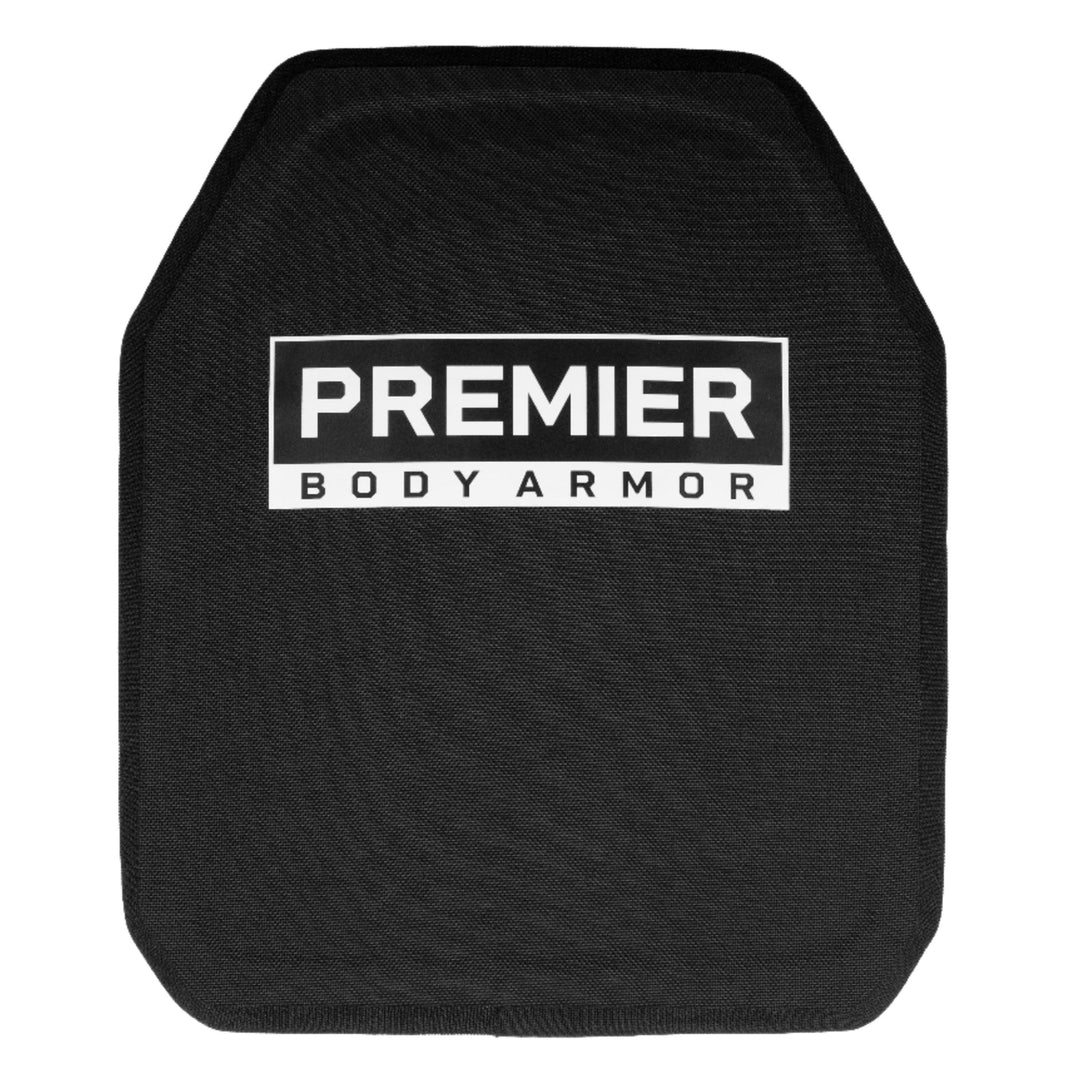
Rifle-rated armor for SROs has to comply with NIJ standards Level III, Level III+, or Level IV hard armor plates.
- Level III plates stop rifle rounds, including 7.62x51mm NATO.
- Level III+ plates (the step up from standard Level III) stop AR-platform threats, and can include protection against M855 green tip.
- Level IV plates give SROs the highest NIJ-rated protection, stopping armor-piercing rifle rounds.
Understanding NIJ Standard 0101.07 and what it means for your armor selection is the right starting point for any SRO procurement decision.
Balancing Protection with Student Trust and Approachability
Heavy tactical gear changes how students see and interact with the officers assigned to their schools. Balancing officer protection with approachability for students is a tough balancing act for SRO program design. You need to walk a fine line between equipping officers for worst-case scenarios and making sure that students trust them.
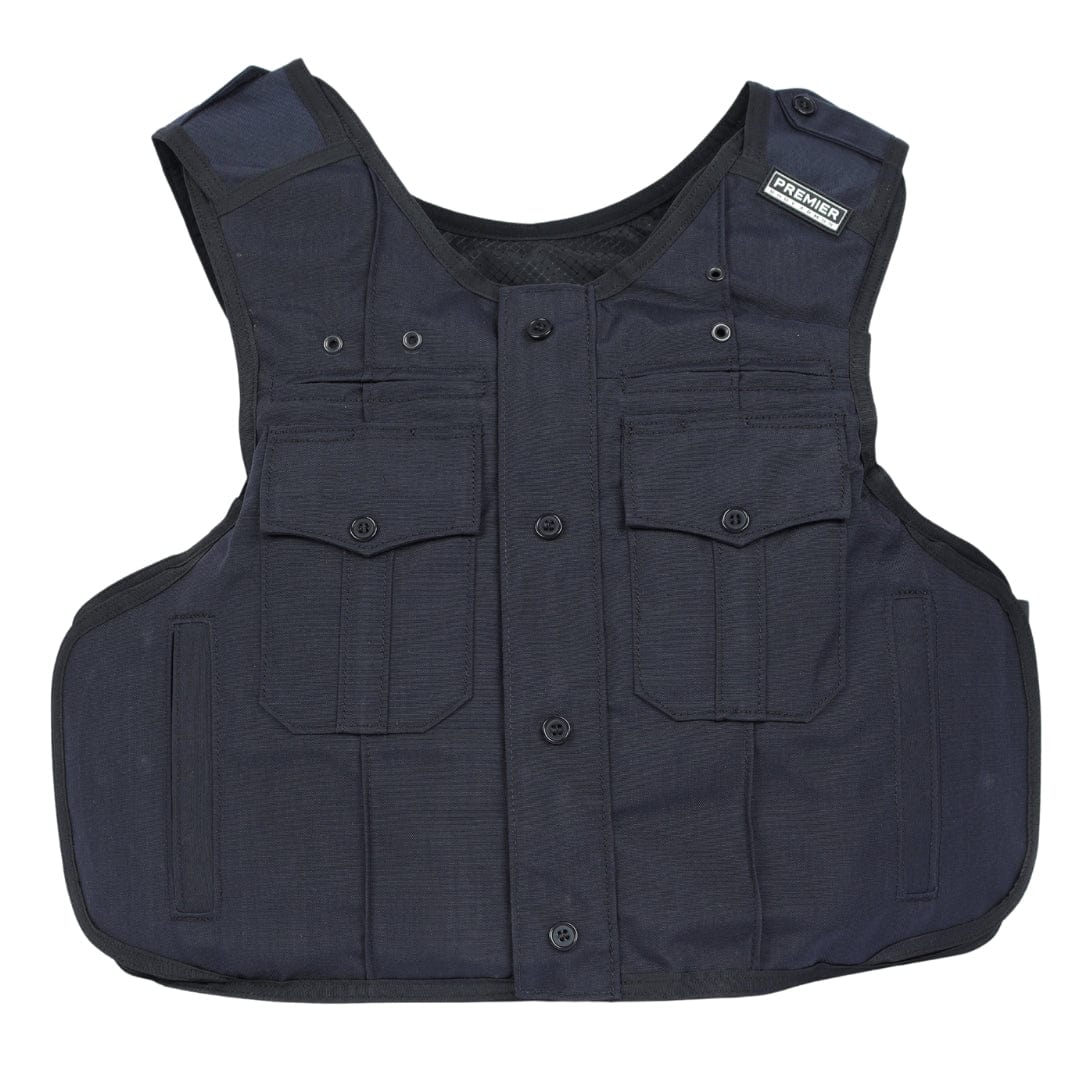
The solution is simple. You don’t have to choose between protection and approachability. Instead, choose SRO body armor systems designed to operate at both ends of that spectrum. Protective gear for SRO wear, like concealable soft armor, handles the daily relationship-building part of the equation. Rapid-deploy plate carriers and rifle-rated plates give officers better protection if the situation demands it. This way, SROs are never underprepared and never unnecessarily intimidating.
Concealable Armor for Daily Student Interactions
Most days for SROs are pretty routine. They’re dealing with hallway patrols, classroom visits, lunch supervision, and security at athletic events. Resource officer concealable armor worn under a uniform shirt or polo keeps protective gear out of sight and out of mind. Students engage more naturally with officers who look approachable. Soft armor at NIJ Level II or IIIA, worn under clothing, gives officers the ballistic protection they need without looking like they’re armored for battle.
Professional Appearance in Educational Environments
Most SRO programs put an emphasis on creating a non-militarized visual presence as part of their community policing philosophy. Officers can wear business casual clothes, school-branded polos, or standard patrol uniforms, depending on district preference. School resource officer body armor configured for concealed wear works with any of these. Armor that fits correctly under a range of clothing lets departments focus on relationship building without leaving officers unprotected.
Scalable Armor Systems for Multi-Role SRO Duties
The school resource officer role doesn’t fit neatly into a single duty category. On any given day, an SRO might handle a student welfare check, respond to a fight between two or more students, coordinate with administration on a threat assessment, and, in the worst case, be the first officer to confront an armed threat. No single resource officer armor configuration is perfectly suited to every one of those.
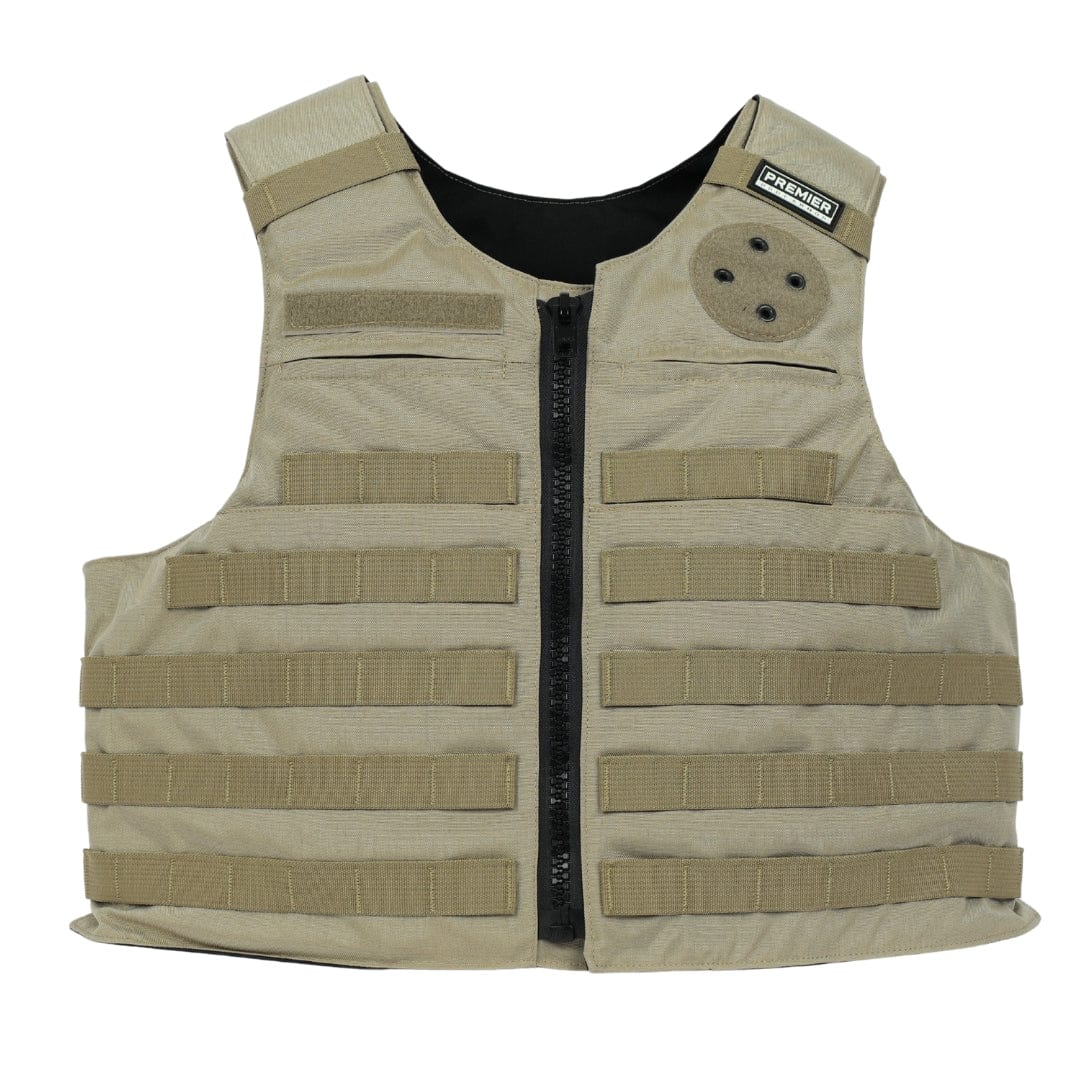
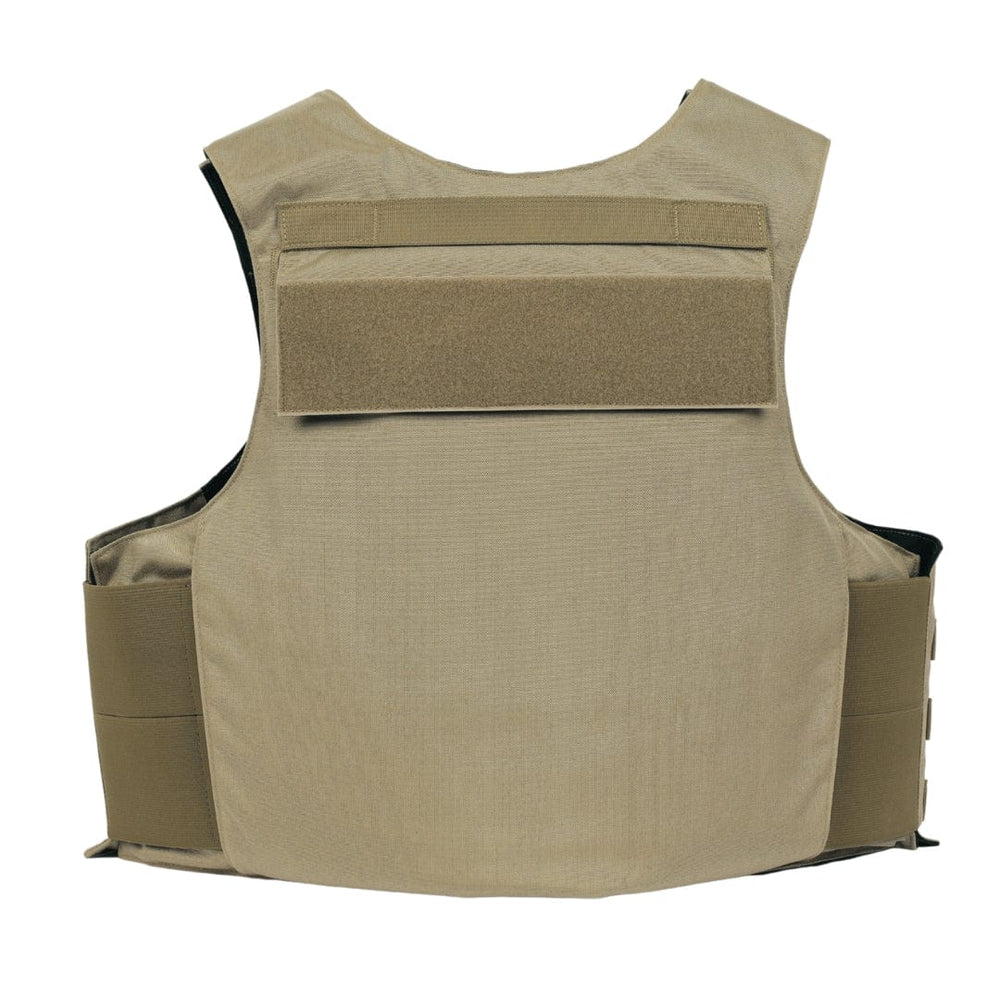
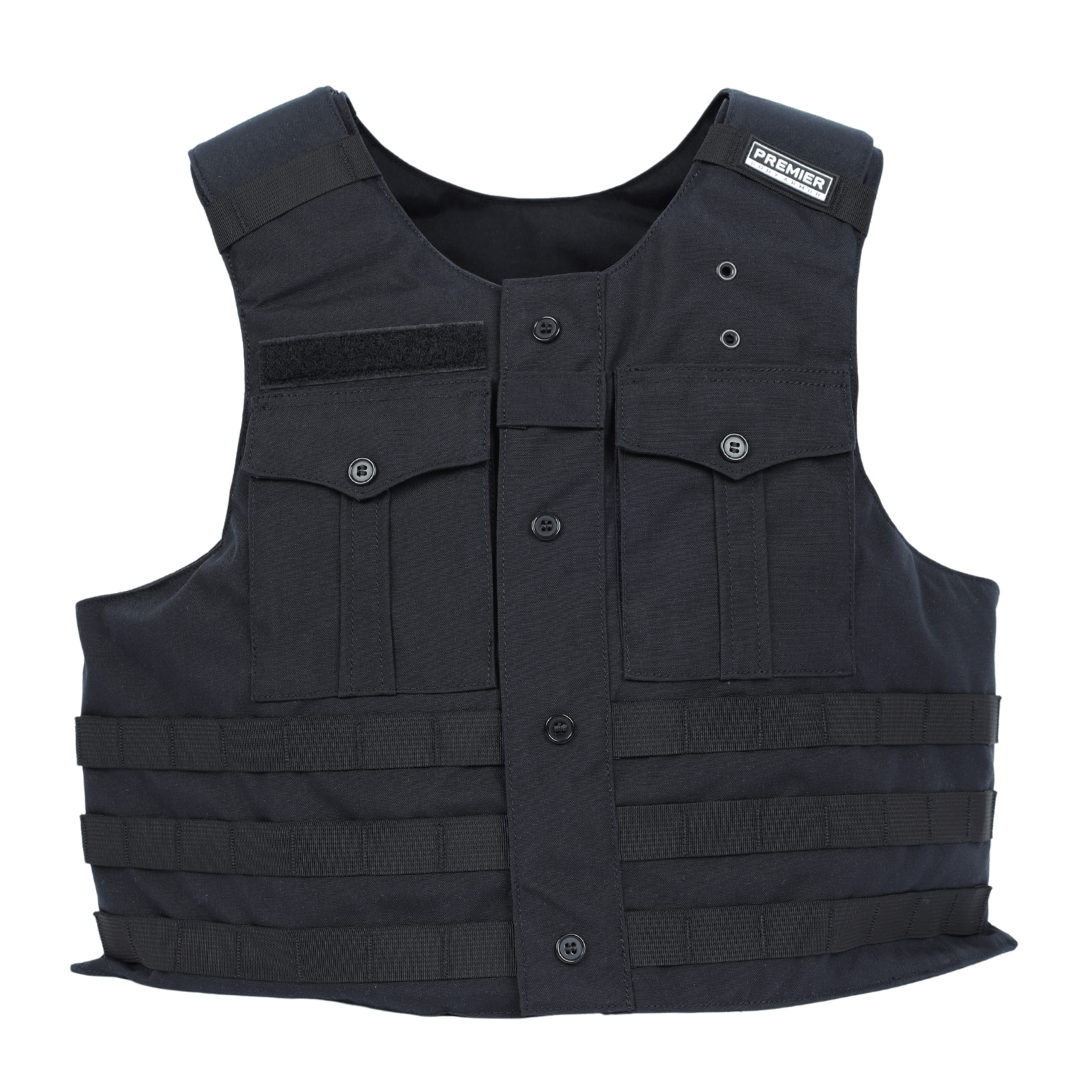
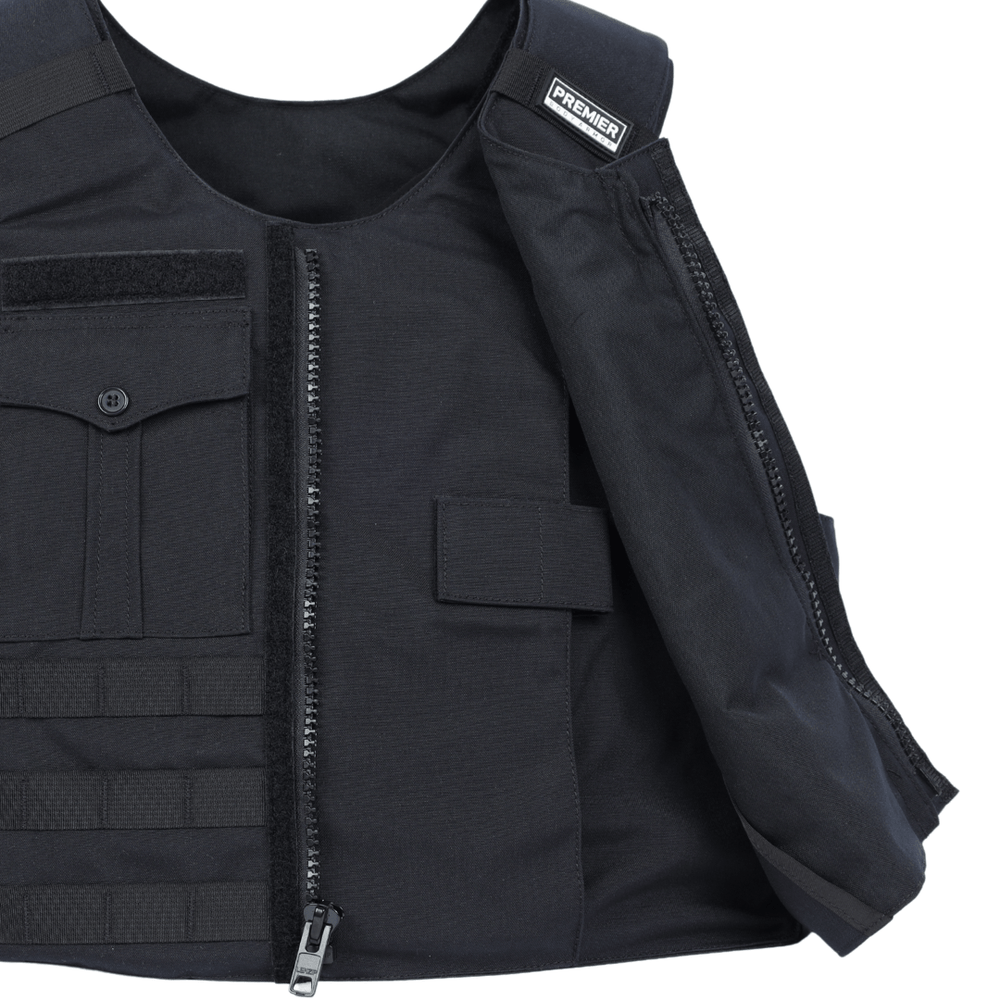
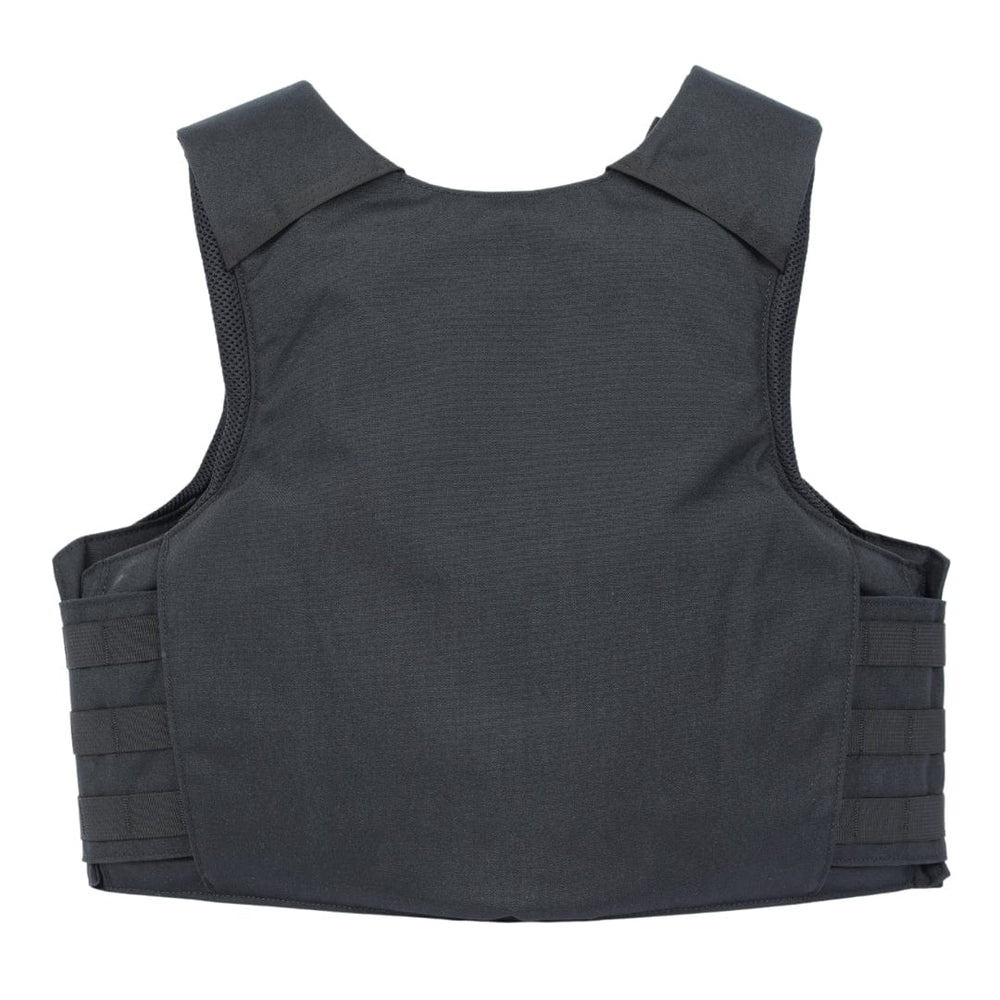
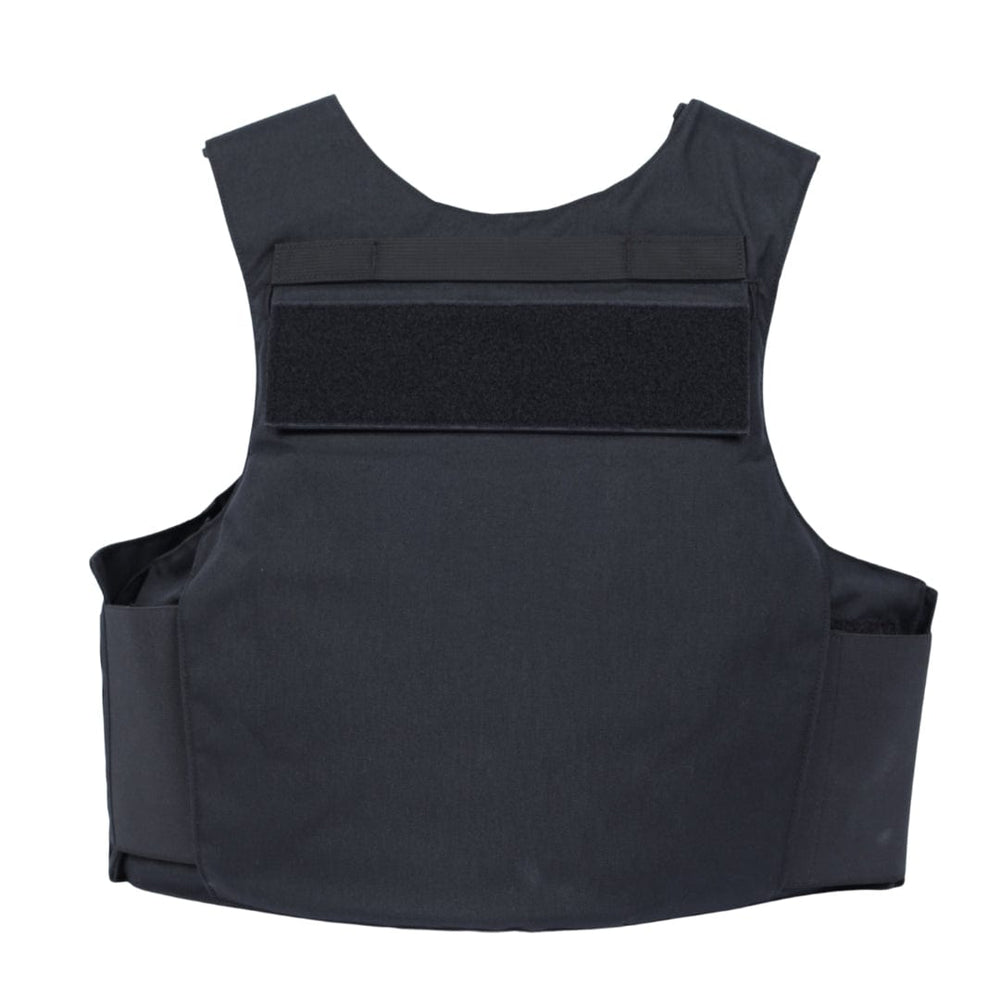
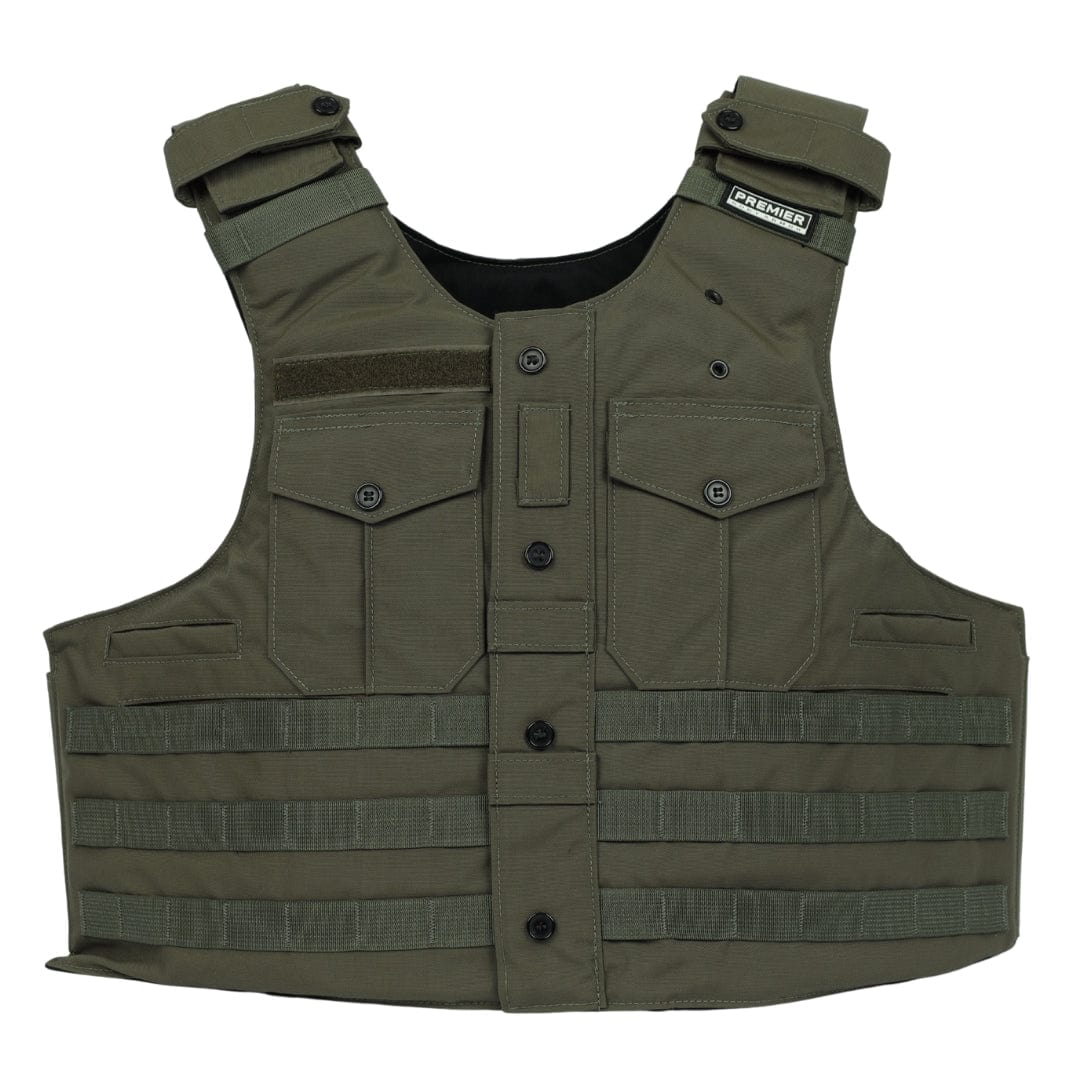
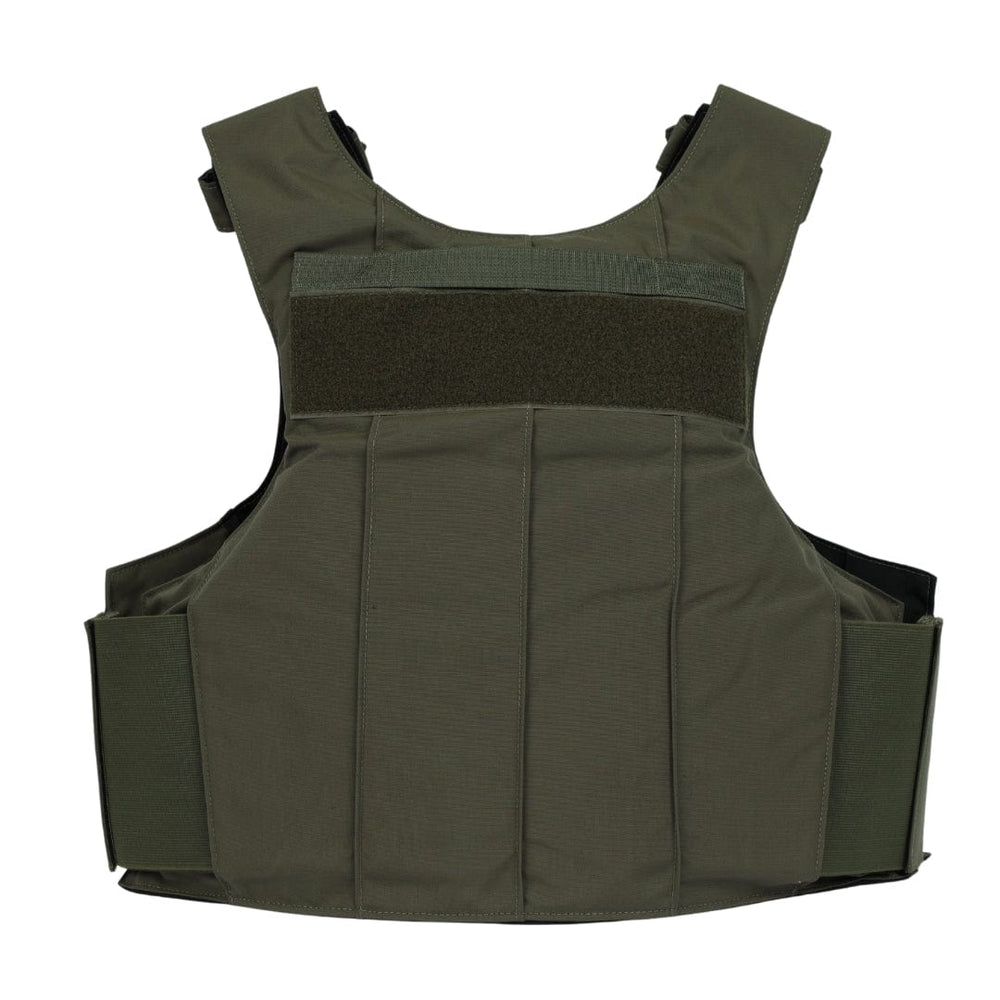
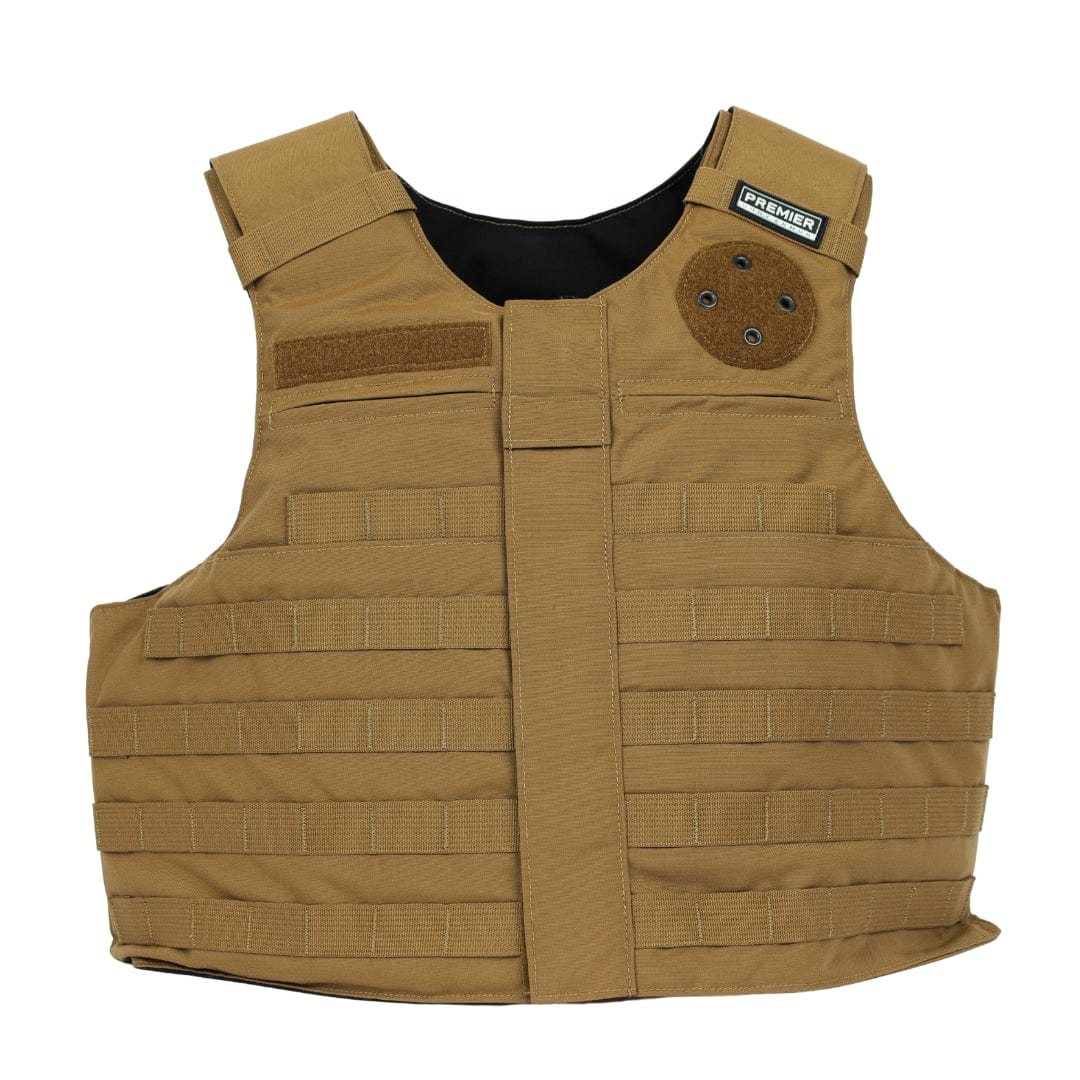
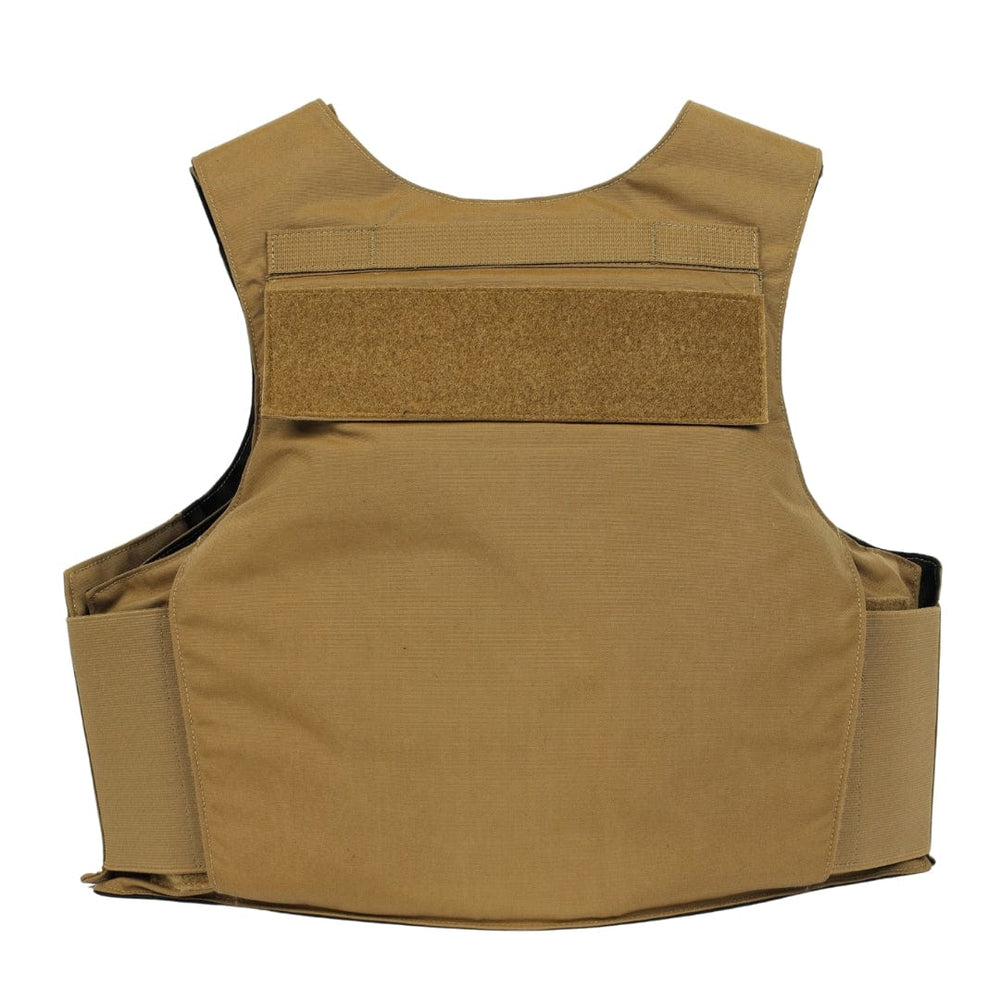
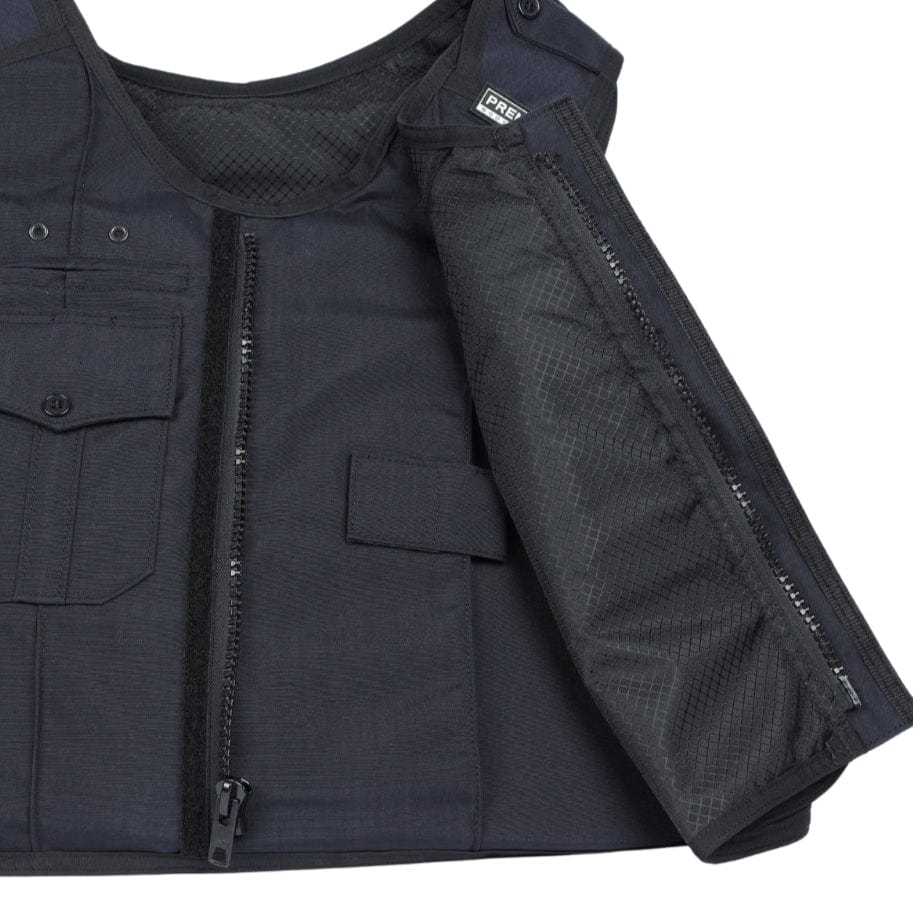
Scalable, modular armor systems let officers deal with the range of threats they can face. The right protective gear for SRO wear combines a soft armor base for everyday wear, but can expand to add hard armor plates if they’re needed. Premier Body Armor’s line of law enforcement patrol vests offers that flexibility and delivers protection that adapts to the moment instead of forcing officers to choose between comfort and protection.
Soft Armor Base for Routine Campus Patrol
A soft armor base layer with NIJ Level IIIA protection protects against the full range of common handgun threats and gives SROs the all-day comfort they need for an eight or 12-hour school shift. Daily SRO armor keeps officers protected during routine duties without the weight and bulk of plate systems. Because it’s modular, it can also be expanded when needed.
Add-On Plate Capability for Threat Escalation
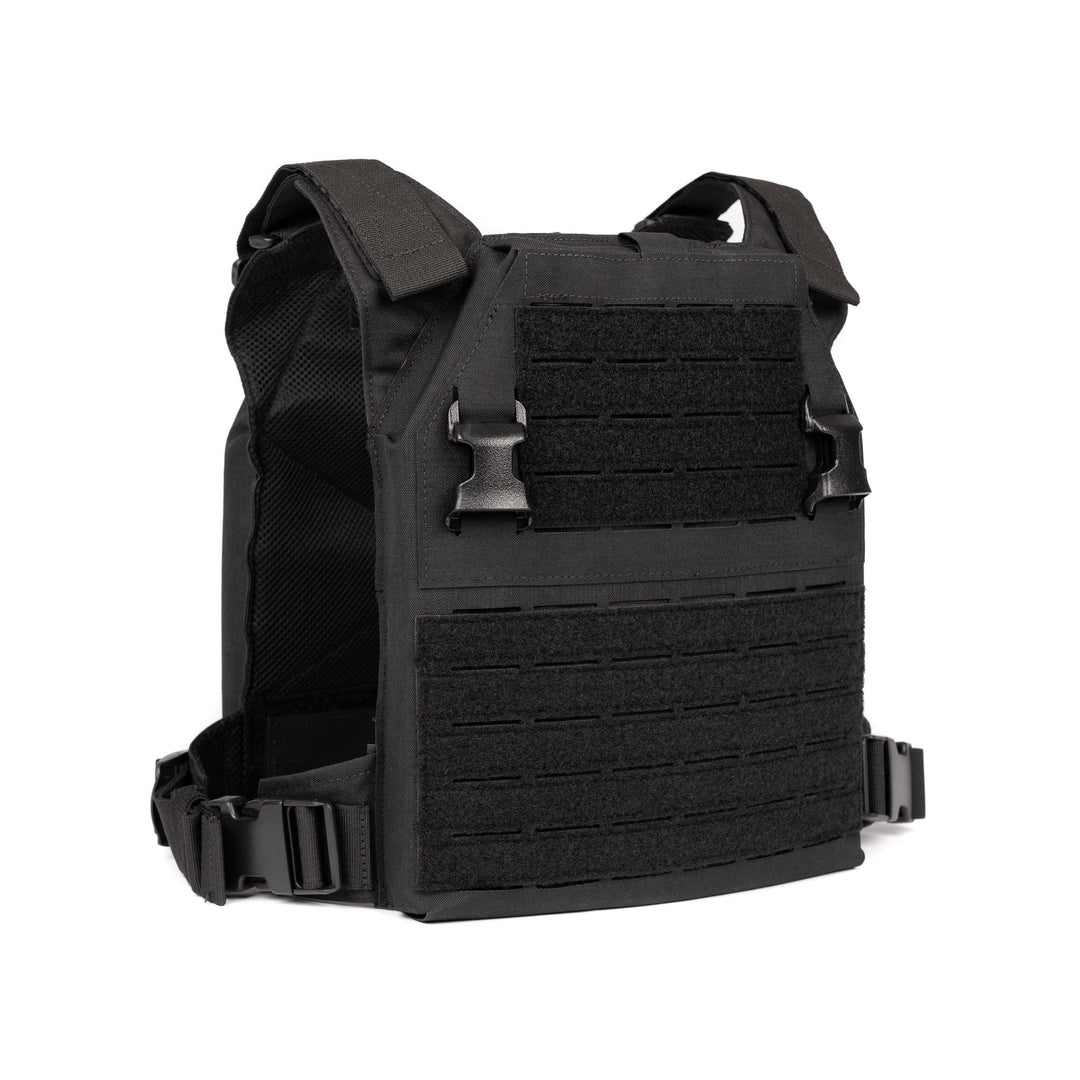
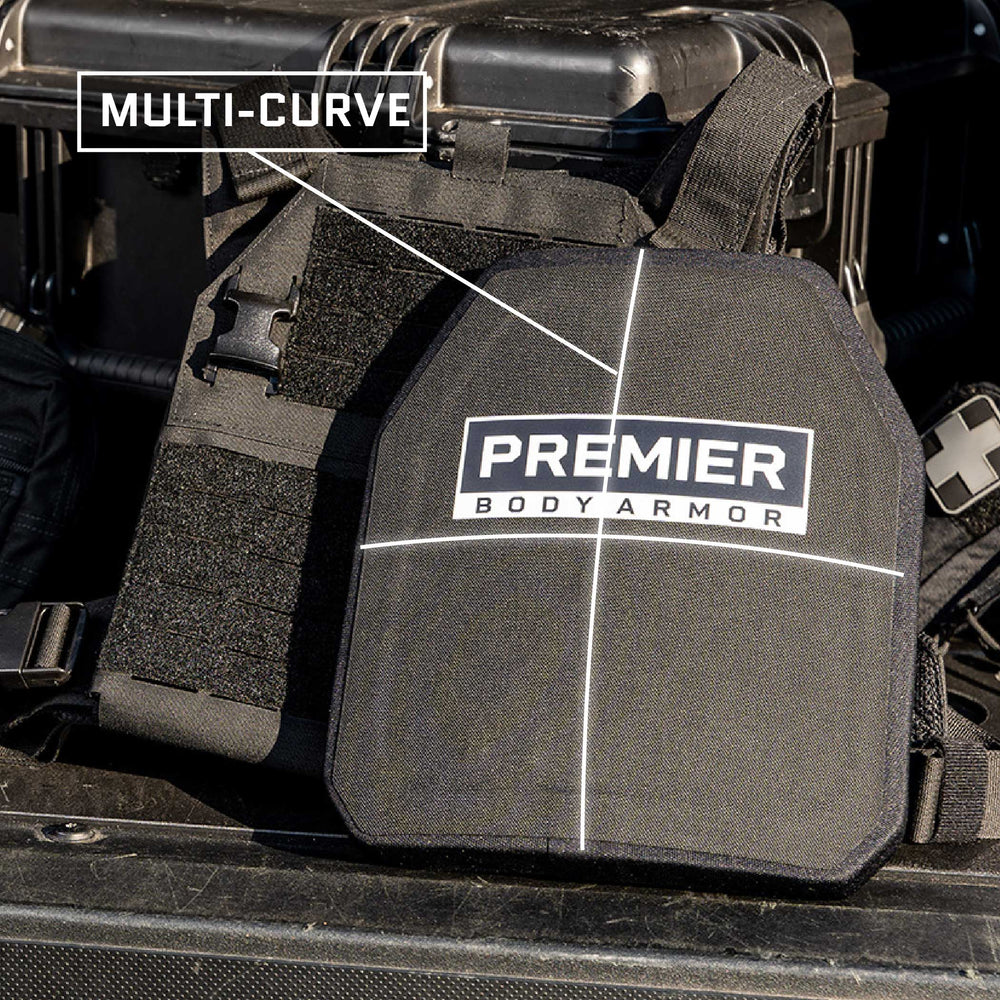
Modular protection systems let SROs add rifle-rated hard armor plates to a carrier vest when there’s a related threat. Officers can grab plates from a vehicle storage system, a quick-access locker, or any other designated campus storage spot. Plate carriers for resource officers designed for rapid donning in an emergency let officers upgrade to rifle-rated protection in seconds, which means SROs don’t have to wear full plate systems all day to have access to that protection when it counts most.
Essential Tactical Equipment Beyond Body Armor
Body armor is an important part of school resource officer equipment, but it’s not the full picture. An effective SRO loadout should also include some additional tools and gear for the specific demands of a school environment, because the officer’s response needs to be immediate; they may face medical emergencies involving minors, teachers, admins, or even parents, and communications systems need to stay operational throughout a response.
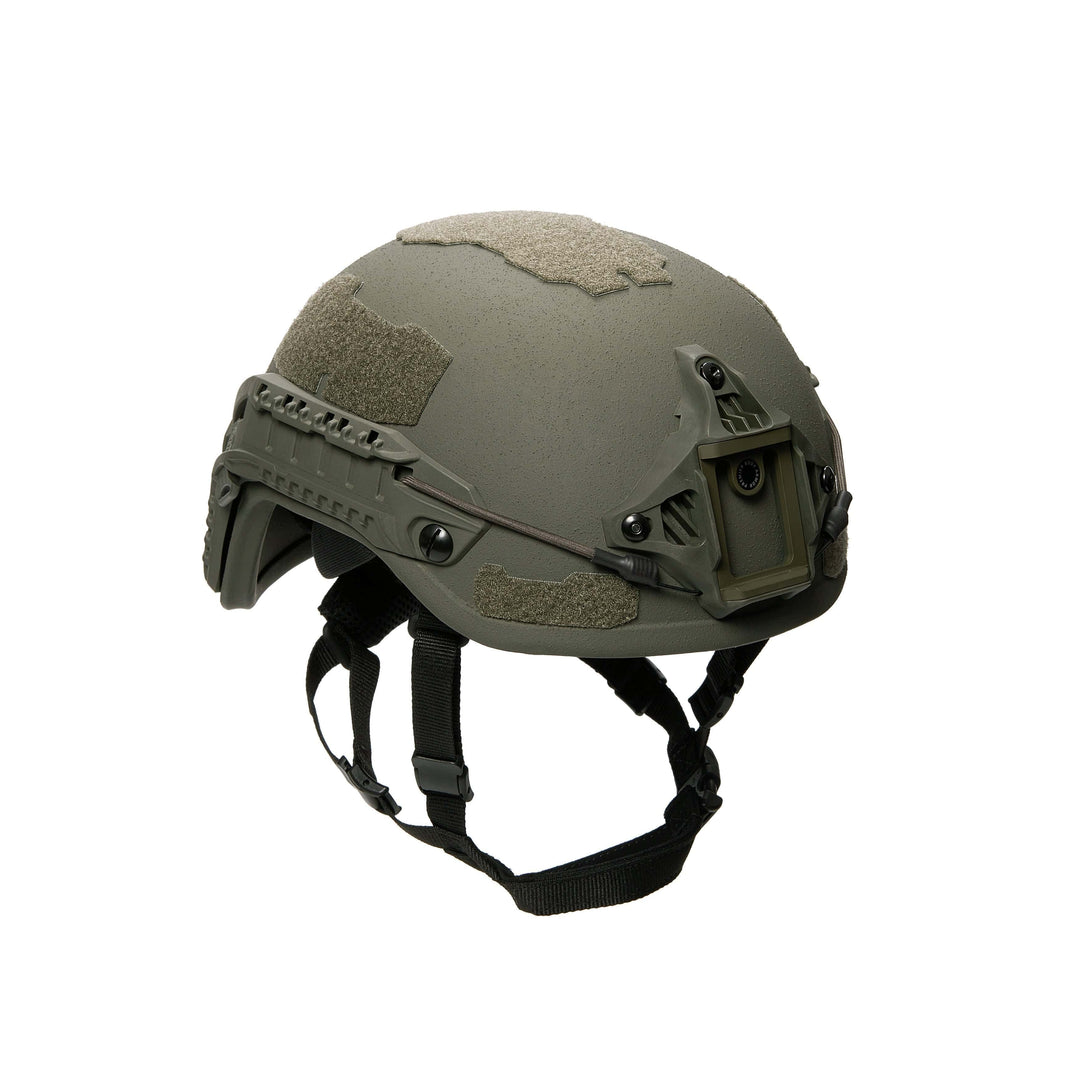
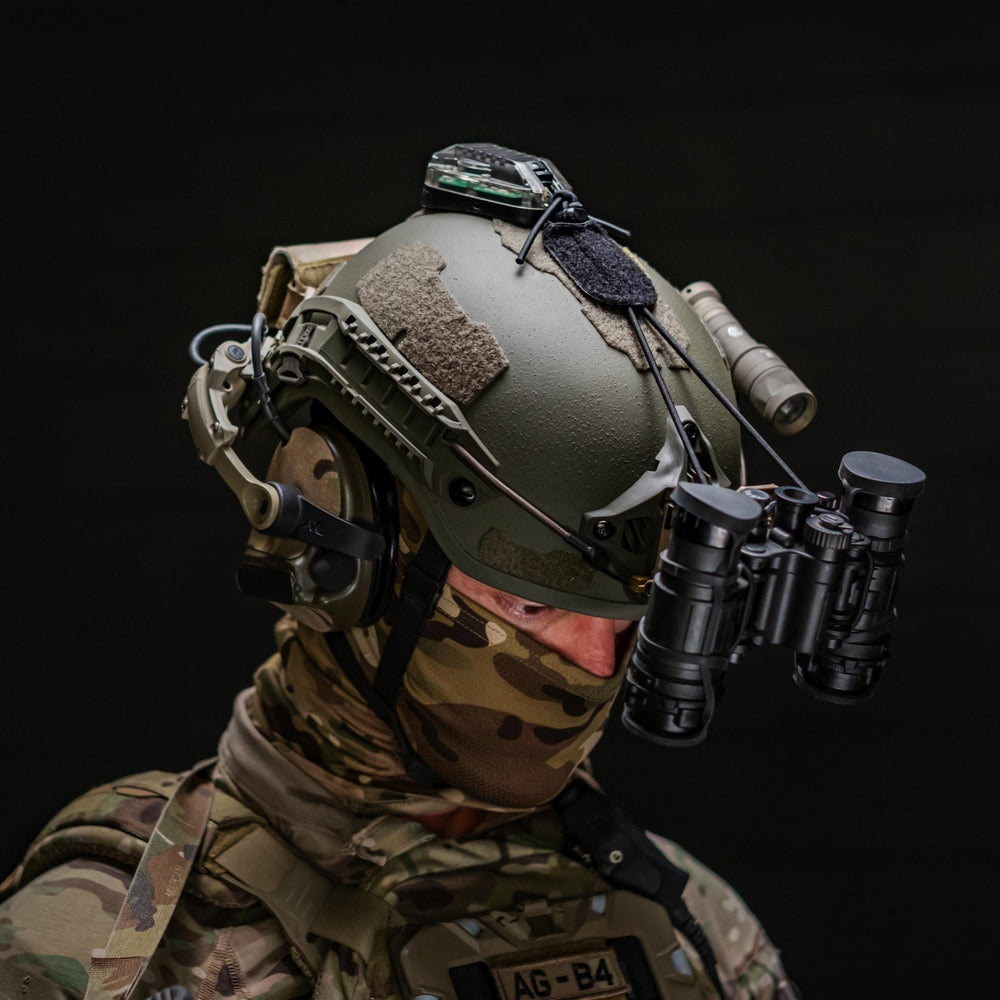
Premier Body Armor’s tactical SRT gear collection includes all the protective gear for SRO programs to build a complete protective loadout, from ballistic shields to emergency medical kits.
Ballistic Shields for In-School Emergency Response
Ballistic shields offer a major advantage in active shooter response situations, letting officers move toward a threat with more frontal protection than what a vest can provide on its own and a protective barrier when officers have to hold a position. That said, a school safety shield needs to be stored in an accessible location on school grounds or kept in a patrol vehicle so it can be on scene within the first minutes of a response.
Medical Gear and First Aid Equipment
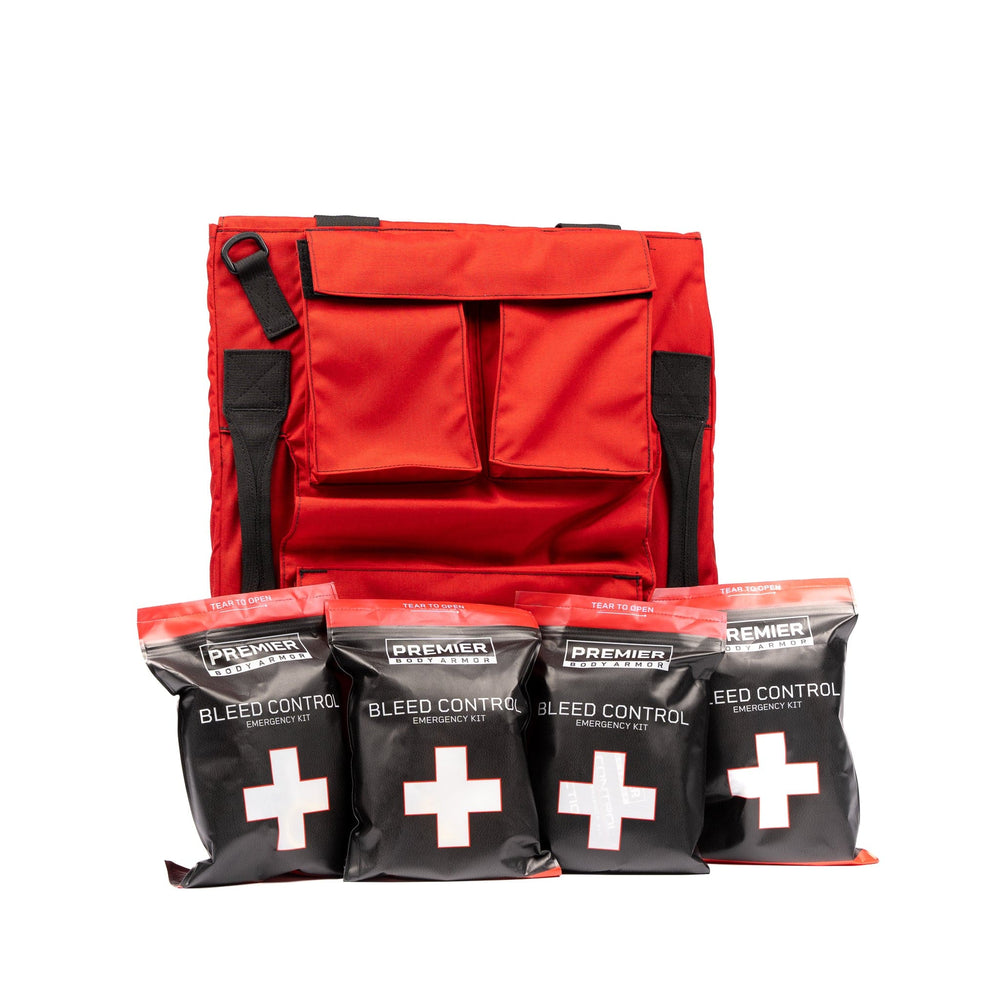
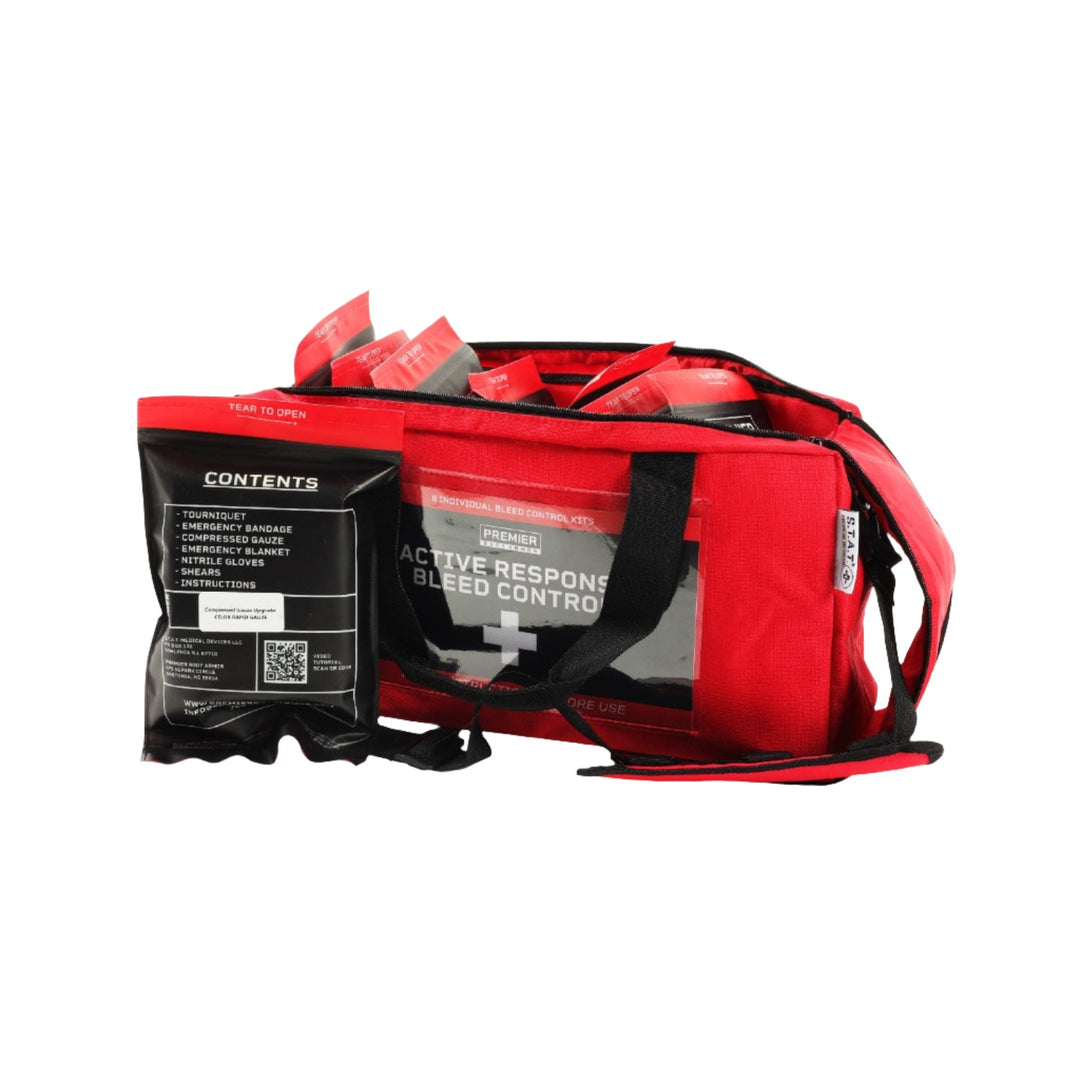
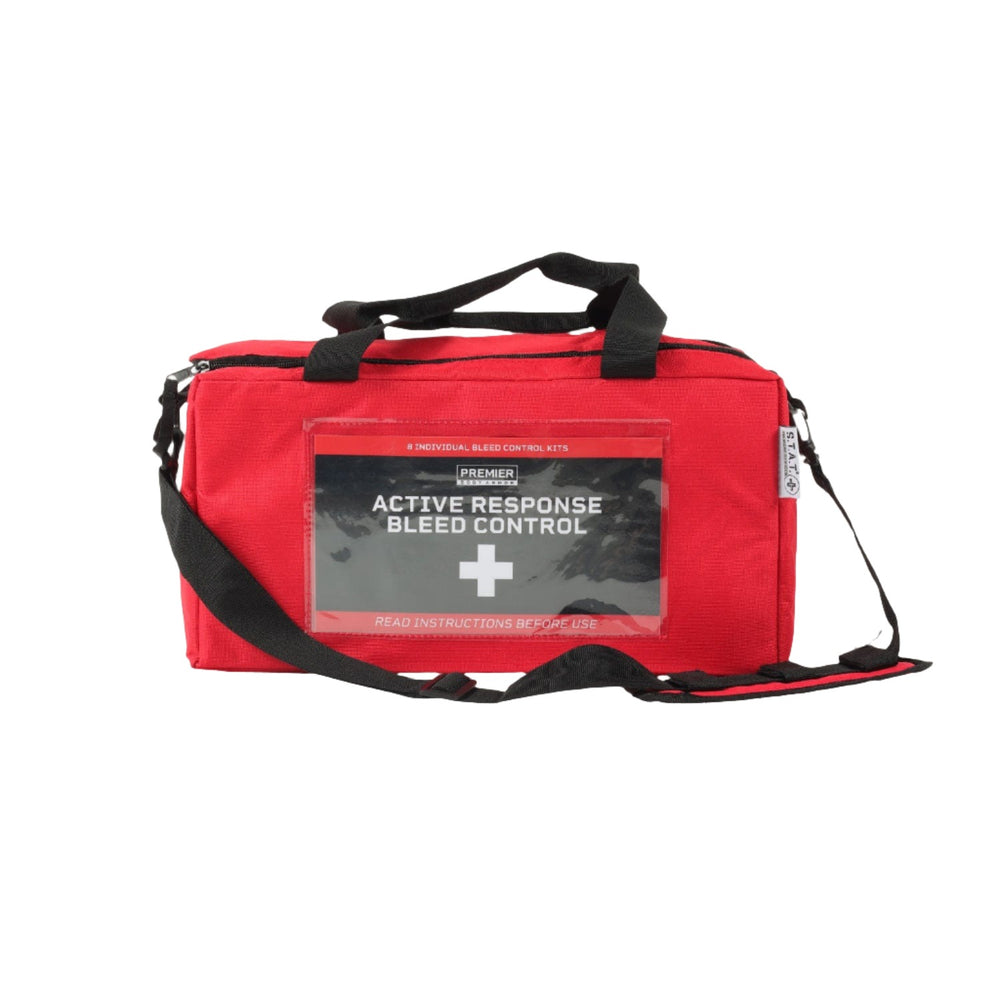
The minutes before EMS arrives are the most important for survivability after any attack, but especially a school shooting. SROs trained in Tactical Combat Casualty Care (TCCC) need immediate access to IFAK (Individual First Aid Kit) supplies, like tourniquets, hemostatic gauze, pressure bandages, chest seals, and airway management tools. Emergency medical gear carried on the officer’s person or stored in an easy-access kit makes sure that life-saving interventions happen immediately.
For SRO programs that want to close both gaps at once, the First Aid Shield pairs a Level III+ rifle-rated shield with four built-in Stop the Bleed kits that include an easy-to-use tourniquet, hemostatic gauze, and chest seals staged right on the shield. It’s a grab-and-go package built for the first minutes of a campus response, when an officer needs cover and lifesaving tools in the same hand.
Department Procurement for SRO Programs through LEOnline®
Outfitting an SRO body armor program requires more than just choosing the right armor. You need a procurement process that accounts for multiple officers and their body differences, different role needs, tight budgets, and pretty stringent documentation requirements. School districts and law enforcement agencies managing SRO programs face the added challenge of coordinating purchasing across two institutional systems with different procurement rules, which can be difficult at the best of times. For example, grant-funded SRO expansions usually need itemized quotes, vendor documentation, and NIJ certification records that you won’t get from most retail partners.
Premier Body Armor’s LEOnline® program is designed for exactly these situations. Agencies can access law enforcement pricing, request multi-officer sizing configurations, and work directly with our team to get the right mix of concealable soft armor, plate carriers, and other equipment for their school resource officer body armor program.
Explore the LEOnline® program to learn more about group purchasing options for SRO body armor, or submit a Request for Quote to get agency-specific pricing for your department’s needs.
Equipping School Resource Officers for Every Scenario
School resource officers are the first line of defense when it comes to protecting students and teachers. Their armor and tactical equipment have to handle that wide range of roles, from being approachable for students to responding when a threat emerges. Premier Body Armor provides NIJ-certified protective solutions designed for the realities that today’s SROs face.
Browse our complete selection of school safety solutions, or reach out to discuss the right configuration for your program.
frequently asked questions
We will sell body armor to civilians, Law Enforcement Officers, and Military Personnel in the United States who meet the following criteria:
1. Are 18 years of age or older
2. Are not a felon;
3. Are legally allowed to possess and use the item(s) in your state (If you are a New York or Connecticut resident, you must be active Law Enforcement or Military Personnel and provide necessary credentials);
4. Are purchasing this product for only lawful purposes;
5. Are purchasing this product on your own behalf;
6. Comply with all other Terms & Conditions.
Learn more about the legality of body armor in each state.
STRATIS Plates have an 8-year warranty. Fortis plates have a 7-year warranty. Soft body armor panels (for vests and backpacks) have a 5-year warranty, and each carrier has a 2-year warranty.
For warranties on specific products, please see the product page.
All products (excluding clearance items) are eligible for an easy return or exchange if initiated within 30 days of receipt, and the product(s) is in new, unused condition.
There is no re-stocking fee for returns or exchanges. The customer is responsible for any return shipping costs associated with returning the product.
Read more about our returns & exchange information.