
19 products










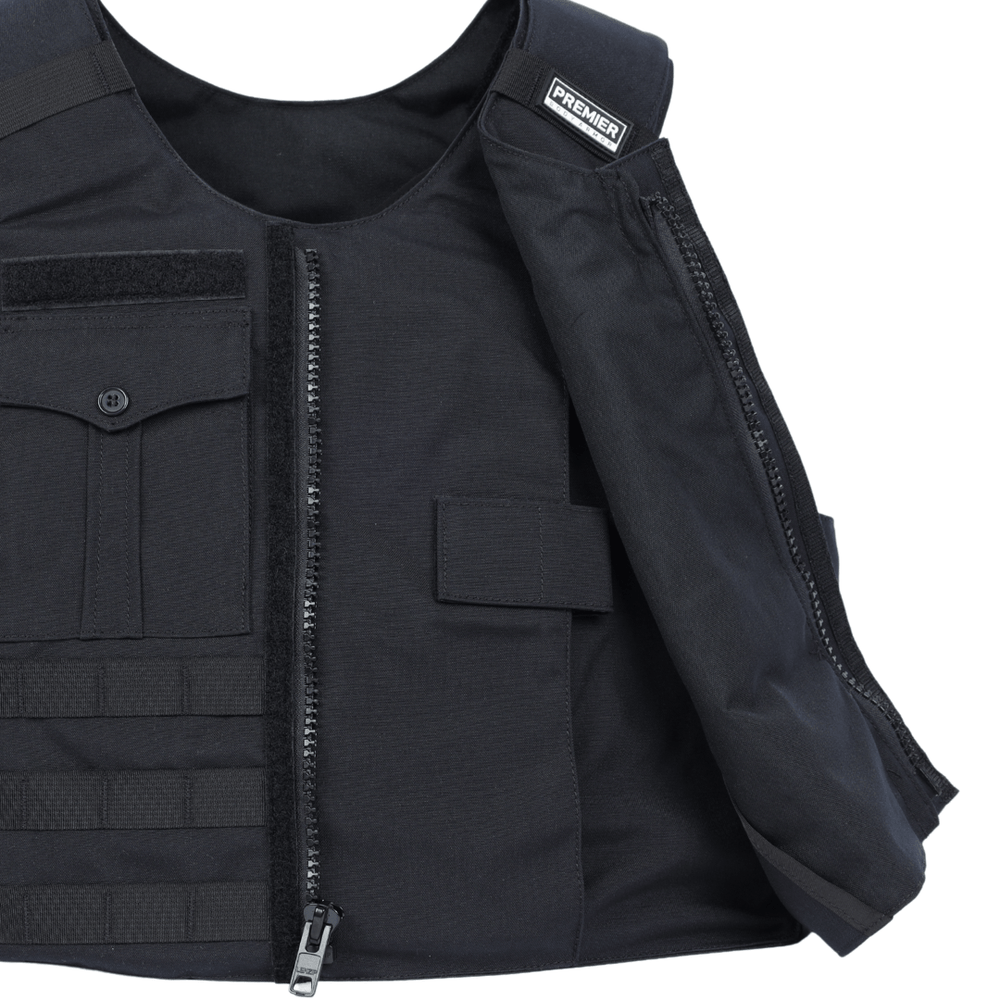


The Multi-Mission Challenge: Why Sheriff Deputies Need Versatile Armor
Most law enforcement agencies operate in a defined environment, but sheriff's offices don't have that luxury. You're responsible for unincorporated county land, municipal contracts, court security, civil process, and jail operations, sometimes all within the same shift rotation. That's four or five different mission profiles, and bulletproof vests for sheriffs need to cover all of them.
The challenge goes far beyond ballistic protection. You need to find sheriff deputy protective gear that transitions well between environments without forcing your deputies to wear body armor differently for every assignment. A deputy heading into the jail needs something different than one running rural patrol, but your budget and your department's standardization goals probably don’t accommodate a separate kit per role.
That's why versatility isn't a nice-to-have when it comes to sheriff body armor. Soft armor that’s concealable enough for court appearances, durable enough for corrections work, and rated for patrol threats isn't easy to find, but it exists. Knowing what to prioritize for each situation helps you build a protection strategy that works across your office's full range of duties.
The sections below break down the four main operational environments most sheriff's offices deal with and the role of bulletproof vests for sheriffs in each of them.
Rural Patrol Operations For Sheriffs
It’s easy to underestimate the threats found within rural sheriff operations, but they’re no less present for all that. Response times are longer, backup is farther away, and the calls you're running often involve firearms, whether that's a domestic disturbance with weapons present or a property dispute on a working ranch.
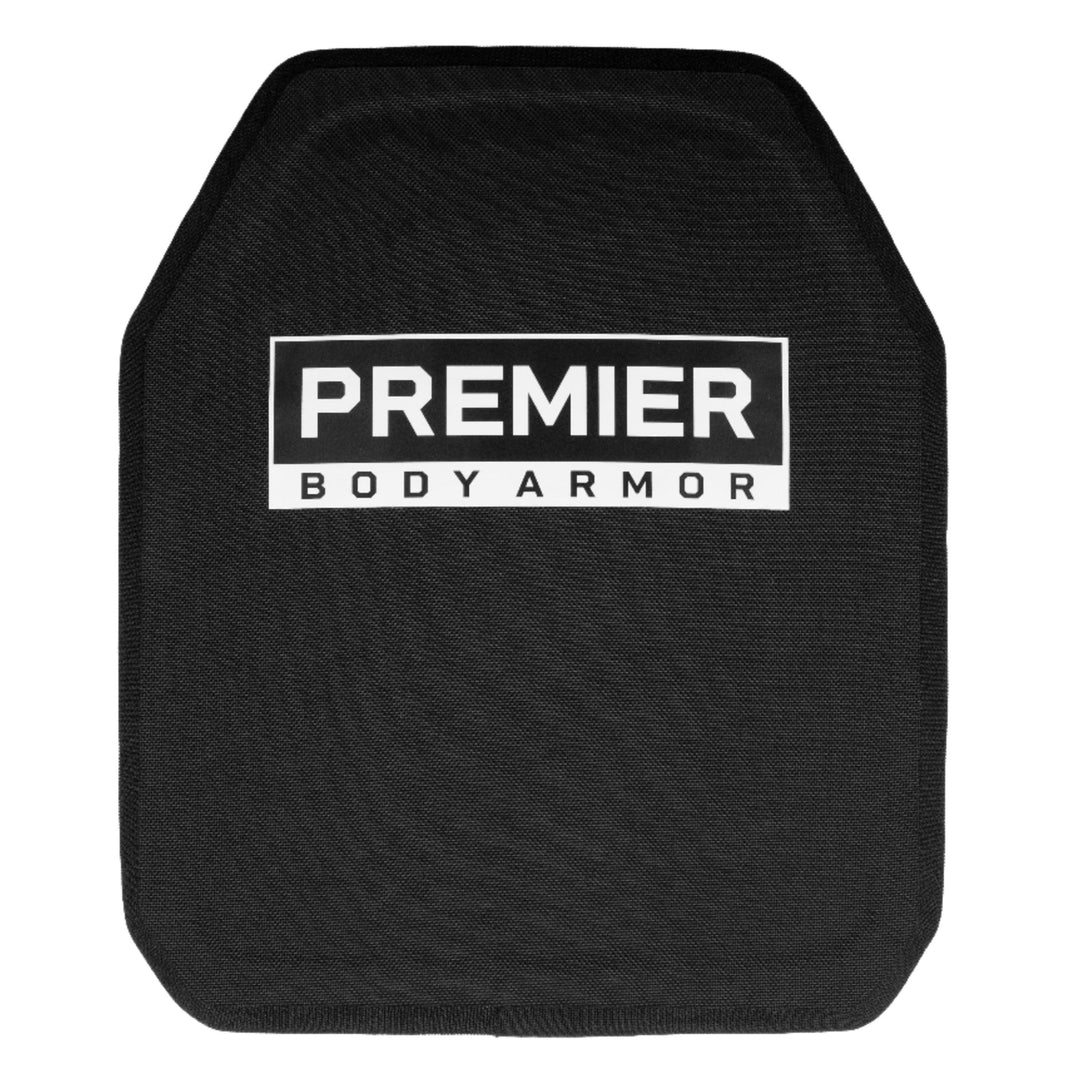
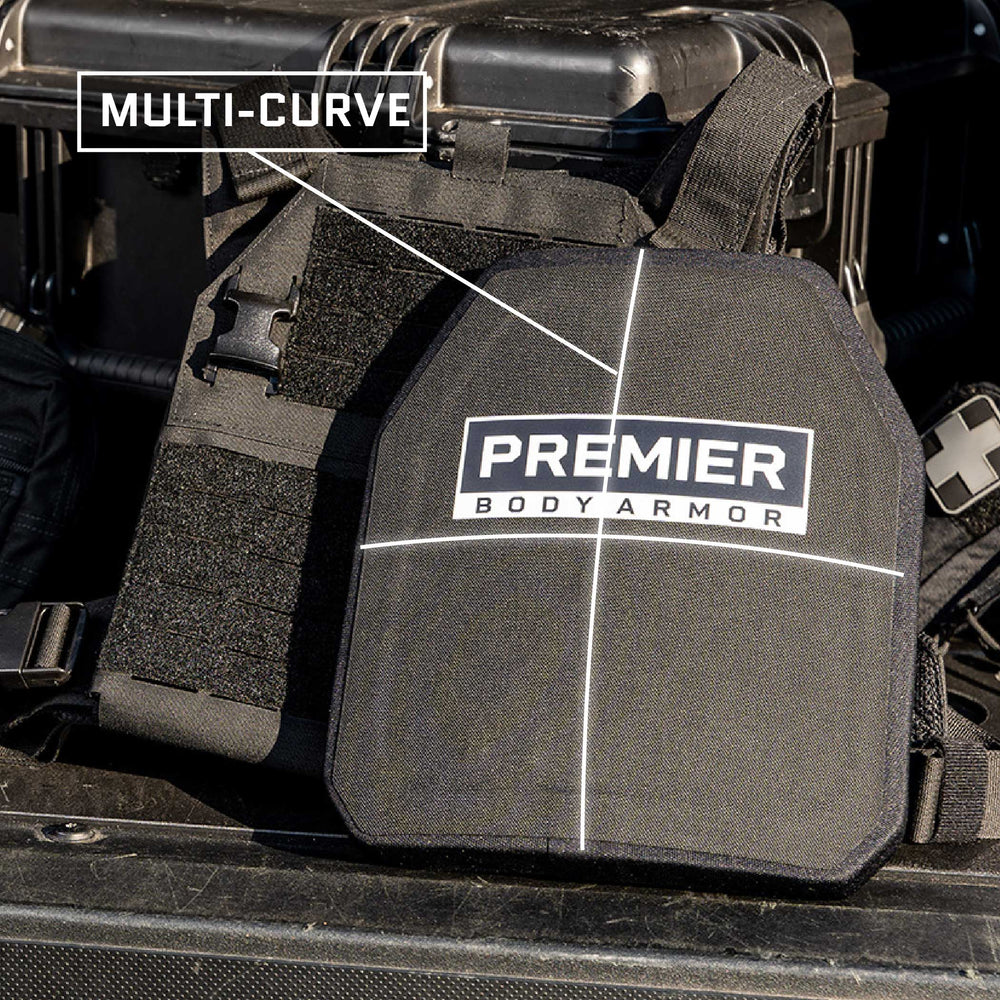
Soft armor is still essential for daily wear, but rifle-rated plates should be available for elevated-risk calls, warrant service, and other assignments where rifle threats are more likely.
Detention & Corrections Duties
Rifle threats are typically not the primary concern inside a detention facility. Instead, the risk often shifts toward close-quarters contact with individuals who may use improvised weapons, shanks, or other sharp objects. For deputies pulling jail rotations, a correctional officer vest built for close-contact threats is often a better fit than a standard patrol vest.
Ballistic protection alone isn't enough in a corrections environment. Stab-resistant vests for deputies working jail and detention assignments need to address both ballistic and edged-weapon threats, and those aren't always the same piece of equipment. A standard soft armor panel rated for handgun rounds won't necessarily stop a sharpened piece of metal driven with enough force at close range. That’s why a dedicated stab proof vest, or a multi threat vest that combines ballistic and edged-weapon protection, belongs in the conversation for jail and detention assignments.
If your office rotates deputies between patrol and detention duties, you've got a standardization decision to make. Some departments issue separate armor configurations for each environment. Others look for multi-threat panels that cover both ballistic and stab ratings in a single package, which makes logistics easier but means you need to vet your armor carefully to make sure the panel actually performs in both categories.
For a deeper look at detention facility protective gear considerations, check out our corrections officer gear guide.
Court Security & Formal Functions
Court assignments put you in yet another kind of environment. You're visible, you're often in close proximity to the public, and the setting means that you need to look professional, but can’t sacrifice protection. Bulky external armor isn't always appropriate here, which is why concealable sheriff vests are sometimes the go-to for deputies on courthouse duty.
Court security body armor has to balance real protection with a low profile. You're not sacrificing threat coverage because the environment looks formal. Courthouse settings carry their own risks, like armed individuals attempting to access proceedings involving their cases. For most courthouse assignments, concealable body armor is the right category; protective, but low-profile.
The good news is that many modern concealable soft armor options are built to reduce bulk while maintaining the protection level your agency requires. If your office is outfitting deputies for court assignments and wants to standardize concealed armor, LEOnline® makes it easy to outfit your team.
Civil Process & Special Assignments
Warrant service is one of the most unpredictable assignments in law enforcement. You know who you're looking for, but you usually don't know what you're walking into. Sheriff warrant service calls can escalate quickly, and the environments vary widely from apartment complexes to rural properties with no clear sight lines or exit routes.
Concealed body armor for sheriffs working civil process assignments needs to give protection that's substantial enough to matter if a service goes sideways, but low-profile enough that it doesn't telegraph your presence or create unnecessary tension before you've made contact. Well-fitted concealable body armor makes that balance easier to strike.
For special assignments that fall outside standard patrol duties, including task force work, fugitive apprehension, or plainclothes operations, the same thing applies. Your armor should fit the role without announcing it. Concealable soft armor rated at Level IIIA covers the most relevant handgun threat range here. Level 3a body armor is the practical baseline for this kind of plainclothes work.
Sheriff Body Armor by Assignment
Use this quick guide to match common sheriff duties with the right armor format, threat coverage, and procurement path.
| Assignment | Primary Concern | Recommended Armor Setup | Why It Fits |
|---|---|---|---|
| Rural Patrol | Handgun + rifle threat exposure | Patrol vest with Level II or Level IIIA soft armor, plus plate pockets for rifle-rated plates when needed. | Rural deputies may work with longer response times and limited backup, so scalable armor helps cover routine patrol and elevated-risk calls. |
| Detention & Corrections | Close-contact edged or improvised weapons | Stab-resistant or multi-threat vest, based on agency policy and facility risk assessment. | Corrections environments are not only ballistic environments. Deputies may need protection designed for edged and spike-style threats. |
| Court Security | Low-profile handgun protection | Concealable soft armor vest, commonly Level II or Level IIIA depending on agency requirements. | Courthouse assignments require a professional appearance while still keeping deputies protected in close public-contact environments. |
| Civil Process & Warrant Service | Unpredictable contact and rapid escalation | Concealable armor for low-profile work, with tactical carrier and rifle plates available for high-risk warrant service. | Deputies may need protection that fits the role without unnecessarily escalating the contact before service begins. |
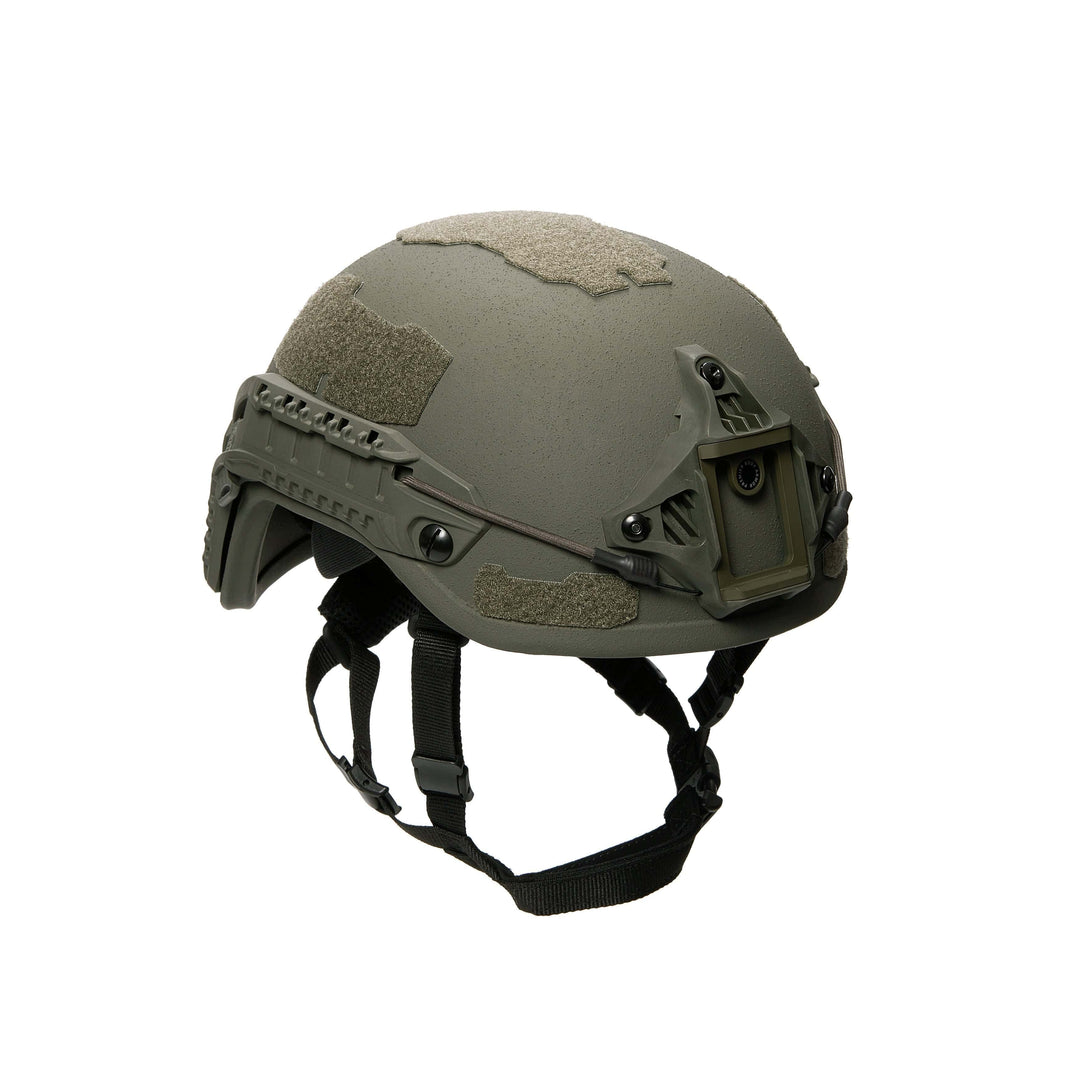
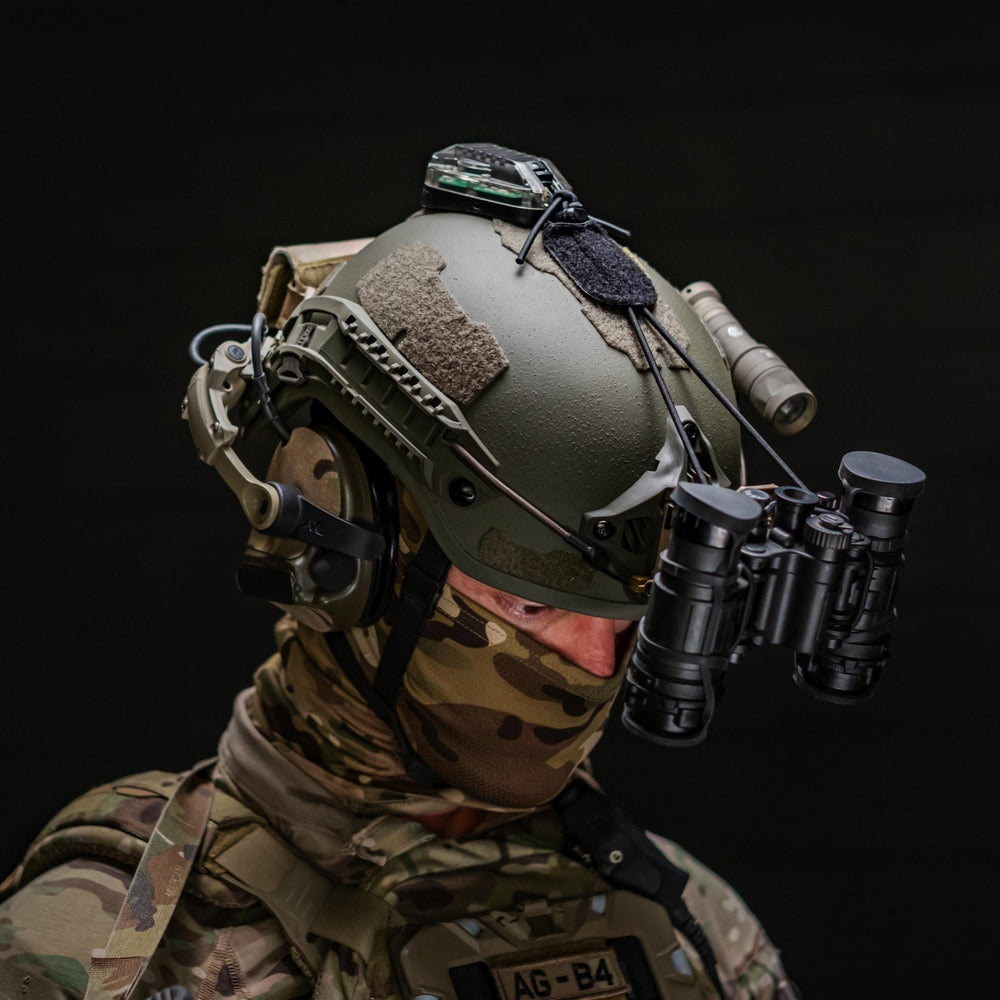
| Tactical / SRT Callouts | Rifle threats, load carriage, and rapid deployment | Overt tactical carrier, rifle-rated plates, and ballistic helmet as required by mission profile. | Tactical assignments require a more scalable setup that can support plates, identification, medical gear, comms, and mission-specific equipment. |
Choosing Between Ballistic, Stab-Resistant, and Multi-Threat Vests
Not all threats are ballistic, and not all armor is built to handle everything. Most police body armor issued for patrol is soft armor rated for handgun threats, not rifle plates. Before you settle on a vest configuration, it's worth exploring what each protection category actually covers and what it doesn’t.
Many patrol deputies are still issued NIJ Level II soft armor, while NIJ Level IIIA is a common choice for agencies that want broader handgun-threat coverage in a concealable or duty-wear package. Level 3a body armor, as it is often listed, sits a step above Level II here.
Under NIJ 0101.07 terminology, Level II aligns with HG1 and Level IIIA aligns with HG2. Neither soft armor level is designed for rifle threats, which is why sheriff plate carriers and rifle-rated plates matter for rural patrol, warrant service, and high-risk callouts.
Stab-resistant vests address a different threat category entirely. Edged and spiked weapons don't behave like ballistic projectiles, and a panel built to stop a bullet isn't necessarily built to stop a shiv. Stab and spike protection is rated under its own NIJ standard, NIJ Standard 0115.00, so for edged-weapon threats, look for that rating rather than a ballistic level.
Multi-threat panels cover ballistic and edged-weapon protection. They're worth evaluating if your agency needs a standardized solution that works across patrol and corrections assignments without needing separate kits.
Important to note is that body armor ratings are in a transition period. Many agencies are still comparing products under NIJ 0101.06 terminology, including Level II, Level IIIA, Level III, and Level IV.
NIJ 0101.07 introduces updated test methods and references NIJ Standard 0123.00 for newer threat-level names. As a broad comparison, Level II maps to HG1, Level IIIA maps to HG2, Level III maps to RF1, and Level IV maps to RF3. NIJ also added RF2 as a new intermediate rifle protection level. Because the updated standard also changes testing and threat-level references, departments should verify the exact standard and rating listed for each armor model before purchasing.
For specific test threats under the new NIJ body armor standard, read our guide to the NIJ 0101.07 standard update.
For sheriff’s offices, the practical takeaway is simple: verify the exact model, standard, threat level, and NIJ listing status before purchasing. During the transition, the 0101.06 Compliant Products List is expected to remain available and relevant through at least the end of calendar year 2027.
Need help matching threat level to assignment? Request a Department Quote
Carrier Systems For Sheriffs: Matching Equipment to Assignment
The armor is only part of the equation. How you carry it matters just as much, especially for sheriff’s offices managing multiple assignment types.
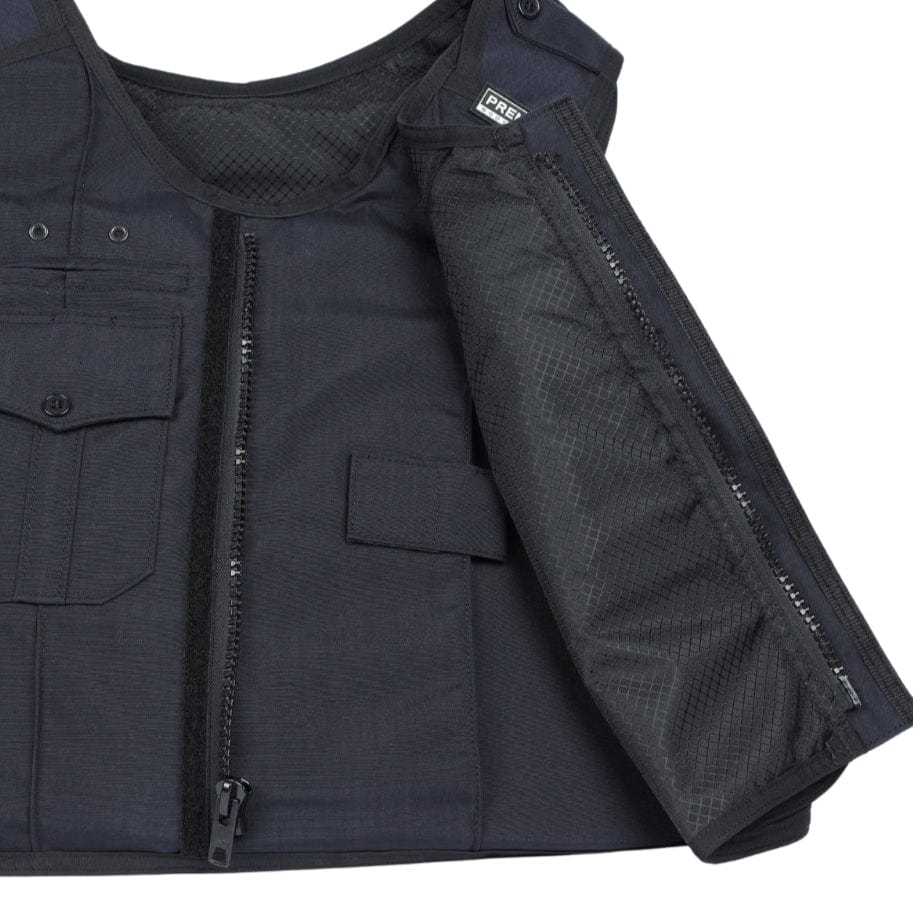
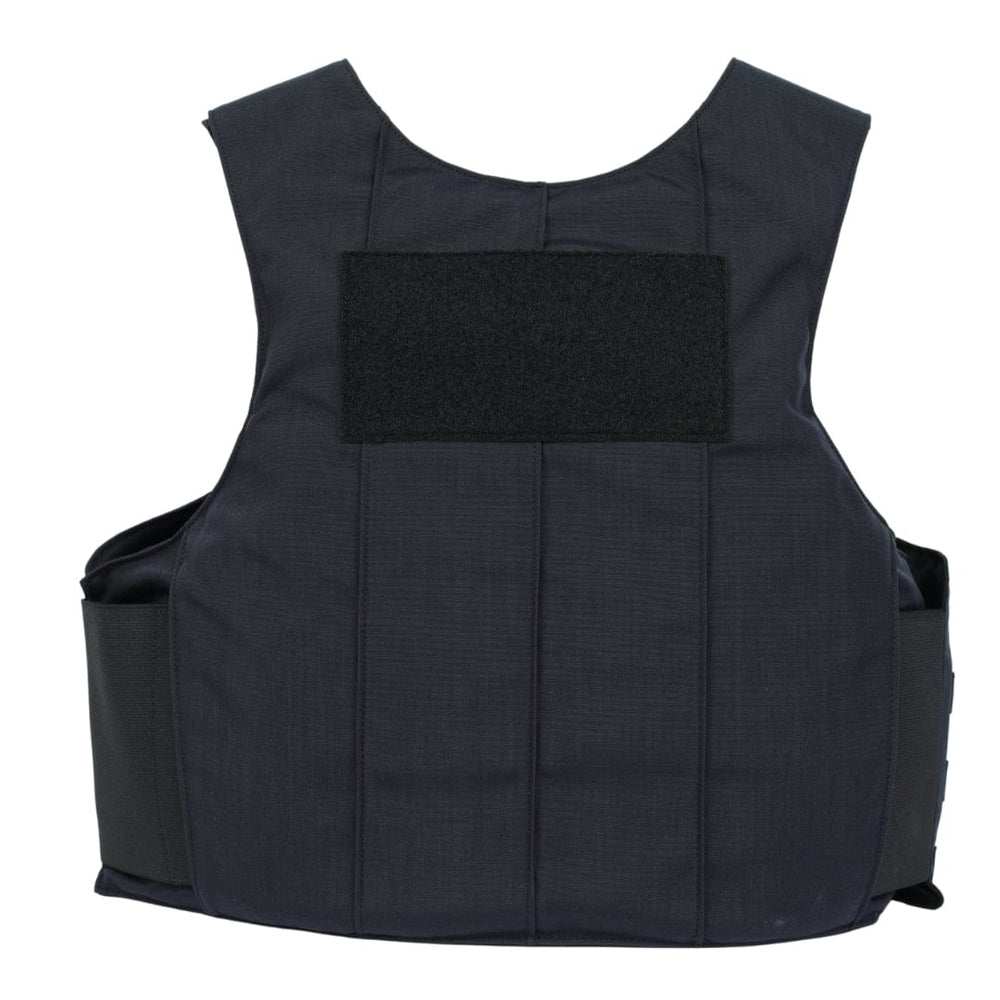
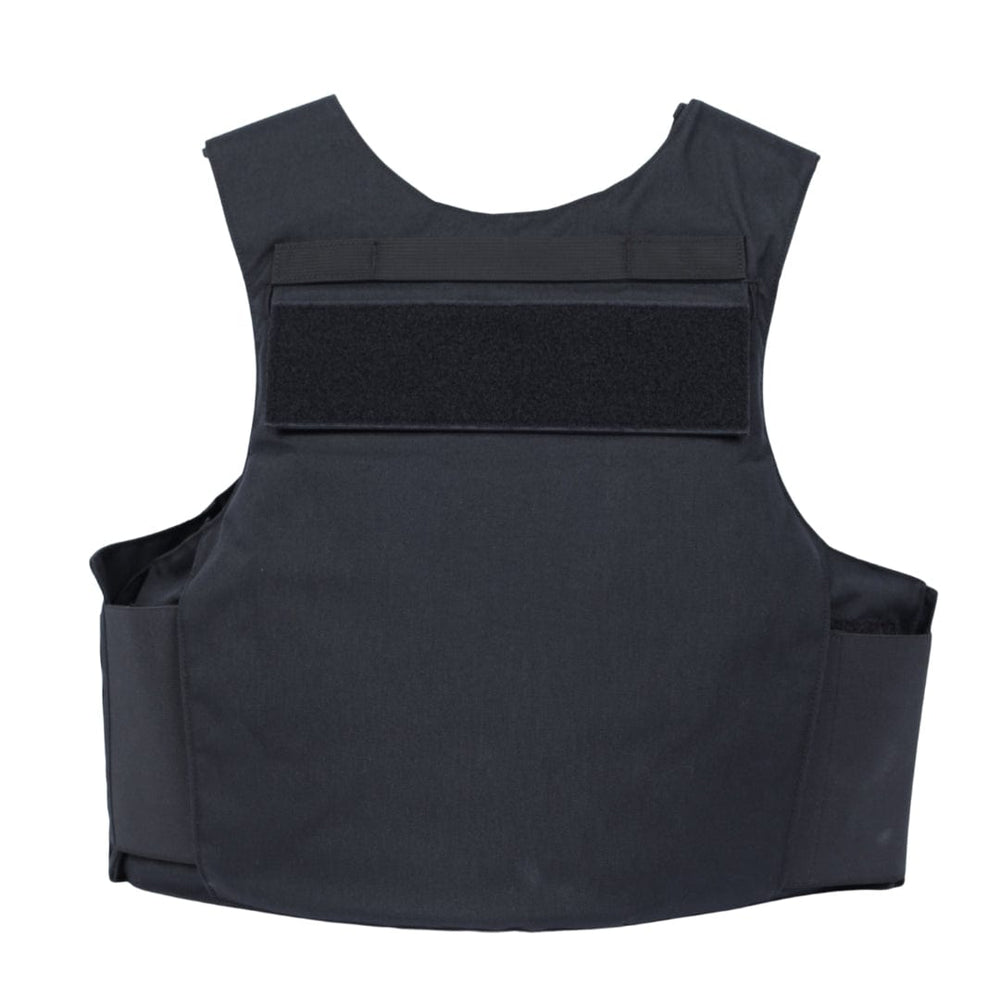
Concealable bulletproof vests use an under-uniform carrier that sits against the body beneath the shirt or uniform top. They're typically the right choice for patrol, court security, civil process, and any assignment where a low profile matters. Modern concealable carriers have improved significantly in terms of breathability and weight distribution, which makes all-shift wear a lot more manageable than it used to be.
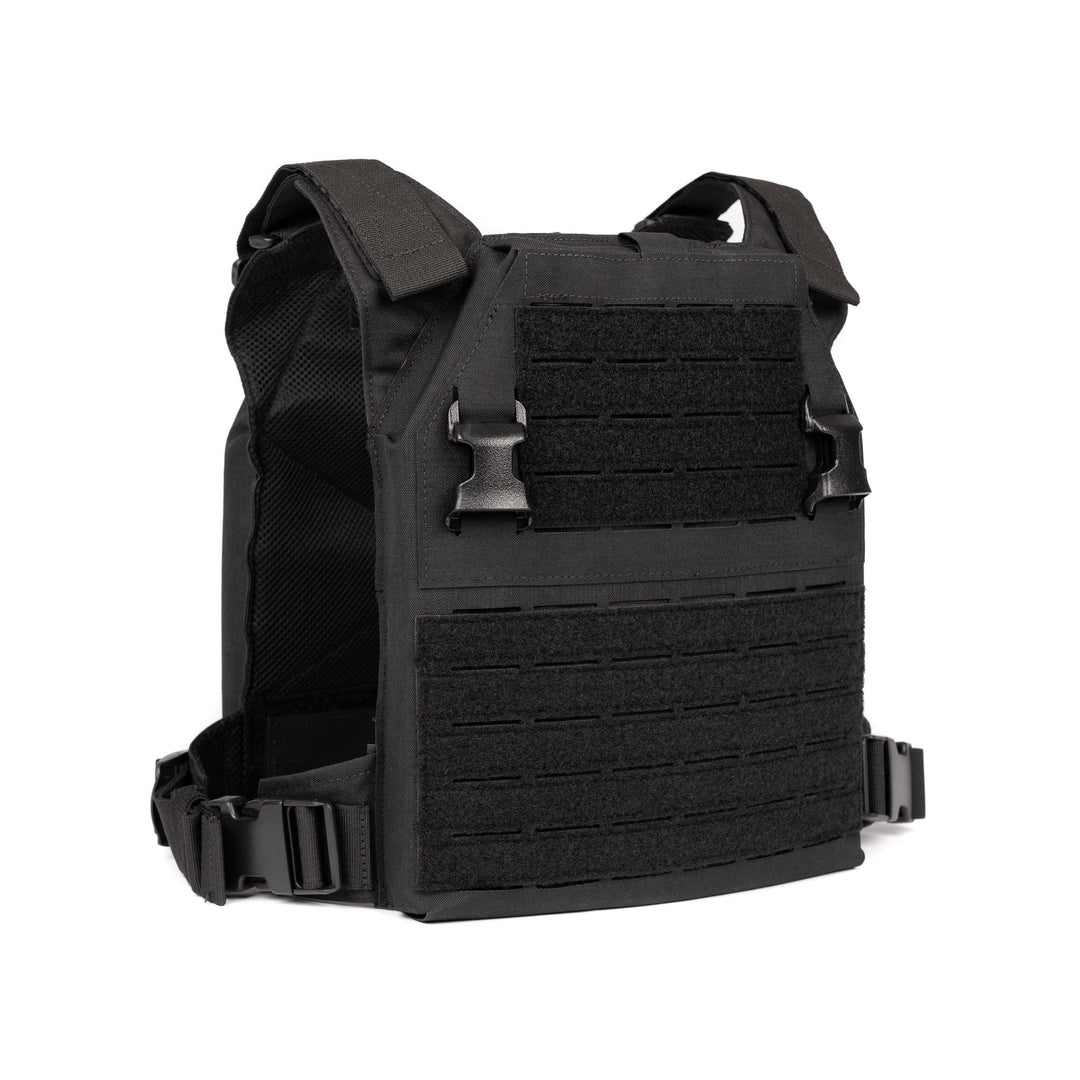
Overt tactical carriers are worn over the uniform and are better suited for things like high-risk warrant service, perimeter operations, or callouts where rapid plate access or MOLLE-compatible gear attachment is part of the plan. An overt tactical carrier gives you more surface area to work with and makes it easier to integrate sheriff plate carriers alongside soft armor panels for layered protection.
Some departments are moving toward hybrid or modular systems that let deputies start with a concealable configuration and add external components when the assignment calls for it. That kind of flexibility is worth considering if your office regularly transitions personnel between routine and elevated-risk duties.
Sheriff protective gear that works across all your assignment types doesn't have to mean a different kit for every role. Instead, match your carrier system to the mission. For tactical and SRT-level carrier options, take a look at Premier Body Armor's tactical gear collection.
Outfitting Strategies for Large and Small Sheriff's Departments
Choosing the best body armor for sheriffs is not just about product specifications. How your department procures, issues, and replaces it also factors in. A large county office with 200 deputies faces very different logistical challenges than a rural sheriff's office with eight full-time sworn personnel, but both need a system that works.
For larger departments, standardization is your biggest advantage. When every deputy is issued from the same approved list of sheriff body armor, your department can simplify training, maintenance tracking, replacement cycles, and grant documentation. It also makes bulk ordering more straightforward and gives you better pricing. The tradeoff is that a single standard doesn't always account for deputies with non-standard sizing or specific assignment needs, so your approved list should include enough options to cover those cases. That includes fit for female deputies, who are often underserved by unisex sizing.
For smaller offices, the challenge is usually related to budget and administrative bandwidth. You may not have a dedicated quartermaster or procurement officer handling gear, which means the process falls on supervisors or the sheriff directly. In that situation, keeping your vendor relationships and ordering process simple is the most important thing.
Both situations benefit from a clear replacement policy tied to vest age and service life, a documented sizing and issuance workflow, and a vendor that understands the specific demands of county law enforcement. Body armor also has a defined service life, so tie replacement intervals to it; our guide on whether body armor expires explains how.
Whether you're outfitting a large department or a small one, Premier Body Armor's law enforcement duty gear collection is where you’ll find the protective gear your deputies need, all with custom sizing and a 6-week turnaround time for delivery.
County Budgeting & Cooperative Purchasing for Sheriff Armor Programs
County law enforcement procurement operates under a different set of rules than municipal purchasing. You're often working with a budget that has to cover everything from vehicles to ammunition to personnel, and body armor competes with all of it. Knowing how to stretch your armor budget without compromising your protection program is a core part of running a sheriff's office efficiently.
Cooperative purchasing can help county agencies reduce administrative work when replacing armor or outfitting deputies. Sourcewell provides competitively solicited cooperative contracts that eligible public agencies may be able to use instead of starting a new solicitation from scratch. That said, a Sourcewell contract does not remove the need for local review. Sheriff’s offices should confirm that cooperative purchasing is allowed under their state, county, grant, and internal procurement rules before issuing a purchase order.
Used correctly, Sourcewell contracts can shorten the path from quote to purchase while still keeping the process documented. Premier Body Armor products are available through ADS, Inc. under Sourcewell Contract #091924-ADS, giving eligible sheriff’s offices a cooperative purchasing path for body armor and related gear. Before ordering, your agency should confirm that using the contract satisfies your state, county, grant, and internal procurement requirements. If your office isn't already set up with a Sourcewell membership, registration is free for public agencies and takes about 15 minutes.
Grants are the other major advantage you have. Federal programs like the Patrick Leahy Bulletproof Vest Partnership can reimburse up to 50% of the cost of qualifying body armor vests purchased for law enforcement officers.
State-level programs vary by jurisdiction but can add an offset on top of any reimbursement you get from federal programs. The key is building your purchasing timeline around grant windows so you're not scrambling to apply after the fact. For a full breakdown of what's available and how to apply, our body armor grants guide is a good place to start.
Why LEOnline®'s Procurement Approach Works for Sheriff's Departments
Sheriff's offices don't always fit the standard law enforcement procurement mold, and we built LEOnline® procurement with that in mind. You're not a municipal police department with a dedicated quartermaster and a streamlined city purchasing process. You're managing a multi-mission agency with rotating assignments, mixed roster sizes, and a county budget cycle that doesn't always line up with your replacement needs.
LEOnline® gives you a dedicated procurement channel that handles custom sizing, roster-based ordering, and NIJ-compliant gear selection. Working toward BVP grant compliance? LEOnline® makes it easier to document your purchases for your reimbursement application, and helps agencies quote eligible NIJ-certified and Berry Compliant options where those requirements apply.
It's also worth noting that finding the best body armor for sheriffs goes beyond picking the right panel or carrier once. You need an ongoing procurement process that keeps your deputies protected year over year, without creating a new administrative headache every replacement cycle.
If you're ready to simplify how your office sources sheriff body armor, request a department quote and see how LEOnline® can give you NIJ-certified options, custom sizing, and an efficient procurement process built for county law enforcement.
Sheriff Body Armor FAQs
What level of body armor is best for sheriff deputies?
The best body armor for sheriff deputies depends on the assignment. Many patrol deputies wear Level II or Level IIIA soft armor for handgun threats, while deputies assigned to rural patrol, warrant service, or tactical callouts may also need rifle-rated plates. Departments should match protection level to the role, threat environment, and agency policy.
Do sheriff’s departments need to switch to NIJ 0101.07 armor right now?
Not necessarily. NIJ has stated that the 0101.06 Compliant Products List is expected to remain active through at least the end of calendar year 2027. Departments shopping during the transition should verify the exact model, standard, threat level, and NIJ listing status.
Can sheriff’s offices use grants or cooperative purchasing for body armor?
Many agencies may be able to use funding programs or cooperative purchasing options, depending on eligibility and local rules. The Patrick Leahy Bulletproof Vest Partnership reimburses eligible states, units of local government, and federally recognized Indian tribes for up to 50% of the cost of body armor vests purchased for law enforcement officers.
frequently asked questions
We will sell body armor to civilians, Law Enforcement Officers, and Military Personnel in the United States who meet the following criteria:
1. Are 18 years of age or older
2. Are not a felon;
3. Are legally allowed to possess and use the item(s) in your state (If you are a New York or Connecticut resident, you must be active Law Enforcement or Military Personnel and provide necessary credentials);
4. Are purchasing this product for only lawful purposes;
5. Are purchasing this product on your own behalf;
6. Comply with all other Terms & Conditions.
Learn more about the legality of body armor in each state.
STRATIS Plates have an 8-year warranty. Fortis plates have a 7-year warranty. Soft body armor panels (for vests and backpacks) have a 5-year warranty, and each carrier has a 2-year warranty.
For warranties on specific products, please see the product page.
All products (excluding clearance items) are eligible for an easy return or exchange if initiated within 30 days of receipt, and the product(s) is in new, unused condition.
There is no re-stocking fee for returns or exchanges. The customer is responsible for any return shipping costs associated with returning the product.
Read more about our returns & exchange information.