


The Ultimate Bug Out Bag List: 60 Essentials [FREE Download]
updated November 2025
The Complete Bug Out Bag Checklist + Free PDF Download
Build a reliable 72-hour bug out bag (aka go bag, get-home bag, or evacuation kit) with this expert-curated checklist. Use the at-a-glance list to get started, then dive into detailed gear picks, packing tips, and a printable PDF.
Bug Out Bag: At-a-Glance
- Water: 1 gallon per person per day + filter + purification tabs
- Calories: ~2,000/day per adult (compact, high-protein)
- Shelter: tarp or tent + sleeping bag + thermal blanket
- First Aid: compact kit + bleed control kit + personal meds
- Light/Power: headlamp + spare batteries or solar bank + charging cables
- Comms: charged phone + radio/walkie
- Docs: waterproof copies of IDs, prescriptions, key records
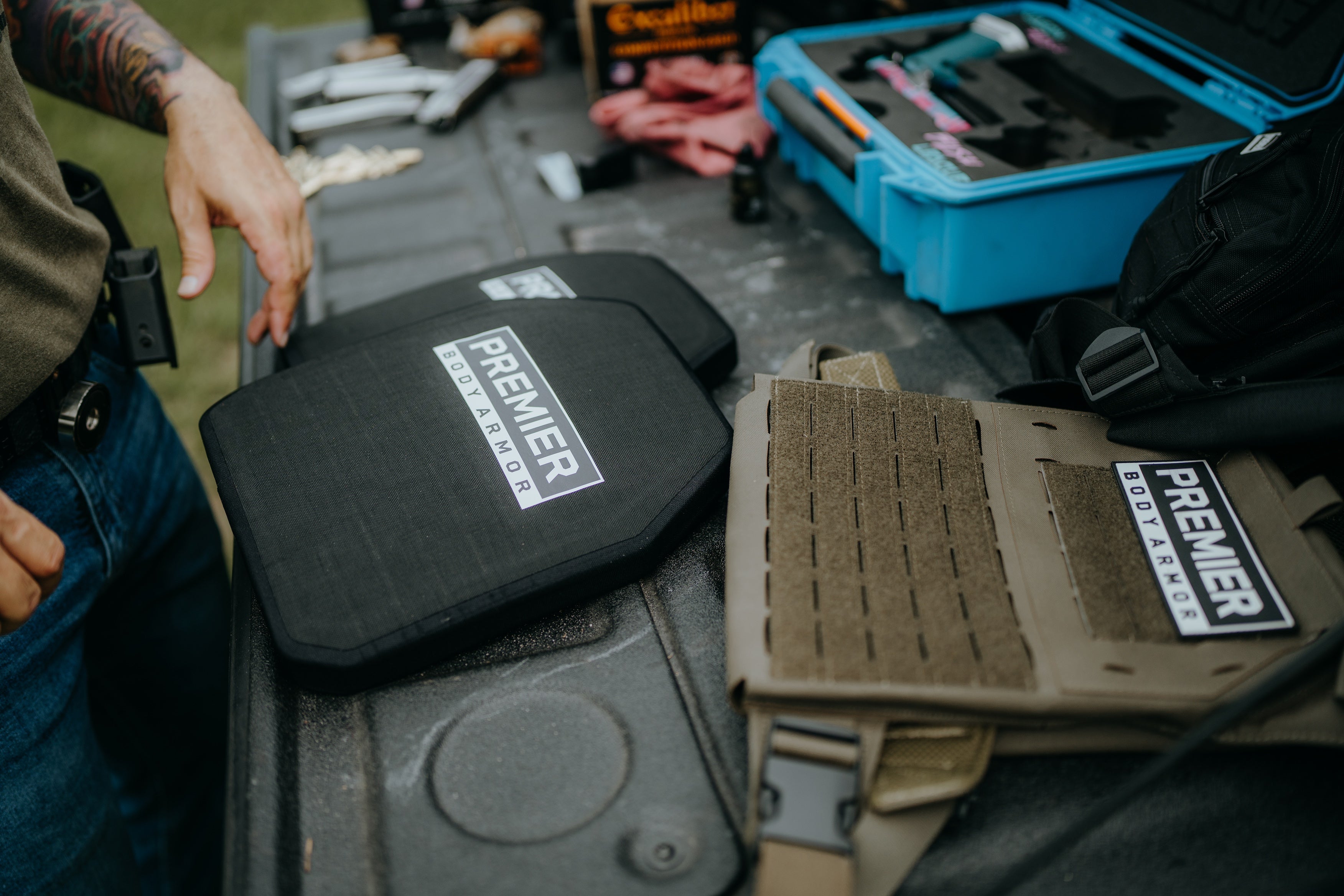
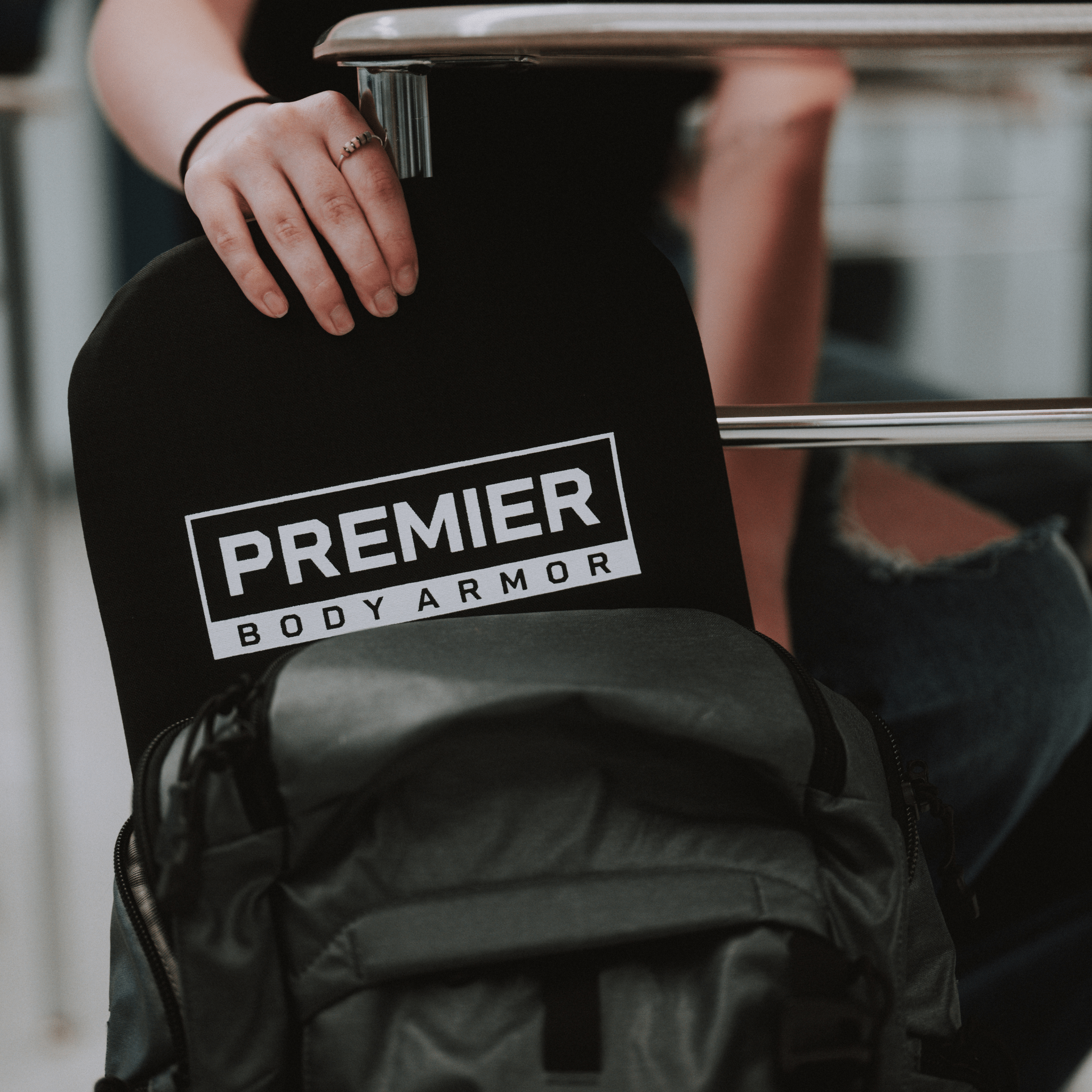
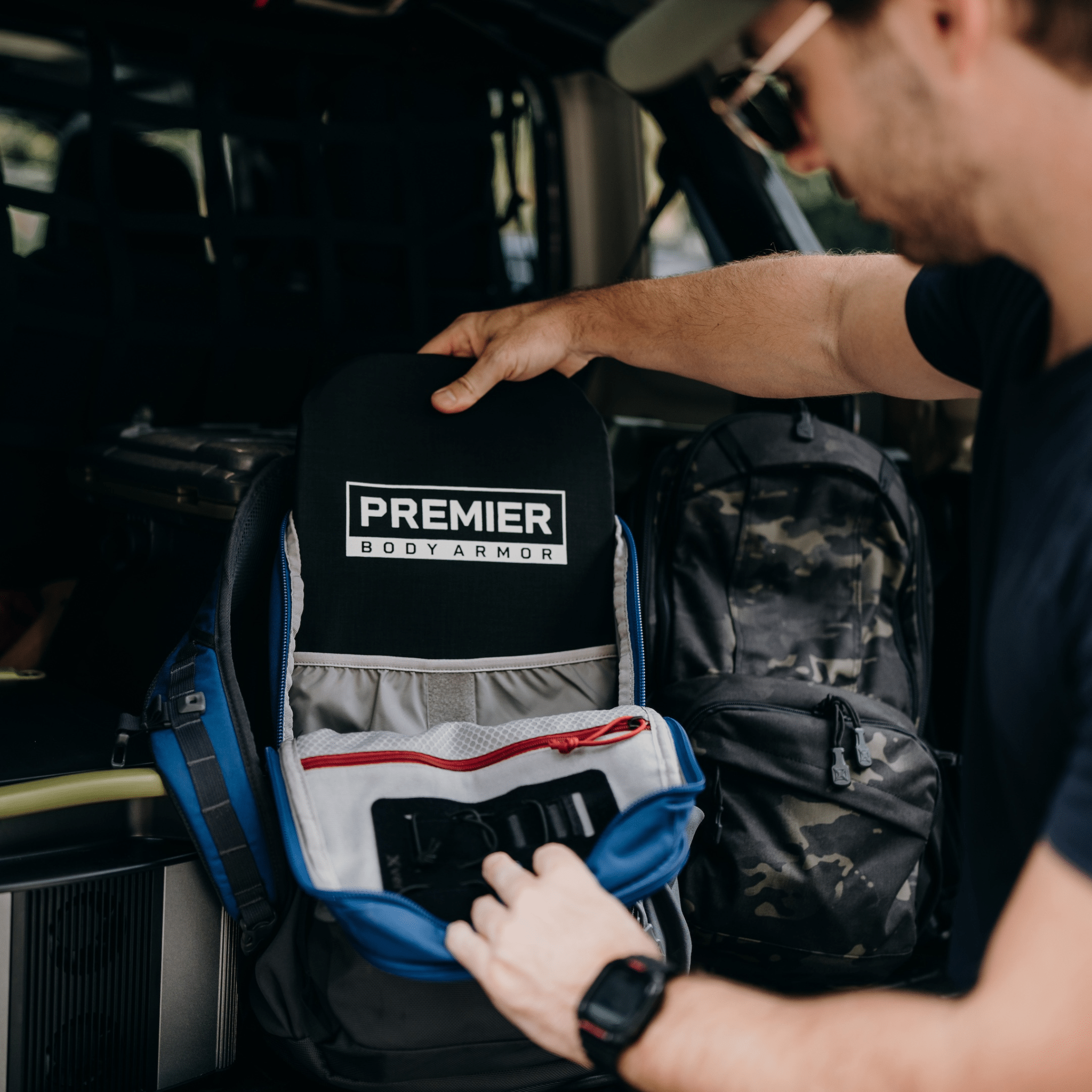
- Protection: preferred weapon; optional Level IIIA backpack insert
- Tools: multi-tool, fire starter, duct tape, paracord
- Clothing: moisture-wicking layers + socks + rain shell
Target pack weight: aim for ~10–20% of your body weight.
Whether you’re faced with a power outage, natural disaster, or unexpected threat, a well thought out bug out bag goes a long way in keeping you and others safe.
Our bug out bag list covers everything from survival equipment to self defense to personal items to ensure you’re prepared for any situation.
Below is a download link for a free bug out bag list PDF. This meticulously curated checklist covers all the essentials and considers crucial elements like food, water, shelter, first aid, communication and more.
Don’t wait for an emergency to strike. Instead, think ahead and assemble your bug out bag today. Click the link below to download your free PDF and take the first step toward ensuring your emergency preparedness.
Download Your Printable Bug Out Bag Checklist PDF
Grab a copy of our bug out bag list PDF with all 60 essential items.
What Do You Need a Bug Out Bag For?
A well prepared bug out bag consists of all essential things you might need in an emergency or undesirable situation. When building a bug out bag, it is important to consider all of the possible unruly scenarios you might find yourself in, like if you are going on a road trip, vacation, or just staying home.
A bug out bag essentials list should have items to prepare you for a roadside emergency, a natural disaster, or even something more severe like a ballistic threat. With this in mind, a bug out bag essentials list should consist of things like non-perishable food, water, emergency shelter, clothing, and hygiene supplies. All of these items can make a huge difference in times of need, keeping you safe until you can get back on your feet.
Bag Types: What’s the Difference?
- Bug Out Bag (72-hour): Evacuations, 1–3 days.
- Get-Home Bag: Minimal kit to walk home if stranded.
- INCH (“I’m Never Coming Home”): Long-term sustainment (advanced).
The 60 Key Items That Belong on Your Bug Out Bag Packing List
Whether you are a seasoned prepper or someone just getting into the emergency preparedness space, this comprehensive guide has you covered. From survival essentials to strategic tools, our expert curated bug out bag item list has everything you need to be prepared for whatever life throws at you.

Being prepared is key to facing unexpected challenges, and with our detailed bug out bag packing list you can rest easy knowing that you have the right gear for any situation.
Hydration Equipment
One of, if not the most important things you can pack in your bug out bag is high-quality hydration equipment. This takes the shape of water bottles, whether plastic or reusable, a water filter, and water purification tablets. A good bug out bag should have enough water to keep you and your party hydrated for 1-3 days. After that, it is crucial to have some form of filtration to ensure you have clean water for as long as you need.
- Water Bottle
- Water Filter
- Water Purification Tablets
Aim for 1 gallon of water per person per day for 72 hours. Carry a minimum on you and plan to replenish via filter & purification en route.
Medical Essentials
It is also important to prepare your bug out bag with medical essentials like a compact first aid kit. This first aid kit should consist of basic medicine like antibiotic ointment, fever reducers, and painkillers, as well as tools like scissors, tweezers, cotton swabs and bandages.
For larger medical emergencies, consider having a bleed control kit prepared with a tourniquet, cold pack, large bandages, splints, latex-free gloves and a first aid manual. Having medical supplies on hand will be crucial if a medical emergency were to arise.
Keep in mind the specific medical requirements of yourself or those you are traveling with, as not all emergency medical kits can cater to everyone.
- First Aid Kit
- Bleed Stop Kit
- Insect Repellant
- Latex Gloves
- Personal or OTC Medications
Long-Lasting Food Items
Be sure your bug out bag is equipped with long lasting or non-perishable food items such as energy bars, canned goods, or MRE’s. A few days worth of food for you and your party will be vital if an emergency strikes.
Make sure you also have the proper tools to prepare your food, such as gloves, a stove, utensils, and water if your meal requires it. Be sure your food supply adheres to the dietary needs of you and your party. Being prepared with nutrient dense, high calorie food on hand is essential in emergency situations.
- Energy Bars
- MREs
- Beef Jerky
Supplies for Shelter and Sleeping
If your travels take you to an unfamiliar location, be sure to plan accordingly and bring the requisite shelter and sleeping supplies if issues arise with your planned accommodations. These supplies might consist of a heavy duty tarp to be used as a ground liner or rain protection, a tent with enough room for you and those traveling with you, sleeping bags and ground pads, and extra blankets if you’re in an especially cold environment.
If space in your bug out bag is an issue, there are a number of lightweight and space efficient options to help preserve space.
- Sleeping Bag
- Tarp
- Sleeping Pad
- Tent
- Silver Thermal Blanket
Self Defense Equipment
Although it is unlikely, it is essential to prepare your bug out bag with self defense equipment in case of a ballistic threat or large animal encounter. You might find it useful to have a firearm on hand, whether it is a handgun or a rifle.
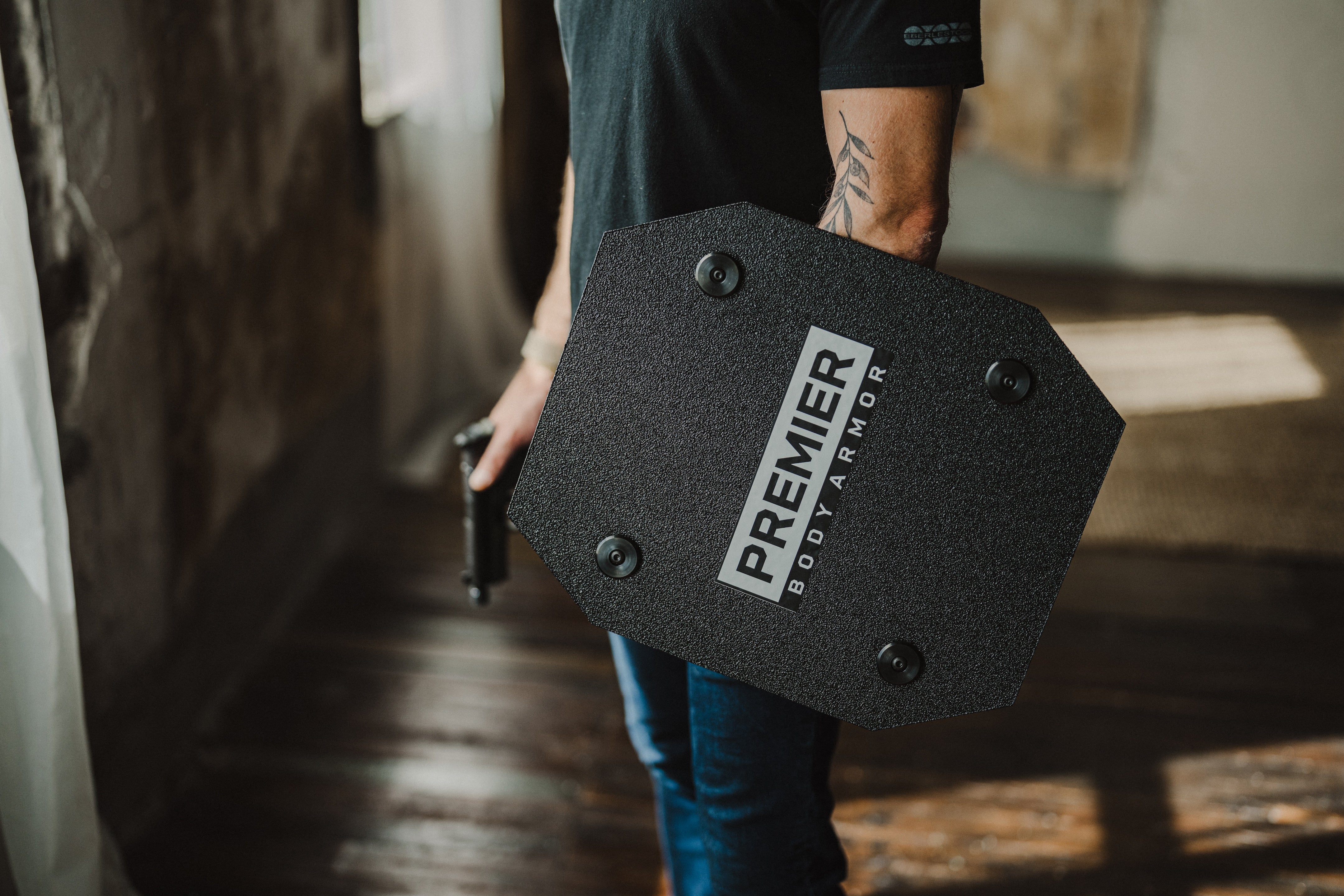
If this is the case, be sure to have cleaning supplies and spare ammunition. It might also be helpful to have a knife, taser, or pepper spray/mace on hand to fend off attackers. Ballistic protection is also a good thing to have in your bug out bag, whether it is an armor vest or bulletproof backpack insert like the custom-made Fieldcraft Survival Inserts.
- Firearm
- Knife
- Taser
- Pepper Spray/Mace
- Body Armor
Want a printable version of this checklist that you can take with you? Download our free bug out bag list PDF to make sure you never forget a crucial item.
Personal Hygiene Items
Another bug out bag essential is personal hygiene items. These should be lightweight and easily accessible to ensure maximum usability. Hygiene items like soap, a toothbrush, and toothpaste, and sanitation items like disinfectant wipes, hand sanitizer, and toilet paper are essential to ensuring comfort through unforeseen circumstances. These items not only promote physical health, but address a certain level of psychological need as well.
- Toothbrush
- Toothpaste
- Hairbrush
- Hand Sanitizer
- Toilet Paper
- Soap
- Small Towel
- Wet Napkins
Versatile Attire
In an emergency situation, having versatile attire on hand is essential. Versatile attire consists of clothing that performs well in a large range of temperatures, moisture levels, and performance requirements. Some examples of versatile attire consist of moisture wicking pants and shirts, multi-purpose hats such as a bandana or hood, and water resistant shoes.
Being prepared for any and all weather scenarios is essential in an emergency, as the difference between being wet and dry can be the difference between life and death. It is also important to pack extra socks and under garments in your bug out bag, as these items can drastically contribute to your quality of life in an emergency situation.
- Rain Jacket / Poncho
- Hat / Bandanna
- Long Sleeve Shirts
- Hiking Socks
- Underwear
- Work Gloves
Pack Smart, Carry Less
- Target pack weight ≈ 10–20% of body weight
- Place heaviest items close to your spine at mid-back height
- Use dry bags/zip bags to segment gear and waterproof essentials
- Duplicate criticals (light, fire, meds) in two spots
- Quarterly check: rotate water, batteries, and medications
Multi-Functional Tools
Having multi-functional tools in your bug out bag is a great idea due to the large number of use cases they have. Whether it is for a roadside emergency or a survival situation, having tools on hand makes it much easier to prepare shelter or make repairs.
It is also a good idea to have useful items like duct tape and paracord due to their multi-use functionality. These items are great for patching holes and securing your belongings. Be sure to regularly check on the quality and quantity of these items you have so you are not without them in an emergency situation.
- Multi-Tool
- Fire Starter
- Duct Tape
- Paracord
- Survival Knife
Lights and Power
If you are planning on traveling for multiple days, be sure to have lights and power on deck. If you pack a flashlight, make sure you also have spare batteries. If you are worried about weight, you can rely on a solar powered battery bank instead.
However, if you do go the battery bank route, be sure to have extra charging cables that suit the charging needs of you and your devices. Investing in durable, lengthy cables is not a bad idea as the convenience they provide in a pinch.
- Flashlight
- Spare Batteries
- Solar Powered Battery Bank
- Extra Charging Cables
Communication Devices
If you find yourself in an emergency, having a way out is crucial to your wellness. This is why it is important to have a cell phone, radio, or walkie talkie on hand in case you find yourself stranded without immediate help.
If this is the case, be sure to bring the correct charging equipment to ensure these devices are usable when you need them. It is good practice to double check the charge of these items regularly, whether you just top them off or keep them on a drip charger.
- Cell Phones
- Walkie Talkies
- Radio
Personal Documentation
In an emergency situation, personal documentation like an ID, drivers license, passport or medical information can go a long way in identification with authorities. If you do decide to bring these things, ensure that they are copies, and that they are stored in a waterproof box or bag to guarantee their quality when needed.
- Copies of Drivers Licenses
- Copies of Passports
- Copies of Home and Title Documents and Keys
- Copies of Prescriptions/Important Medical Records
Navigation Aids
Having a reliable navigation aid in your gear is a great way to stay oriented and find your way in an emergency. Whether it is a compass, satellite GPS, or a good old fashioned map, having navigational equipment handy can go a long way to ensure your safety if you find yourself lost or disoriented.
- Maps
- Compass
Download offline maps to your phone ahead of time and keep a paper map of your region as backup.
Miscellaneous Items
Be sure to do an overview of your gear and fill in any gaps with some miscellaneous items like cash, resealable bags, or even playing cards. These items, while not necessarily essential, are useful in guaranteeing your bug out bag is well rounded.
When adding these items to your pack, consider random scenarios that might arise and what would be needed to handle these situations effectively. From here, think of other quality of life things that you can add to make an emergency feel a bit more like home.
- Cash
- N95 Face Mask
- Resealable Bags
- Sewing Kit
- Emergency Whistle
- Pet Supplies
- Playing Cards
Seasonal Add-Ons
- Summer: electrolyte tabs, sun protection, insect head net
- Winter: hand warmers, wool layers, closed-cell foam pad
- Wildfire zones: N95s, eye protection, evacuation map
- Hurricane/flood: dry bag for docs, extra water treatment
Maintain Your Bag in 10 Minutes/Quarter
- Replace expiring meds/food; recharge battery bank
- Test light, radio, and power cables
- Update copies of IDs, prescriptions, contacts
- Fit-check: swap seasonal layers and socks
Bug Out Bags for Every Emergency
In the face of uncertainty, a well-equipped bug out bag is your key to making it out in one piece. Our comprehensive guide will help ensure you are ready for any emergency, big or small. Whether your gear is for a vehicle, a large group of people, or a specific condition like the wilderness or an urban environment, having a well curated bug out bag on hand makes it easier to handle emergencies.
Keep your head up, check on your gear routinely, and run through emergency scenarios often to ensure you are prepared. Vigilance is key in an emergency, and it is always better to be over prepared than underprepared.
Ready to Pack? Don’t Leave Without the Bug Out Bag Checklist PDF
Ensure you’re fully prepared and download our free bug out bag list PDF to double-check your gear before your next trip, adventure, or emergency.
Bug Out Bag FAQs
How much should a bug out bag weigh?
Keep it around 10–20% of your body weight. Prioritize water, first aid, shelter, and calories.
What food lasts and packs small?
Energy bars, jerky, tuna packets, nut butters, and compact freeze-dried meals with a stove or cold-soak.
Is body armor or a backpack insert worth it?
For many, a Level IIIA backpack insert offers discreet protection with minimal weight, plus it's easy to carry daily.


Almost everyone thinks in terms of carrying their bug-out bag on their back. No one ever considers using a mechanical device to haul the bag. I can get my rifle in action a lot quicker if I am not carrying a bag on my back and with lots of items strapped around my waist. Drop the handle of my light weight luggage carrier and I am ready for action. I can haul a lot more than I can carry. Going cross country? Consider a travois. Indians used them to move whole villages. The women and children all hauled the travois. The men traveled armed around the perimeter to protect the village while on the move. No, I am not really that old to have first hand knowledge, but that’s what others who claim to know have said about the process. Even dogs hauled a travois according to the experts. You can make a travois for well under $100 and have it ready in the garage. Buy two 8’ or 10’ 2 × 2 square poles. Use 1×2s for the cross beams. I would locate them at distances from each other so that your packs rest on two cross pieces one at the top and one at the bottom of your packs. Drill a hole large enough to accommodate a 1" or 3/4" diameter dowel and fasten it to the square poles with screws. Make sure the screws are long enough to pass all the way through the dowels. In fact, if you want to make sure the travois is sturdy enough, I would use carriage bolts throughout the construction. A round dowel will be easier on your hands while hauling the travois than a 1×2.The further down the travois the major weight is, the easier it will be on your body as the weight will be dragging on the ground rather than on your body.If you are really handy, attach wheels to the travois. The larger the diameter of the wheel the easier it will be to drag. I would use solid rubber tires rather than pneumatic tires. Pneumatic tires are easier to pull on pavement but cross-country they can pick up too many items that cause flats. If you have big bucks, buy a game carrier. They are prebuilt and most of them will carry anywhere from 125 pounds up to 350 pounds depending upon your budget. Some even fold up for easy storage. Any on-line sporting goods site has them.If one can haul a deer through the woods on a game carrier, one can most assuredly haul a heavy pack or two through the woods. An easy way to distract someone too curious about what you are hauling is to have a decoy pack. Fill it will well used underwear or animal droppings if you have an animal. When approached leave it and put distance between you and the potential thief. Or set up in a better defensive position if the decoy doesn’t discourage them. I always carry a light weight, folding luggage carrier in the trunk of my car for hauling my get-home bag. Carry lots of bungee cords, even locally.
Very thought out list. I will be getting mine reorganized!
Good list, you really don’t realize how many little things you might need until you see it written out. I’ve been adding to my own kit and also picking up some free prepping and survival eBooks from https://ardbark.com. Lots of good info there on what to pack and how to use it if things go bad.
Thanks. Awesome info. I’m looking forward to the list.
Great info. Please send PDF info right away.
Leave a comment