


When you’re selecting law enforcement patrol vests for a full department, you’re balancing protection, wearability, and a process that won’t stall out in procurement. The right police body armor should be comfortable enough to wear all shift, scalable enough for evolving threats, and supported by a fitting workflow that gets every officer into the right police ballistic vest the first time.
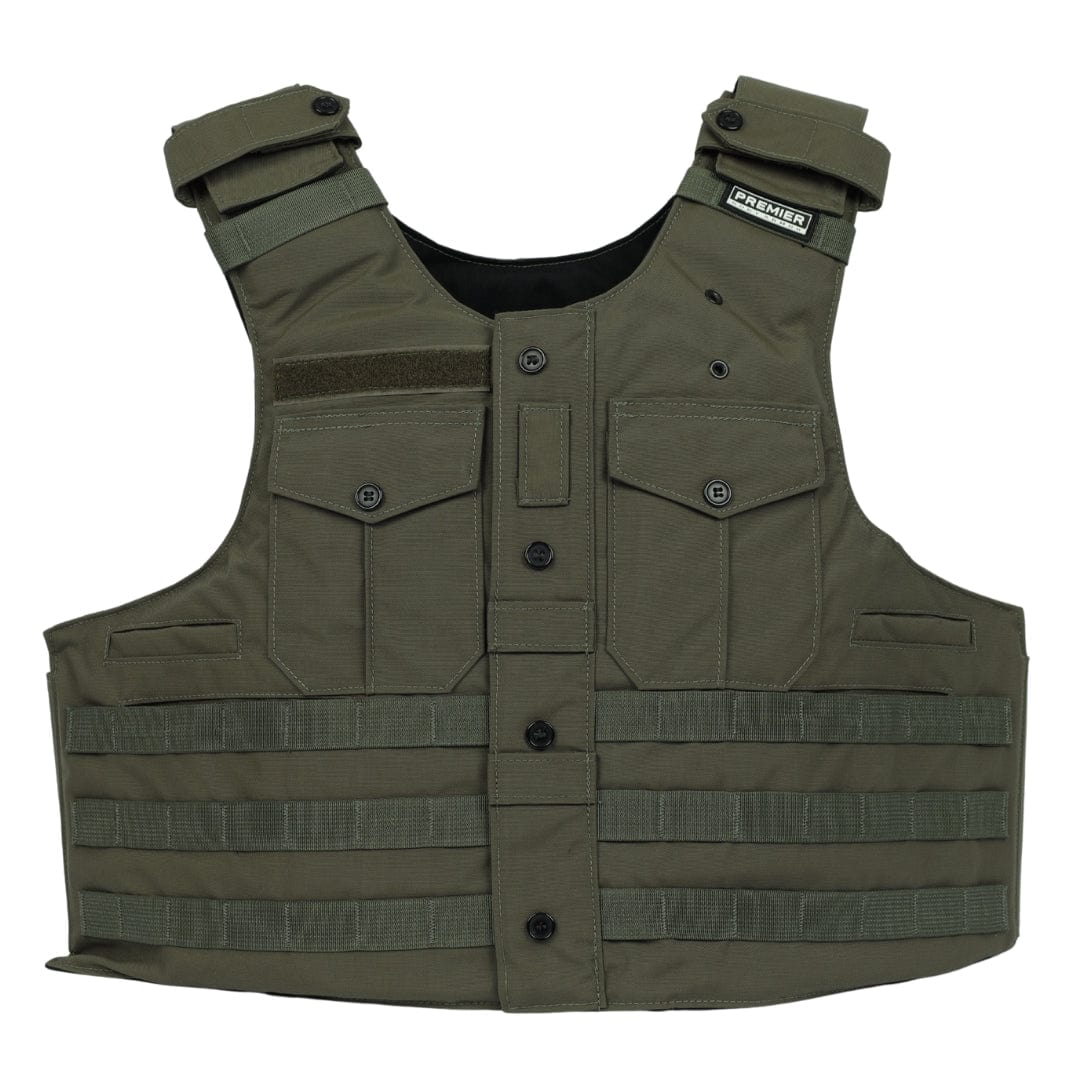
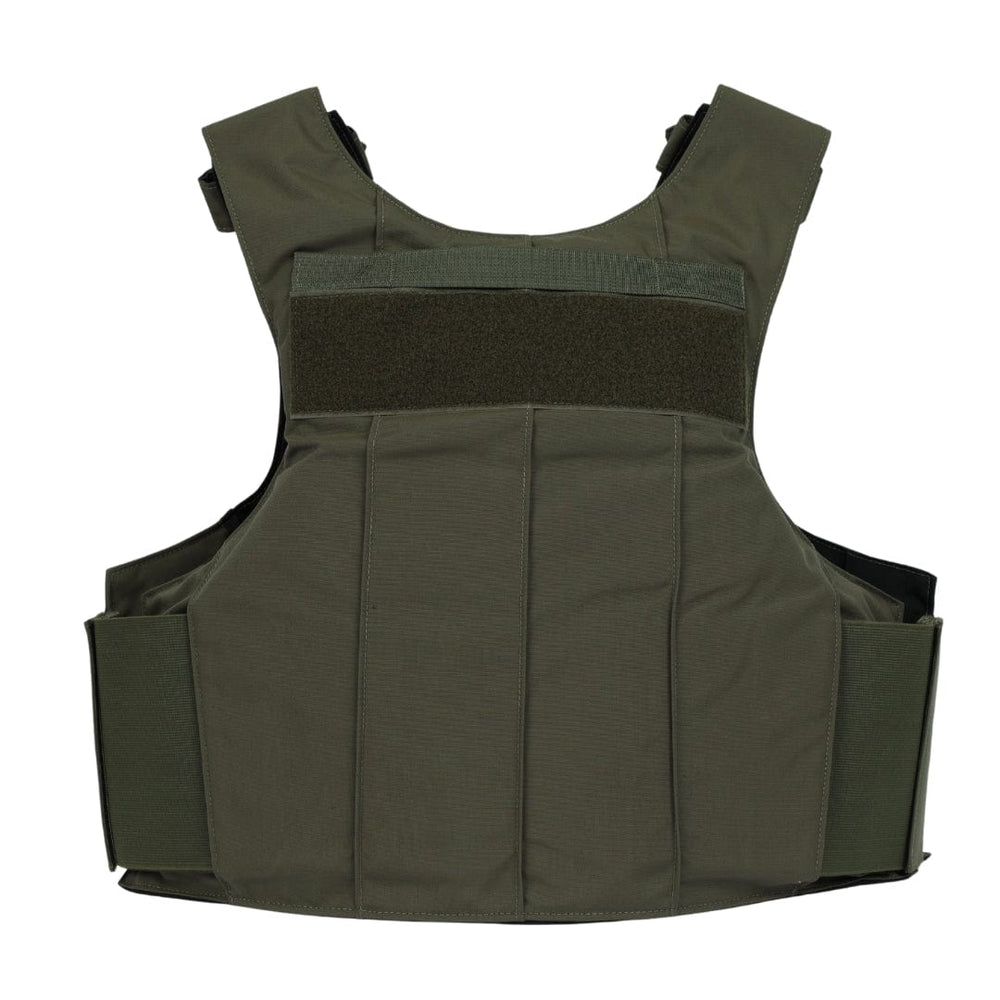
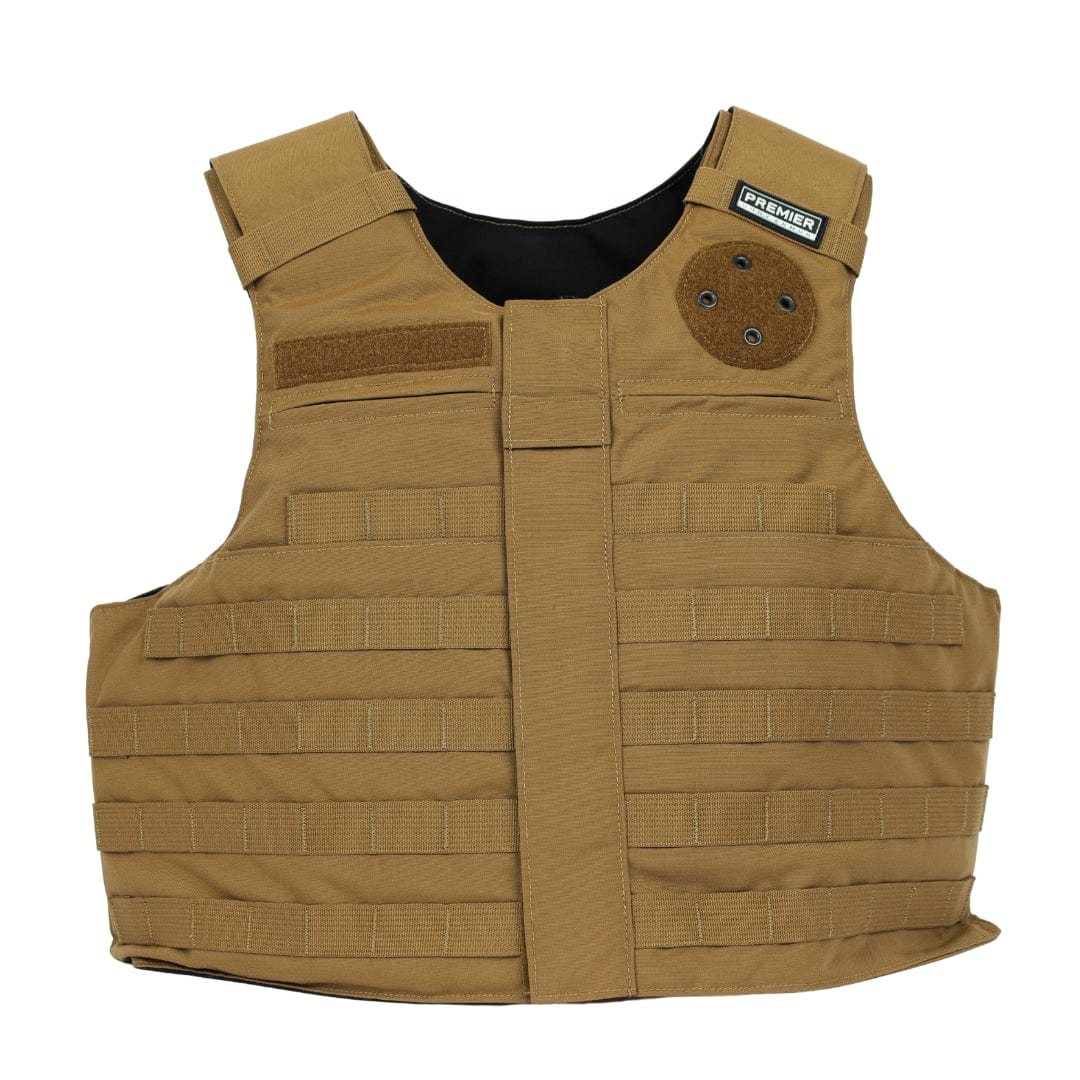
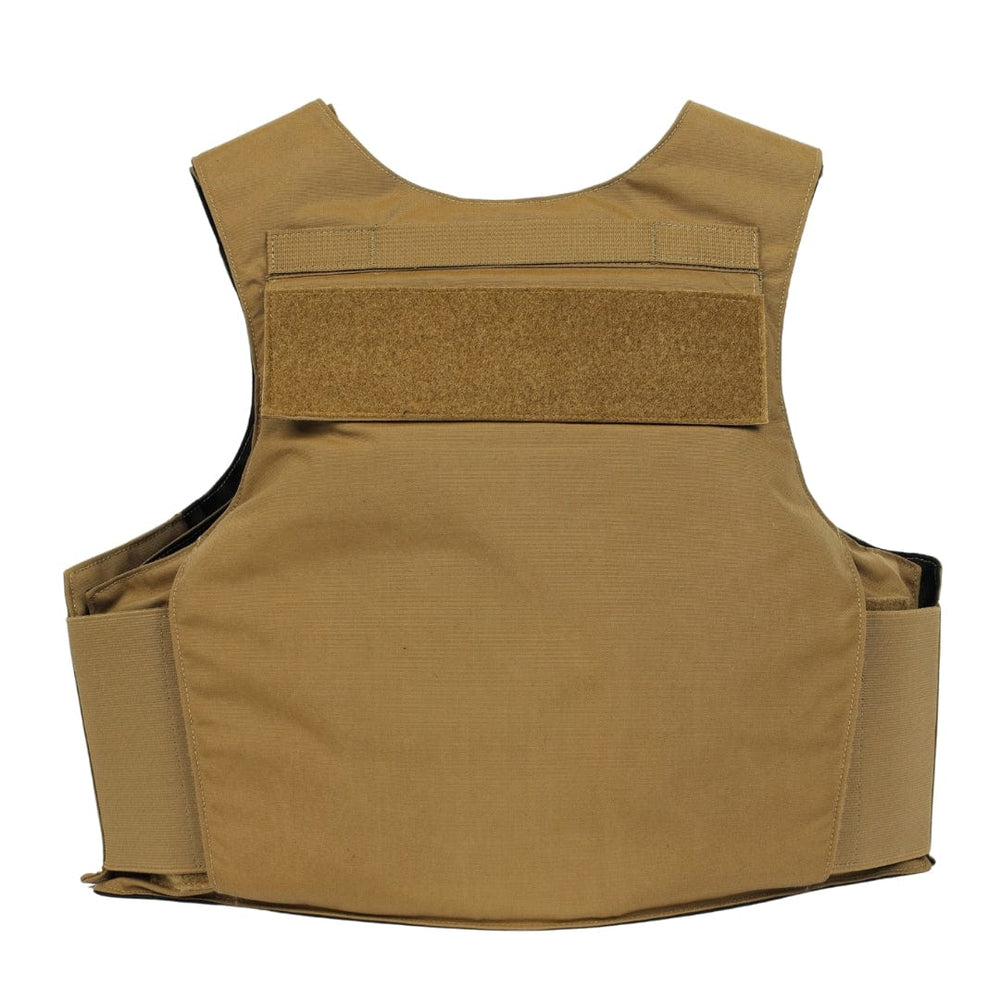
Built for U.S. law-enforcement patrol, this collection brings together our overt carriers. All models are USA-made, Berry Compliant, and pair NIJ Level IIIA certified soft armor panels with front/back 10×12 plate pockets for scalable protection.

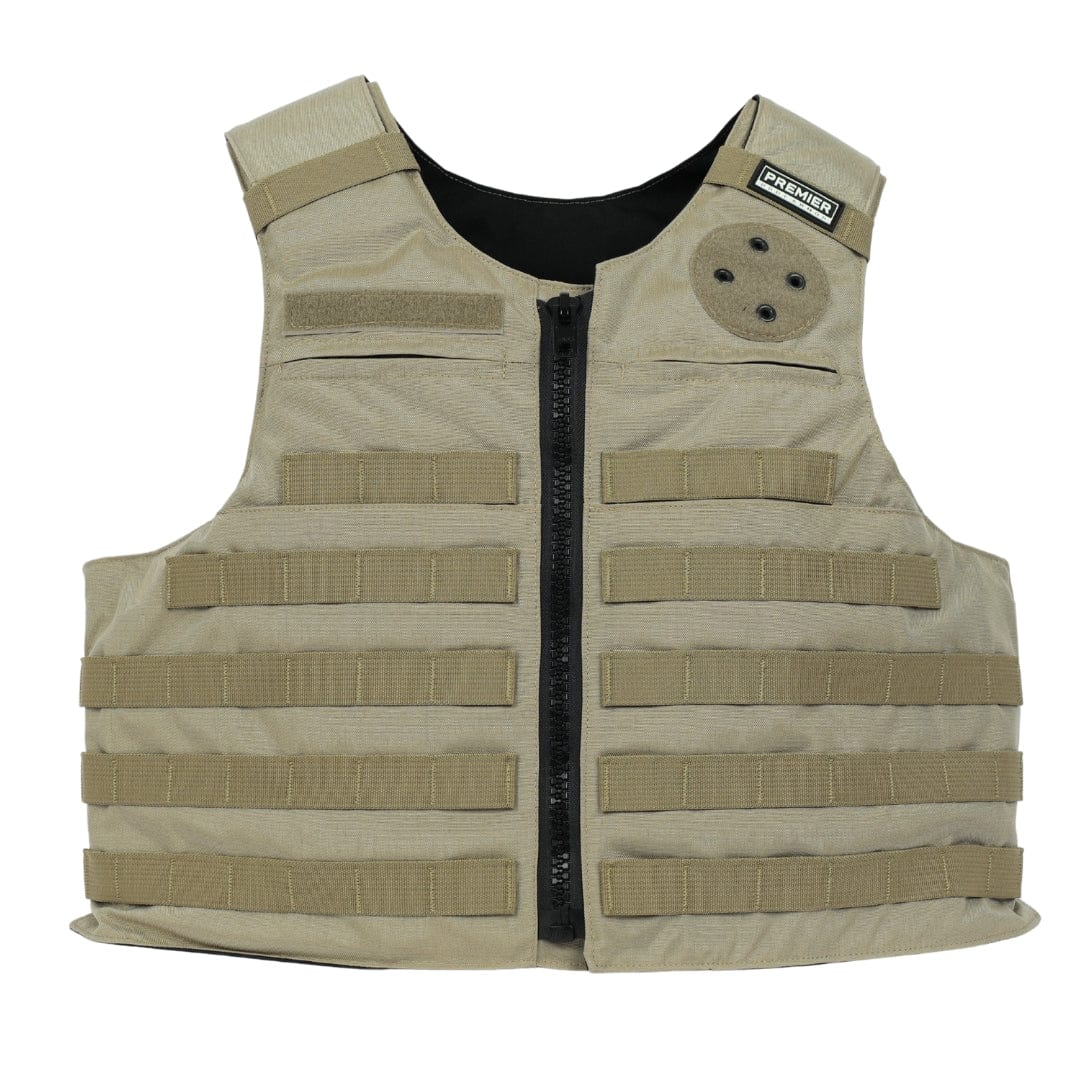
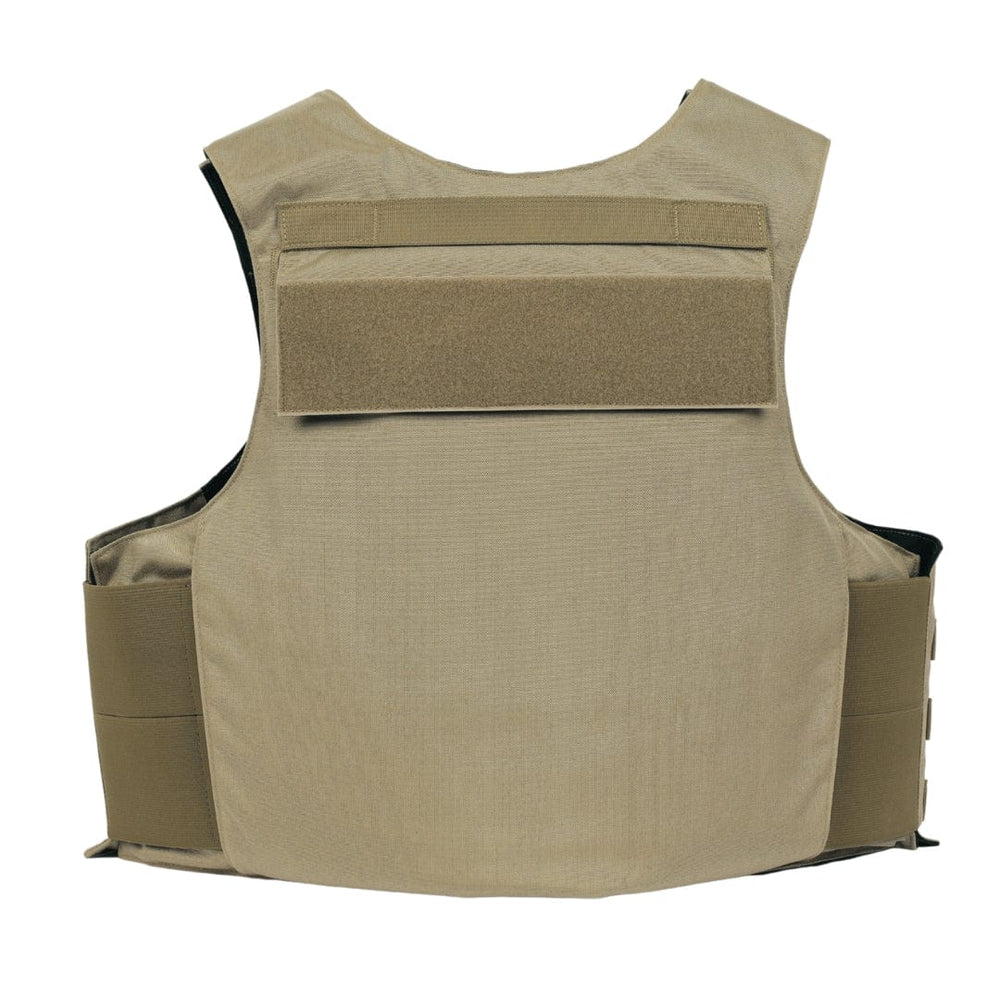
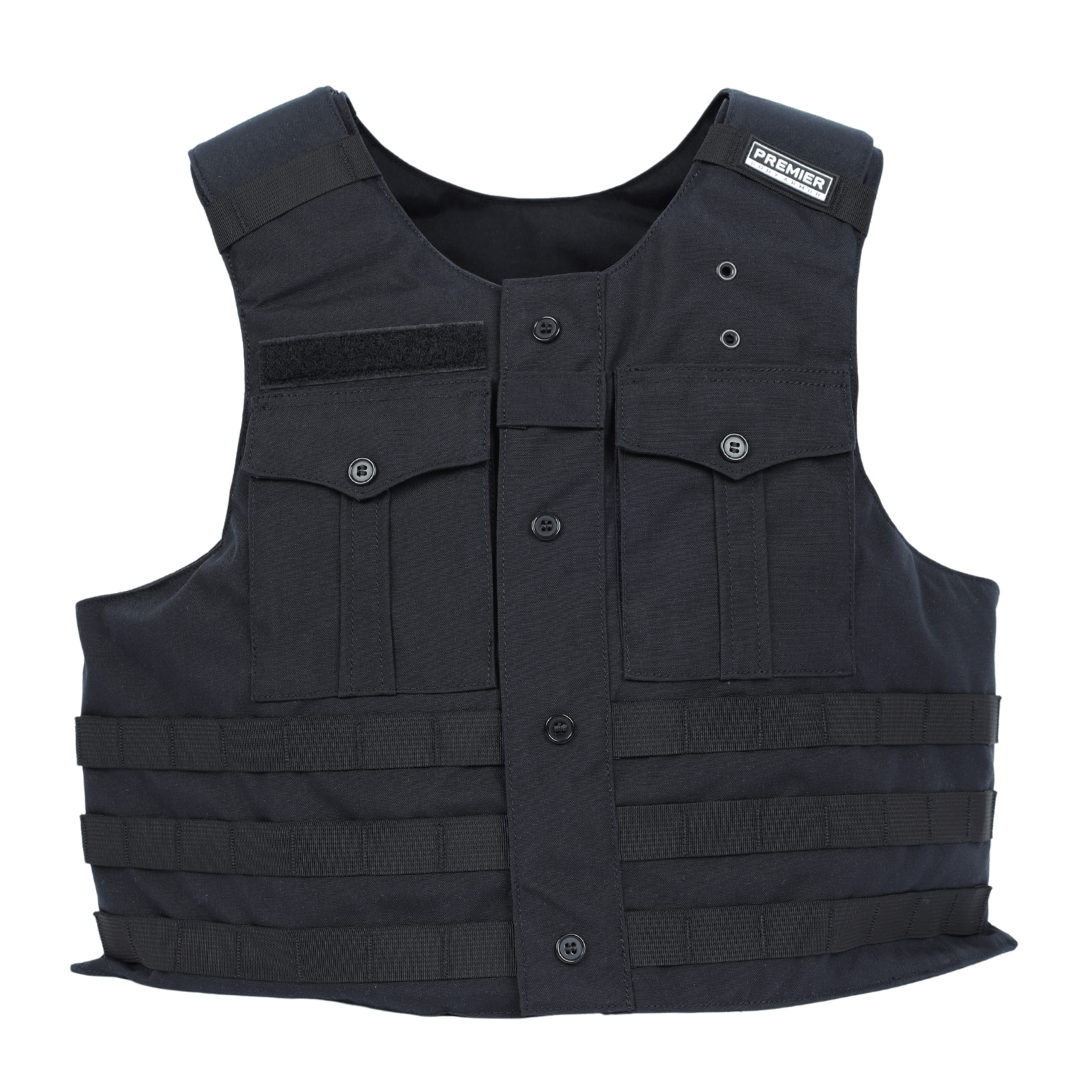
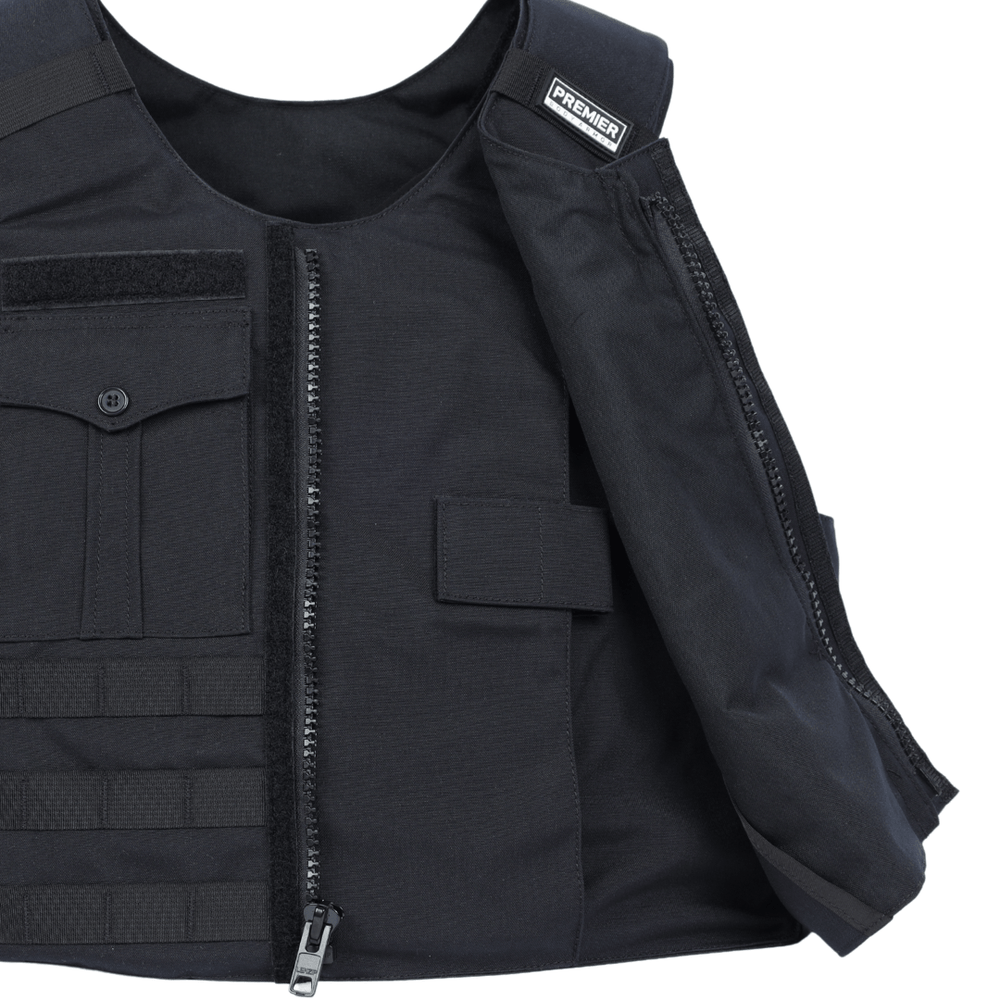
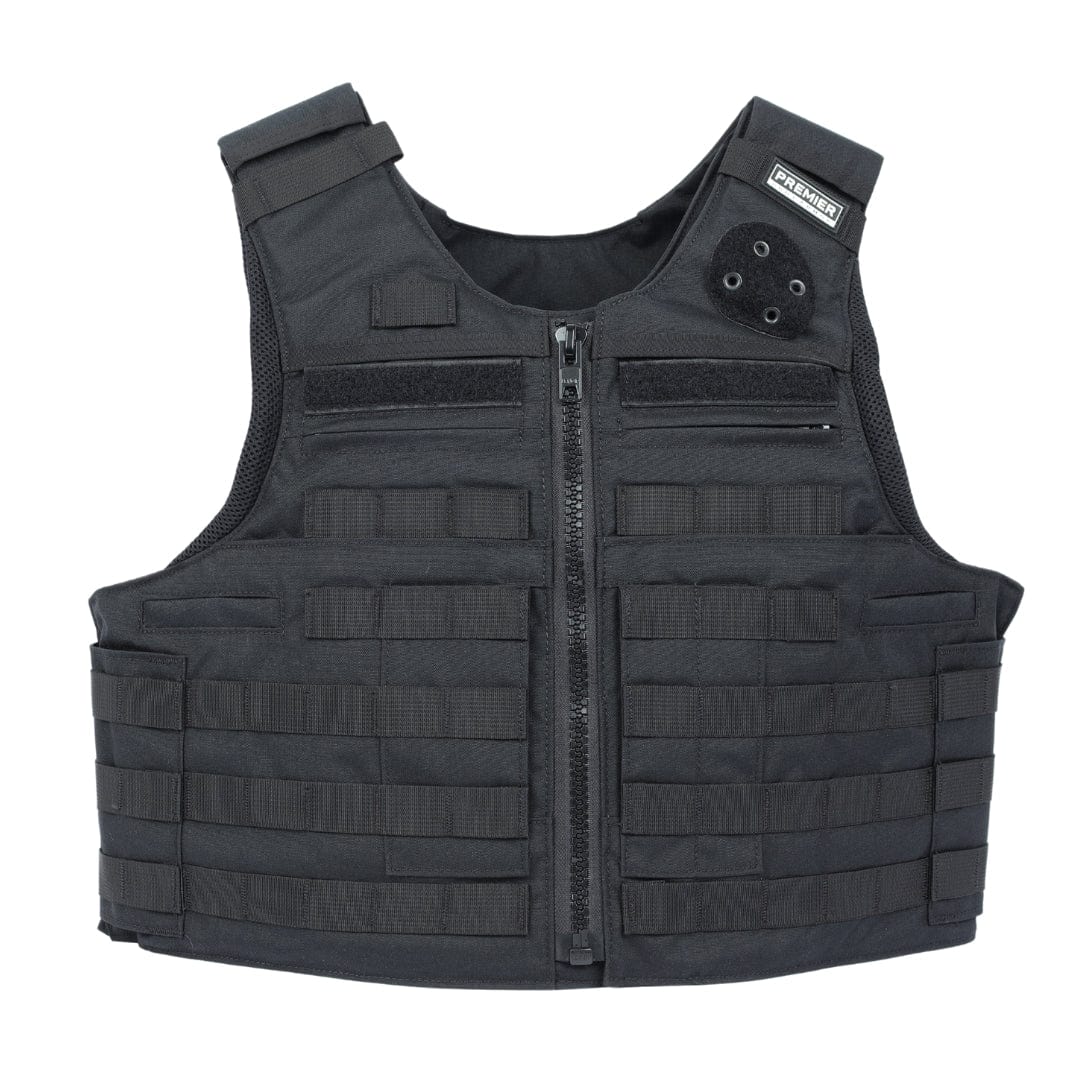
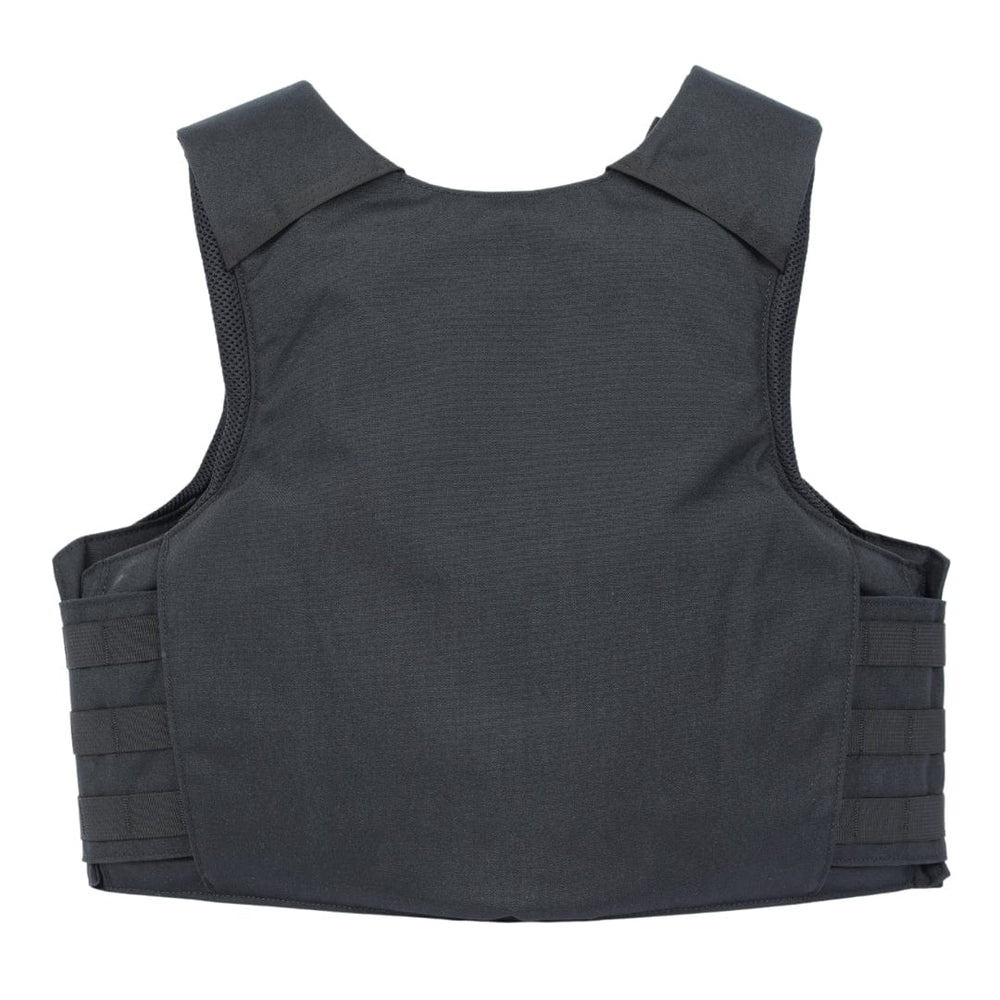
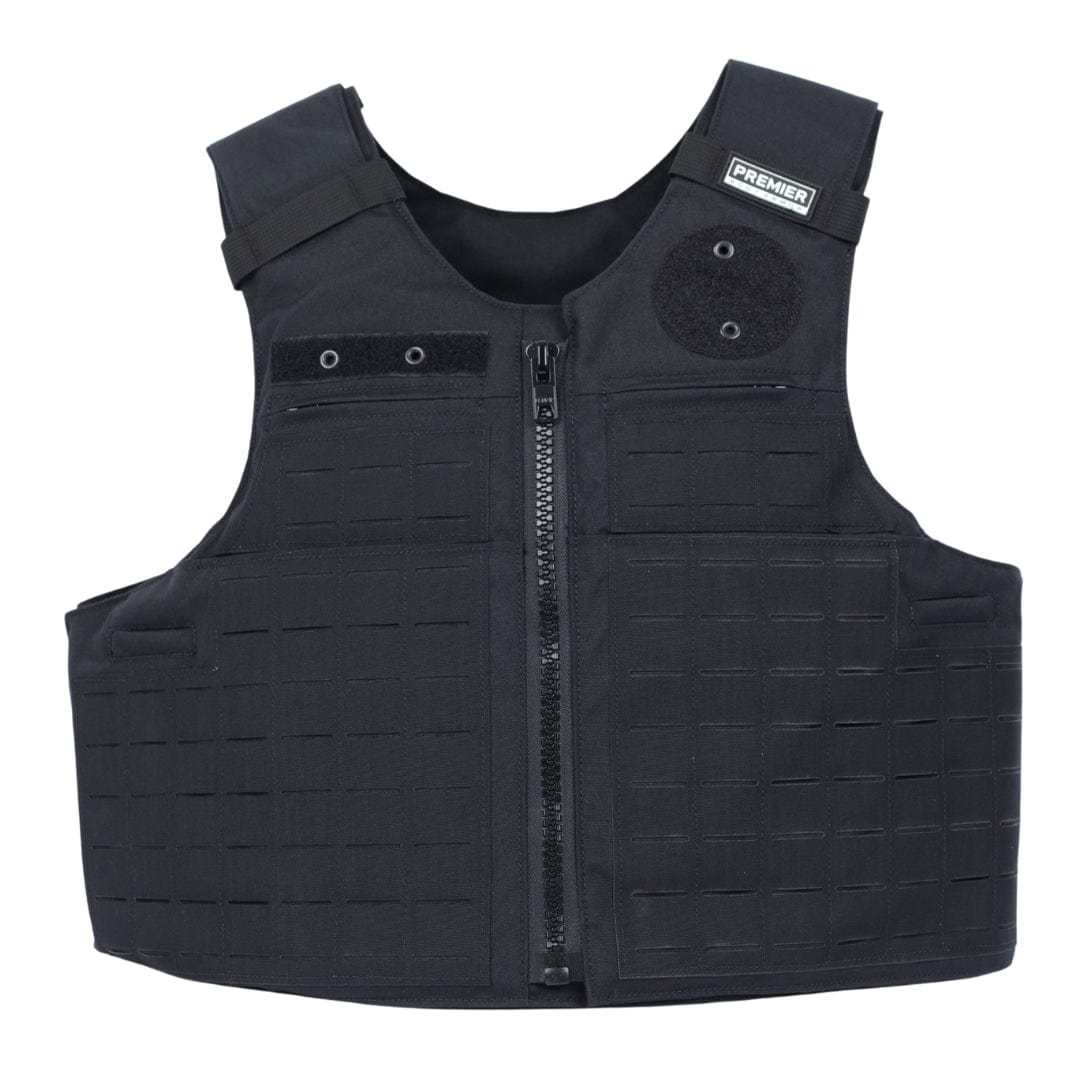
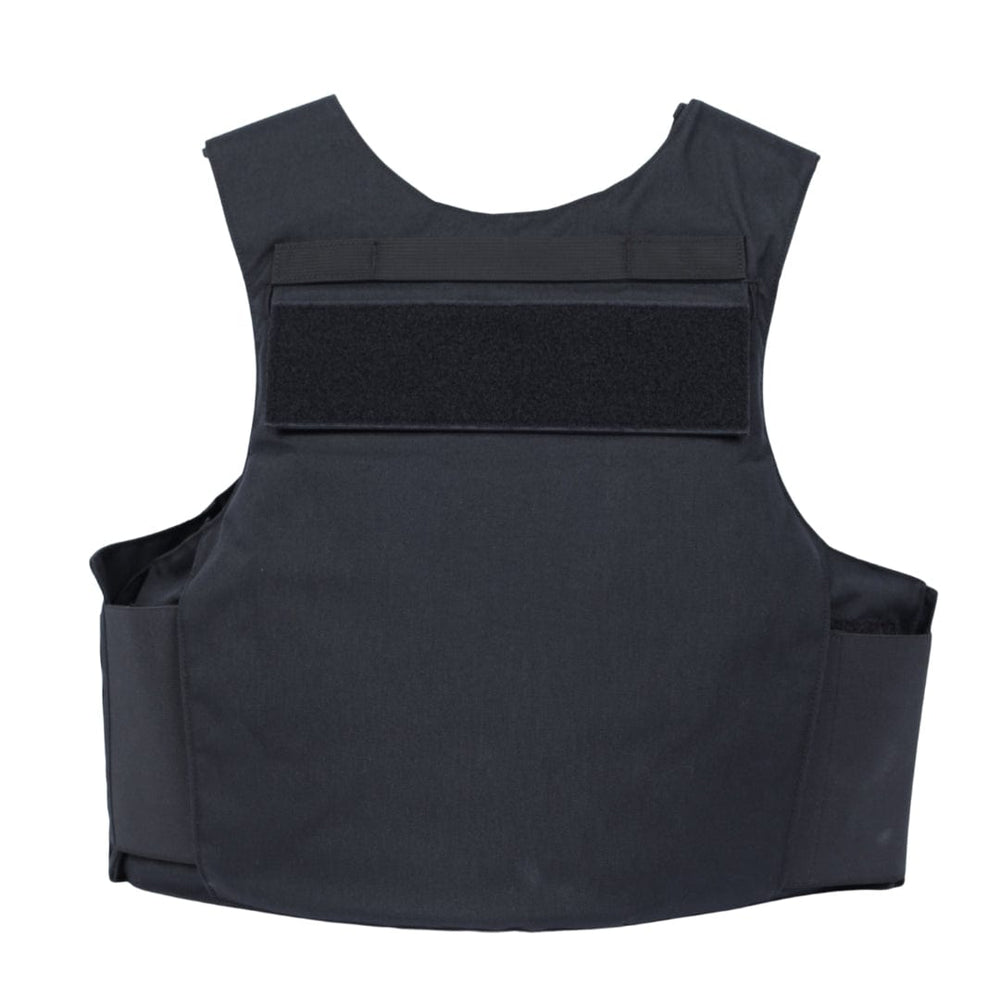
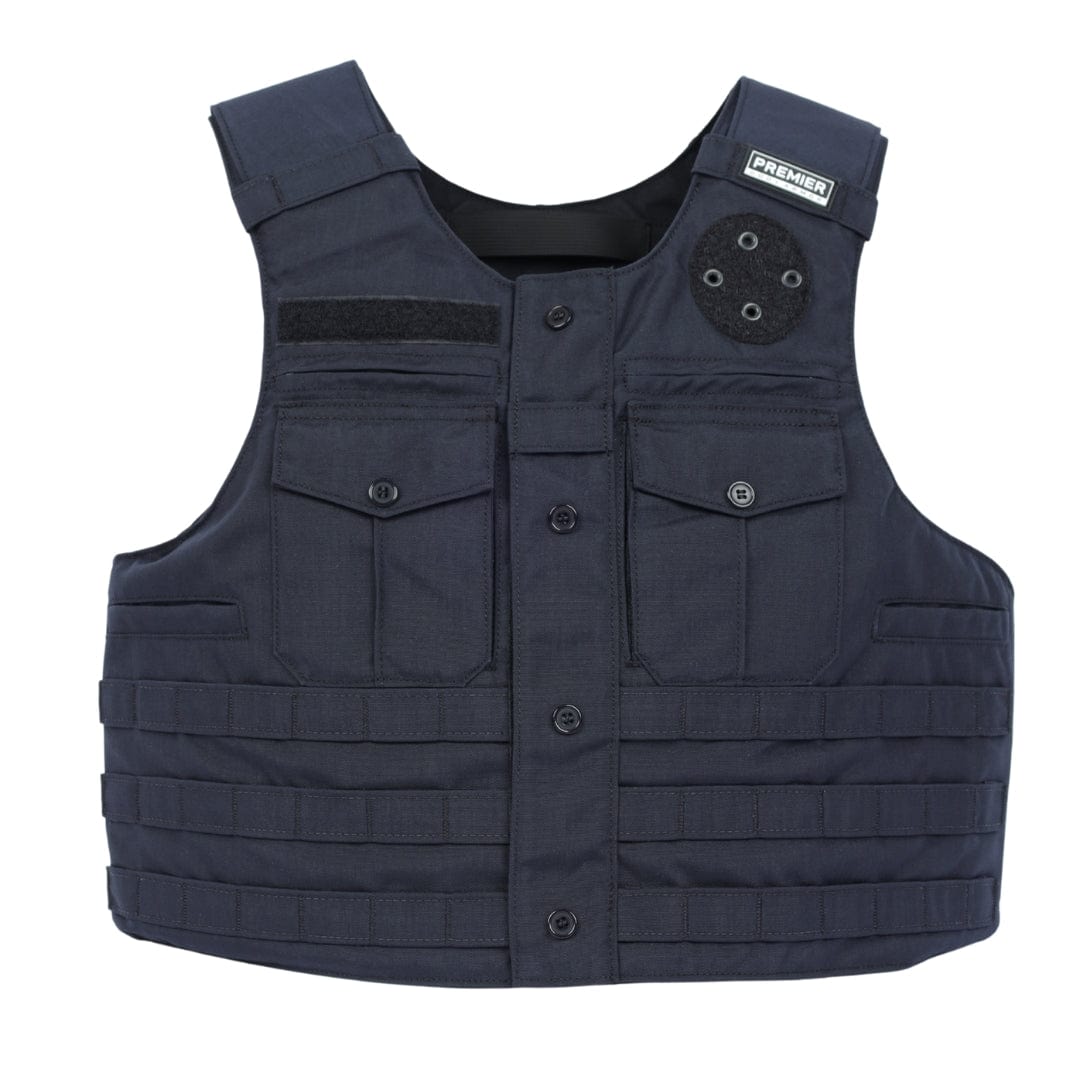
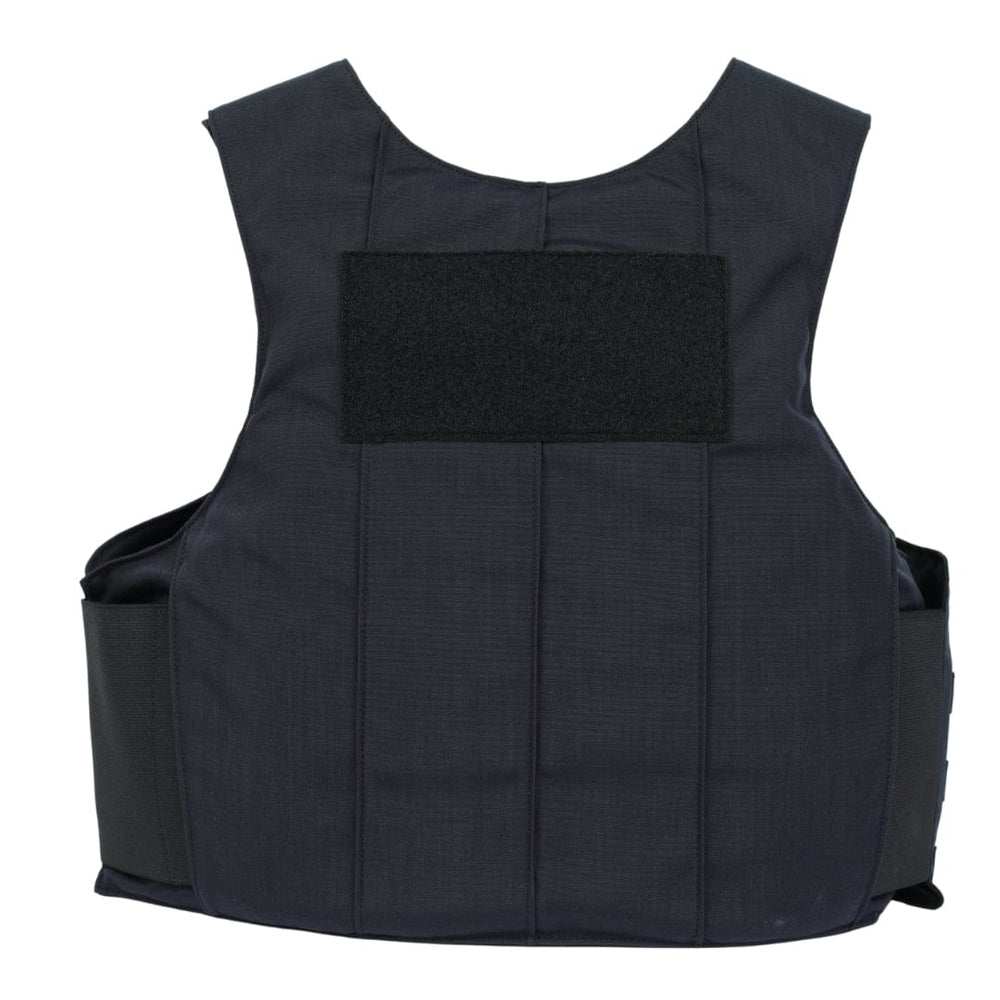
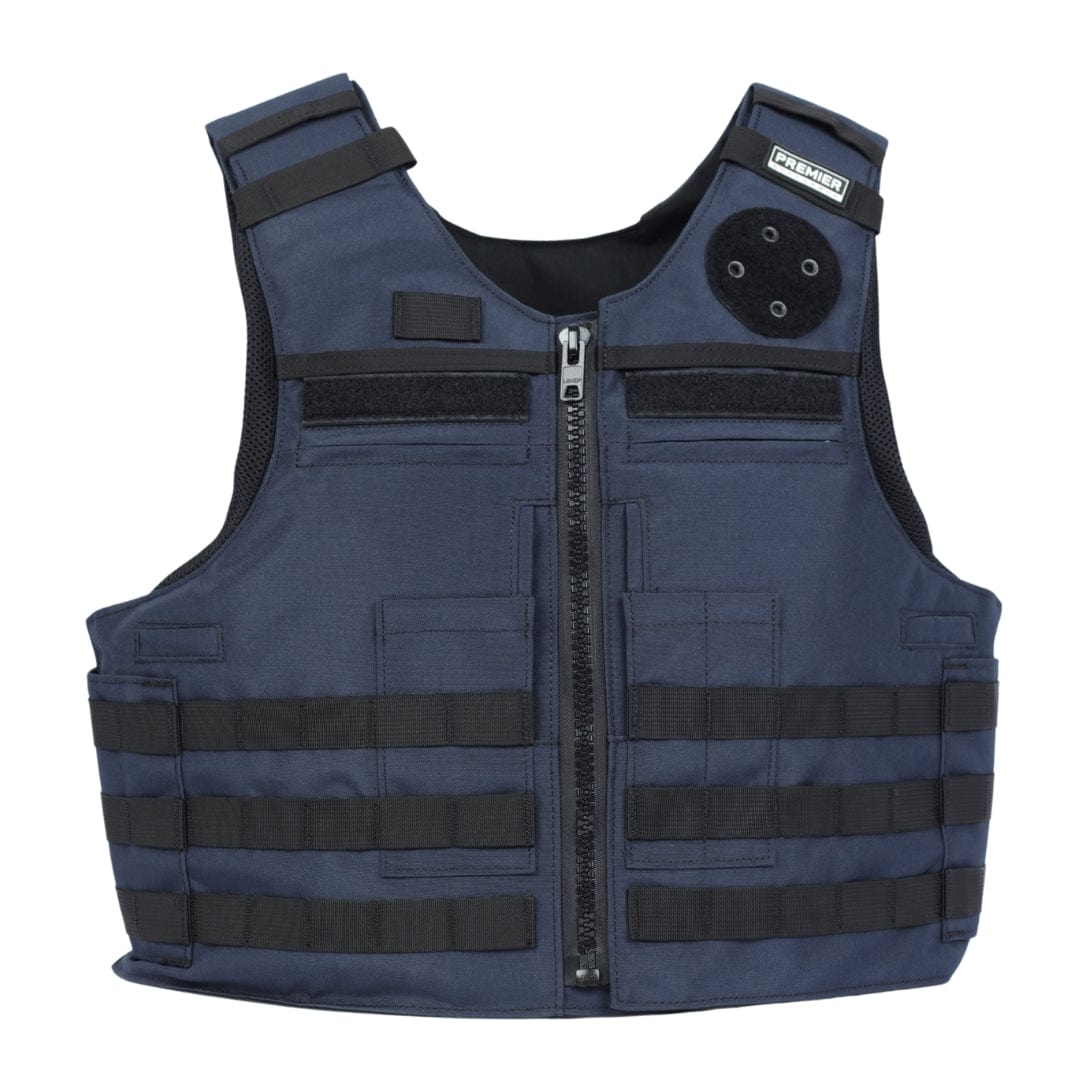
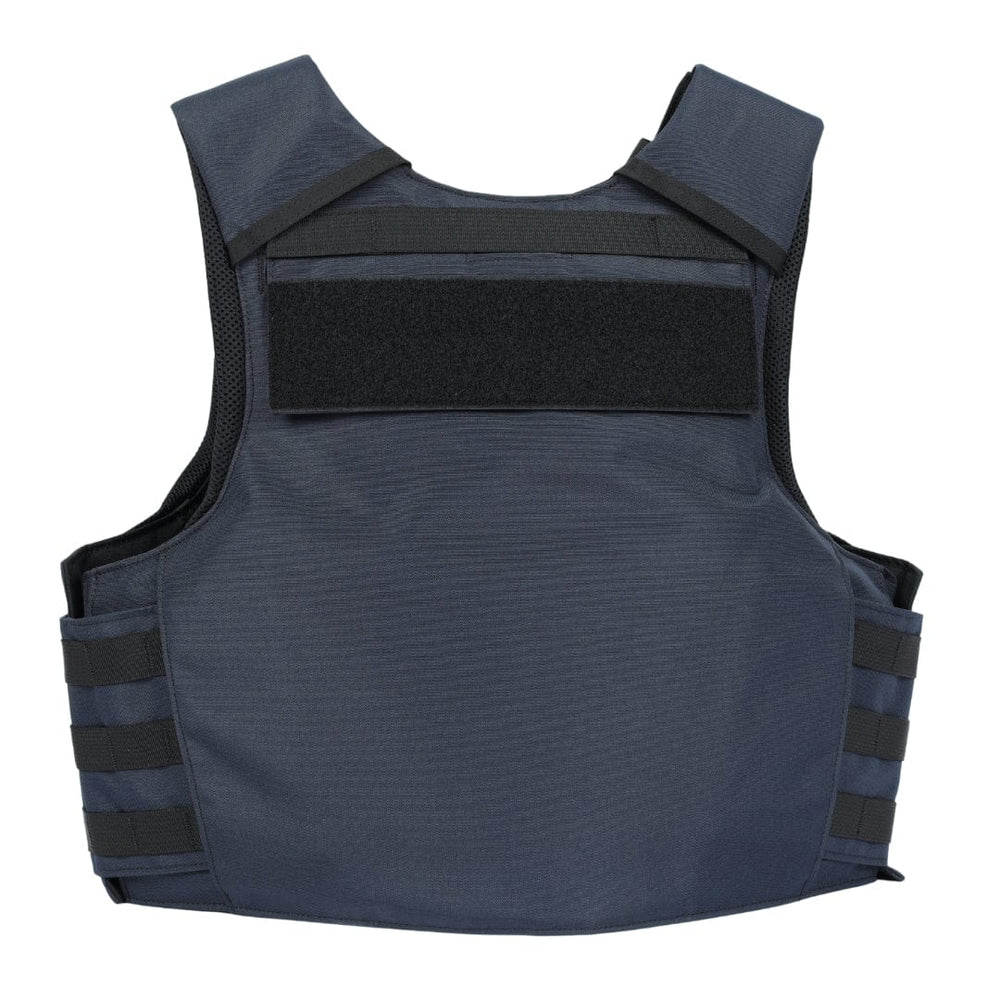
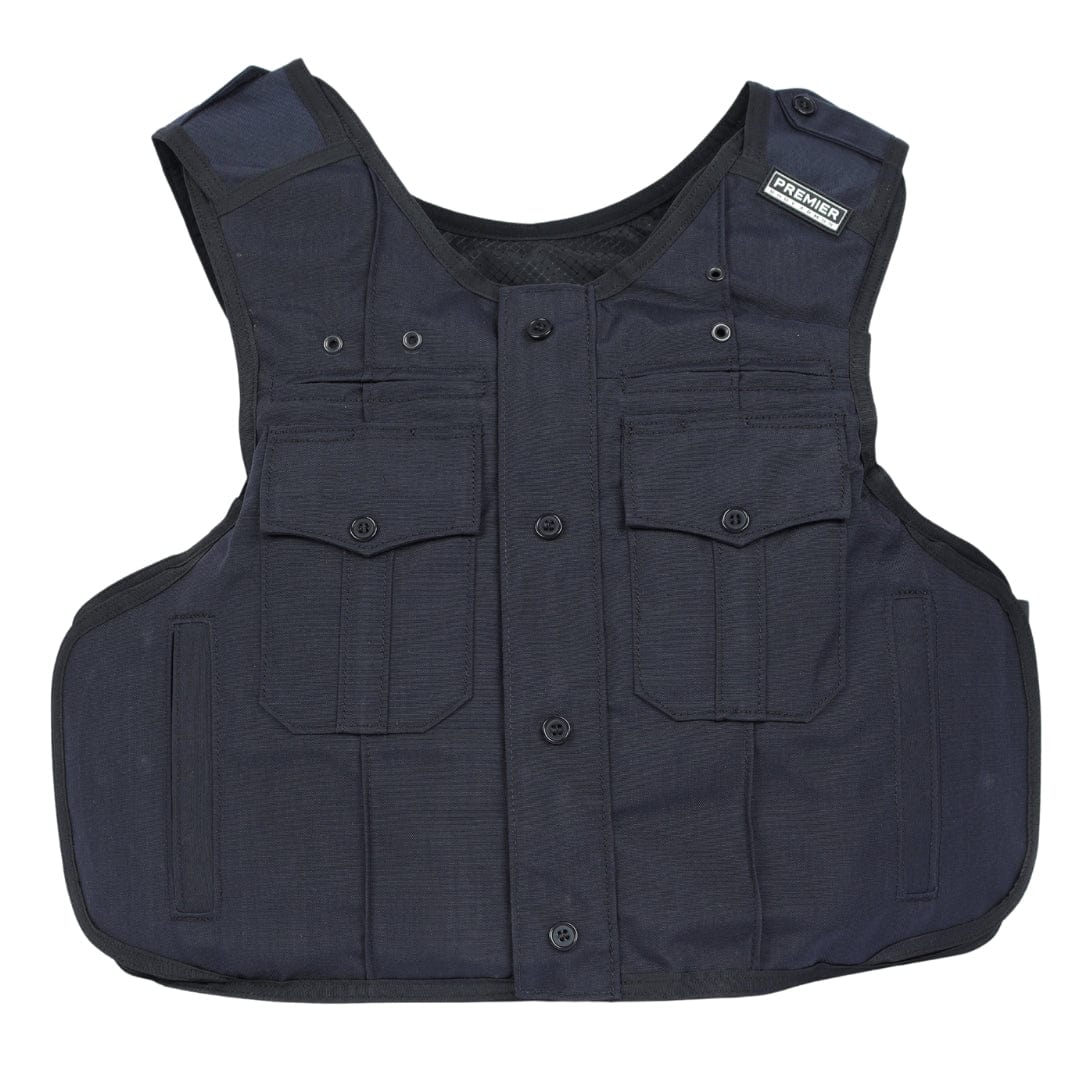
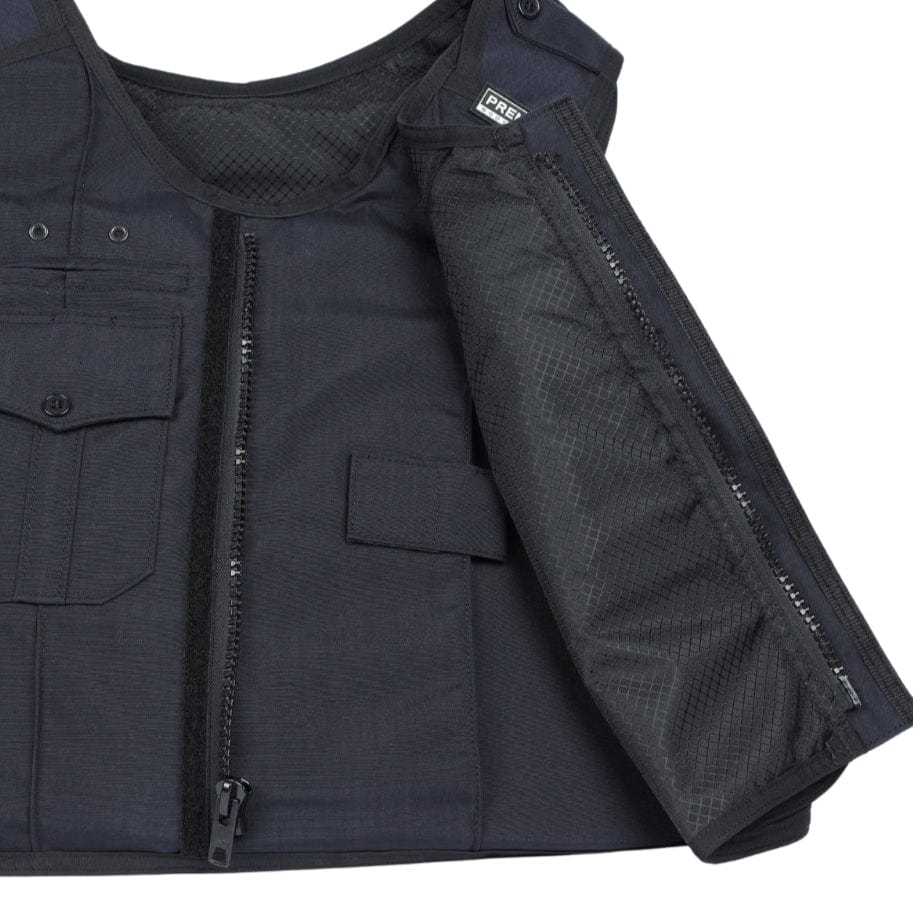
Law Enforcement Body Armor & Ballistic Patrol Vests
When you’re selecting law enforcement patrol vests for a full department, you’re balancing protection, wearability, and a process that won’t stall out in procurement. The right police body armor should be comfortable enough to wear all shift, scalable enough for evolving threats, and supported by a fitting workflow that gets every officer into the right police ballistic vest the first time.
Built for U.S. law-enforcement patrol, this collection brings together our overt carriers. All models are USA-made, Berry Compliant, and pair NIJ Level IIIA certified soft armor panels with front/back 10×12 plate pockets for scalable protection.
Features vary by agency needs (MOLLE, zipper/flap options, badge/ID locations, admin pockets, epaulettes, drag strap), but every carrier prioritizes uniform compliance, clear identification, and fast don/doff for daily duty wear.
Common specifications
- Certified Level IIIA soft-armor packages - available in 4 ballistic package options
- Front & back interior/exterior plate pockets (10"×12")
- Overt patrol profiles with agency-configurable MOLLE/ID options
- Optional admin, Napoleon, and slip pockets; radio/camera/mic routing on select models
- USA-made & Berry Compliant
LEOnline™ - Making Procurement Quick & Easy
Use the Add to Quote button on product pages to start a quote request for municipal, county, and state agencies. Our team will verify credentials, schedule a sizing/fit session at a time convenient to you using our vest fit kit, and confirm lead time and documentation (spec packet, NIJ summary, warranty), delivering custom vests 6 weeks after purchase. Restricted to verified law enforcement agencies.
Looking for a specific configuration? Compare models or include requirements (MOLLE rows, badge mount, rear ID, drag handle) in your quote notes for an exact match.
Police Vest Types & NIJ Certification Standards
Few pieces of gear are as important as the police vest. However, not all vests are created equal. A police ballistic vest is only as trustworthy as the standard behind it.
Getting the right vest usually means choosing NIJ-certified armor. The National Institute of Justice (NIJ) publishes standards for ballistic-resistant body armor used by U.S. law enforcement. This includes the (currently) more common NIJ 0101.06 standard and the newly updated NIJ Standard 0101.07 that will be adopted soon.
Why does certification matter? NIJ certification validates that the armor does what it claims and has the quality necessary for daily protection. It can also help you compare different armor models and offerings from different body armor manufacturers. The certification process includes:
- Defined test methods
- Defined threat levels
- Defined expectations for performance
You can find Premier Body Armor's list of certified products on the compliant product list.
That said, certification shouldn’t be your only filter. You still need to decide how to wear your vest (overt vs. concealable), whether the carrier should support load-bearing accessories, and how the system works with plates or other police and LEO gear.
Soft Armor vs. Hard Armor Use Cases
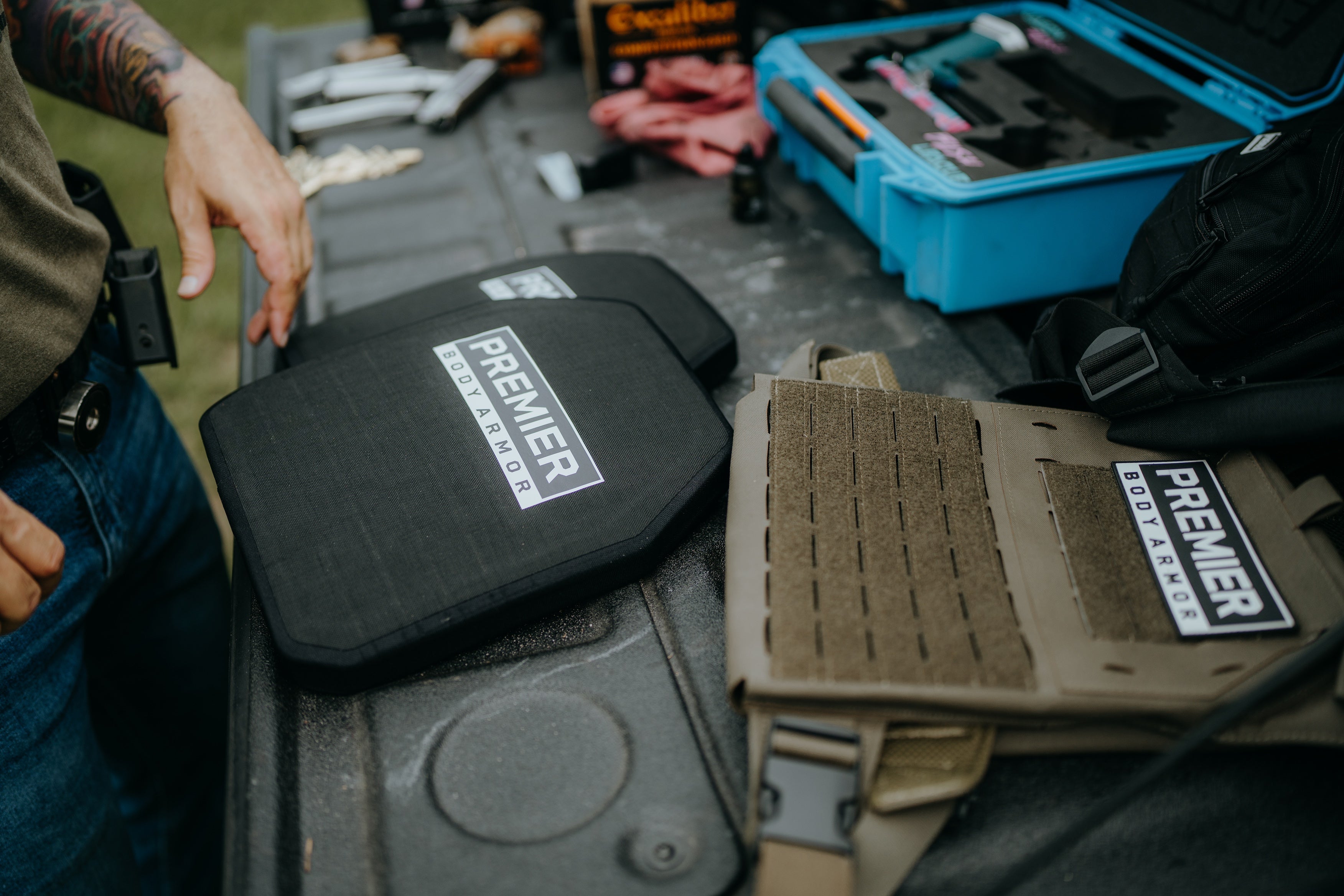
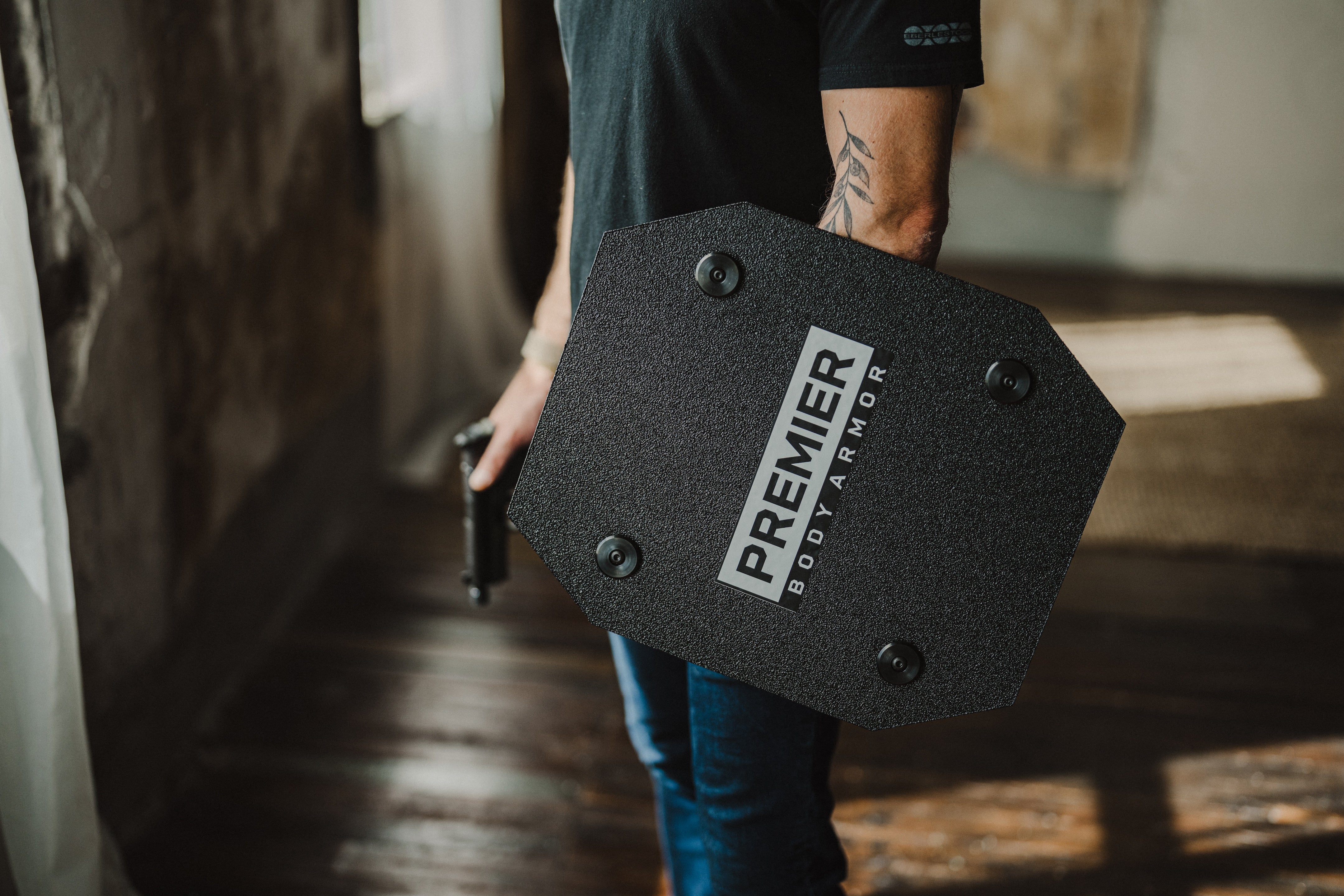
Soft armor and hard armor aren’t interchangeable. Most patrol-issued police soft armor is designed to be worn all day. Think routine patrol, traffic duty, investigations, and the like. On the other hand, police hard armor (plates) is the escalation layer: higher-threat protection for rifle-rated scenarios, high-risk warrant service, barricades, and active threat response.
One option is a soft armor baseline with plate scalability. That way, your daily-wear setup stays realistic, but your policy and equipment plan still support rapid up-armor with rifle plates when the call type changes or you’re working with another agency, like fire and rescue.
Overt vs. Concealable Vest Configurations
Overt carriers and concealable carriers solve different problems. Overt police vests are worn externally, which makes them good for load-bearing configurations, quick don/doff, and visible identification.
Concealable police vests are better when a low profile is important in plainclothes assignments, executive protection, and certain investigative roles. Sometimes they are just preferred under the standard uniform. In either case, many departments plan for both: overt for patrol and high-visibility functions, concealable for specific assignments, while keeping ballistic packages consistent to simplify inventory and replacement planning.
Department-Level Fit, Sizing & Vest Assignment
Department-wide police vest fitting shouldn’t focus on arbitrary sizing like “small/medium/large”. Consider how the vest fits each officer during their regular duties, not a one-size-fits-all solution. A good law enforcement vest sizing program reduces reorders and increases real-world wear rates (because the armor that stays in the locker doesn’t protect anyone).
With agency armor fitting, the goal is to make sure that each officer gets the right carrier configuration and ballistic package, and a documented record that ties that gear to that officer for accountability and lifecycle planning. If you’re purchasing for a full department and need pricing support, request a quote.
Ensuring Proper Fit Across Full Departments
When you’re fitting dozens (or hundreds) of officers, sizing can quickly become a nightmare. At LEOnline™, we specialize in a hybrid sizing process designed for efficiency, convenience, and accuracy, no matter how large your department might be. It includes everything needed to get it right the first time.
This approach is important if your department includes different body types, both male and female officers, layered uniforms in cold weather, and mixed duty configurations (duty belt-heavy vs. vest-mounted). Instead of relying on a one-time “mass fitting day” that usually means dealing with reorders, we offer a fit guarantee.
That gives you some downstream benefits:
- Fewer exchanges and fewer delays that derail deployment timelines
- Better comfort, better mobility, and better wear compliance
- Cleaner inventory planning because sizes and models are predictable
- Less to deal with for quartermasters and procurement teams
Modularity, Load Bearing & Daily Wear
A police carrier vest drives comfort, uniform compliance, and placement for duty essentials. It should support how officers actually work: long shifts, seated time in vehicles, repeated in-and-out movement, and constant interaction with radios, cameras, cuffs, and medical supplies.
Modular design matters here. A MOLLE police vest (or laser-cut MOLLE equivalent) can help you standardize placement for essentials so officers aren’t improvising. The right load-bearing setup can also reduce belt fatigue by redistributing weight, while still supporting clean cable routing for mics and body cameras and keeping a professional uniform appearance.
For patrol operations in particular, overt carriers can combine:
- Ballistic protection for daily wear
- Plate-pocket scalability for higher-risk incidents
- Configurable ID/patch placement for visibility and interagency coordination
- Load-bearing attachment options without forcing a “one-off” setup per officer
Procurement Considerations for Police & LEO Armor
Buying armor for an agency isn’t the same as buying a single vest. Police armor procurement has to account for policy, documentation, budget, replacements, and future growth, all while making sure that gear gets there on time, fits correctly, and meets your operational standards. During law enforcement vest purchasing, you’re also selecting a supplier relationship. That means responsiveness, lead times, and how smoothly your department can quote, order, and re-order are also important.
A few practical considerations that help agencies avoid procurement bottlenecks:
- Standardization: Reduce SKU sprawl by standardizing approved carriers and ballistic packages
- Scalability: Plan for plate compatibility, specialized units, and mutual-aid needs
- Delivery & rollout: Align order timing with academy cycles and fiscal deadlines
- Support: Confirm how sizing, exchanges, and replacement procedures are handled
Budgeting, Replacement Cycles & Warranty
Armor is a lifecycle purchase. That means your budget plan should include not only initial rollout but also a defined police vest replacement schedule. That’s especially true if your department issues armor on a multi-year cadence tied to policy and warranty coverage. Many agencies build replacement planning directly into their standard equipment lifecycle so they don’t get caught with everyone’s armor system due at once.
When you evaluate a body armor warranty, consider what the warranty covers, how claims are handled, and what documentation is required if you have to file a warranty claim. Some departments also factor in incident-related replacement policies because if armor is damaged or compromised in the line of duty, you don’t want replacements to become a multi-month procurement battle.
Compliance, Documentation & Recordkeeping
Agencies need a repeatable system for body armor certification documentation and a clean chain of records that support policy, audits, armor inspection, and officer safety. Police department armor records help you answer questions like:
- What model and ballistic package did we issue to Officer X?
- When was it issued, and when is it due for replacement?
- What size was assigned, and how was sizing verified?
- Has the armor been damaged, repaired, or involved in an incident?
- Do we have the purchase records, certification references, and chain-of-custody notes we need?
Why Departments Choose LEOnline™
- Instant quoting
- Consistent and convenient sizing
- Efficient ordering and customer service
- Documentation and reorder consistency
Premier’s patrol vest collection is built around overt carriers designed for U.S. law enforcement patrol use, with NIJ Level IIIA soft armor and plate-pocket scalability positioned as part of the collection’s common specs.
If your agency needs custom police vests, or wants standardized carriers with department-specific configurations, we can streamline that experience. This is how police department armor ordering and modern agency procurement should work.
Daily Wear for Daily Protection
A patrol vest is a daily-wear system. It has to fit and move the right way, and perform when the call turns high-risk. When you standardize law enforcement patrol vests around NIJ-backed performance, accurate fitting, ongoing documentation, and quick delivery, you raise the baseline level of readiness across your agency.
Ready to simplify and speed up body armor purchasing for your department? Get an instant quote.