





Why Security Officers Need Specialized Body Armor
Security work can swing from routine to urgent quickly. One shift you’re handling access control, patrols, and de-escalation. The next you may be dealing with an assault, a weapon threat, or a robbery in progress, sometimes before law enforcement officers arrive.
That unpredictability is exactly why security body armor matters. You need protection that matches the environments you work in, from retail and healthcare to corporate campuses, residential communities, and event venues.
Security officers often have to balance protection with approachability. You should look professional, not intimidating, and your uniform requirements may limit how much gear you can wear openly.
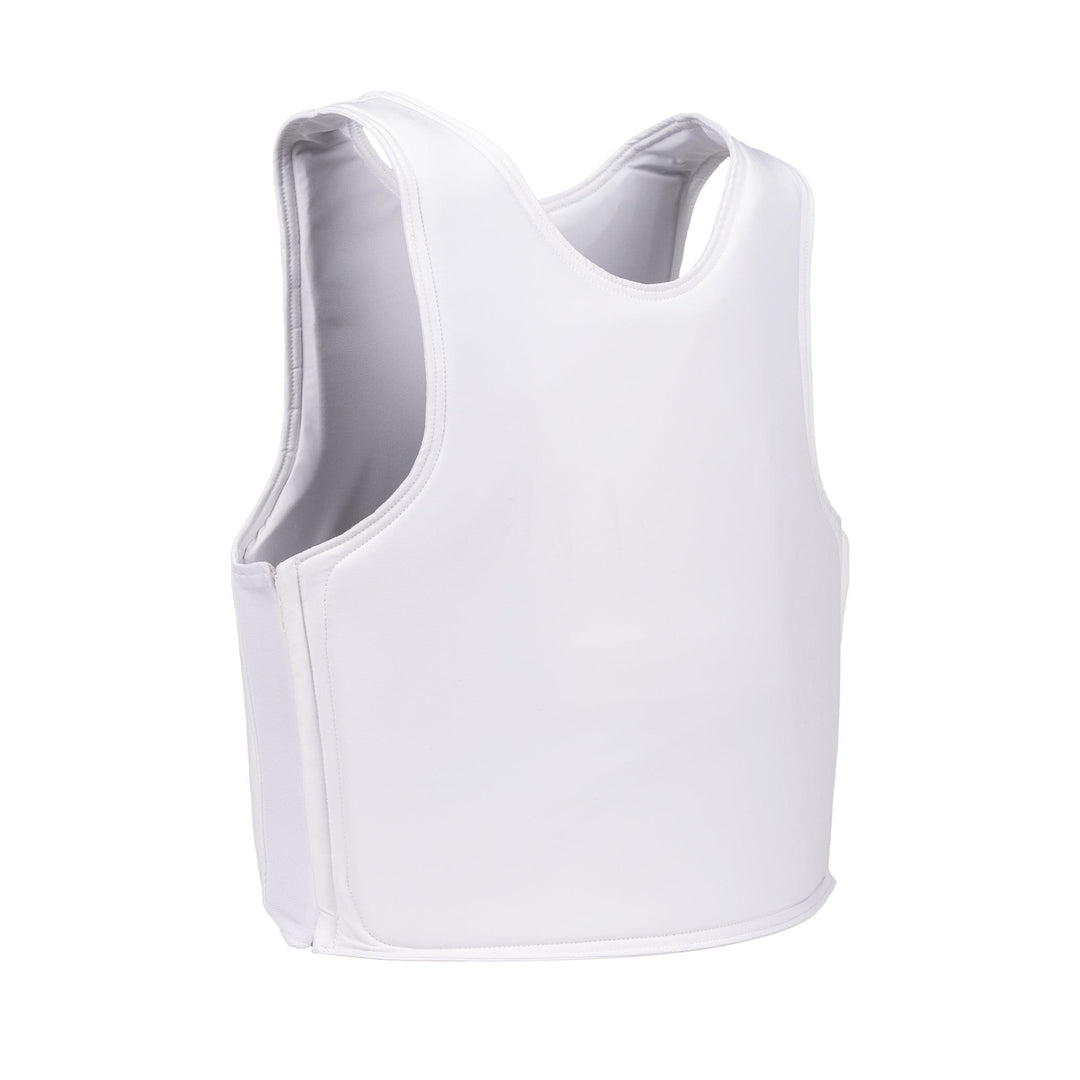
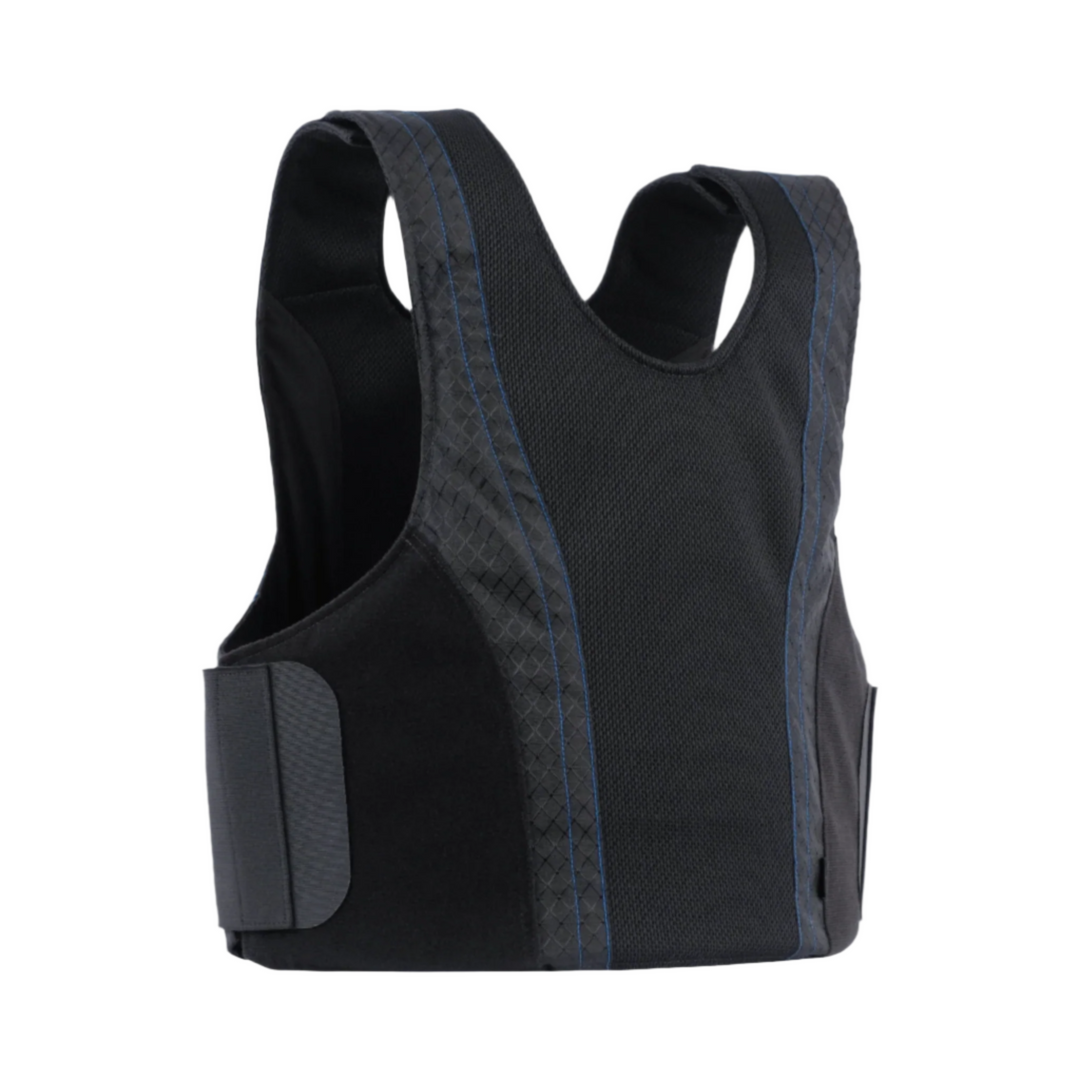
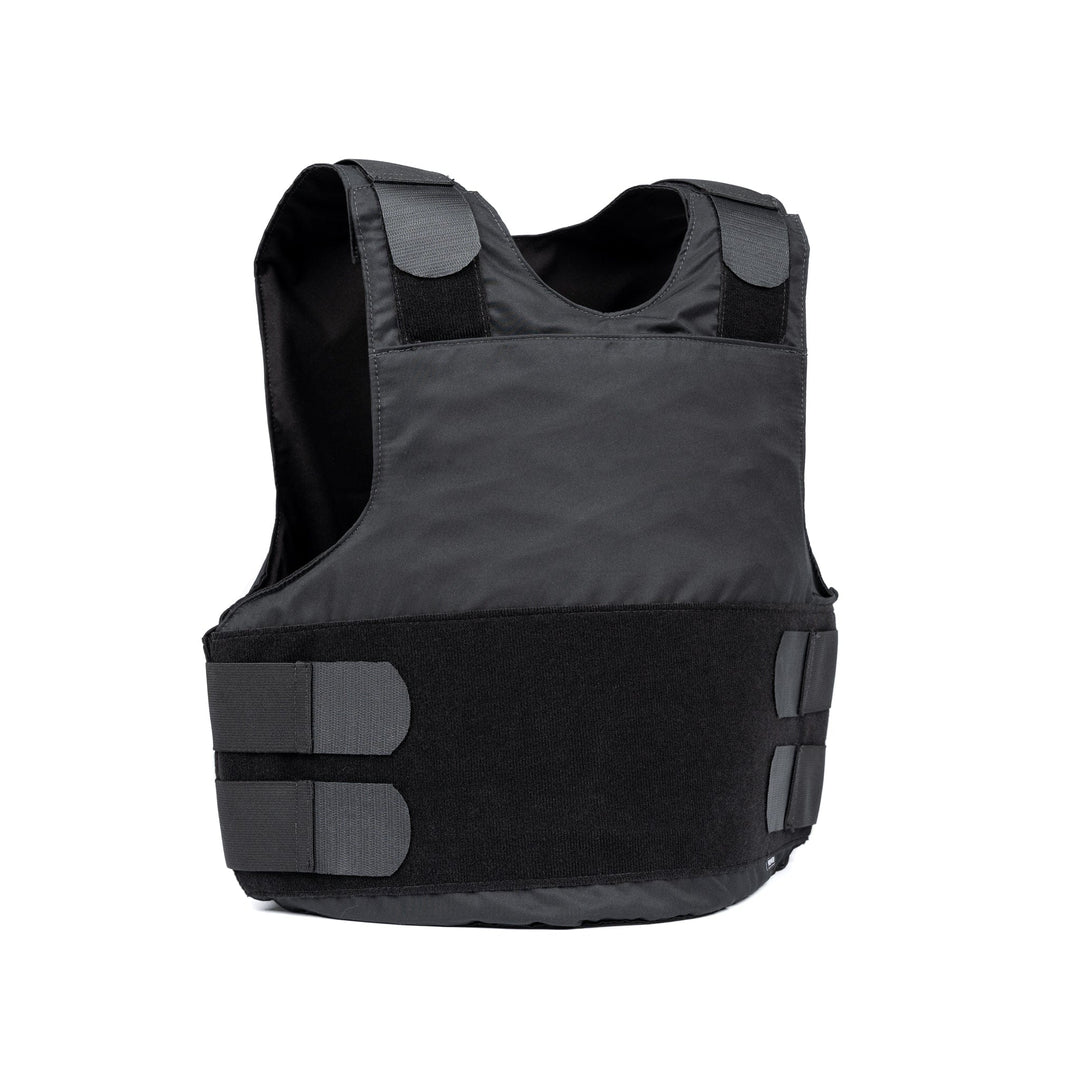
A security vest (bulletproof) is a common term, but what you’re really choosing is ballistic-resistant protection that’s tested to specific threats. A comfortable, concealable vest can help protect you without compromising your appearance or mobility.
You’re also likely on your feet for long hours, moving between posts, working in heat, or wearing additional duty gear, so fit, breathability, and weight distribution are important considerations, too. One thing worth settling early: whether you can wear armor on the job, and how you’re allowed to buy it, can depend on your state and your employer’s policy, so confirm both before you purchase.
Threat Levels & Environments That Shape Armor Requirements
The right vest for you depends on where you’re posted and what you’re most likely to face. Security threats don’t look the same in a hospital emergency department as they do at a nightclub entrance, a corporate lobby, a distribution facility, or a gated community. Some assignments involve frequent public contact and unpredictable confrontations. Others are more subdued but still carry the risk of targeted violence or robbery.
That’s why security officer safety requirements should guide your armor choice, rather than a one-size-fits-all approach.
- If you’re working in high-traffic areas, you’ll want coverage that’s comfortable during long shifts and doesn’t restrict movement.
- If you’re in an access-control or concierge-style role, concealability and a clean uniform profile might be the priority.
- If you’re assigned to higher-risk posts like cash handling, late-night venues, transportation hubs, or critical infrastructure, you may need higher ballistic ratings, more coverage, or a carrier system. For these assignments, a bulletproof vest for security is core protective equipment, not an optional add-on.
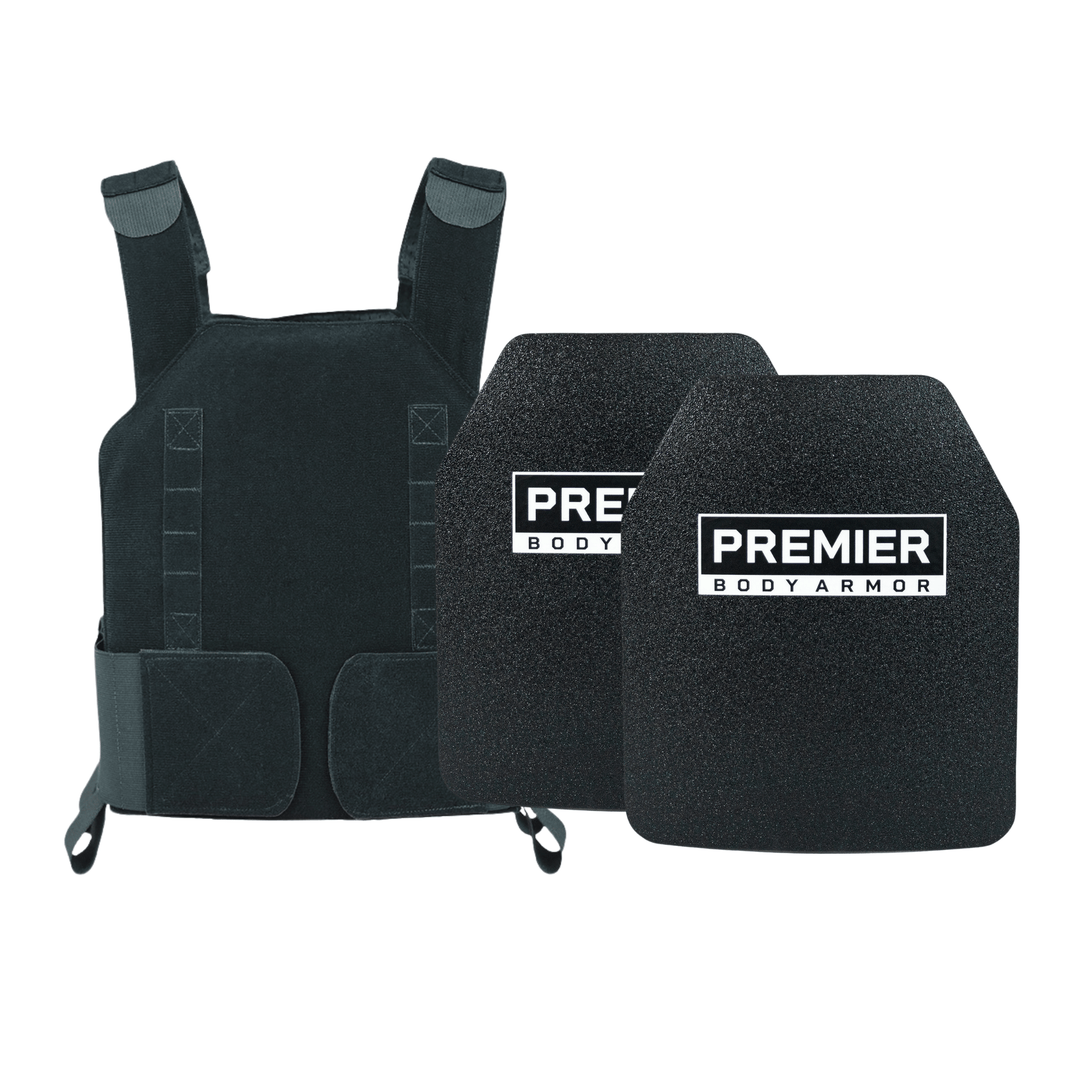
Most day-to-day security threats are handgun-focused, which is why many officers choose soft body armor. If rifle threats are a credible risk for your assignment, you’ll want a plate-capable setup and rifle-rated plates rather than relying on soft armor alone. Match the protection level to your post’s actual risk profile and your company policy.
Retail, Hospitality & Corporate Security
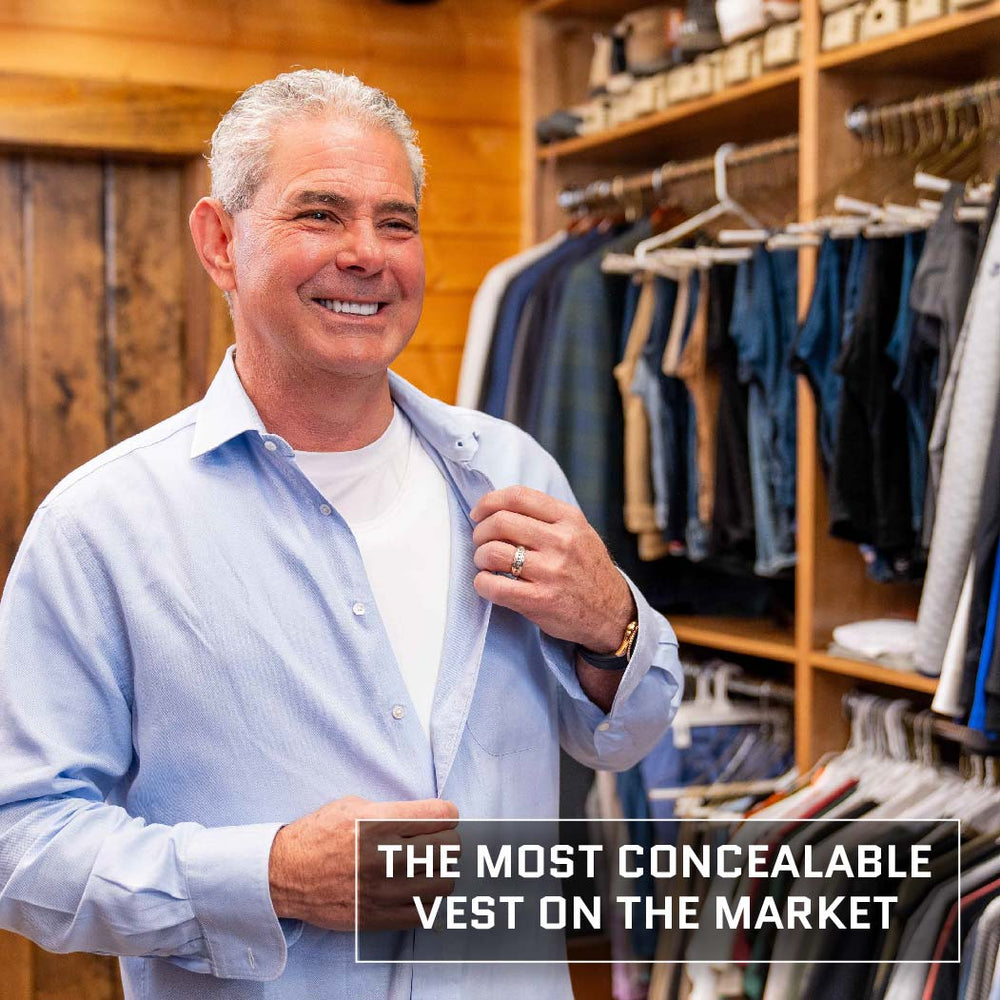
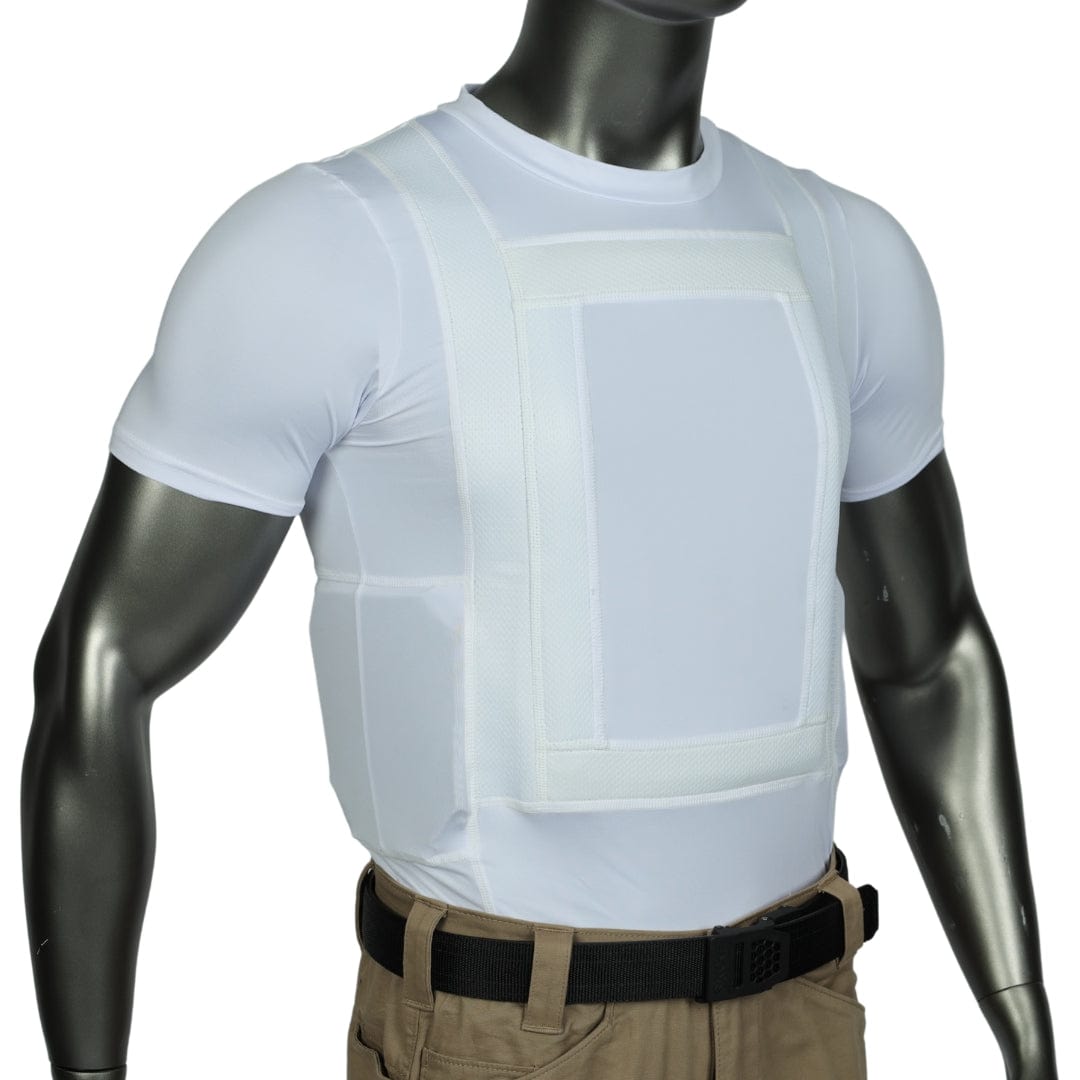
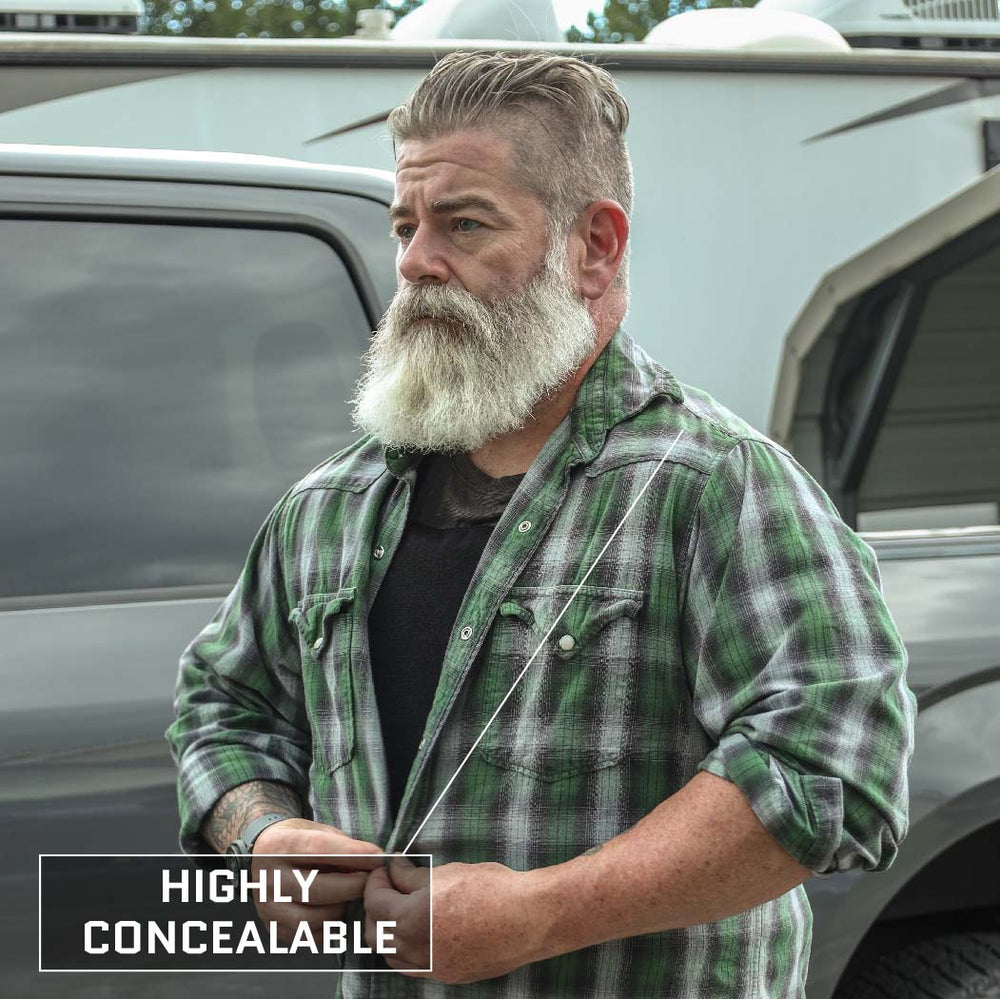
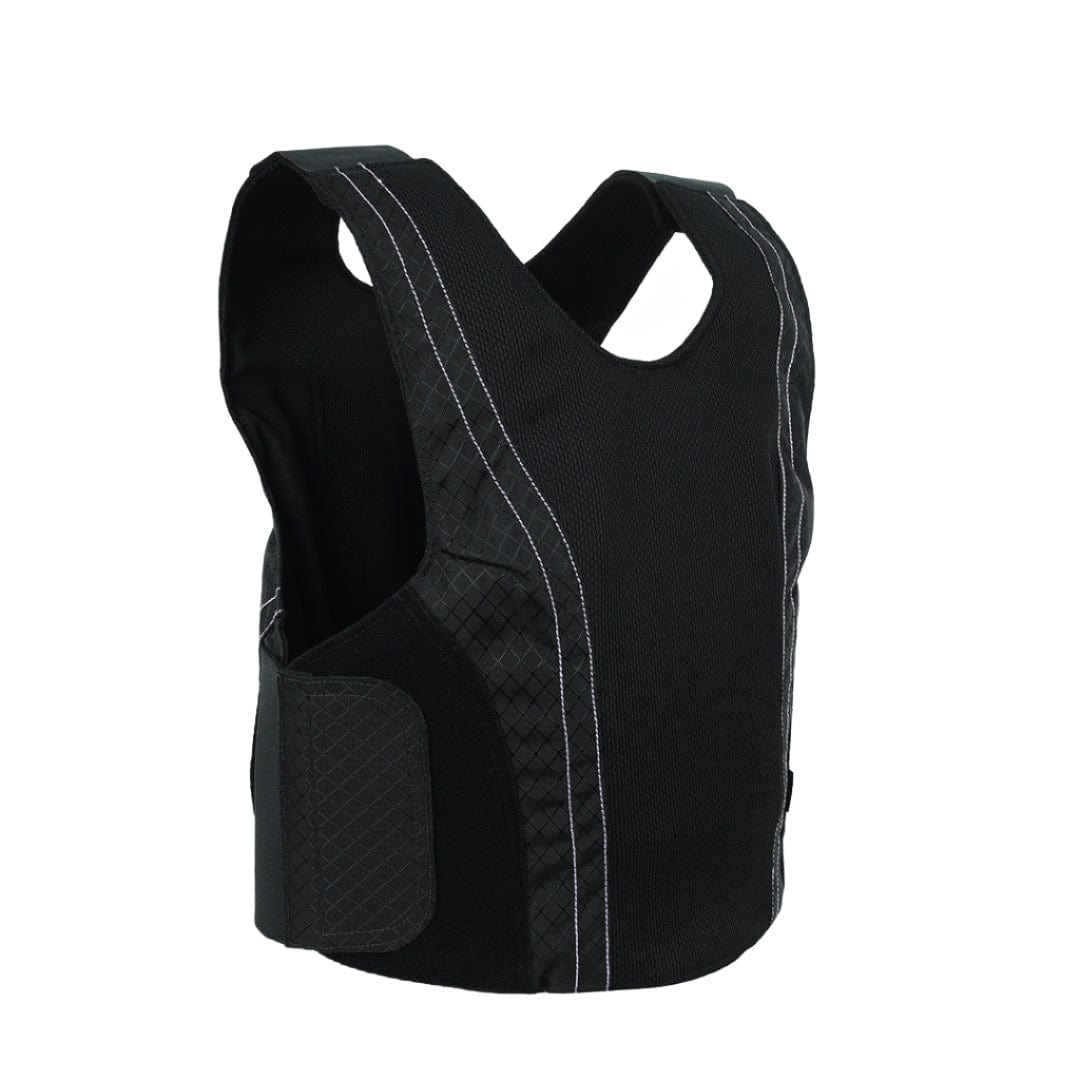
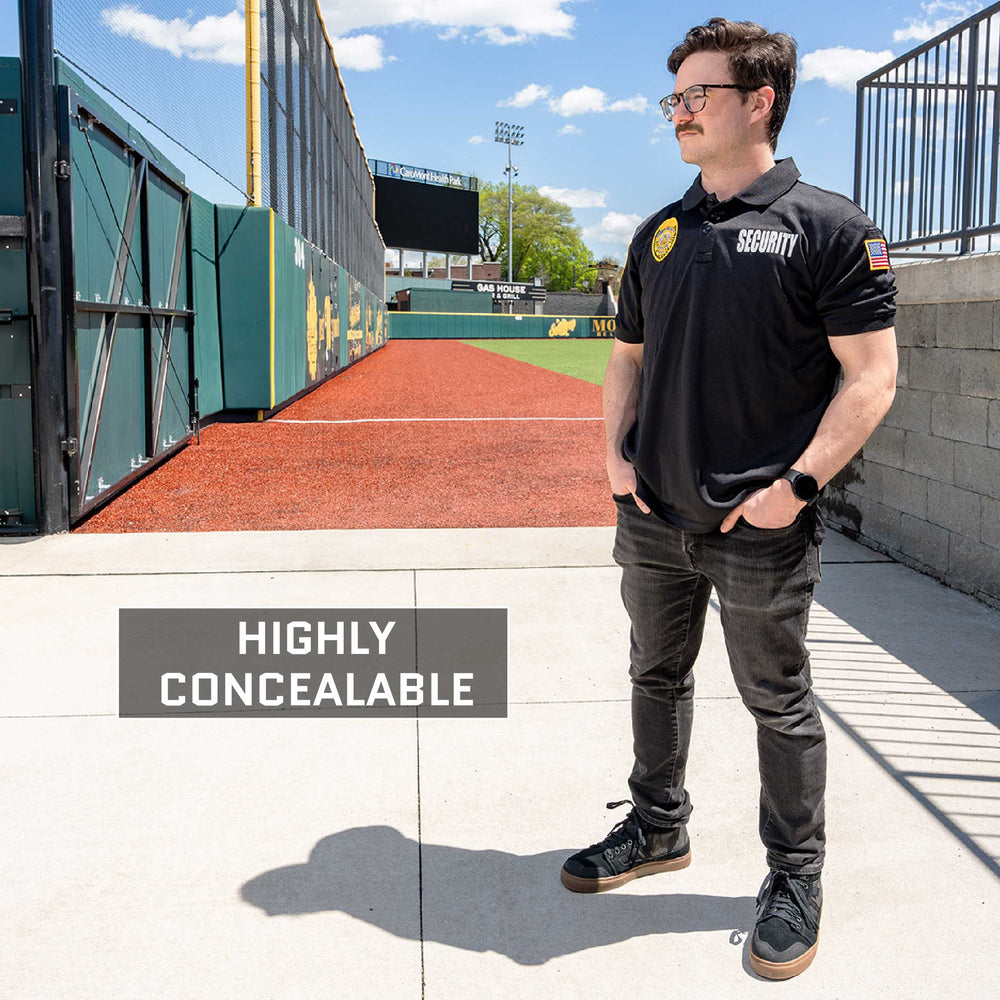
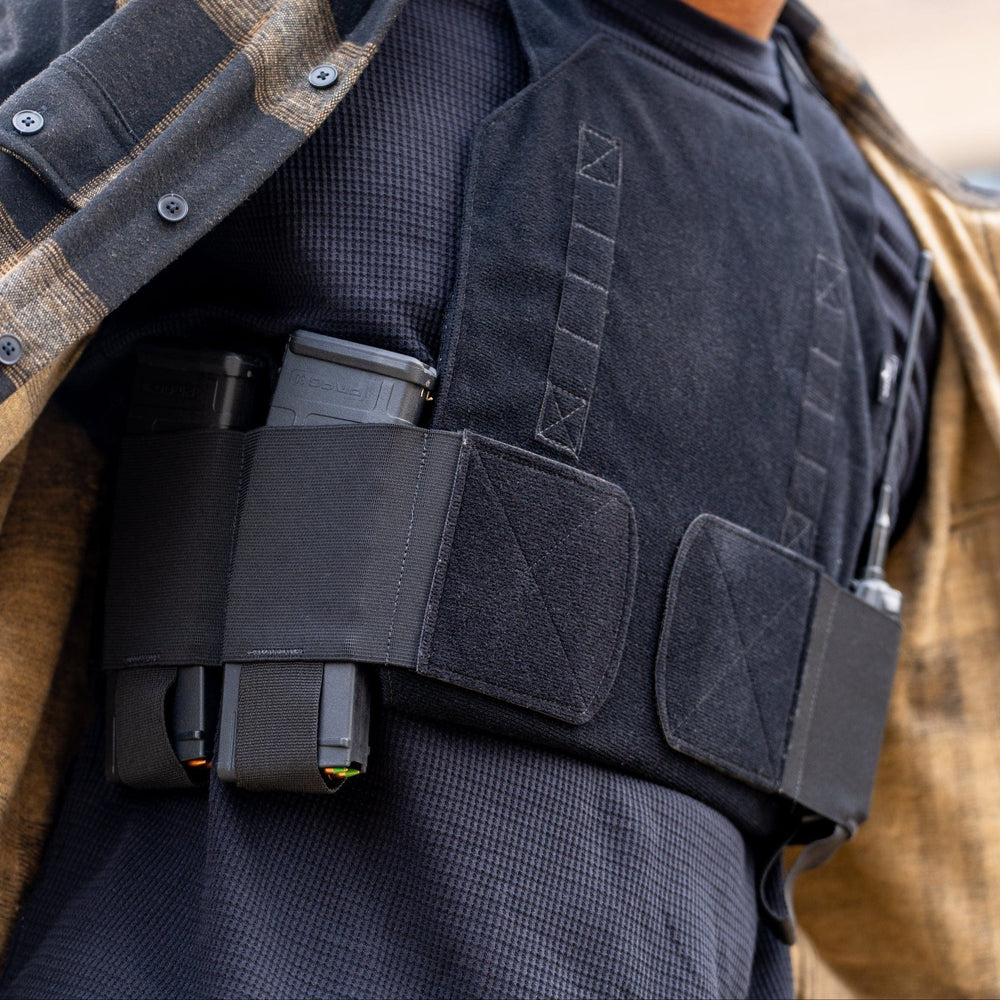
In retail, hospitality, and corporate settings, you’re usually expected to look professional, stay mobile, and keep situations calm before they escalate. That’s where low-profile security armor makes a real difference. A concealable security vest fits under your regular clothing so you still look presentable while you wear body armor to protect yourself during unpredictable encounters.
Nightlife, Events & High-Visibility Posts
Nightlife and event security can mean dealing with growing crowd density, alcohol, and high emotions. On high-visibility posts, you’re more likely to deal with aggressive behavior, sudden fights, and unpredictable escalation, which is why high-risk security gear needs to be protective but can’t hinder your range of movement. You want armor that’s secure during rapid movement, stays comfortable under heat and long hours, and won’t shift when you’re separating people, escorting someone out, or responding to an active threat.
High-Threat Security Roles (Executive, Transport, Critical Infrastructure)
If you’re assigned to executive protection, cash or asset transport, or critical infrastructure, you face very different threats, and the consequences of a failure are higher. In these roles, a bulletproof vest for security guards is part of your risk plan.
You may need higher ballistic protection, more consistent coverage, and a setup that stays stable under stress, whether you’re in a vehicle, moving through controlled entry points, or responding to a rapidly evolving incident. The goal is to have reliable protection you can wear every day, without sacrificing mobility or readiness.
For higher-risk posts that require a more overt, equipment-forward setup, see our Tactical/SRT gear options.
Types of Body Armor for Security Personnel
Choosing security guard body armor comes down to two things: the threats you’re planning for and how you’re expected to wear your gear on shift.
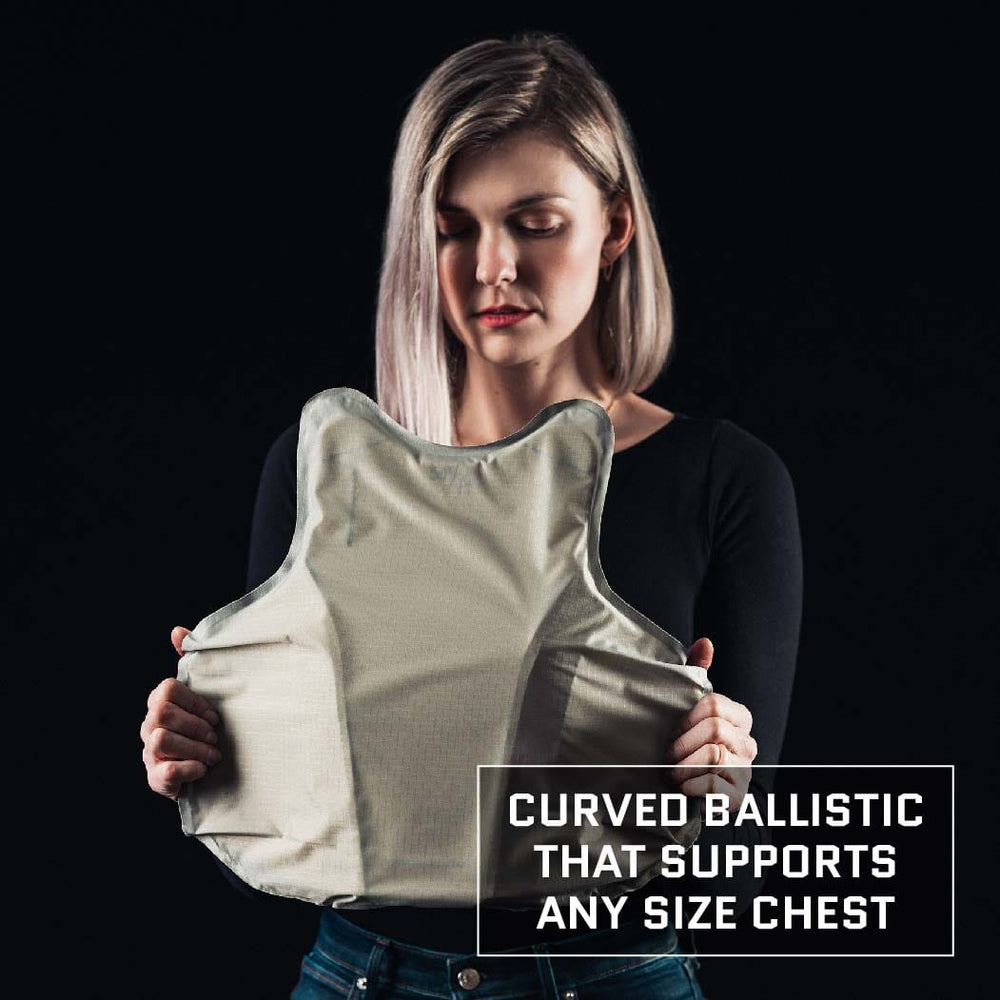
- For many posts, soft armor is the go-to because it’s light, flexible, and easier to wear for long hours. It protects against handgun threats while keeping you mobile and comfortable, even when moving between checkpoints, patrolling, or working in public-facing roles. For most posts, soft body armor for security guards offers the best balance of protection and all-day comfort.
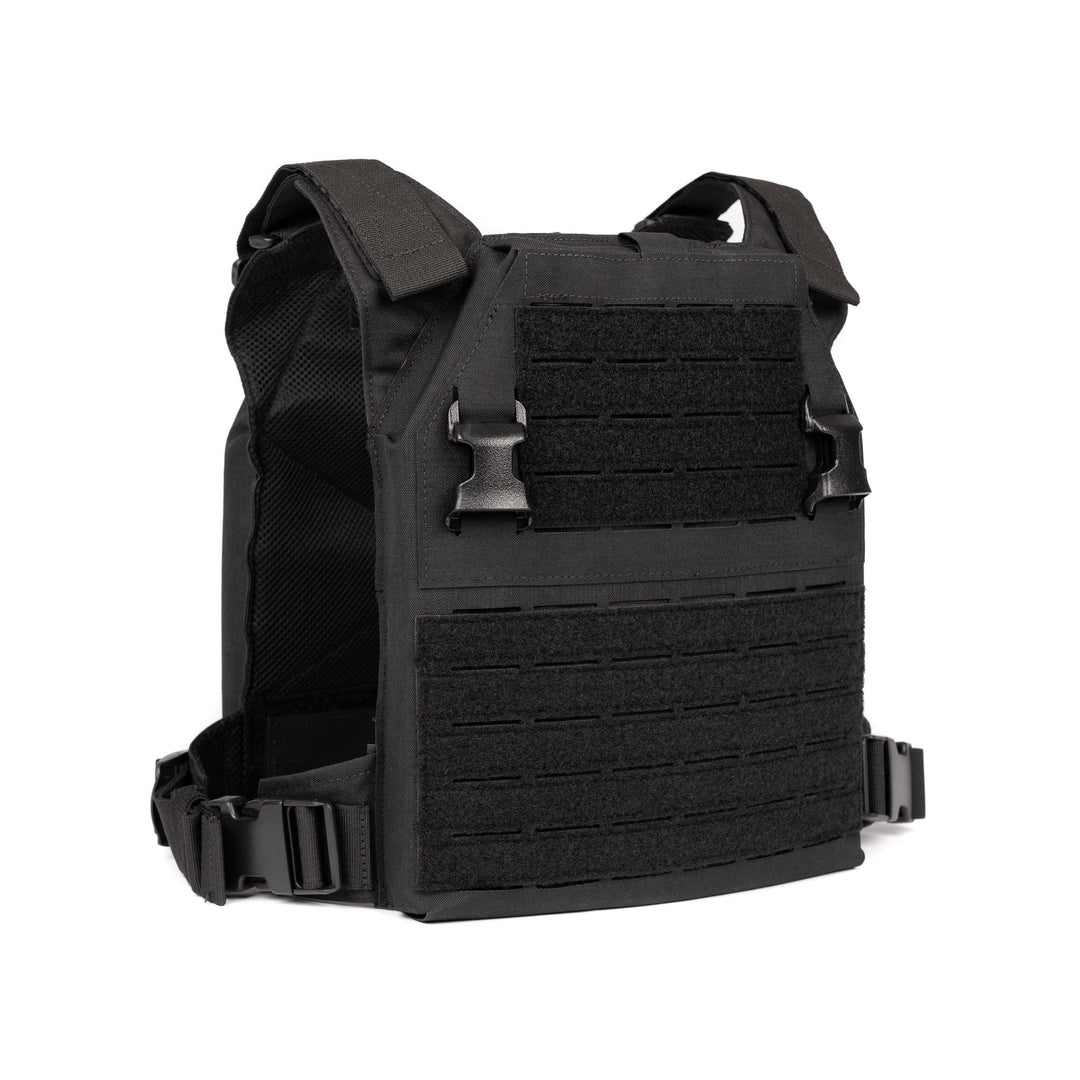
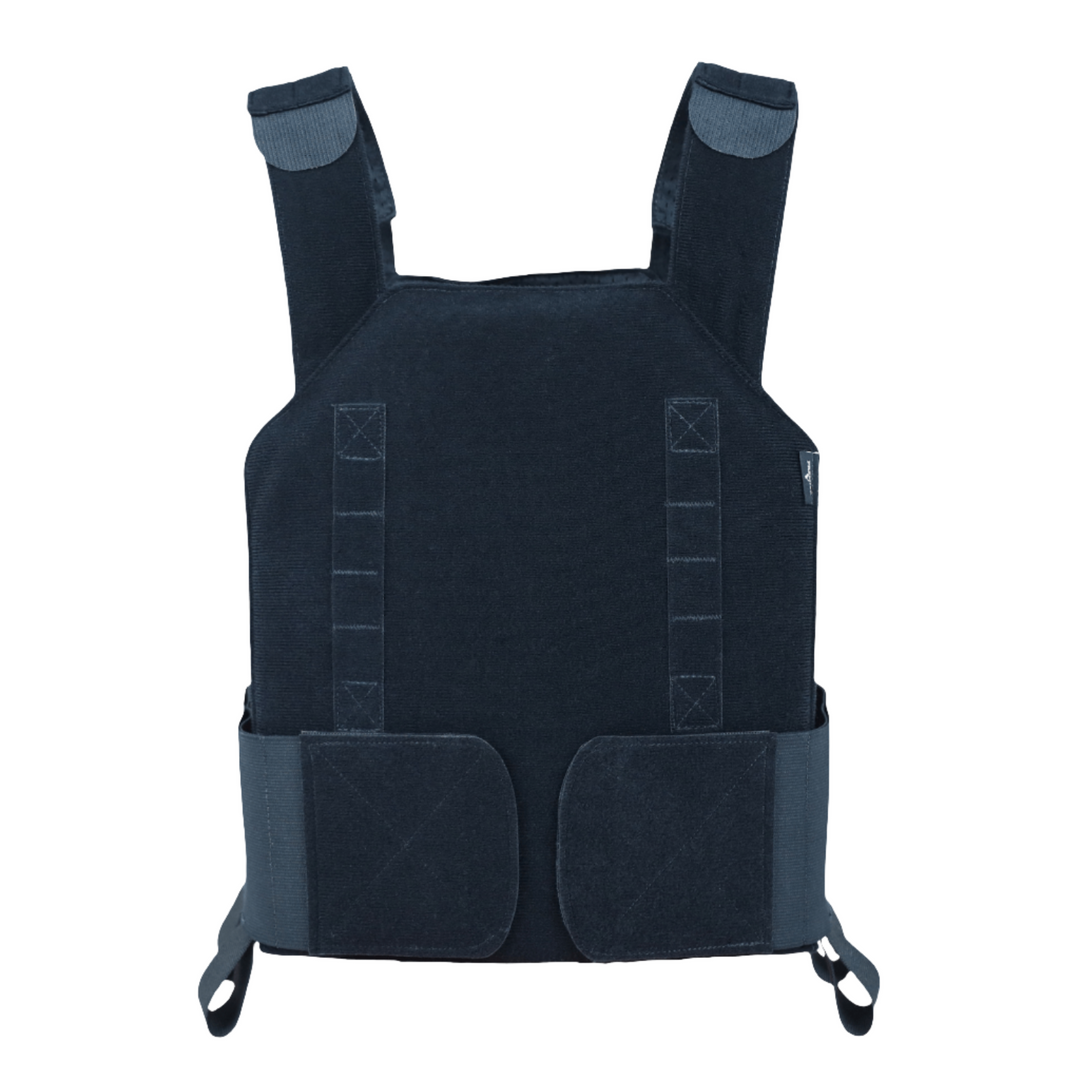
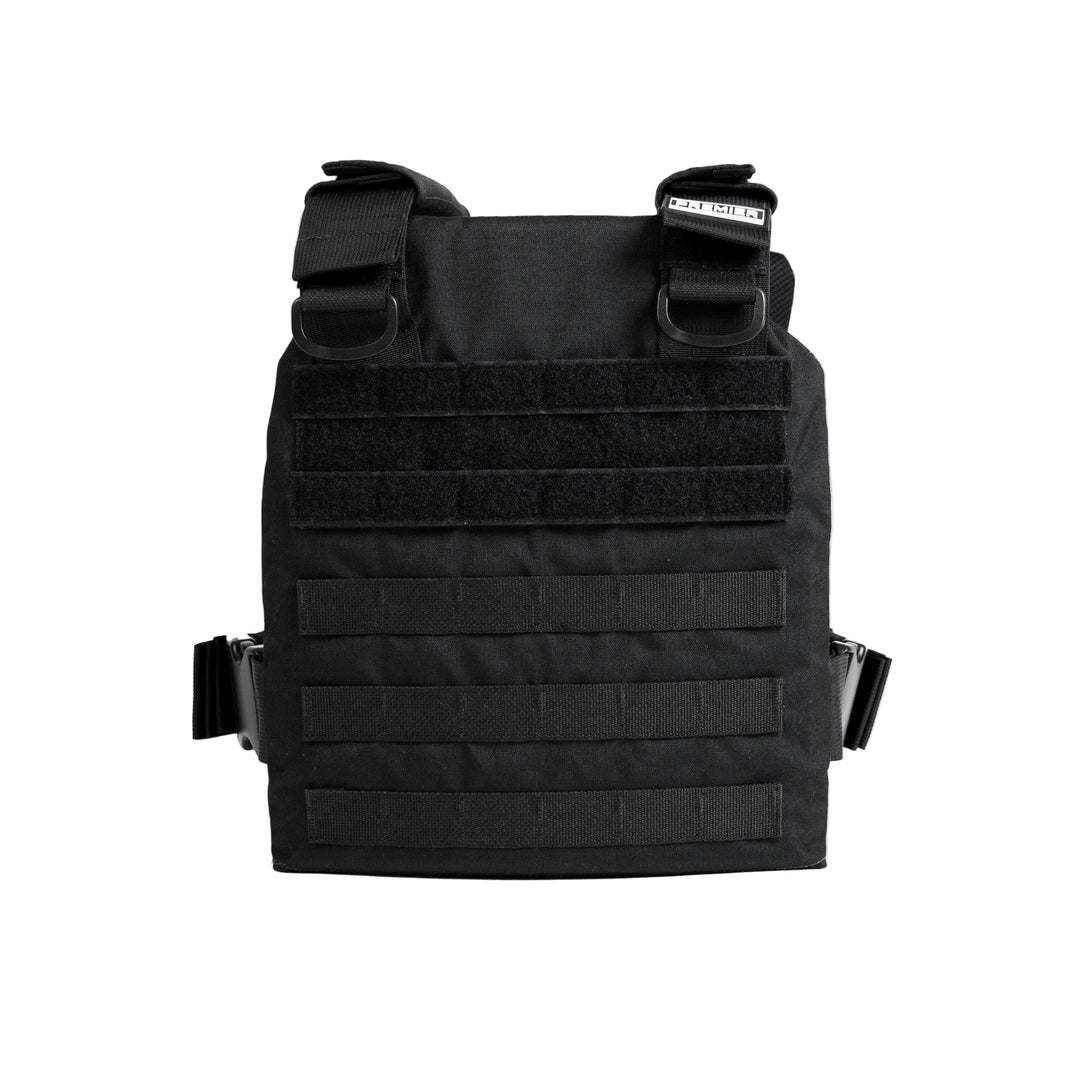
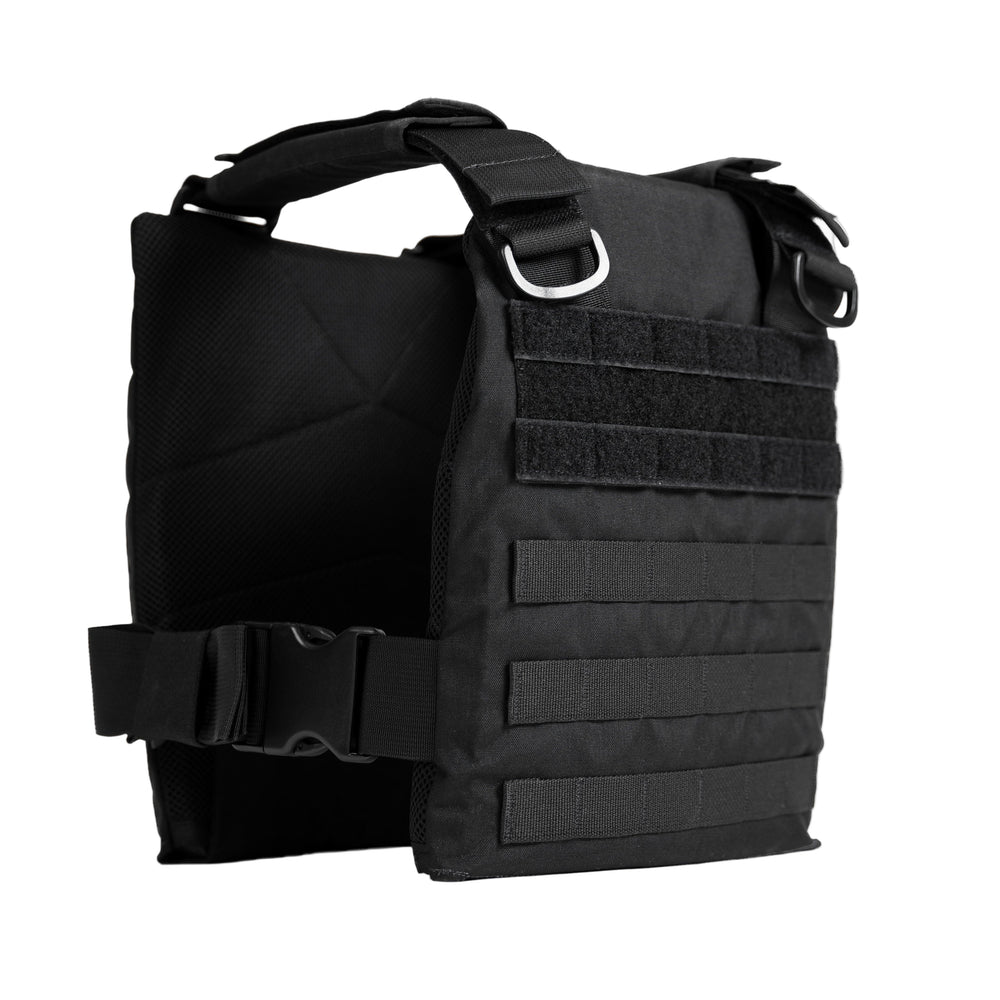
- If you need a more duty-ready setup, an outer carrier is probably a better choice. It gives you a professional, high-visibility look and can make donning and doffing easier across shifts. For higher-risk assignments, you may also want options that let you add components like armor plates or increase protection when the situation calls for it.
The best body armor for security is the armor you can actually wear consistently. That’s why fit, coverage, concealability, and the armor’s ability to deal with heat matter as much as the level of protection it gives you. When you match the style of body armor for security to your post requirements, you get gear that supports your job instead of getting in the way.
Ballistic Vests for Firearm Threats
When your post involves potential firearm exposure (think late-night venues, cash handling, or high-traffic public spaces), a security officer ballistic vest can provide handgun-rated protection in a package you can wear every day. For armed posts, a security guard bulletproof vest delivers that handgun-rated coverage in a profile you can wear every shift.
However, the right fit matters. You want coverage that stays in place when you’re moving fast, enough comfort to wear it your entire shift, and a profile that works with your uniform, whether you’re concealing it or wearing it openly.
Stab-Resistant & Slash-Resistant Armor for Close-Contact Roles
In a lot of public-facing positions like crowd control, access screening, detentions, or de-escalation, edged weapons are realistic threat. A stab-resistant vest for security officers is built to protect you from knives and sharp objects where ballistic-only protection may not be enough.
If edged threats are part of your risk profile, look for stab-resistant gear that’s tested to an appropriate stab standard, not just ballistic testing. It’s particularly important anywhere that weapons can be improvised, and encounters happen fast, like jails or prisons. If you’re weighing a stab proof vest against ballistic-only options, our guide to the difference between a stab and a bulletproof vest breaks down what each one is built to stop.
Concealable vs. Overt Carriers for Security Posts
Your post and uniform standards usually decide whether you go concealed or overt.
- Concealable security armor works best when you need a professional look and low-profile protection under a button-down, blazer, or uniform shirt.
- Overt carriers make it easier to don and doff gear between shifts and give you a duty-ready, high-visibility appearance, especially for patrol-related assignments.
If you need an overt, patrol-style carrier setup, you can also explore our Law Enforcement Patrol Vests collection.
Key Features Security Officers Should Look For in Body Armor
Comparing different armor choices? Focus on security vest features that support both protection and all-day wear.
Start with the protection level that fits your post, and look for armor that’s NIJ compliant and clearly labeled to the standard it was tested and certified under, such as NIJ 0101.06 or the newer NIJ Std 0101.07. That way, you know what the vest was evaluated against and can compare options accurately
Think about the vest’s coverage as well as how it fits. A vest that rides up, has gaps at the sides, or restricts movement won’t stay comfortable. If it’s uncomfortable, you’re less likely to wear it consistently.
Heat management matters, too, especially if you’re working long shifts, are stationed outdoors, or you’re physically active while on your shift.
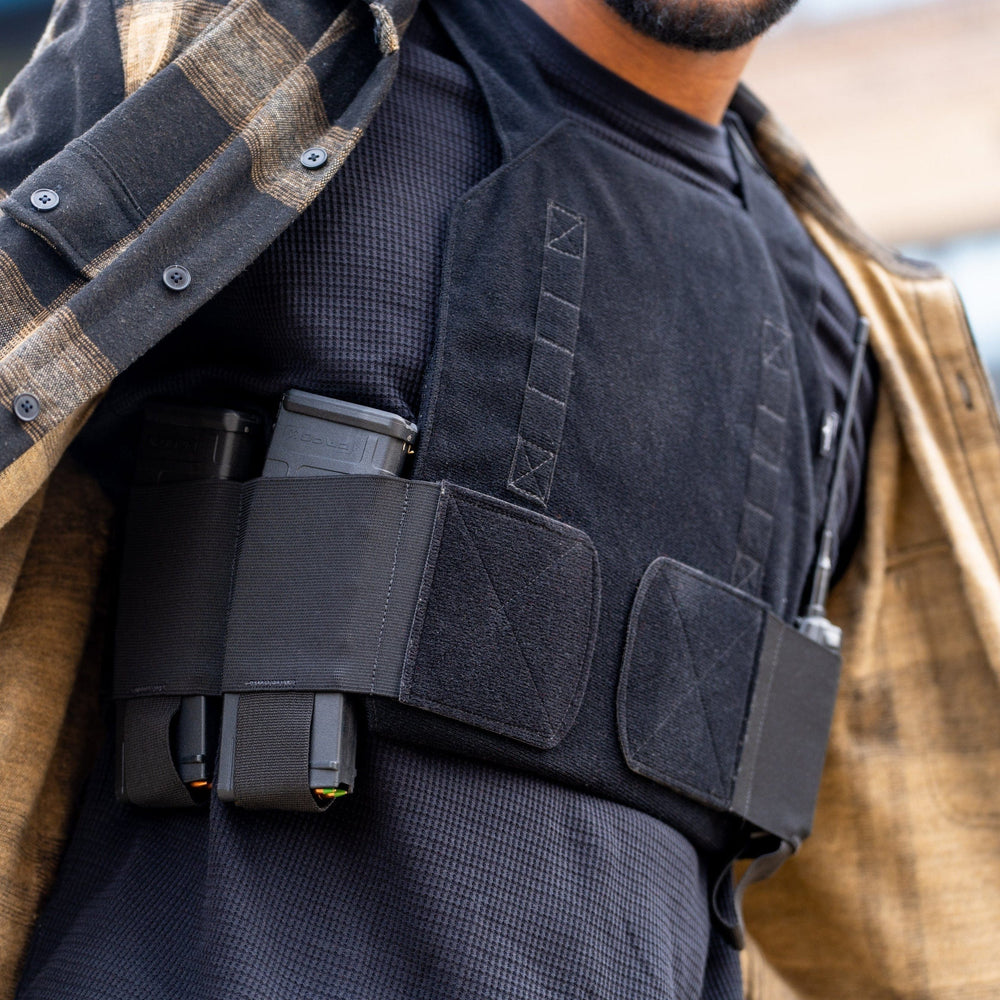
Consider your full setup, including how the vest works with your uniform, whether you need concealment or an outer carrier, and how it works with other protective gear for security (think duty belts, radios, and medical kits, for instance).
Vest Weight, Mobility & Daily Wear Comfort
We’ve mentioned this a couple of times, but it bears repeating: if your vest isn’t comfortable, you’re less likely to wear it. However, several things go into “comfort”.
If your vest is heavy, stiff, or constantly shifting, you’ll feel it by hour three, and you may loosen it or even take it off entirely. Lightweight security armor protects you without draining your energy or limiting how you move on post.
Look for a fit that sits close to the body. It should flex with you when you bend or reach, and evenly distribute weight across your torso. The more natural it feels, the more likely you are to wear it every shift.
Having several points of adjustability, especially in the shoulder and waist areas, can also help get a perfect fit every time.
Identification, Visibility & Professional Appearance
Sometimes you need to be seen and recognized quickly. That might be by staff, the public, or first responders. High-visibility security gear can help.
An overt carrier with a clean, professional layout can support clear identification. That helps with any potential confusion about who’s who during incidents, and reinforces your authority on post without sacrificing approachability. When your vest looks uniform-ready and stays organized, you present a more professional image, whether you’re directing people, controlling access, or working with LEOs.
Modularity & Equipment Integration
Your vest shouldn’t compete with the rest of your kit. In fact, it should be a central part of it. A MOLLE security carrier gives you the flexibility to set up your gear the way you work, whether that means attaching a radio pouch, medical kit, flashlight, or other essentials in consistent, reachable positions. The advantage is that you can keep your most-used tools where your hands naturally go and reduce belt overload, without cluttering things up.
Body Armor Sizing, Fit & Department-Wide Procurement
Even the best armor can’t do its job if it doesn’t fit right. Accurate security vest fitting keeps your coverage where it’s supposed to be, protecting vital areas without riding up when you sit, bending uncomfortably when you move, or gapping at the sides.
You’ll want a vest that matches your torso length and chest size, sits high enough to protect, and still lets you breathe, reach, and move naturally. If you’re between sizes or layering over a uniform, a fit that’s “close but not tight” is usually best, especially if you have long shifts.
If you’re outfitting a team, sizing becomes a major hurdle. Standardizing approved models, carriers, and protection levels gives everyone the same baseline level of protection while still making sure that each team member has gear that fits right. Taking a department-wide approach also means it’s easier to replace things, budget, and even onboard new people.
Ensuring Proper Fit Across Shifts & Post Assignments
Nothing else matters if body armor for security officers doesn’t fit right. And it’s important to understand that the “right” fit can vary depending on things like what shift you’re working or where you’re posted.
If you’re outfitting multiple officers, a standardized sizing process helps cut out any guesswork and keeps coverage where it belongs. Premier’s LEOnline® program includes a guided virtual fitting with Fit Specialists using a Fit Kit, so each wearer can dial in the right front, back, and side fit without guessing.
Need pricing or team outfitting support? Submit a request for a quote today.
Adjustability, Weight Distribution & Long-Shift Wearability
The more control you have over how your armor fits, the better your vest will feel at hour ten. Adjustable security armor lets you fine-tune shoulder height and side closure so coverage stays where it belongs, no matter what you might be wearing in addition to the vest.
Good adjustability also improves weight distribution, which reduces pressure points on your shoulders and ribs, and keeps the vest stable when you’re moving fast. Again, the discussion goes well beyond what most people think “comfort” means.
Why Security Companies Trust Premier Body Armor
When you’re responsible for protecting people and property, you can’t afford guesswork in your gear or in how you buy that gear. That’s why many teams rely on Premier Body Armor for security company outfitting. You get duty-ready options designed for real-world wear, with choices that fit different posts. Cost usually involves three things: the protection level you choose, whether you run concealable or overt carriers, and how many officers you’re outfitting. Standardizing across a team often lowers the per-officer price.
Just as importantly, you simplify security officer gear procurement and get expert help. Instead of dealing with random models and inconsistent sizing, you can standardize and customize equipment, streamline reorders, and replace worn, damaged, or outdated gear fast. That means more team members are protected, you have better compliance across shifts, and your team members look the part.
Your post may change, but your need for reliable protection doesn’t. When your armor fits right and matches your environment, you’re more prepared to do your job. Shop our security-ready options or request pricing and procurement support for a team purchase.
frequently asked questions
We will sell body armor to civilians, Law Enforcement Officers, and Military Personnel in the United States who meet the following criteria:
1. Are 18 years of age or older
2. Are not a felon;
3. Are legally allowed to possess and use the item(s) in your state (If you are a New York or Connecticut resident, you must be active Law Enforcement or Military Personnel and provide necessary credentials);
4. Are purchasing this product for only lawful purposes;
5. Are purchasing this product on your own behalf;
6. Comply with all other Terms & Conditions.
Learn more about the legality of body armor in each state.
STRATIS Plates have an 8-year warranty. Fortis plates have a 7-year warranty. Soft body armor panels (for vests and backpacks) have a 5-year warranty, and each carrier has a 2-year warranty.
For warranties on specific products, please see the product page.
All products (excluding clearance items) are eligible for an easy return or exchange if initiated within 30 days of receipt, and the product(s) is in new, unused condition.
There is no re-stocking fee for returns or exchanges. The customer is responsible for any return shipping costs associated with returning the product.
Read more about our returns & exchange information.