


What Is the Best Body Armor? A Buyer’s Guide to Ballistic Armor and Armor Plates
updated March 2026
Body Armor Buyer’s Guide: Choosing the Best Body Armor
The best body armor depends on the threat you want protection from, how you plan to wear it, and the level of mobility or concealment you need. For most civilians and everyday carry situations, Level IIIA soft body armor provides protection against common handgun threats while remaining lightweight and concealable. For rifle threats, Level III or Level IV armor plates are typically considered the best ballistic armor options.
This guide explains how to choose the best body armor for your needs. We cover NIJ armor ratings, materials like polyethylene and ceramic, rifle plate types, and important factors like plate cuts, spall protection, and legal considerations.
Whether you are researching the best body armor to buy, comparing armor plates, or learning how ballistic armor works, understanding these fundamentals will help you make a confident and informed decision.
Below, we break down the key topics every body armor buyer should understand before making a purchase.
- What is Body Armor?
- NIJ Body Armor Ratings Explained
- Types of Body Armor
- Body Armor Materials Explained
- Rifle Armor Plates Explained
- ICW vs Standalone plates
- Armor Plate Cuts Explained
- Do I Need a Spall Liner?
- Is Body Armor Legal for Civilians? Ownership and Travel Laws
- How Do I Choose the Best Body Armor?
What Is Body Armor? Types of Ballistic Armor Explained
Body armor is protective equipment designed to reduce or stop injury from ballistic threats like handgun or rifle ammunition. It works by absorbing and dispersing the energy of a bullet before it can penetrate the body. The armor acts like a baseball glove that catches the round, spreads the force across the panel or plate, and often causes the bullet to deform.
Modern ballistic armor is typically worn in the form of bulletproof vests, plate carriers, or armor inserts used in backpacks and bags. Depending on the design and materials used, body armor may protect against handgun rounds, rifle rounds, or other physical threats.
The two primary categories of body armor are soft body armor and hard body armor. Each type is designed for different threat levels, mobility needs, and everyday use cases.
Soft Body Armor: Lightweight Protection for Handgun Threats
Soft body armor is flexible, lightweight ballistic protection made from layered high-strength fibers such as Kevlar®, Dyneema®, or other advanced aramid fibers.
This type of armor is commonly used in concealable bulletproof vests, backpack armor, and everyday carry armor systems because it allows the wearer to move naturally while still providing protection.
Most soft armor is rated to NIJ Level IIIA or NIJ Level HG2, which protects against common handgun rounds, including 9mm and .44 Magnum ammunition. Because it is lightweight and flexible, soft body armor is often considered one of the best options for everyday defensive protection where rifle threats are unlikely.
Hard Body Armor: Rifle-Rated Ballistic Protection
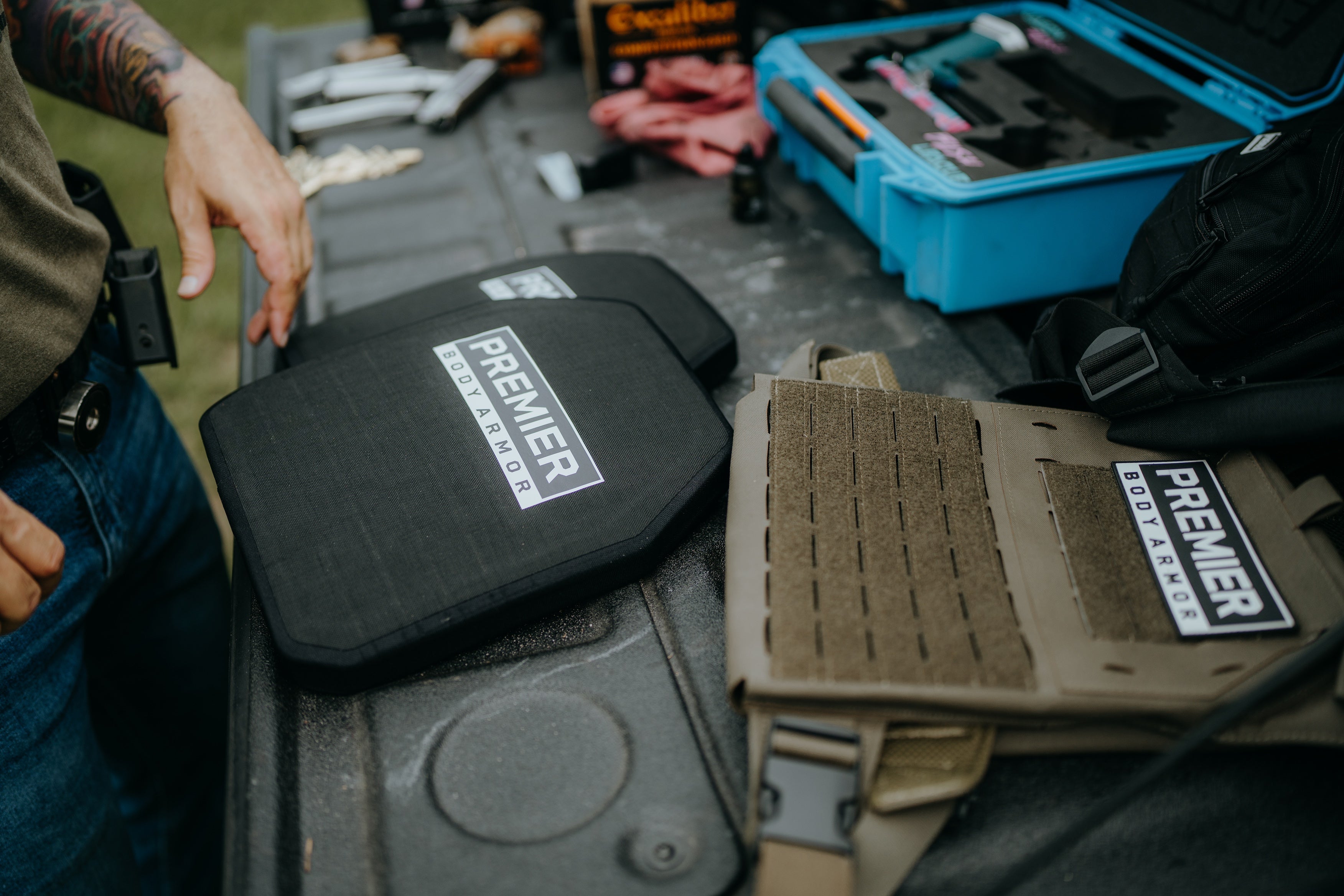
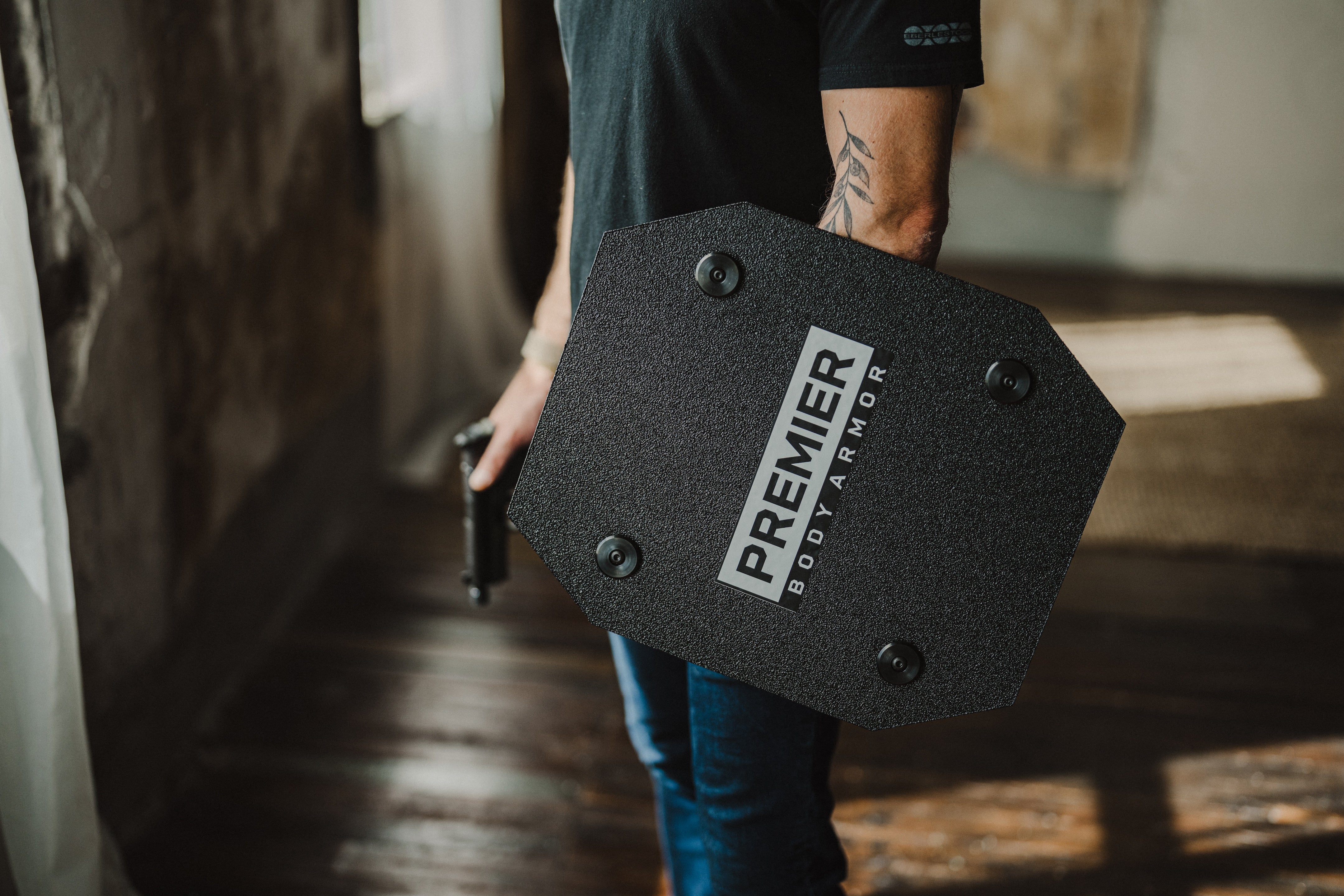
Hard body armor uses rigid armor plates designed to stop higher-velocity threats, including rifle rounds. These plates are typically worn inside a plate carrier or tactical vest and provide significantly higher levels of ballistic protection than soft armor alone.
Rifle-rated armor plates are commonly made from materials such as:
- Ultra-High-Molecular-Weight Polyethylene (UHMWPE)
- Steel
- Ceramic
Depending on the design and NIJ rating, hard body armor can stop rifle rounds from platforms like the AR-15 or AK-pattern rifles.
While hard armor provides greater ballistic protection, it is generally heavier and less concealable than soft armor. For this reason, it is commonly used by military personnel, law enforcement, security professionals, and civilians preparing for higher-risk scenarios.
NIJ Body Armor Ratings Explained: Understanding the New 0101.07 Armor Levels
Body armor in the United States is tested and classified under standards developed by the National Institute of Justice (NIJ). These standards define how body armor is tested and what types of ballistic threats it must stop in order to receive an official rating.
The newest standard, NIJ Standard 0101.07, updates the previous 0101.06 testing system and introduces new rating names and testing procedures designed to better reflect modern ballistic threats.
Under the new standard, armor is divided into two primary categories:
- HG (Handgun) ratings for soft body armor
- RF (Rifle) ratings for hard armor plates
This updated system replaces the older Level II, IIIA, III, and IV naming convention and introduces clearer distinctions between handgun protection and rifle protection.
If you want a detailed breakdown of how the standards changed, see our guide comparing NIJ 0101.06 vs NIJ 0101.07 armor standards.
Below is a simplified explanation of the current NIJ protection levels.
Handgun Protection Levels (HG Ratings)
HG1 Body Armor
HG1 armor is designed to stop common handgun threats such as 9mm FMJ rounds at standard velocities. This level offers lightweight protection and may be used in situations where mobility and concealability are important.
However, HG1 provides less protection than higher handgun-rated armor levels.
HG2 Body Armor
HG2 armor provides higher handgun protection than HG1 and is designed to stop more powerful handgun rounds, including .357 Sig and .44 Magnum threats.
Many modern soft body armor vests and concealed armor systems are designed to meet or exceed this level of protection.
Rifle Protection Levels (RF Ratings)
RF1 Body Armor Plates
RF1 armor plates are designed to stop common rifle threats, including 7.62×51 M80 and 5.56x45 M193 rounds. This level provides rifle protection while maintaining relatively manageable weight and mobility.
RF1 plates are commonly used by law enforcement officers and civilians seeking rifle-rated protection.
RF2 Body Armor Plates
RF2 is a new protection level introduced in the NIJ 0101.07 standard.
This level was created to address modern rifle threats, including rounds such as 5.56x45 M855 Green Tip ammunition, which were not specifically addressed in earlier NIJ standards.
RF2 plates provide enhanced protection against these common rifle threats while remaining lighter than the highest rifle protection levels.
RF3 Body Armor Plates
RF3 armor plates provide the highest level of rifle protection under the NIJ 0101.07 standard. These plates are designed to stop armor-piercing rifle rounds, making them suitable for military, tactical, and high-risk environments.
Armor at this level typically prioritizes maximum protection over weight savings.
Why NIJ Certification Matters When Choosing the Best Body Armor
When evaluating the best body armor to buy, one of the most important factors is whether the armor has been NIJ tested or NIJ certified.
NIJ certification means the armor has undergone standardized ballistic testing in controlled conditions to verify its ability to stop specific threats.
Because ballistic performance can vary widely between manufacturers, checking the NIJ rating and certification status of armor helps ensure you are choosing reliable ballistic protection that meets nationally recognized standards.
Types of Body Armor: Understanding the Different Ballistic Protection Options
Body armor is available in several different formats depending on how the protection is worn or carried. Each type is designed for a specific balance of mobility, concealment, and ballistic protection.
The most common types of body armor include bulletproof vests, plate carriers, backpack armor, and armor inserts. Understanding the purpose of each option can help you determine which system best fits your needs.
Some systems use soft body armor panels designed for handgun threats, while others rely on hard armor plates capable of stopping rifle rounds.
Bulletproof Vests
A bulletproof vest is wearable body armor designed to protect the torso from ballistic threats. Most vests use soft body armor panels, typically rated to stop handgun ammunition.
Bulletproof vests are commonly worn by:
- law enforcement officers
- security personnel
- civilians seeking discreet protection
Because soft armor panels are flexible, vests are often used in concealable armor systems designed to be worn under clothing.
Plate Carriers
A plate carrier is a tactical vest designed to hold hard armor plates that provide rifle-rated protection.
Unlike a bulletproof vest, the carrier itself usually does not provide ballistic protection. Instead, the protective capability comes from the armor plates inserted into the front and back of the vest.
Plate carriers are commonly used in:
- military applications
- law enforcement tactical operations
- civilian defensive or preparedness setups
They allow users to choose different armor plate levels, materials, and configurations depending on the expected threat level.
Backpack Armor Inserts and Bag Protection
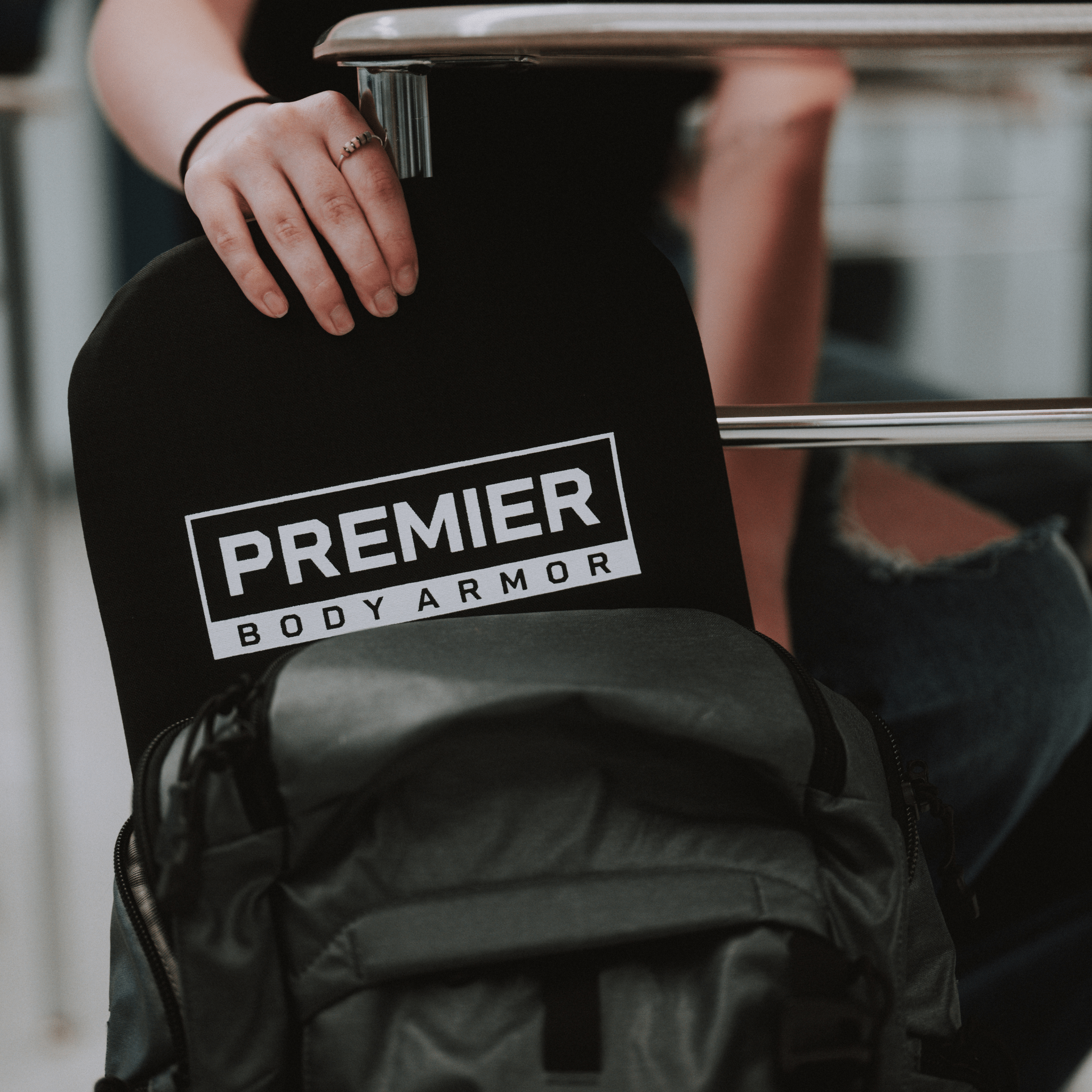
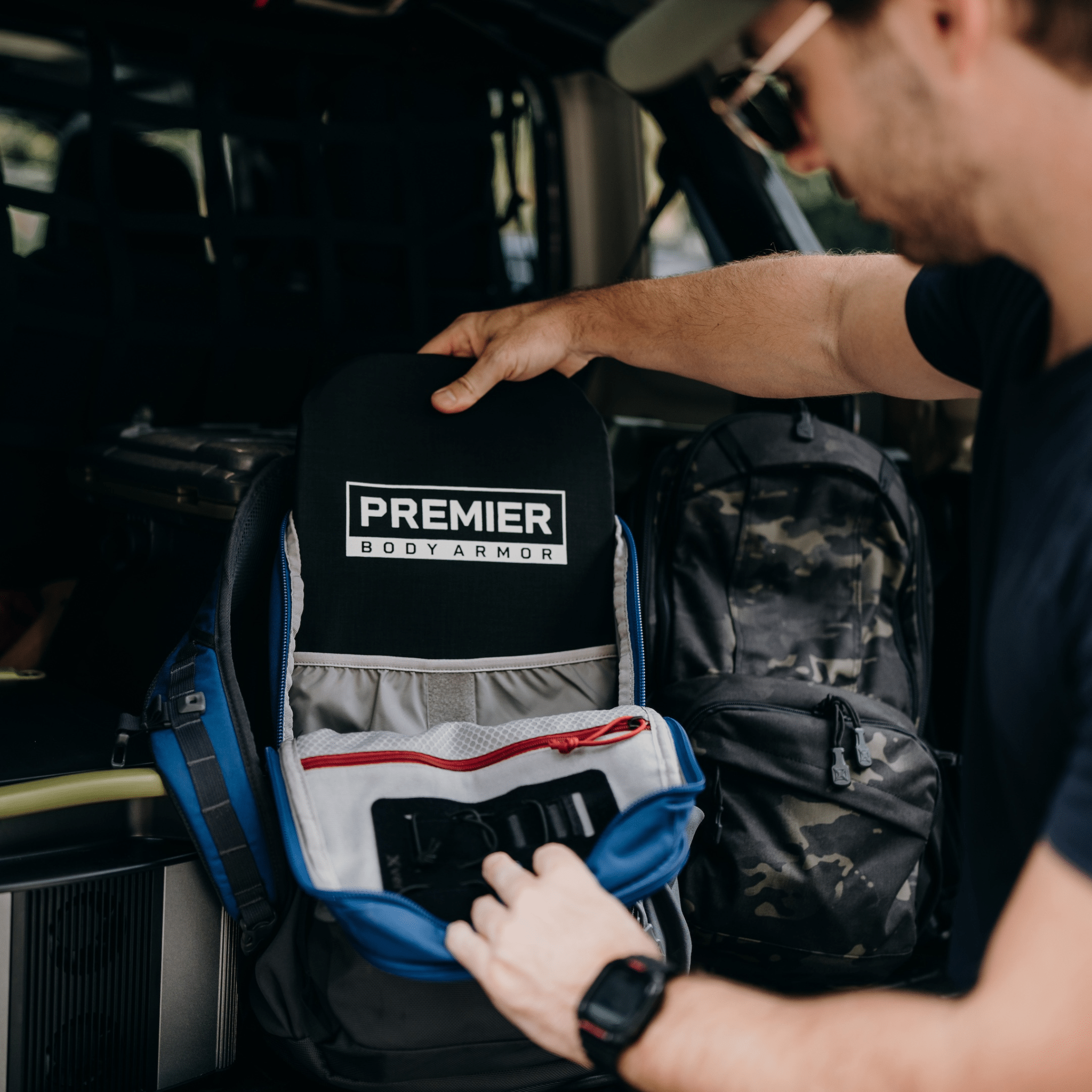
Backpack armor inserts are ballistic panels designed to fit inside backpacks, laptop bags, briefcases, and other everyday carry bags. These inserts provide a portable layer of protection without requiring the user to wear body armor directly.
Most backpack armor inserts use soft body armor panels, typically rated to stop common handgun threats. The insert is placed in a dedicated sleeve or compartment inside the bag, positioning the ballistic panel between the user and potential threats.
While some companies manufacture dedicated bulletproof backpacks, the most common approach is using a removable armor insert. This allows the ballistic panel to be moved between different bags as needed.
Backpack armor inserts are commonly used in:
- school backpacks
- laptop bags
- travel bags
- everyday carry packs
Because the insert is removable, it offers flexibility while still providing an additional layer of ballistic protection in situations where wearable armor may not be practical.
Body Armor Materials Explained: Ceramic, Polyethylene, Steel, and Kevlar
Modern body armor uses several different materials to stop ballistic threats. The specific material used affects the armor’s weight, durability, threat protection level, and cost.
The most common body armor materials include:
- Ultra-High-Molecular-Weight Polyethylene (UHMWPE)
- Ceramic and composite strike faces combined with composite backers
- Steel
- Aramid fibers such as Kevlar
Each material works in a slightly different way to absorb or stop the energy from a projectile.
Polyethylene (UHMWPE)
Ultra-High-Molecular-Weight Polyethylene, often abbreviated UHMWPE, is one of the most widely used materials in modern body armor plates.
Polyethylene armor plates are constructed from compressed layers of extremely strong synthetic fibers. These fibers absorb and disperse the energy of a projectile while slowing and stopping penetration.
Polyethylene armor offers several advantages:
- lightweight compared to many other armor materials
- corrosion resistant
- capable of stopping multiple impacts depending on the design
Because of its strength-to-weight ratio, UHMWPE is commonly used in lightweight rifle-rated armor plates and many modern ballistic protection systems.
Ceramic & Other Composite Armor
Many modern rifle-rated armor plates use a ceramic strike face, or a more advanced Silicon-Carbide strike face, combined with a composite backing material, rather than being made entirely from ceramic.
The strike face layer helps disrupt and break apart high-velocity rifle projectiles. Behind the strike face, layered composite materials, often including polyethylene fibers, absorb the remaining energy and capture projectile fragments.
This combination allows armor plates to stop powerful rifle rounds while balancing protection and weight.
Ceramic-based armor systems are commonly used in rifle-rated armor plates designed for higher threat levels.
Steel Armor
Steel is one of the earliest materials used in rifle-rated body armor plates. Steel plates are extremely durable and capable of stopping many types of rifle ammunition.
However, steel armor is significantly heavier than many modern alternatives and may create spall, which occurs when fragments of a bullet break apart and deflect away from the plate after impact.
Because of weight and spall concerns, many modern armor systems now use composite materials instead of steel.
Kevlar ® and Aramid Fibers
Kevlar® is a high-strength aramid fiber commonly used in soft body armor. It is made from tightly woven synthetic fibers that help catch and deform handgun bullets.
Aramid and para-aramid materials are typically used in:
- concealable bulletproof vests
- soft armor panels
- backpack armor inserts
Soft armor made from aramid fibers is generally rated for handgun protection, rather than rifle threats.
| Material | Common Use | Key Advantage |
|---|---|---|
| Polyethylene | Rifle plates | Lightweight |
| Ceramic Composite | Rifle plates | Stops high-velocity threats |
| Steel | Rifle plates | Extremely durable |
| Kevlar / Aramid | Soft armor | Flexible handgun protection |
Rifle Armor Plates Explained: ICW vs Standalone Plates
Rifle-rated armor plates are designed to stop higher velocity threats than soft body armor can handle. When choosing rifle armor plates, one of the most important distinctions is whether the plate is rated as ICW (In Conjunction With) or standalone.
Both designs can provide rifle protection when used correctly, but they are built to function differently within a body armor system.
ICW (In Conjunction With) Armor Plates
ICW stands for “In Conjunction With.” These plates must be worn together with soft body armor (typically Level IIIA panels) in order to achieve their full ballistic protection rating.
In an ICW system, the soft armor helps absorb part of the projectile’s energy and prevent injury from backface deformation while the rifle plate stops penetration. Without the soft armor backing, the plate may not perform at the tested protection level.
ICW plates are commonly used in systems where the wearer already has soft armor and wants to add rifle protection when needed, most commonly seen in law enforcement armor systems. This setup can reduce weight while still providing protection against rifle threats.
Standalone Armor Plates
Standalone armor plates are designed to achieve their ballistic rating without requiring additional soft armor behind them. The plate itself provides the full level of tested protection.
Because they do not require separate armor panels, standalone plates are often preferred for plate carrier setups where the plates serve as the primary ballistic protection.
Standalone plates are commonly rated for rifle threats, such as Level III or Level IV under earlier NIJ standards, or RF-rated plates under the newer NIJ 0101.07 standard.
Choosing Between ICW and Standalone Plates
The best option depends on how the armor will be used. If you already wear soft armor regularly, ICW plates can provide a lighter way to add rifle protection when necessary. If you are building a plate carrier setup where the plates are the primary protection, standalone plates are usually the simpler option.
Regardless of the design, the most important factors when selecting rifle armor plates are the NIJ rating, the materials used in the plate, and the level of ballistic protection required for the expected threat.
Why Are Body Armor Plates Typically 10×12 Inches?
Most rifle armor plates are commonly manufactured in a 10×12 inch size because this dimension is designed to protect the body’s most critical area, often referred to as the cardiac box. This region includes the heart, major blood vessels, and other vital organs where a penetrating injury is most likely to be life-threatening.
For most adults, a properly positioned 10×12 plate will cover the vital organs of the upper chest when worn at the correct height in a plate carrier - right where your collarbones meet.
Instead of attempting to cover the entire torso, armor plates are designed to protect this vital zone while still allowing the wearer to move, bend, and shoulder a rifle effectively. Larger plates would increase coverage, but they would also add weight and restrict mobility.
The 10×12 plate size represents a balance between protection, weight, and mobility, which is why it has become the most widely used size for body armor plates among military, law enforcement, and civilian armor systems.
For individuals who require a more tailored fit, armor plates are also available in other sizes, including standardized SAPI (Small Arms Protective Insert) sizing such as Small, Medium, Large, and Extra Large.
When choosing armor plates, the goal is to ensure the plate properly covers the vital organs of the chest, rather than simply selecting the largest plate available. Proper sizing allows the armor to protect critical areas while still allowing the user to move and operate equipment effectively.
Armor Plate Cuts Explained: ESAPI, Shooter’s Cut, and Swimmer’s Cut
Rifle armor plates are manufactured in several different shapes, commonly referred to as plate cuts. These cuts determine how the top corners of the plate are shaped and affect the balance between ballistic coverage and upper body mobility.
The most common armor plate cuts are ESAPI (SAPI) cut, Shooter’s Cut, and Swimmer’s Cut.
ESAPI / SAPI Cut Plates
ESAPI (Enhanced Small Arms Protective Insert) plates follow the standard military armor plate shape and provide the largest coverage area across the upper chest.
Because the corners are less aggressively trimmed, ESAPI plates offer slightly more ballistic protection across the shoulders compared to other plate cuts. However, this added coverage can slightly reduce mobility when shouldering a rifle.
Shooter’s Cut Plates
Shooter’s Cut plates remove more material from the upper corners of the plate. This design improves mobility in the shoulders and allows the user to shoulder a rifle more easily.
Because of this balance between protection and mobility, Shooter’s Cut plates are one of the most commonly used plate shapes for civilian and law enforcement armor systems.
Swimmer’s Cut Plates
Swimmer’s Cut plates remove even more material from the upper edges of the plate to maximize shoulder movement and upper-body flexibility.
This design is often preferred in situations where mobility is a higher priority, though it provides slightly less ballistic coverage compared to other plate cuts.
For a more detailed breakdown of armor plate cuts and how to choose between them, see our guide on SAPI, Shooter’s Cut, and Swimmer’s Cut body armor plates.
Do You Need a Spall Liner for Body Armor Plates?
A spall liner is a protective coating or additional layer designed to reduce the risk of spall, which occurs when fragments of a bullet break apart after striking an armor plate.
Spall is most commonly associated with steel armor plates. When a bullet impacts the surface of a steel plate, the projectile can shatter into small fragments that deflect outward from the strike face. Without a protective coating or liner, these fragments may cause injury.
Spall liners or anti-spall coatings are designed to help capture or redirect those fragments, reducing the risk of secondary injuries caused by bullet fragmentation.
However, not all armor materials create spall in the same way. Ceramic composite plates and polyethylene armor plates typically absorb and disrupt the projectile differently, which means they generally do not produce the same fragmentation concerns associated with steel plates.
Because of this, spall liners are primarily discussed in relation to steel armor plates, rather than most modern composite armor systems.
Is Body Armor Legal for Civilians? Ownership and Travel Laws Explained
In most cases, body armor is legal for civilians to purchase and own in the United States. Law-abiding citizens can typically buy and possess body armor without needing a special license or permit.
Body armor laws can vary by state, which is why it is important to understand both federal regulations and any state-specific restrictions. There are a few important legal restrictions to be aware of.
First, convicted violent felons are generally prohibited from purchasing or possessing body armor under federal law. Additionally, committing a crime while wearing body armor can result in enhanced penalties.
Some states also have additional regulations regarding how body armor can be purchased or shipped. For example, in Connecticut, body armor must be purchased in person rather than ordered online. New York state has also banned the purchase of body armor unless you are a law enforcement agency. Certain states have also implemented shipping restrictions or additional purchasing rules.
Because laws can change, it is always important to verify the current regulations in your state before purchasing body armor.
Can You Travel with Body Armor?
In most situations, you can legally travel with body armor within the United States. Body armor can generally be transported across state lines as long as the individual possessing it is legally allowed to own it and is complying with local laws.
When traveling by air, the Transportation Security Administration (TSA) allows body armor in both carry-on and checked luggage. However, body armor cannot be worn while passing through airport security or while onboard an aircraft.
If traveling internationally, regulations may vary widely by country. Some countries restrict or prohibit the importation of ballistic protection equipment, so travelers should always review the destination country’s laws before bringing body armor.
How Do I Choose the Best Body Armor for My Needs?
Choosing the best body armor depends on the type of threats you expect, how the armor will be used, and how often you will wear it. The right option for one person may not be the best choice for someone else.
For many first-time buyers, lightweight and concealable armor is often the most practical starting point. Soft body armor systems designed to stop common handgun threats can provide protection while remaining comfortable enough for everyday use.
If you anticipate higher-risk situations or want protection from rifle threats, you may want to consider rifle-rated armor plates used in a plate carrier system. These systems provide significantly higher levels of ballistic protection but are typically heavier and less concealable than soft armor.
It is also important to consider how the armor will be used. Some people want discreet protection for daily activities, while others may prioritize maximum ballistic protection for training, security work, or preparedness scenarios.
Rather than simply choosing the highest armor rating available, the best body armor to buy is the one that provides the appropriate level of protection for the expected threat while still allowing you to move and operate comfortably.
Understanding factors like NIJ ratings, armor materials, plate sizing, and armor configuration can help you make a more informed decision when selecting a body armor system.
Ultimately, the best rated body armor is the system that balances protection, weight, comfort, and practical use for your specific needs.


Excellent information and recommendations!
20 year US Army Infantry Vet
Leave a comment