












Why Federal Agents Require Different Body Armor Than Local Law Enforcement
Federal law enforcement operates across an unusually wide range of environments. One week, an agent is doing covert surveillance in street clothes; the next, they're serving a high-risk warrant alongside a tactical team. That range is exactly why federal agent body armor can't be a one-size-fits-all solution, and why gear configured for a city patrol officer usually isn't the right answer for the federal environment.
Local law enforcement usually works within defined jurisdictions, and officers face predictable threats. Federal agents face something different: nationwide jurisdiction, rotating mission types, and assignments that can go from investigative fieldwork to armed confrontation without warning. The threats federal officers come up against, like armed trafficking organizations, violent fugitives, and even transnational criminal networks, require protection chosen with those specific things in mind.
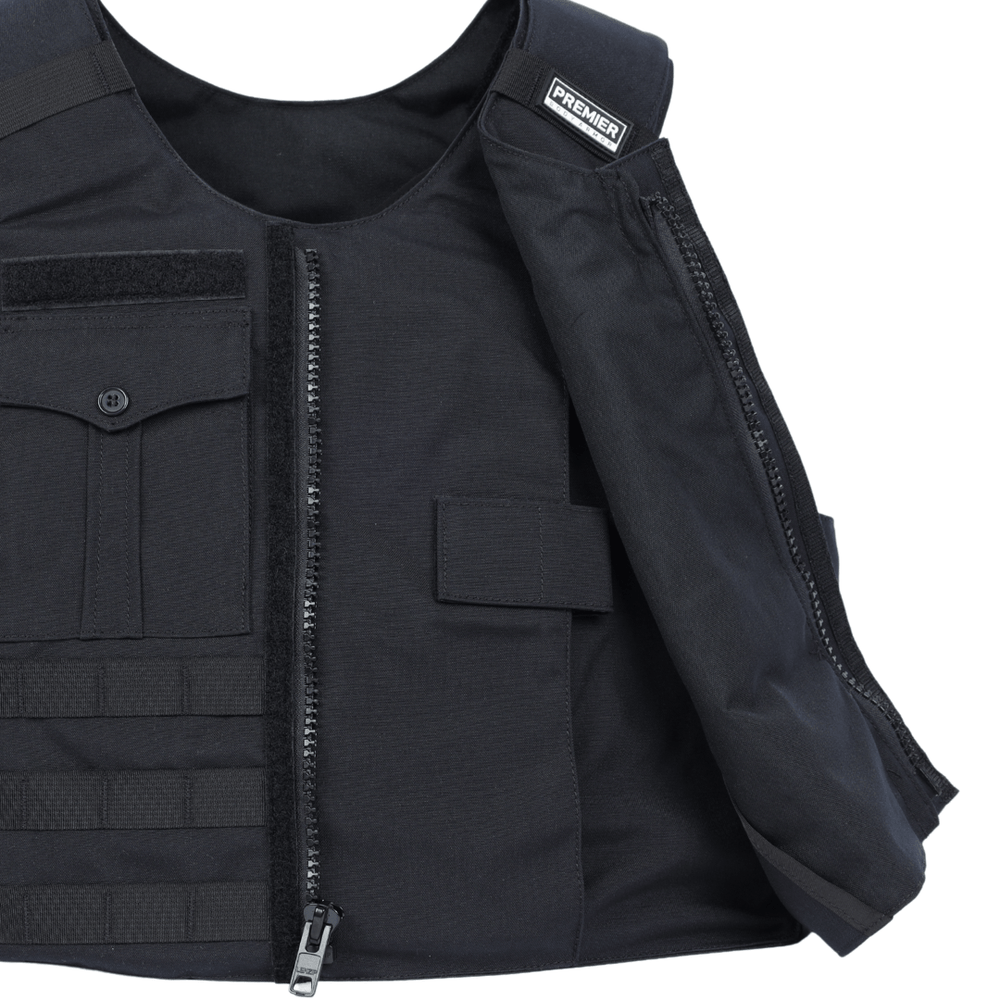
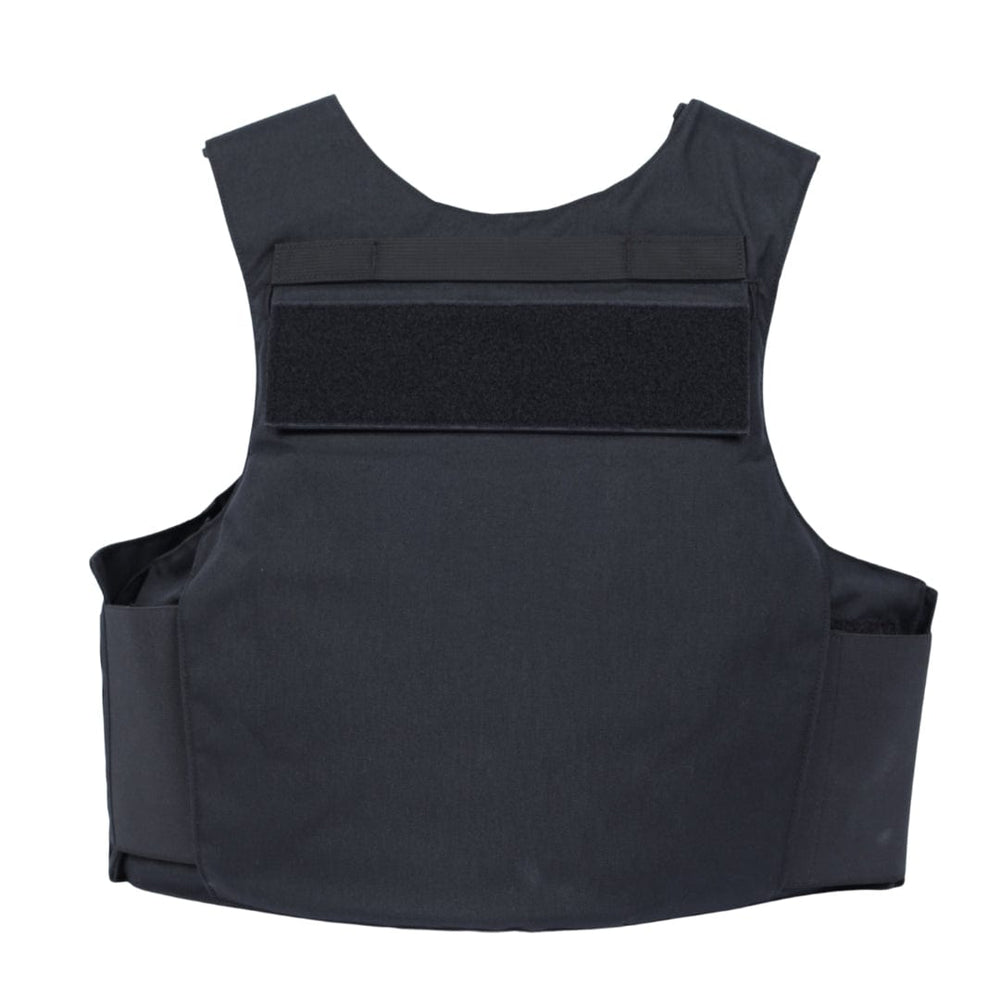
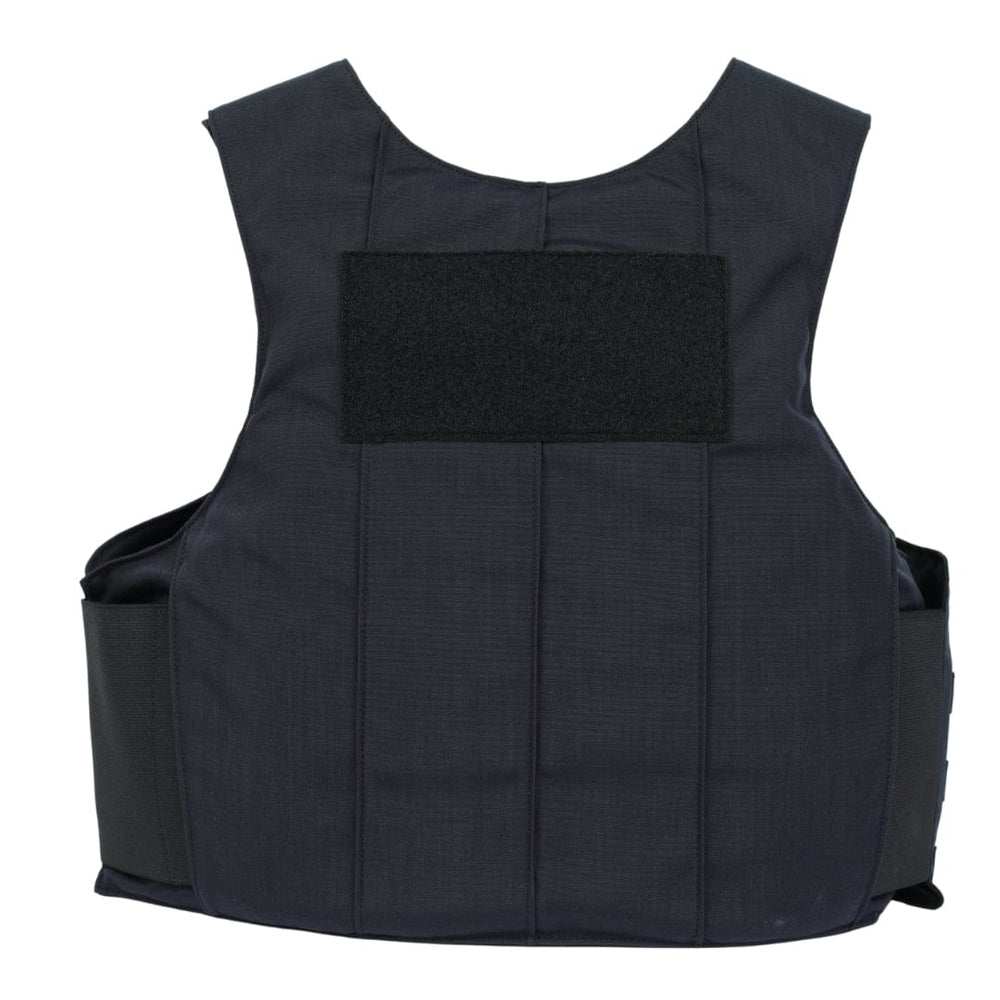
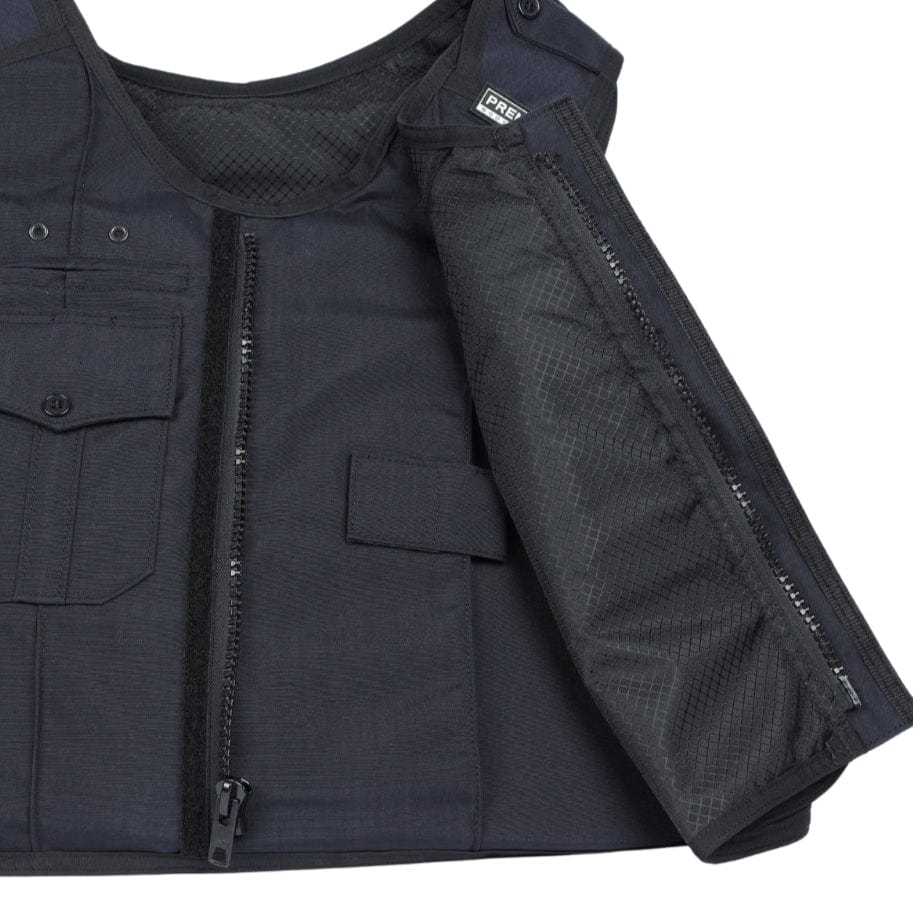
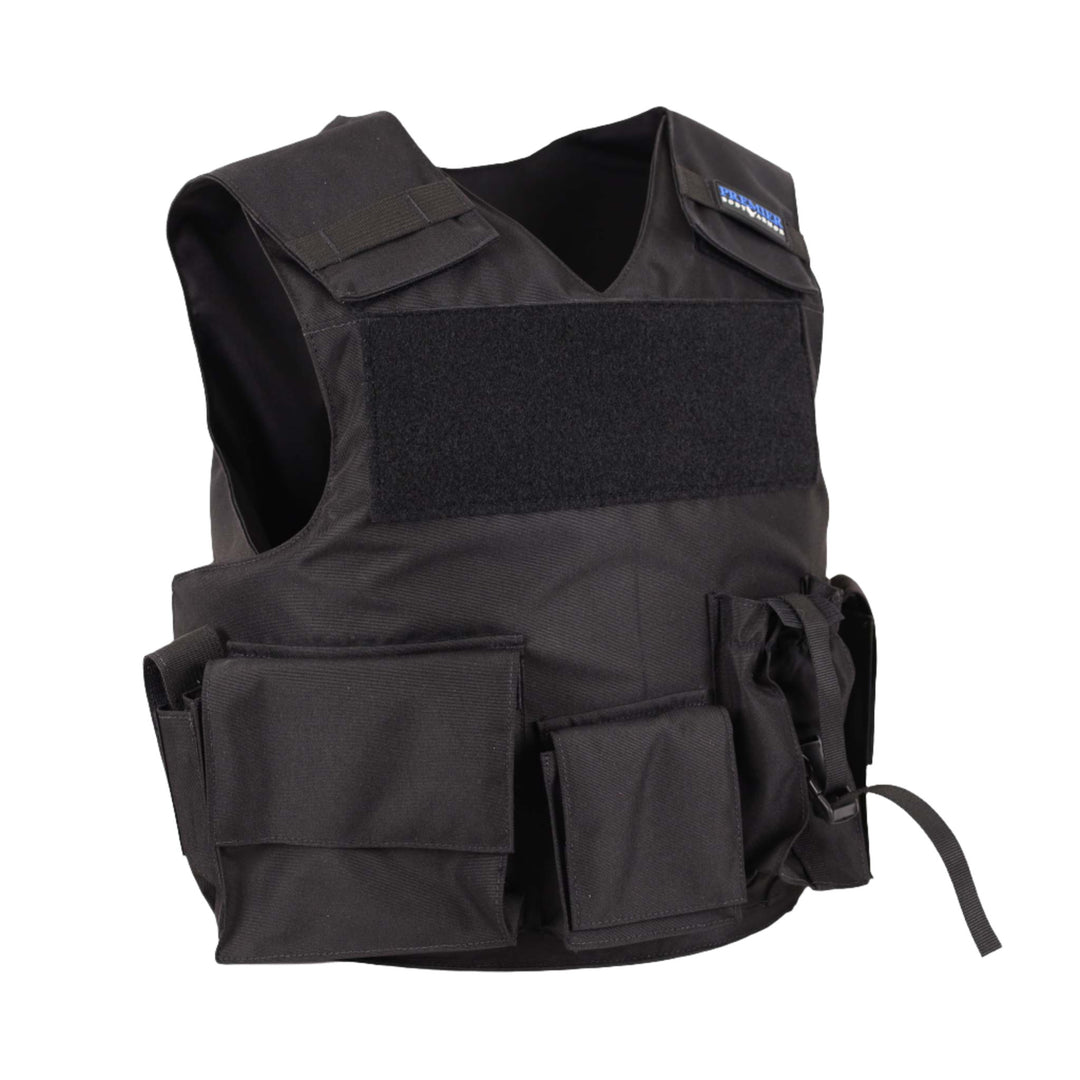
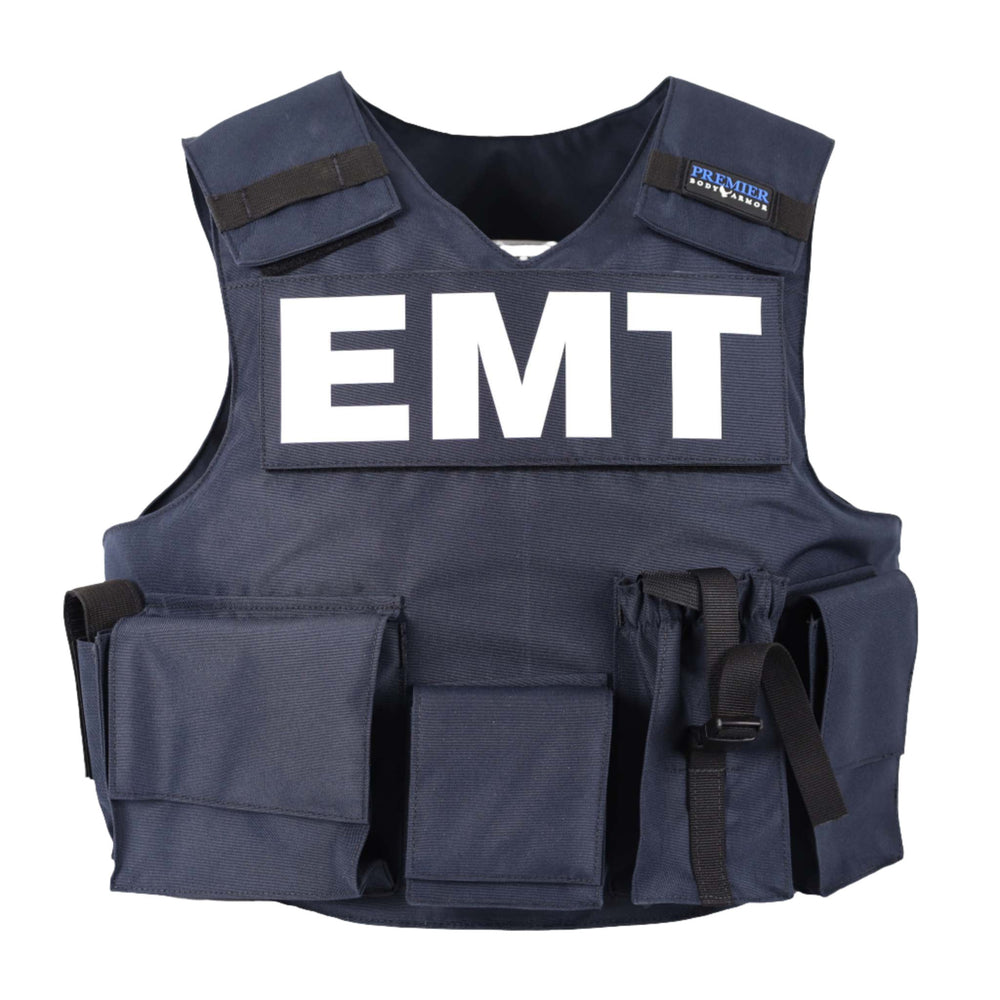
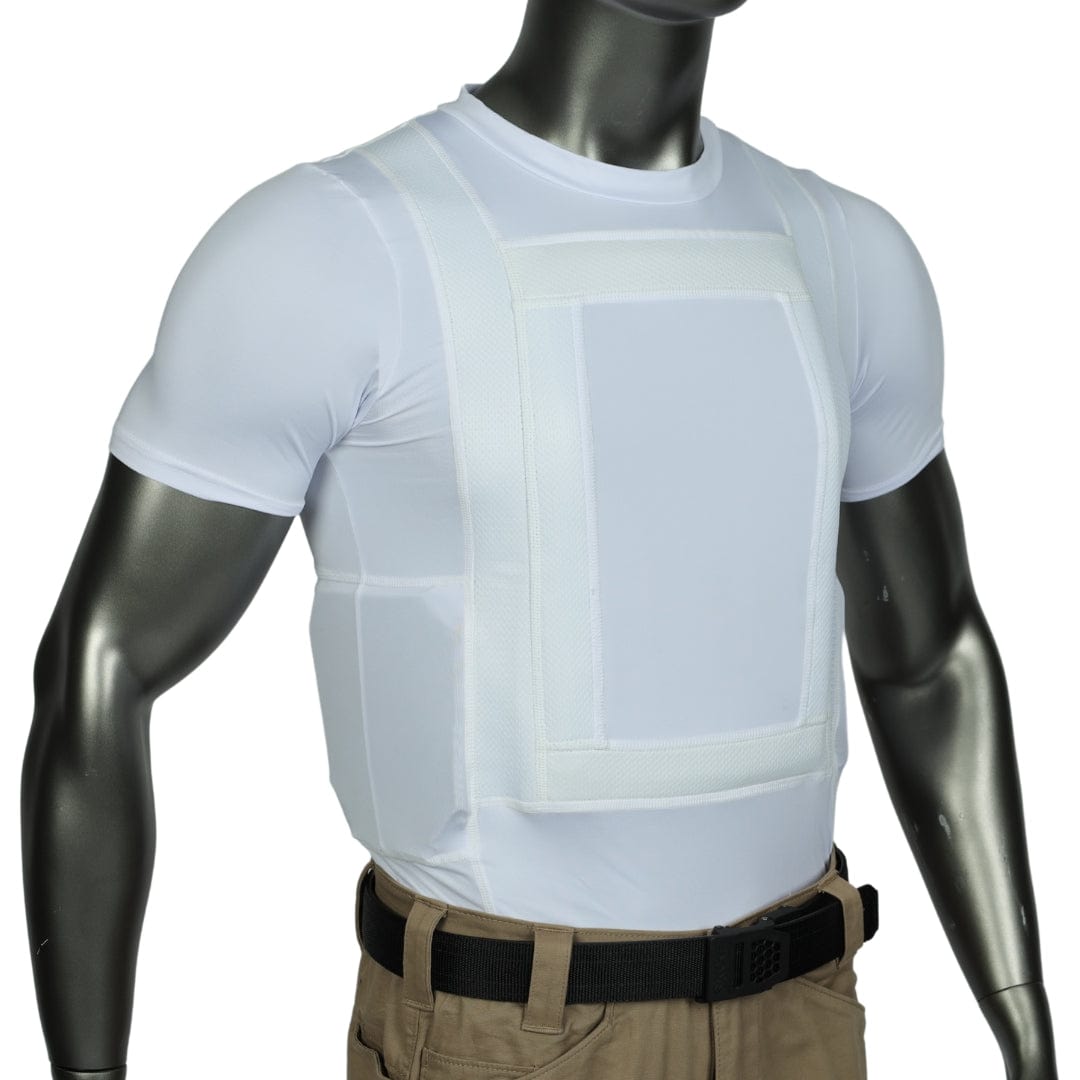
Concealment is another major consideration. Agents working undercover or in plainclothes can't show up in a visible tactical carrier. They need to consider lightweight, low-profile federal agent body armor that delivers real ballistic protection without announcing what they're wearing. For undercover and surveillance roles, concealable body armor is often the only workable option, delivering protection that stays out of sight while still meeting NIJ-certified levels. Federal police protective gear has to work across both ends of that spectrum and everything in between.
Body Armor Considerations For Specific Federal Agencies
You'd think that because multiple agencies fall under the umbrella of the federal government, there would be consistency when it comes to armor standards. That's not remotely the case. Federal police body armor requirements aren't uniform across agencies and sometimes not even within the agency itself. They're shaped by each agency's mission profile, operating environment, threat exposure, and other factors. A DEA agent running a cartel takedown has different needs than a Marshals deputy transporting a high-value prisoner, and both have different needs than an HSI investigator executing a financial crimes warrant.
Here's a look at the key armor considerations for five of the major federal agencies, whether you're buying bulletproof vests for federal agents or need some other type of body armor. If you're outfitting Border Patrol agents specifically, our guide to body armor for Border Patrol agents covers the requirements for that environment in detail.
Soft Armor vs. Hard Armor: Matching Protection to the Mission
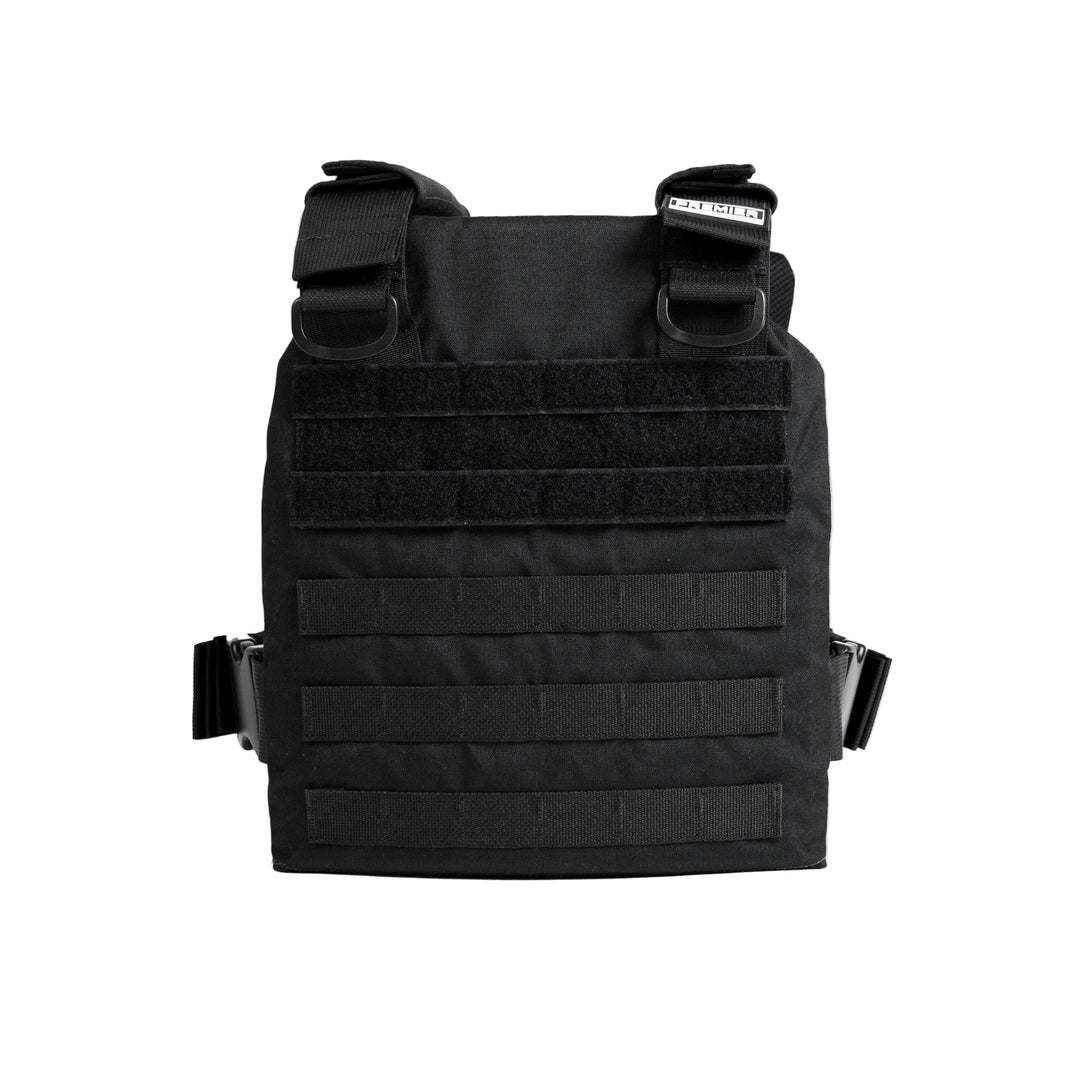
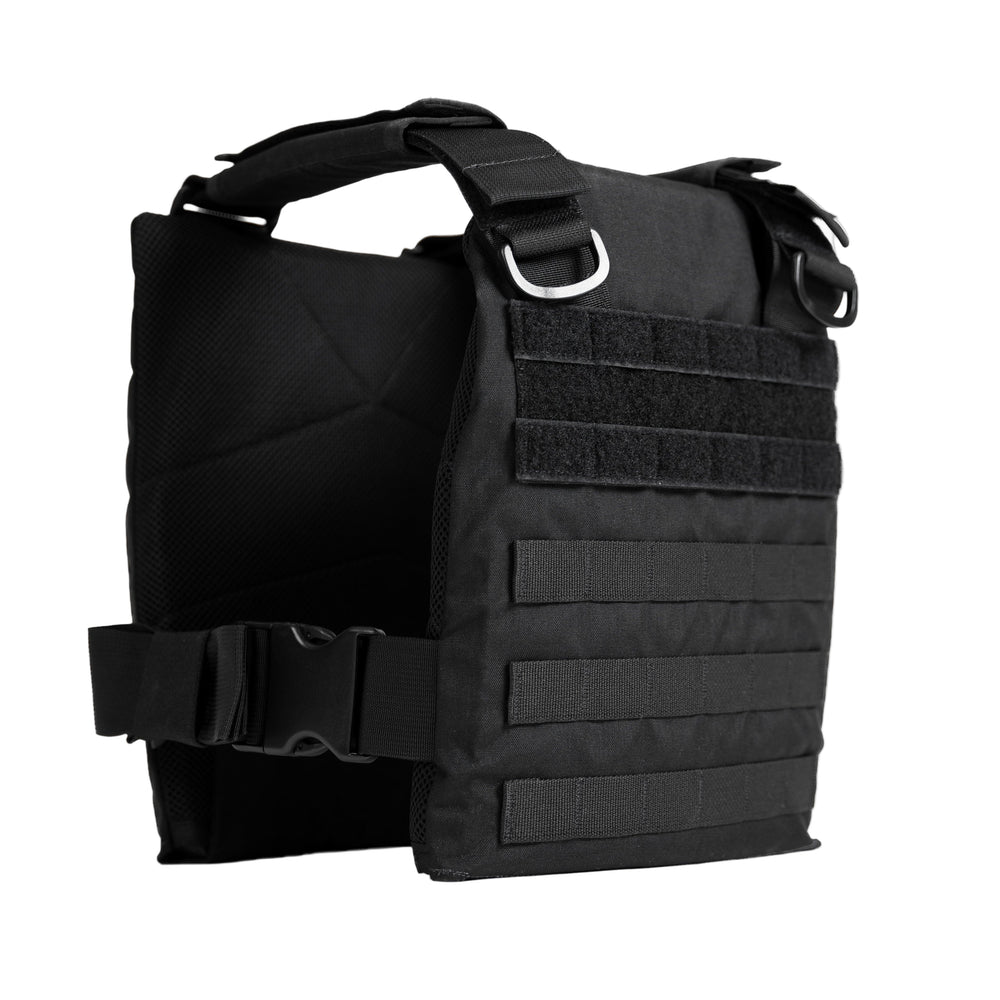
Most federal armor decisions come down to one question: handgun threats, rifle threats, or both? Soft armor, the flexible panels inside concealable and covert vests, is built to stop handgun rounds, and it's what most agents wear for surveillance, plainclothes, and everyday duty. Hard armor plates, worn in a plate carrier, are what stop rifle rounds during high-risk entries and tactical operations. Many federal roles need access to both: a low-profile soft vest for daily wear, plus rifle-rated plates that can be added when the threat level rises. Matching the platform to the mission, rather than defaulting to a single setup, is what keeps agents both protected and mobile.
Armor Requirements for Federal Bureau of Investigation (FBI) Agents
FBI agents deal with everything from counterterrorism to cybercrime, public corruption, and violent crime. FBI body armor has to match that, whether an agent needs concealable soft armor for surveillance and plainclothes work, or full tactical configurations for warrant service and HRT operations. Federal investigator vests should deliver low-profile construction and wear easily without sacrificing NIJ-certified ballistic performance.
Drug Enforcement Administration (DEA) Agent Specific Armor Considerations
DEA operations often mean that agents go toe to toe with armed and dangerous targets in high-risk, close-quarters environments. DEA body armor has to hold up when things escalate without warning. Cartel-level trafficking organizations use both firearms and edged weapons, making combined ballistic and stab resistance an important consideration for narcotics agent protection. Drug task force armor usually emphasizes full-coverage soft armor or a combined soft armor and plate carrier setup for high-risk entries.
Protective Gear for U.S. Marshals Service Operations
The Marshals Service handles some of the most operationally demanding assignments in federal law enforcement; fugitive apprehension, courthouse security, prisoner transport, and witness protection. Targets being pursued by the Marshals are often armed, motivated to resist, and aware that law enforcement is coming. U.S. Marshals armor needs to deliver reliable ballistic protection at NIJ-rated threat levels appropriate for violent and potentially heavily armed suspects. Fugitive apprehension gear should be configured to perform in dynamic, unpredictable situations where threat levels can change fast.
Armor for Bureau of Alcohol, Tobacco, Firearms, and Explosives (ATF) Agents
ATF investigations can involve everything from illegal firearms trafficking to explosives and armed criminal organizations, which means tactical operations target people who are, by definition, heavily armed. ATF tactical armor should be rated for that kind of elevated threat level. For high-risk entries and raid scenarios, soft armor alone may not be enough. Plate carriers with NIJ-certified hard armor inserts are a better choice when it comes to body armor for ATF agents conducting tactical operations.
Body Armor for Homeland Security Investigations (HSI) Tactical Units
HSI investigates transnational crime, human trafficking, financial crimes, and smuggling, and many of those investigations involve armed criminal networks. HSI tactical units face off against threats comparable to anything the DEA and ATF might face, particularly in operations targeting cartel-connected smuggling and trafficking organizations. Homeland Security armor for tactical units usually follows a similar pattern to other federal tactical environments: soft armor as a baseline with plate carrier capability available for elevated-threat situations. Note that Homeland Security protective gear should be NIJ-certified and configurable across mission-specific threat levels.
The Importance of NIJ Certified Protection for Federal Agent Armor
NIJ certification is the standard that determines whether armor has been tested to stop what it claims to stop. For federal law enforcement, NIJ-certified protection is oftentimes the required baseline. Choosing NIJ certified body armor is how an agency verifies a vest or plate has actually met that testing bar.
NIJ has published NIJ Standard 0101.07, which revises the protection-level classifications and testing methods used in the prior 0101.06 standard. Under 0101.07, handgun-rated soft armor is designated HG1 and HG2, while rifle-rated hard armor is designated RF1, RF2, and RF3. The NIJ Compliant Products List under 0101.07 is slowly rolling out. Until the full transition is complete, the certified armor under NIJ Certified to 0101.06 (levels such as IIIA, III, and IV) is still active and relevant. When you're evaluating a federal police bulletproof vest or a plate carrier for tactical use, confirm it is NIJ Certified and understand how those levels are designated and tested.
NIJ certification also carries weight from a procurement and compliance standpoint. A lot of federal agency equipment standards and contract requirements say directly that agencies have to buy NIJ-compliant gear. Purchasing certified armor protects the officer wearing it and protects the agency from procurement and liability exposure down the road. When federal agent armor contracts are on the line, certification documentation isn't optional.
Federal Agency Procurement and LEOnline Solutions
Outfitting federal agents at scale isn't like equipping a single officer. Agency-level procurement means having to deal with multiple sizes, configurations, and protection level requirements across potentially hundreds of personnel, plus going through the purchasing processes, which come with their own documentation, compliance, and approval requirements.
Premier Body Armor's LEOnline® platform is built for exactly this kind of federal law enforcement procurement. We give agencies a direct ordering pathway for federal agent protective gear, with access to NIJ-certified armor across soft armor, plate carrier, and tactical configurations. We also support streamlined bulk ordering and provide the documentation that agency armor contracts usually require. Whether you're equipping a regional task force or outfitting an entire field office, LEOnline® simplifies the process from selection to delivery.
The Right Body Armor for Each Federal Agent
Federal agents work in environments that don't forgive under-preparation. The right body armor, matched to the mission, certified to the current NIJ standard, and configured for the full range of operational scenarios, is a core part of being ready to do the job. Premier Body Armor's protective gear is specifically designed for the demands of federal law enforcement. Browse the federal agent body armor collection, or reach out to discuss agency procurement options through LEOnline®.
frequently asked questions
We will sell body armor to civilians, Law Enforcement Officers, and Military Personnel in the United States who meet the following criteria:
1. Are 18 years of age or older
2. Are not a felon;
3. Are legally allowed to possess and use the item(s) in your state (If you are a New York or Connecticut resident, you must be active Law Enforcement or Military Personnel and provide necessary credentials);
4. Are purchasing this product for only lawful purposes;
5. Are purchasing this product on your own behalf;
6. Comply with all other Terms & Conditions.
Learn more about the legality of body armor in each state.
STRATIS Plates have an 8-year warranty. Fortis plates have a 7-year warranty. Soft body armor panels (for vests and backpacks) have a 5-year warranty, and each carrier has a 2-year warranty.
For warranties on specific products, please see the product page.
All products (excluding clearance items) are eligible for an easy return or exchange if initiated within 30 days of receipt, and the product(s) is in new, unused condition.
There is no re-stocking fee for returns or exchanges. The customer is responsible for any return shipping costs associated with returning the product.
Read more about our returns & exchange information.