
18 products



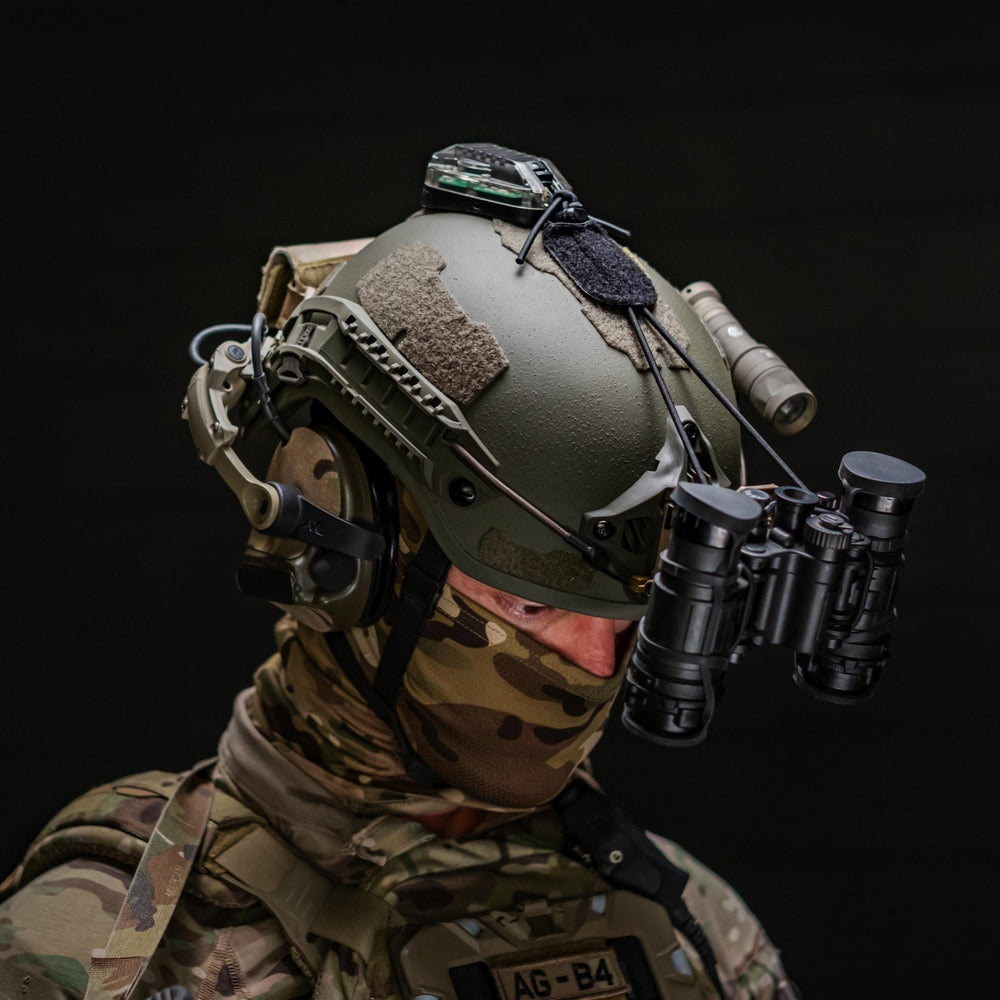
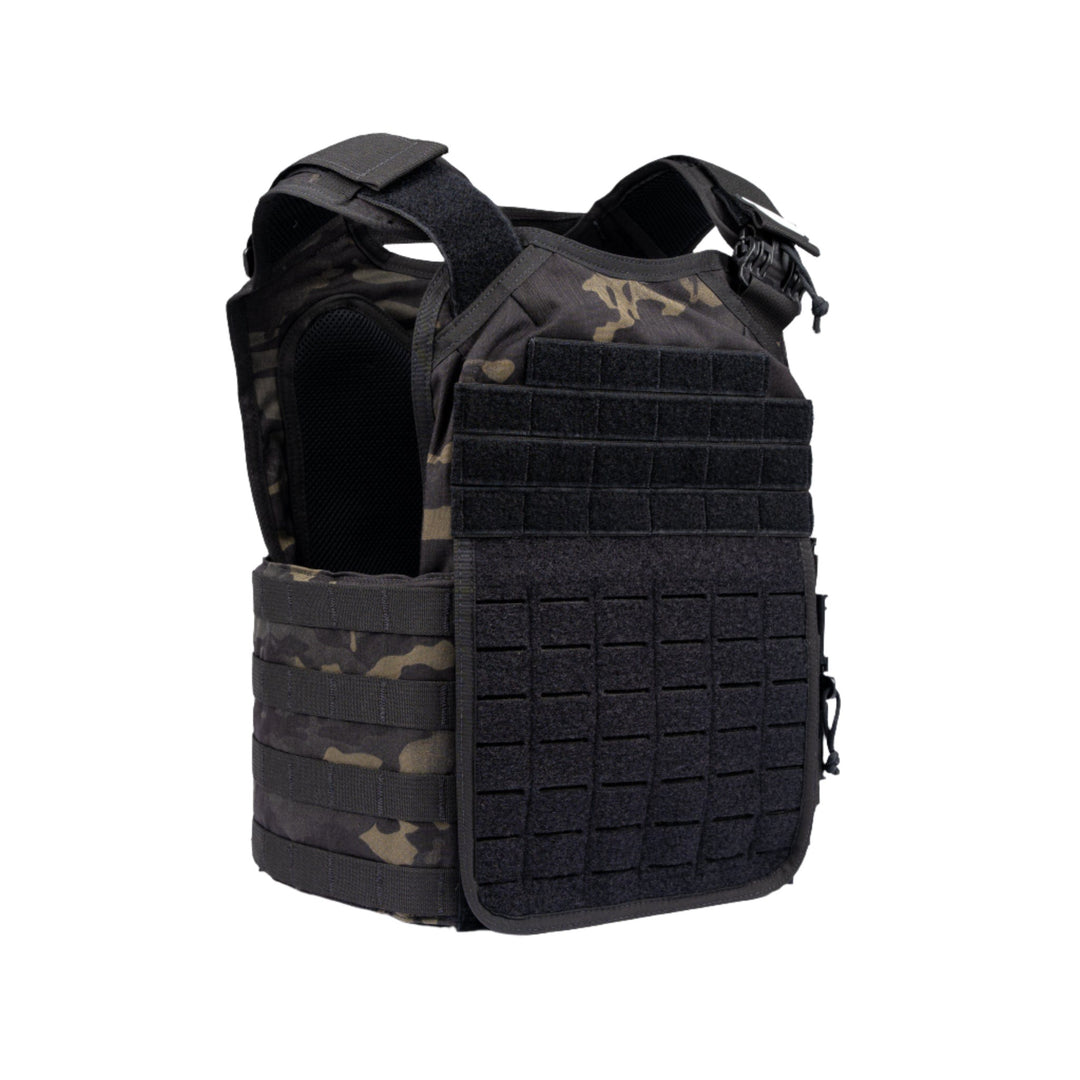
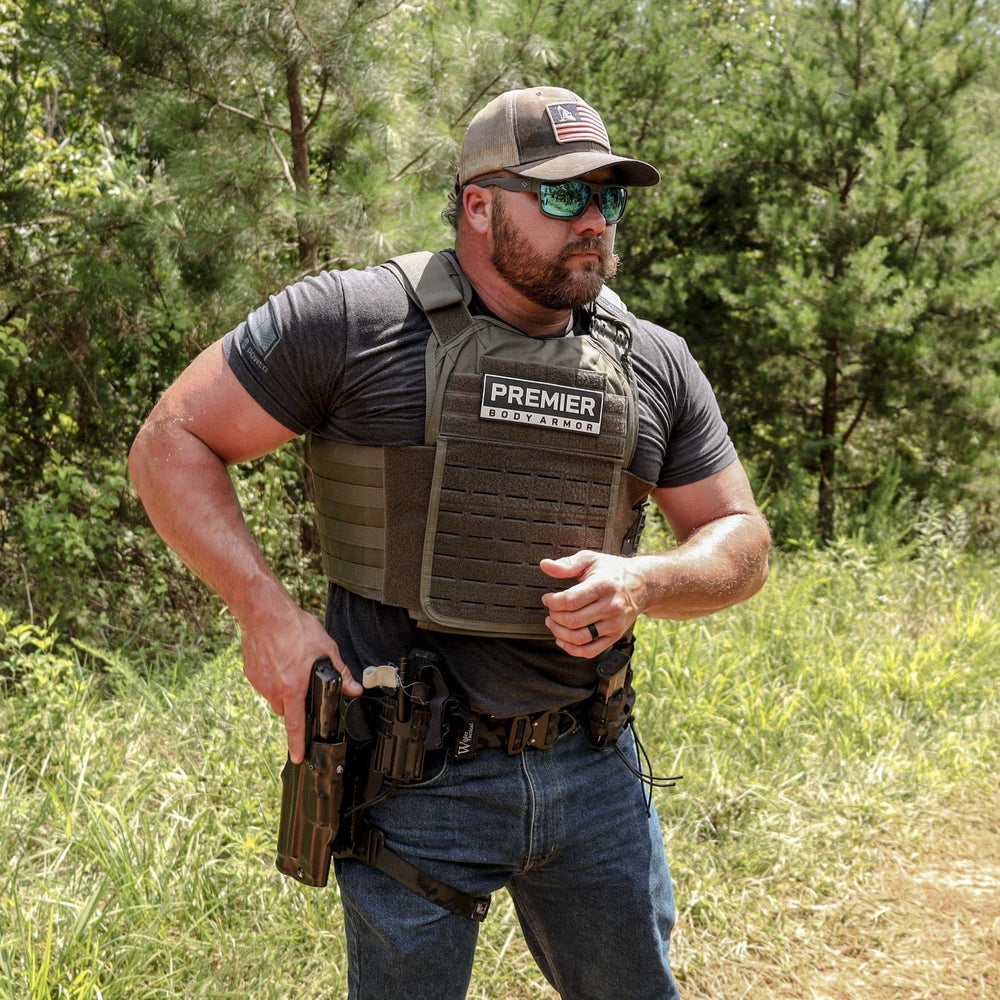
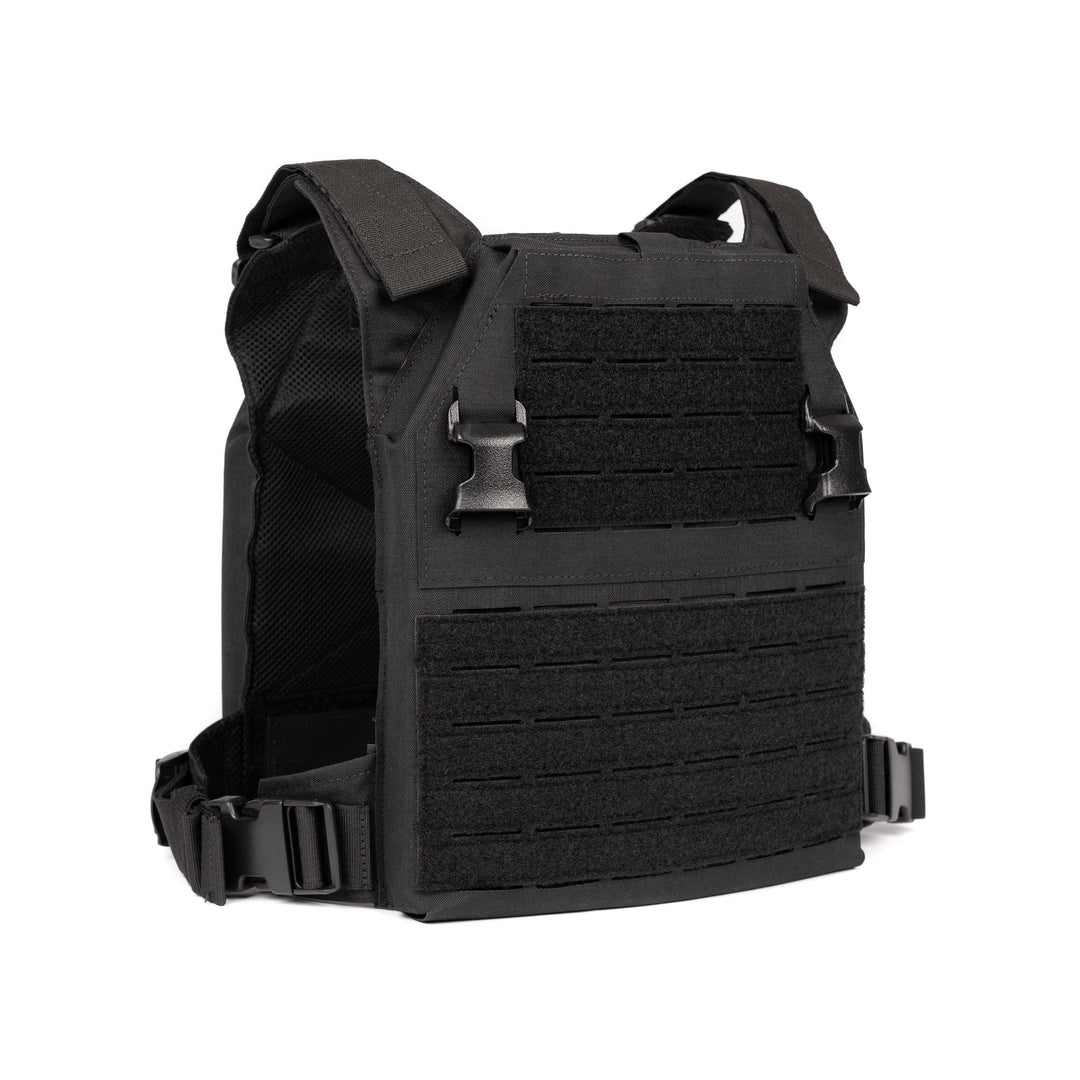

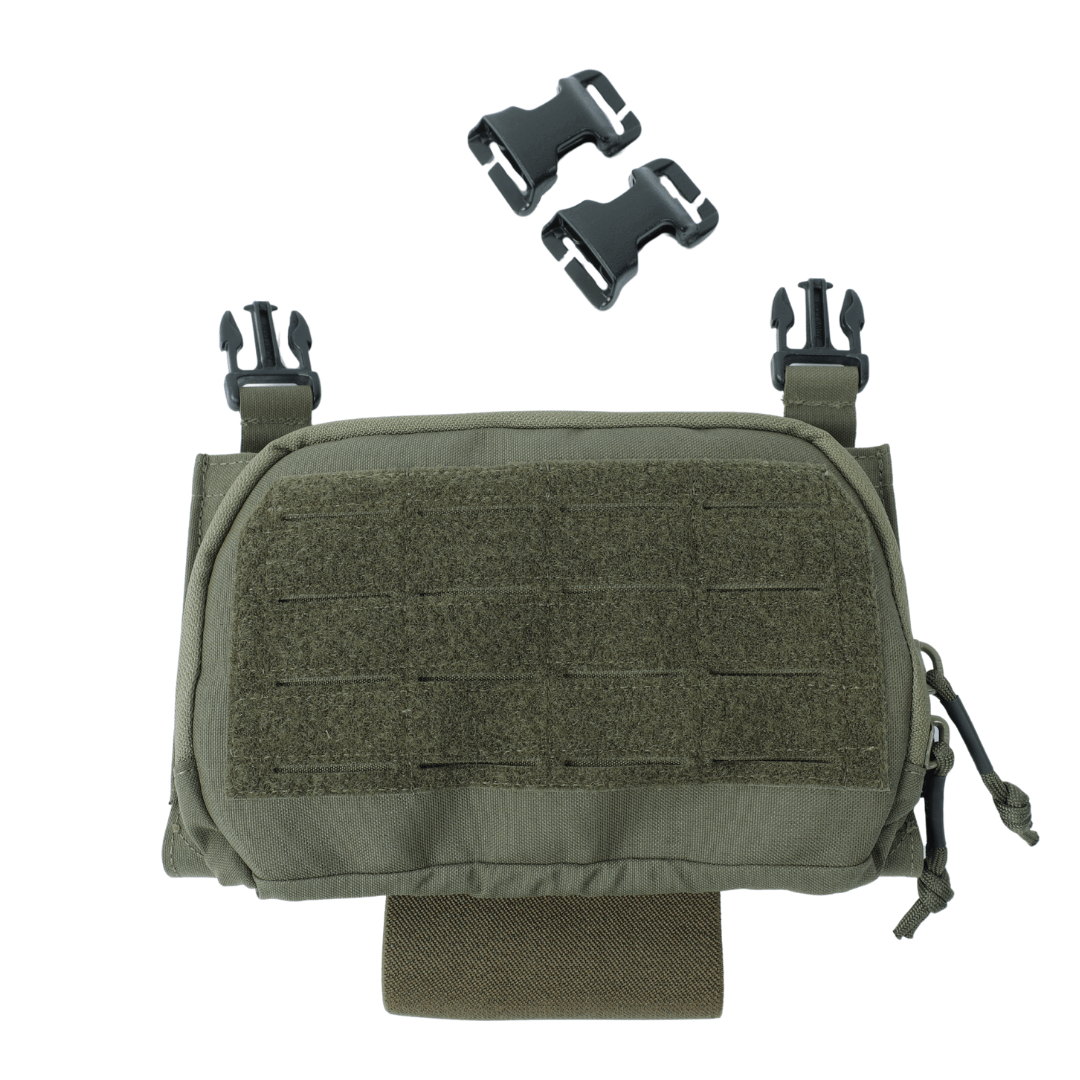
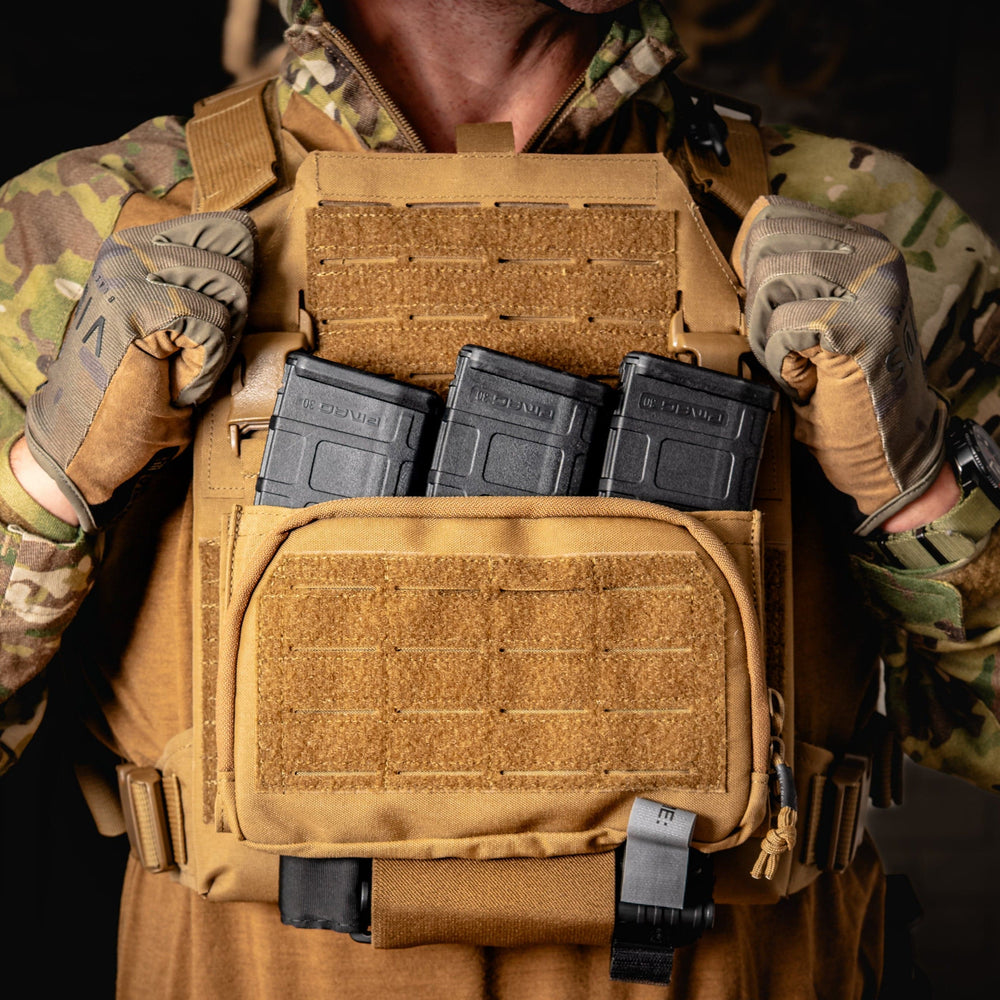


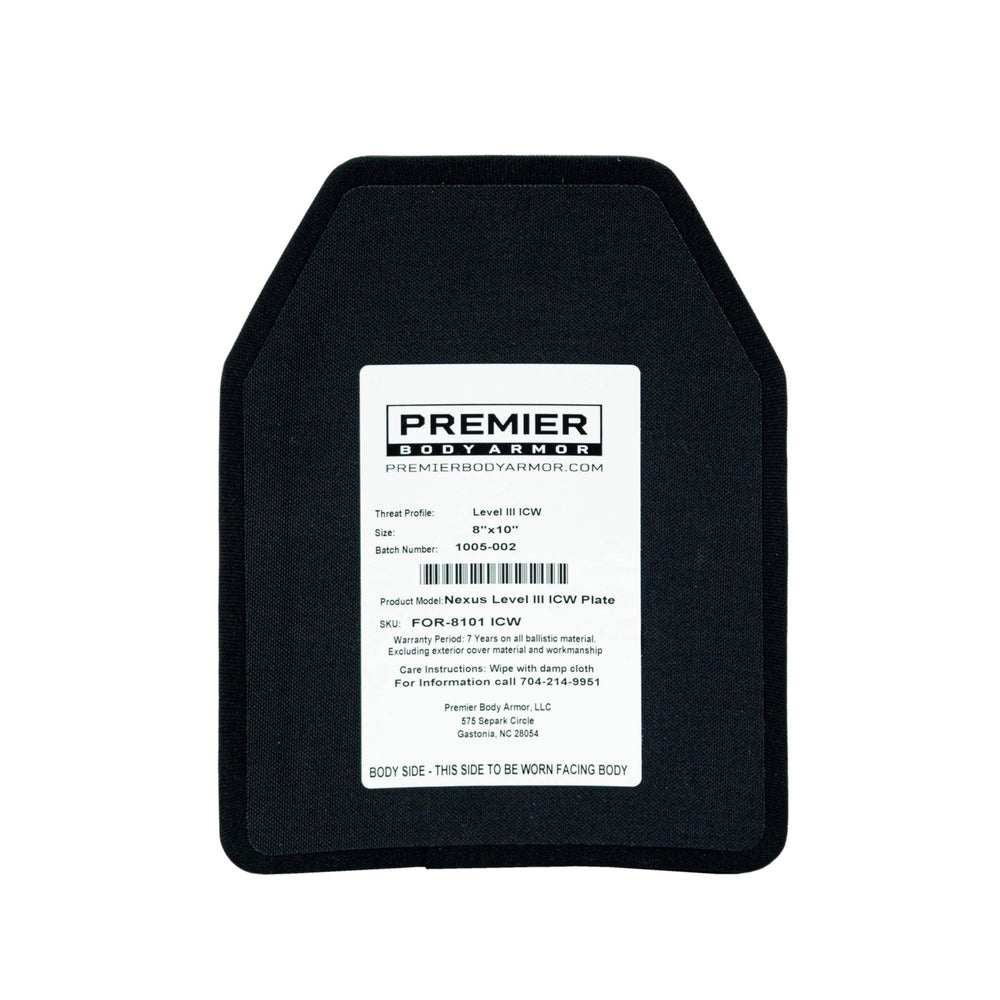


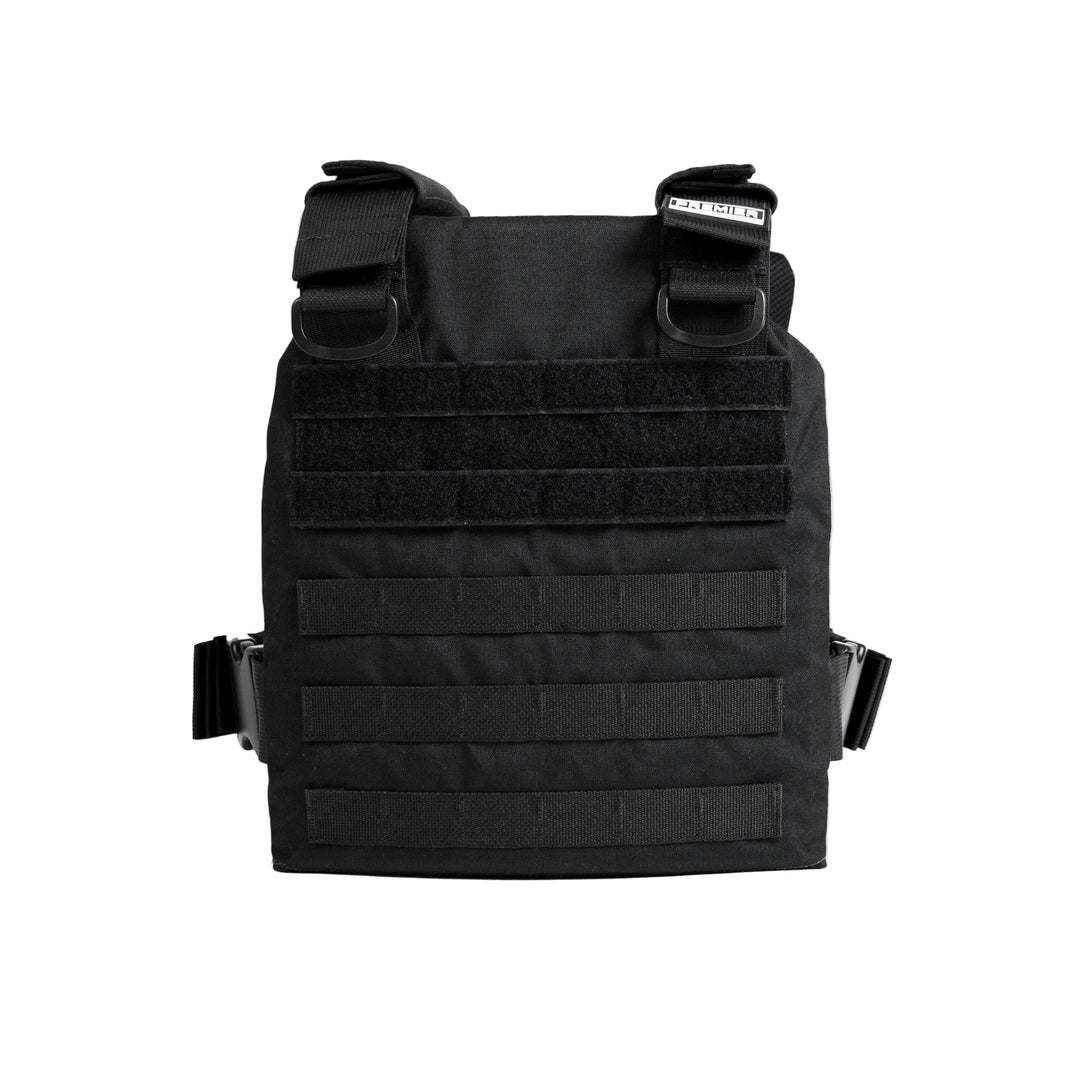
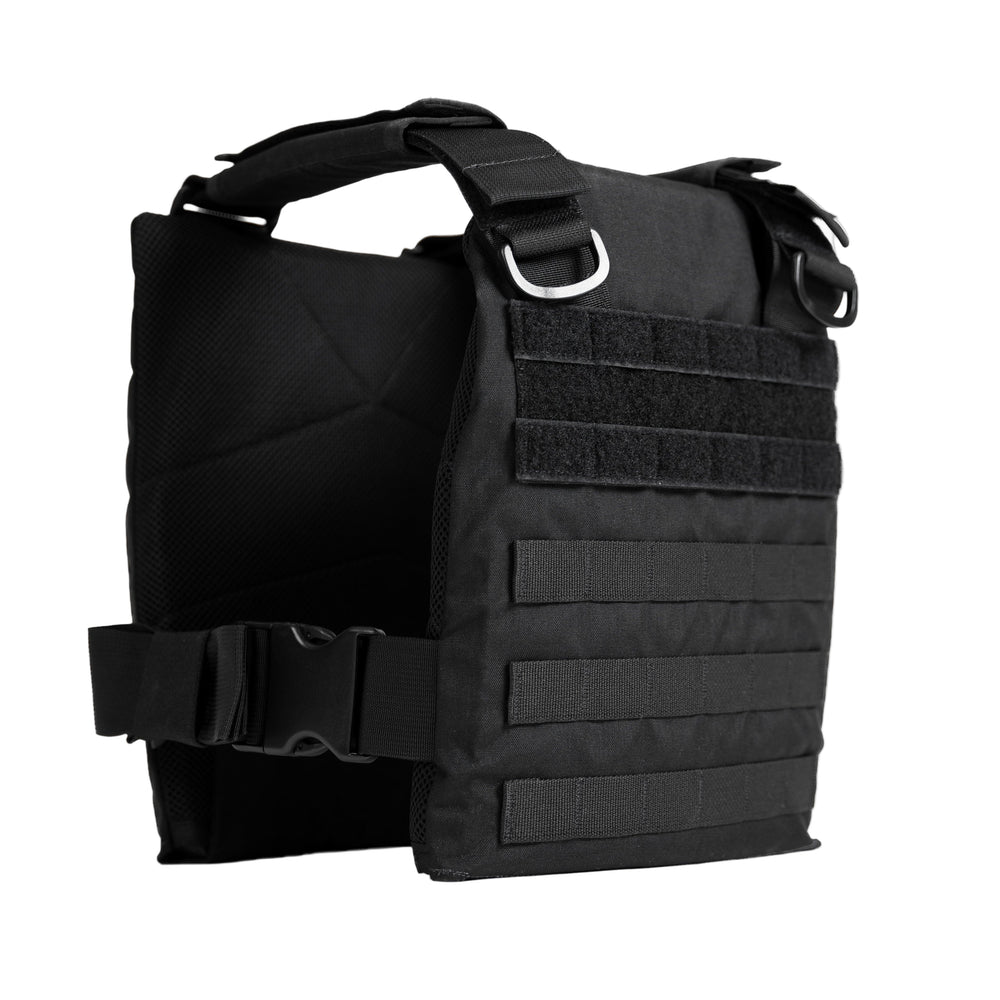


CBP Modular Hybrid Carrier Systems for Border Operations
U.S. Customs and Border Protection officers and Border Patrol agents deal with some of the most varied and demanding threat environments imaginable. From vehicle inspection lanes at high-volume ports of entry to remote desert patrol areas spanning hundreds of miles, no single armor configuration works for the full range of operational needs. Where does that leave CBP agents?
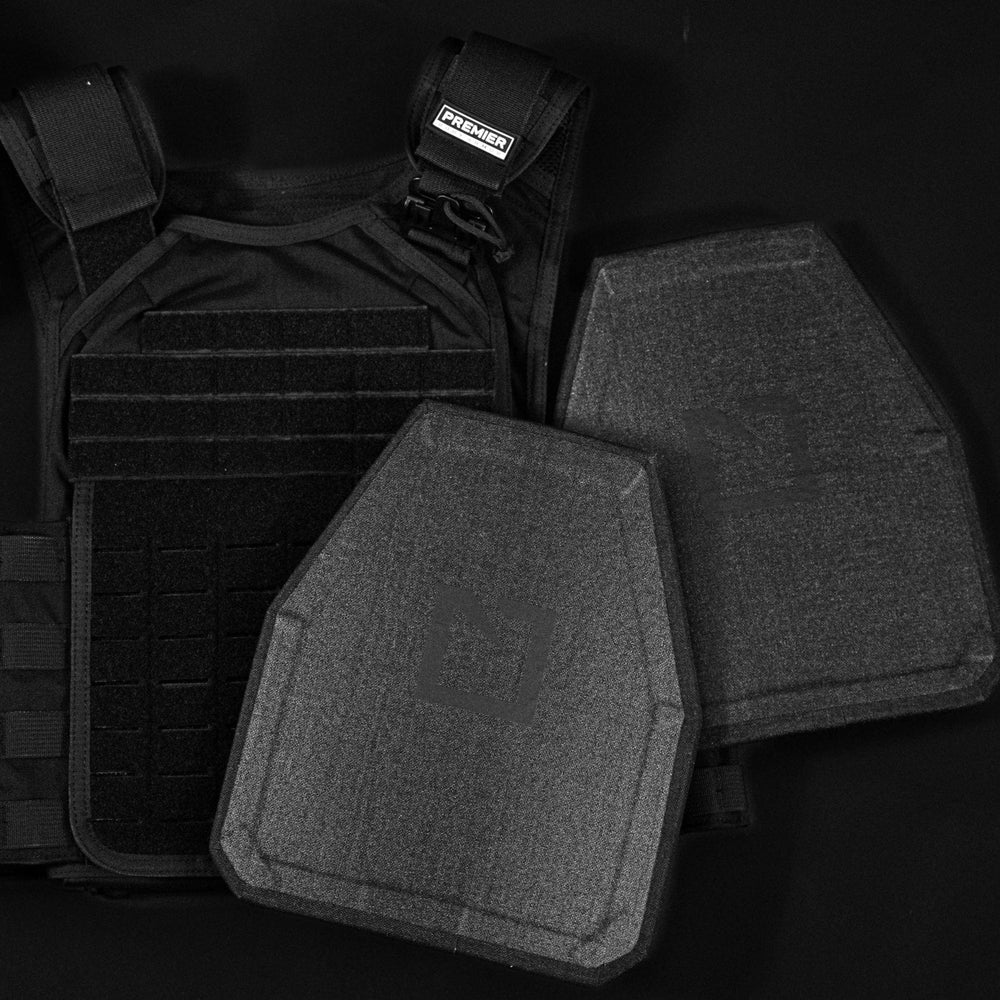
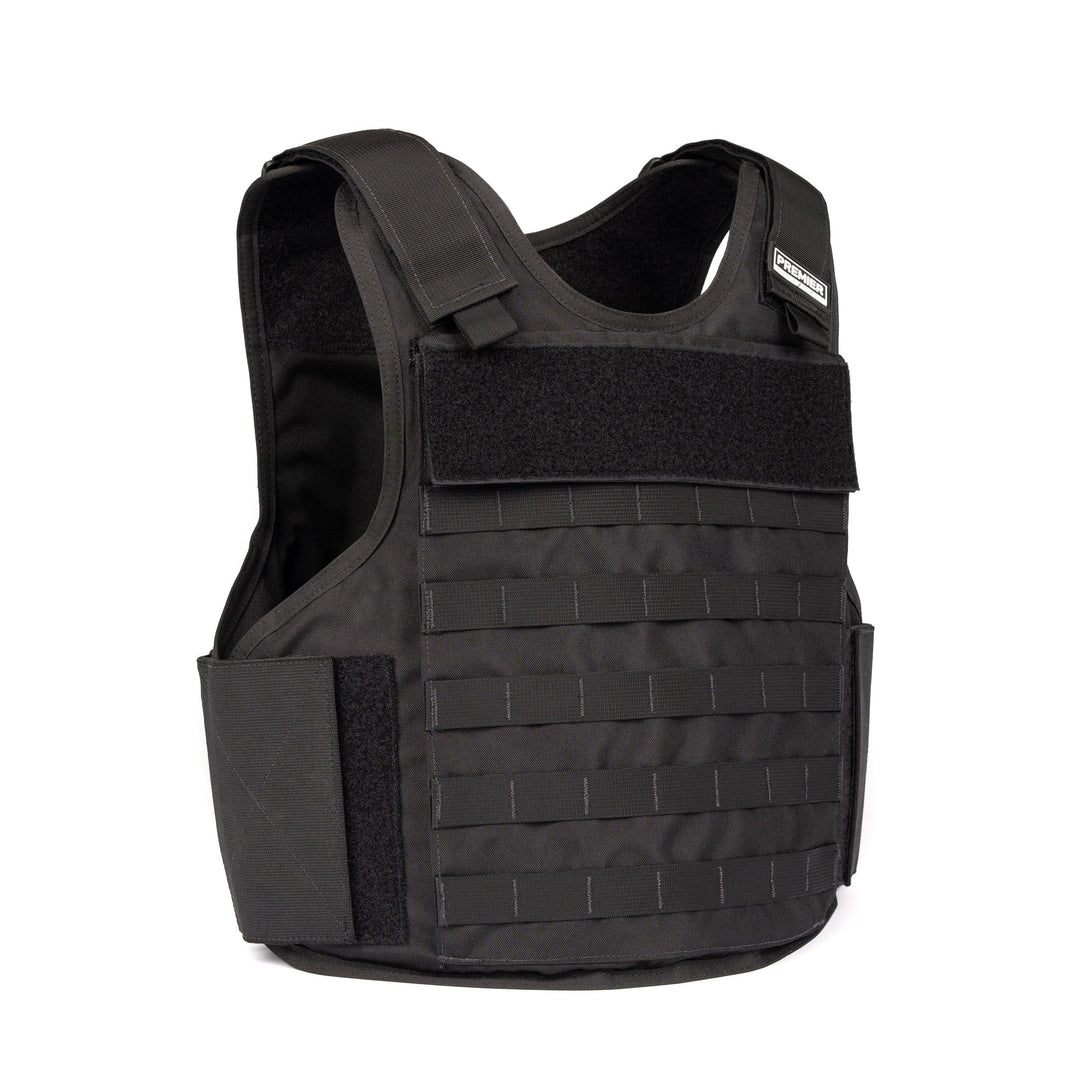
The answer is a plate carrier for border control that integrates both soft armor panels and hard ballistic plates within a single chassis. That lets agents adapt their protection level to what they're facing at the time, rather than dealing with a static armor setup that may not protect them in the moment.
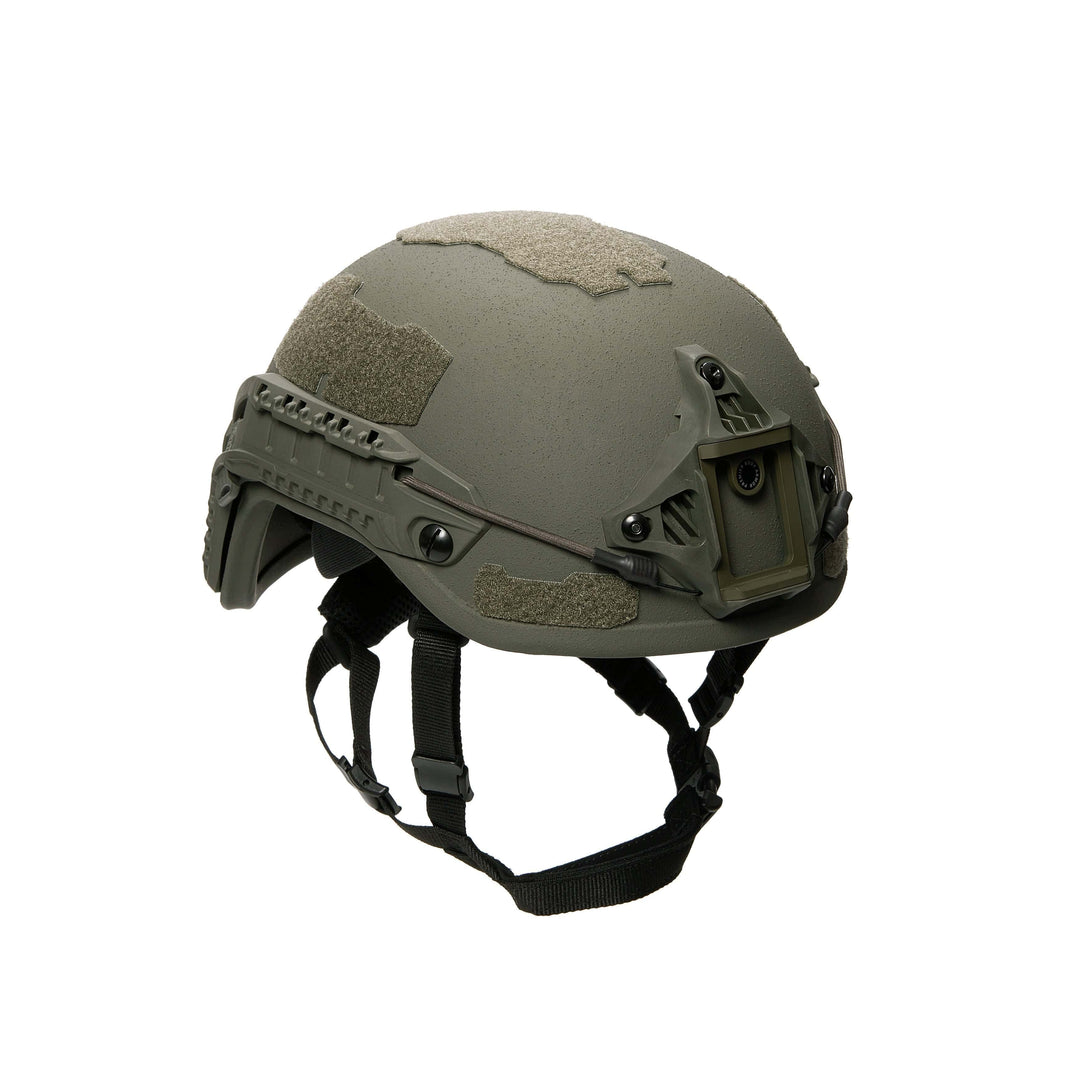
Premier Body Armor's tactical carrier and SRT gear collection is designed for exactly those kinds of needs, giving agencies and officers CBP tactical gear options that hold up to the physical and environmental demands of border operations.
DHS Scalable Body Armor Requirements
The Department of Homeland Security's approach to body armor emphasizes using modular armor to match mission-specific threat levels rather than defaulting to a single fixed configuration. For CBP agents, that means buying armor systems that support soft and hard panel integration, but that can also be modified fast in the field, and that meet DHS performance requirements when it comes to both ballistic and stab resistance (where applicable). Need a deeper look at federal armor standards? Explore our collection of body armor for federal agents.
Quick-Change Capability for Threat Escalation
Border operations can shift very quickly from low-threat to high-threat with almost no warning at all. Agents on routine patrol could get intelligence that requires an immediate change in their deployment needs, going from soft-armor daily wear to a full rifle-rated plate configuration immediately.
Systems designed for rapid configuration let agents scale mission-specific protection in the field without having to go back to a vehicle or staging area. Plate pockets with accessible closures, cummerbund-style side panels, and MOLLE-compatible over-carriers make mission-specific changes not just possible, but simple to accomplish.
Desert and Remote Terrain Operational Considerations
The physical environment that Border Patrol agents work in along the southern border is itself a major operational challenge. Sectors like Tucson, El Centro, and Big Bend mean dealing with extreme heat, rugged terrain, virtually no infrastructure, and patrol shifts that might last 12 hours or longer. Border control agent body armor has to be evaluated not just for ballistic performance, but for how viable it is in conditions where heat stress, physical exertion, and limited resupply are constants.
CBP body armor chosen for desert and remote operations needs to hit some specific marks. It should minimize total carried weight, offer an easy-to-use attachment system, incorporate moisture management, and be compatible with the additional equipment agents need. A vest that does great in a climate-controlled testing environment but negatively affects officer performance in the field is not an asset.
Heat Management in Southwestern Border Sectors
Heat exhaustion and heat stroke are major risks for agents working in the Sonoran Desert and other high-temperature border environments. Lightweight body armor with open-cell foam backer systems, perforated panels, and moisture-wicking carrier fabrics helps reduce the thermal burden of all-day vest wear. Even moderately less absorbed heat significantly improves endurance and decision-making over the course of a long patrol shift.
Extended Patrol Duration and Comfort Requirements
Remote border patrol sectors mean that agents have to operate on foot or ATV for hours at a stretch, usually with limited access to vehicles or facilities. All-day wearability is not a secondary consideration here. Lightweight protection with ergonomic panel shaping, adjustable torso sizing, and weight-distributing shoulder and side straps gives agents full mobility and boosts their endurance even during extended operations.
Hydration and Communications Integration
CBP gear for field operations has to integrate with the other systems agents carry (otherwise, the system becomes a hindrance, not a help). MOLLE-compatible armor platforms let agents mount pouches, radios, first aid supplies, and accessory kits right to the carrier. That cuts out redundant load-bearing systems and keeps equipment organized and accessible.
Many tactical armor carriers designed for remote operations also include hydration bladder routing, which is good news for agents who may not have vehicle access for hours at a time. MOLLE armor systems that support full modular customization let agents configure their kit around mission requirements rather than adapting the mission to tactical gear limitations.
Rifle Threat Protection for Cartel Encounters
Working along most of the U.S.-Mexico border means that agents are very likely to deal with large, well-armed drug trafficking organizations. Cartel-affiliated groups operating in border regions have access to military-grade weapons, including semi-automatic and automatic rifles. Standard soft body armor is simply no match for that. For agents working in high-risk corridors, a border control agent bulletproof vest with rifle-rated plates is a mission-essential piece of equipment.
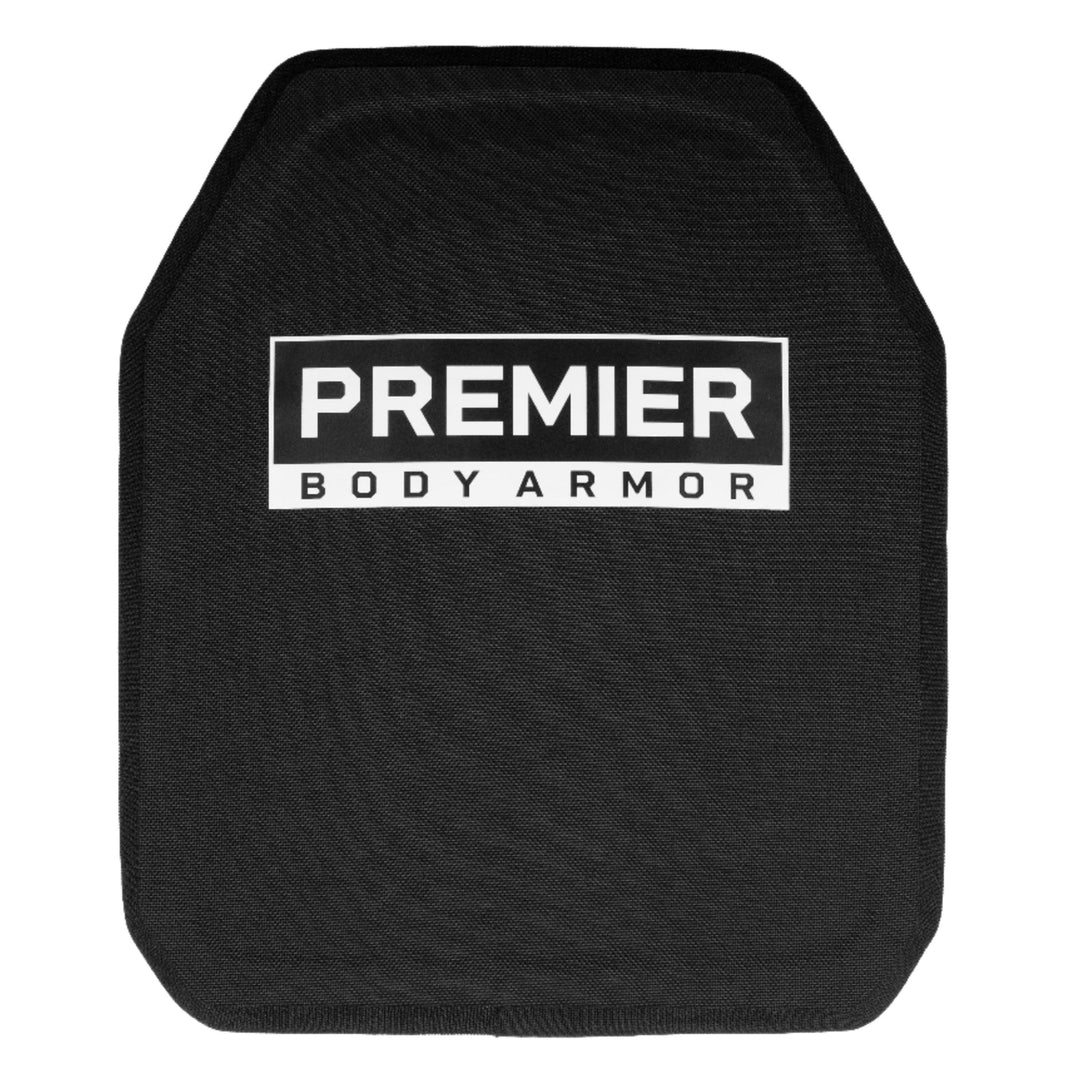
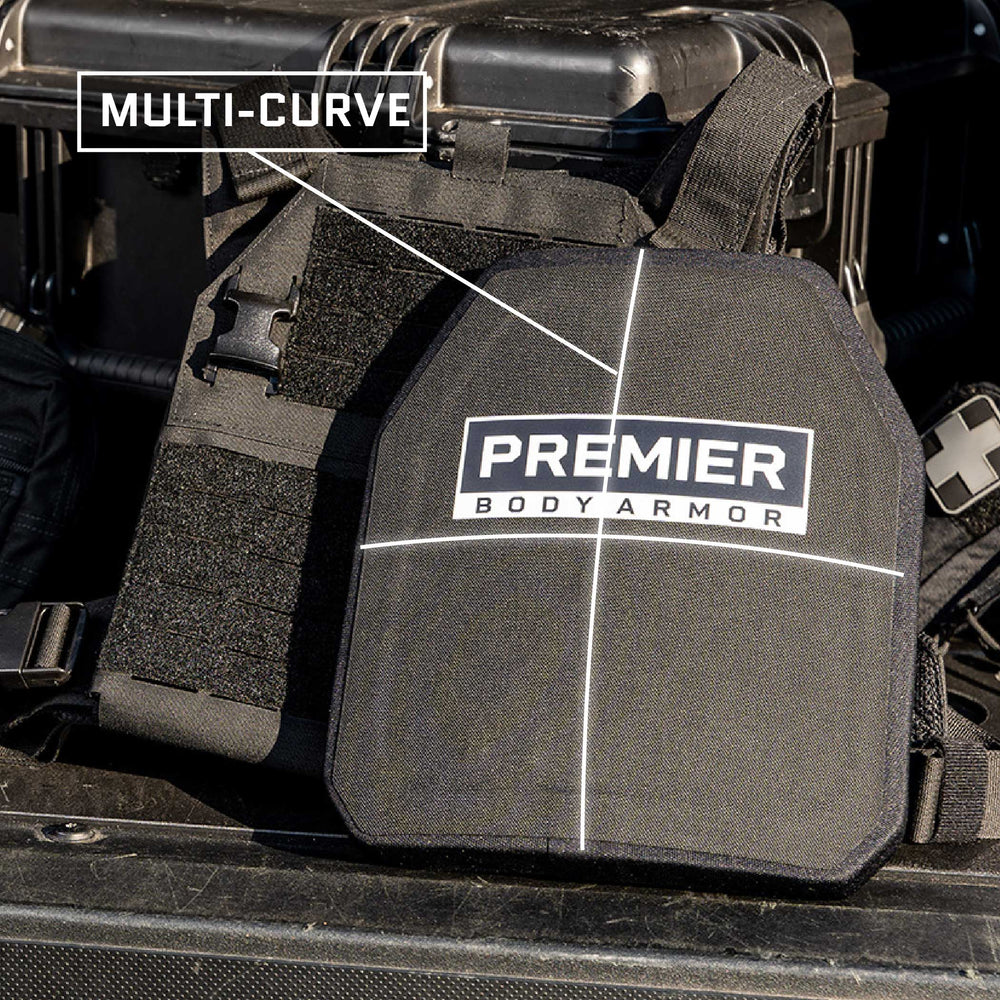
Rifle-rated plates at NIJ Level III, Level III+, or Level IV protect against the rifle-caliber threats agents may encounter in cartel-active sectors. Standalone plates can be worn in a dedicated plate carrier, or they can be integrated into a hybrid carrier system for combined soft and hard protection. Premier Body Armor's law enforcement duty gear collection includes rifle-rated plate options configured for federal and tactical applications, with NIJ certification that meets DHS procurement requirements.
Port of Entry vs. Remote Patrol Armor Needs
Not all CBP officers face the same operational environment. Officers stationed at busy ports of entry (ranging from land crossings to airports and seaports/maritime facilities) do a different kind of work than agents on remote desert patrol. Port of entry operations usually mean public interaction, access to facility infrastructure, and risks that lean more toward concealed weapons, human trafficking, smuggled contraband, and interpersonal confrontations than rifle-caliber engagements out in the open. A CBP bulletproof vest that works well for port operations looks and functions differently from armor for border control remote field work, and agencies need to account for this in their procurement specifications.
Concealable Armor Options for Port Inspections
CBP officers working at ports of entry regularly interact with the traveling public in an environment where visible tactical gear can increase tension and make routine operations more complicated. Concealable body armor worn beneath a uniform shirt gives you NIJ Level II or IIIA handgun protection without an overt tactical profile. Soft armor panel systems designed for extended indoor wear with breathable carriers and ergonomic panel cuts work for the physical demands of port inspection work, where officers might be on their feet for hours in both climate-controlled and non-climate-controlled environments.
Overt Tactical Carriers for Field Operations
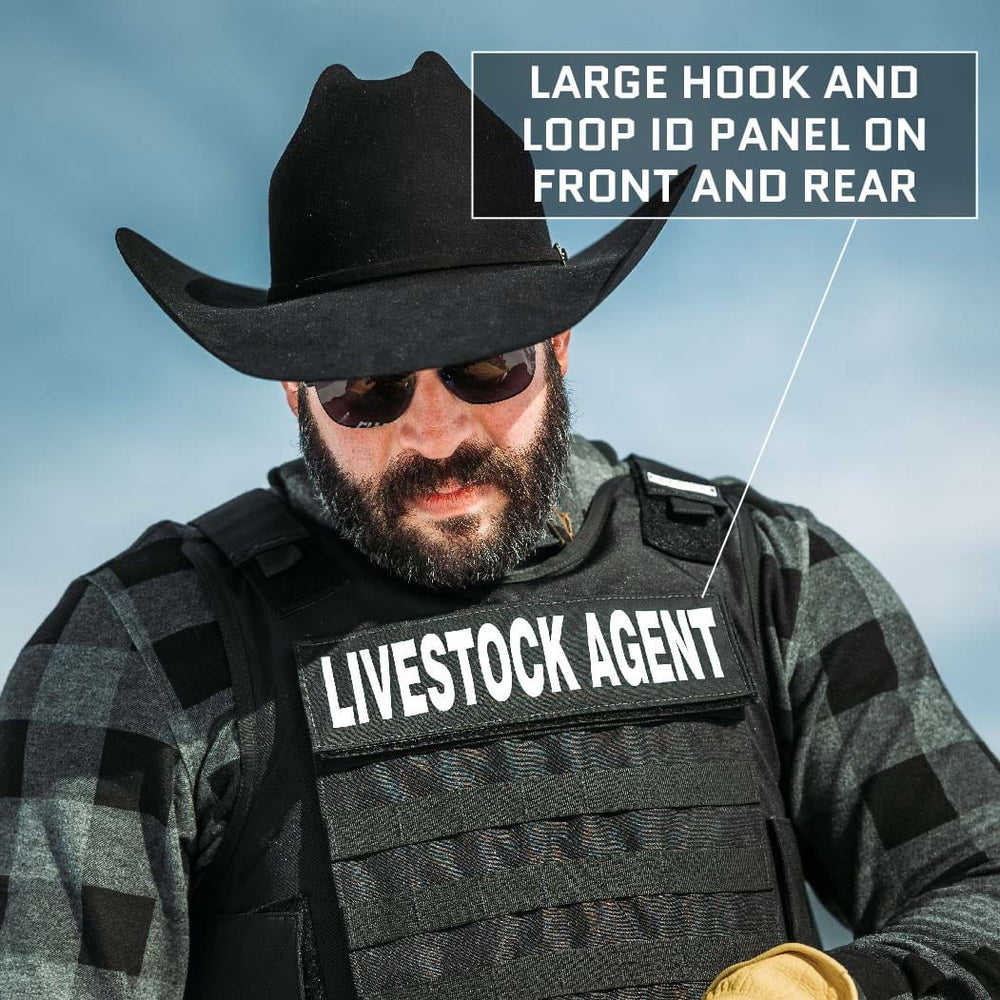
Remote field agents and tactical response units deal with roles where an overt armor presence is both appropriate and expected. External plate carriers designed for CBP field operations put the focus on equipment integration, rifle-rated plate compatibility, and being able to hold up under real-world use in harsh terrain.
Carriers with adjustable cummerbunds, front and rear plate pockets, and full MOLLE field let agents configure a complete tactical loadout from a single platform. For units conducting interdiction operations or responding to armed incursions, the right external carrier is the better choice over a concealable alternative.
CBP Procurement with LEOnline®
Federal procurement for CBP tactical gear and body armor is complex. Agencies have to balance strict documentation requirements, getting independent certification verification, and coordinating sizes that will fit multiple officers. Your average retail operation can't support most of that. Agency buyers need vendors who can give them NIJ certification records, meet federal contracting standards, easily handle large multi-configuration orders, all while delivering on timelines that line up with the agency's operational needs.
Premier Body Armor's LEOnline® program does exactly that. Through LEOnline®, CBP procurement offices can access federal and law enforcement pricing, coordinate sizing across large officer populations, and work directly with Premier's team to specify armor configurations that align with DHS operational requirements. Whether you are outfitting a single port of entry station or standardizing CBP body armor across an entire sector, LEOnline® provides the procurement support the process requires.
Learn more about the LEOnline® program, or submit a Request for Quote for agency-specific pricing and configuration recommendations for your unit's needs.
Protection Built for the Mission
Border control operations need armor that can handle some of the most extreme environments federal law enforcement officers have to deal with. It also needs to adapt to shifting threat levels, and both work and support agent performance across the full duration of a patrol, not just in a testing environment. Premier Body Armor delivers modular, operationally appropriate protection systems built around NIJ-certified armor for CBP officers and Border Patrol agents working in every sector and every duty context along the nation's borders.
Browse our full line of body armor and tactical gear for border control officers, or connect with our team to discuss procurement options for your agency.
frequently asked questions
We will sell body armor to civilians, Law Enforcement Officers, and Military Personnel in the United States who meet the following criteria:
1. Are 18 years of age or older
2. Are not a felon;
3. Are legally allowed to possess and use the item(s) in your state (If you are a New York or Connecticut resident, you must be active Law Enforcement or Military Personnel and provide necessary credentials);
4. Are purchasing this product for only lawful purposes;
5. Are purchasing this product on your own behalf;
6. Comply with all other Terms & Conditions.
Learn more about the legality of body armor in each state.
STRATIS Plates have an 8-year warranty. Fortis plates have a 7-year warranty. Soft body armor panels (for vests and backpacks) have a 5-year warranty, and each carrier has a 2-year warranty.
For warranties on specific products, please see the product page.
All products (excluding clearance items) are eligible for an easy return or exchange if initiated within 30 days of receipt, and the product(s) is in new, unused condition.
There is no re-stocking fee for returns or exchanges. The customer is responsible for any return shipping costs associated with returning the product.
Read more about our returns & exchange information.